pop culture
Epic love stories and relationships as depicted in pop culture, though it rarely turns out like that in real life.
The Most Hated Figure in Major League Baseball. Content Warning.
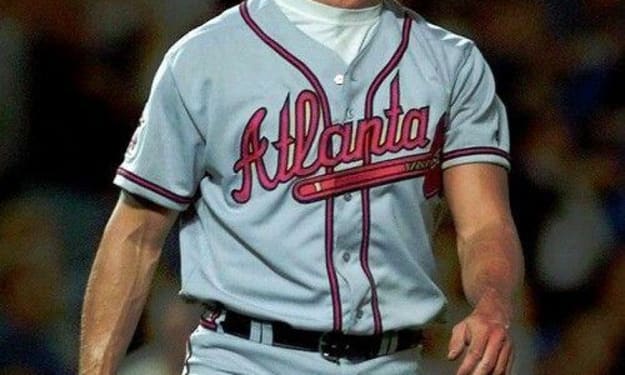
When you think of who the most despised player in Major League Baseball history was, which name comes to mind? Roger Clemens? Barry Bonds? Jose Canseco? This former MLB player that I'll be talking about in this story is a name that you may or may not be familiar with. He's former Atlanta Braves relief pitcher John Rocker. Rocker was born on October 17, 1974, meaning that as of 2024, he's 50 years old. He played for four different teams: the aforementioned Braves, the Cleveland Indians (now Guardians), Texas Rangers, and Tampa Bay Devil Rays (now known as simply the Tampa Bay Rays).
By Mark Wesley Pritchard 2 years ago in Humans
Supporting Sustainable Agriculture
As our global population rises, the demand for food increases, putting immense pressure on agricultural systems. Traditional farming practices often rely on methods that deplete natural resources, harm ecosystems, and contribute to climate change. Sustainable agriculture offers a solution—balancing productivity with environmental stewardship to secure a healthier planet for future generations.
By Jacktone Otieno2 years ago in Humans
10 Practical Ways to Reduce Water Usage
Water is essential for life, yet it's a resource many of us take for granted. With climate change intensifying droughts and growing populations increasing demand, conserving water has never been more important. By making small changes to your daily habits, you can significantly reduce your water usage, save money on utility bills, and help protect this vital resource for future generations.
By Jacktone Otieno2 years ago in Humans
Why "Public Displays of Affection" are so annoying
If you're a barfly or a thespian like me, then you've probably witnessed all kinds of "public displays of affection" (aka PDA) which includes handshakes, hugs, kissing, nursing babies, and sometimes even dancing. These are all forms of physicality sharing love. So why is it that sometimes when we witness it, we are not feeling giddy and happy and joyous? Is jealousy in the way? Am I upset that the only couple in the bar who are holding hands and kissing is making me feel awkward because no one is doing that with me? Are you upset that a mother pulls out her breast and starts feeding her baby because you don't have a baby? Is the "green-eyed monster" (aka jealousy) making us feel awkward about witnessing PDA or is it "inappropriate" as some will say?
By Shanon Angermeyer Norman2 years ago in Humans
chasesynx: ngm first edition
There’s a seismic shift happening in the music world. Beneath the surface of mainstream rap lies a vibrant, uncharted underground bursting with innovation and raw talent. At the epicenter of this creative revolution stands a teenager from Los Angeles—chasesynx. In just under two years, this enigmatic artist has redefined the soundscape of hip-hop with a style that defies traditional boundaries, blending surreal vocal inflections, autotuned harmonies, and experimental beats into a sonic experience that feels like the future.
By New Generation Music2 years ago in Humans
Thanksgiving 😊
Thanksgiving: A Deep Dive into Its History, Traditions, and Modern Significance Thanksgiving is one of the most appreciated holidays in the United States, celebrated on the fourth Thursday of November every year. Families and friends gather to share a meal and express gratitude for all that has been blessed in their lives. The history of Thanksgiving is not without its complexities and multifaceted themes of gratitude, survival, cultural exchange, and, unfortunately, conflict. This blog shall discuss the origins of Thanksgiving, its evolution into a national holiday, the traditional foods associated with it, and its contemporary significance.
By JUNAID MURAD2 years ago in Humans
The Impact of Social Media on Pop Culture: A Deep Dive
In today’s world, social media is not just a tool for communication; it’s become an ever-present force in shaping pop culture. From viral trends to influencers driving the latest fashion or beauty craze, social media has revolutionized how we experience and interact with culture. In the blink of an eye, a single tweet, post, or video can change the direction of popular trends, bringing new ideas into the spotlight and pushing old ones into the background. But what exactly makes social media so powerful in shaping our culture, and what does this mean for society? To truly understand the impact of social media on pop culture, we need to look at how it’s altered the ways we consume information and entertainment. With the rise of platforms like Instagram, TikTok, Twitter, and YouTube, the barriers between the public and the creators of content have never been thinner. Social media gives anyone with a smartphone or computer the power to become a creator, a "micro-influencer," or even a household name, all within a matter of days or weeks. Social media influencers have become central figures in modern pop culture. These individuals, whether they’re beauty gurus, fitness experts, fashion icons, or lifestyle bloggers, have built massive followings by sharing snippets of their lives and opinions online. They often wield more influence than traditional celebrities, as their followers view them as more relatable and accessible. The line between “celebrity” and “average person” has blurred, making it possible for anyone to go viral and achieve fame almost overnight. The impact of influencers goes beyond simply promoting products or trends. They’ve created entire movements within pop culture. For example, influencers in the beauty community have revolutionized the way we approach makeup and self-expression. Brands now rely on influencers to launch new products, and makeup tutorials have become an art form in themselves. Fashion, too, has become more democratic, with influencers leading the charge in promoting streetwear, sustainable fashion, and body positivity. Viral trends on social media are another major way in which pop culture has evolved. A catchy dance, a new meme, or a viral challenge can take over platforms like TikTok or Twitter in a matter of hours. These trends often spread across age groups, cultures, and continents, turning everyday moments into global phenomena. TikTok dances, in particular, have become a cultural staple, with young people around the world learning and performing choreography to popular songs. In many cases, these viral moments spark an entire movement, with millions of people creating their own versions of a challenge or meme, sharing them with their followers, and perpetuating the cycle of viral content. The quick pace at which trends can catch on is a testament to the power social media holds over our attention spans. The moment something goes viral, it often becomes a part of the collective consciousness. Take the "Ice Bucket Challenge" or the "Mannequin Challenge," for example. These viral moments not only entertained but also served as vehicles for raising awareness about important causes. Social media allows for an unprecedented ability to spread messages quickly and far-reaching, whether for fun or for serious activism. But there’s more to this phenomenon than just entertainment and trends. Social media also plays a significant role in shaping the way people view identity, relationships, and the world around them. Platforms like Instagram have transformed how we see beauty, with filters and editing tools offering an idealized version of reality. While this has allowed for more creative expression, it has also sparked conversations about body image and mental health. The pressure to curate a picture-perfect life online has led to increased discussions about self-esteem, the impact of social comparisons, and the rise of “influencer culture.” On a deeper level, social media is creating a more interconnected and informed world. The democratization of content has given rise to diverse voices, amplifying perspectives that were once marginalized. Social media platforms have become spaces where people of all backgrounds can share their stories and connect with others who have similar experiences. This has fostered a sense of global community, where pop culture is not just shaped by a few elite voices, but by a vast, collective pool of creators. Yet, with all its benefits, social media is not without its drawbacks. The pressure to stay relevant, maintain a certain image, or constantly produce new content can be overwhelming for influencers and regular users alike. The rise of “cancel culture” and online harassment has also made the internet a dangerous space for some, turning social media into a double-edged sword that can uplift while also tearing down. These darker sides of social media remind us that while it offers tremendous power, it also requires responsibility. Another crucial aspect of social media’s impact on pop culture is the way it has affected traditional media. Platforms like YouTube, Instagram, and TikTok have given rise to a new generation of content creators who now compete directly with established celebrities and networks. In fact, many influencers have surpassed traditional celebrities in terms of audience engagement and influence, forcing television networks and movie studios to rethink how they approach entertainment. Brands, too, have learned the importance of engaging with their audiences through social media. Traditional advertising methods, like TV commercials or print ads, no longer have the same pull they once did. Instead, companies now partner with influencers and run social media campaigns to promote their products. This shift has led to a more organic, authentic approach to marketing, as influencers build personal relationships with their followers. Pop culture today is a swirling blend of digital content, viral trends, influencer-driven movements, and constant evolution. Social media platforms have shifted the way we define fame, beauty, and success. The culture of immediacy, where trends can rise and fall in the blink of an eye, has transformed how we interact with and consume media. As we continue to scroll, tweet, post, and like, it’s clear that social media isn’t just a trend — it’s an integral part of the fabric of pop culture that will shape the future of entertainment, identity, and society as a whole. The next viral trend could be just around the corner, ready to spark a new cultural revolution — one tweet, post, or TikTok at a time. Thank you for taking the time to read! If you enjoyed this, don’t forget to follow and share for more insights and updates. Your support means the world—stay tuned for more! 🌟
By Adepoju Toheeb Ojo 2 years ago in Humans
Can Work Be Enjoyable? Gen Z Shows Us How
Every generation that has evolved with the wheels of time has honed its own set of ideals and mindset when it comes to work, home and society. As society transformed itself from the primitiveness of civilisation to embracing the wave of evolution with technology and modernity in the way they presented themselves and the mindsets they held, the outlook of the workplace has seen its metamorphosis from being completely patriarchal and male-dominated to being gender inclusive and welcoming diversity all over the world.
By Hridya Sharma2 years ago in Humans
The Future of Fashion: Sustainable and Digital
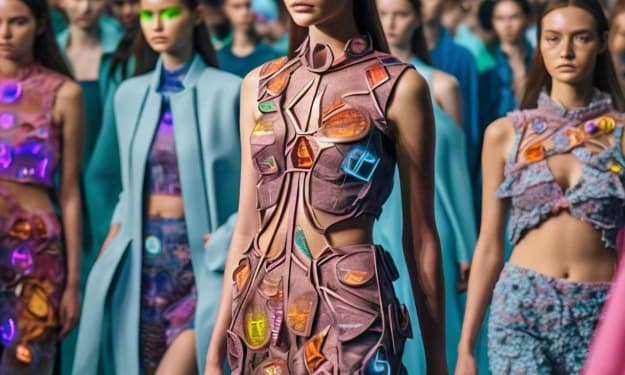
The fashion industry is undergoing a transformation unlike any it has seen before. Driven by the urgency of sustainability and the limitless possibilities of digital innovation, the future of fashion is not just about what we wear—it’s about how we create, consume, and connect. It’s a shift that feels as exciting as it is necessary, breathing new life into an industry often criticized for its wastefulness and exclusivity. Now, we’re witnessing a remarkable blend of style, ethics, and technology, shaping a world where fashion tells a more responsible and futuristic story. Sustainability, once a buzzword, has become the heartbeat of this change. With climate change and resource depletion becoming global concerns, the fashion industry has had to confront its environmental footprint. Traditional methods of production, fast fashion cycles, and disposable trends have proven unsustainable. It’s not just about creating beautiful garments anymore; it’s about creating beauty that lasts without harming the planet. Brands are turning to innovative materials such as recycled fabrics, organic fibers, and even lab-grown textiles. Who could have imagined that yesterday's plastic bottles could transform into sleek jackets or durable sneakers? This shift not only reduces waste but also challenges the notion of what luxury truly means—an object of desire with minimal ecological cost. But it’s not just about the materials. Sustainability also means rethinking production processes and embracing circular models. Concepts like "buy less, choose well, and make it last" are gaining traction. Repair services, rental platforms, and resale markets are booming, making it clear that consumers want to play their part in reducing waste. Technology is acting as an enabler here, with apps that allow customers to trace the origins of their garments, ensuring transparency and ethical sourcing. It’s a heartwarming reminder that, collectively, we can steer the industry toward a greener future. Parallel to this green revolution, the rise of digital technology has added a touch of magic to the fashion world. The digital space has become a playground where creativity knows no bounds, and designers are pushing the limits of what’s possible. Virtual reality, augmented reality, and artificial intelligence are reshaping how we experience fashion. Imagine trying on a dress in a virtual fitting room without ever leaving your home or walking through a virtual runway show from your couch. It’s not just futuristic—it’s happening now, and it’s making fashion more inclusive and accessible. Digital fashion, in particular, has created waves. In a world increasingly lived online, owning digital outfits for avatars or social media has become a unique expression of identity. Designers are crafting virtual collections that never touch a sewing machine but captivate audiences with their surreal beauty. It’s the ultimate fusion of art and technology, and it carries a surprisingly eco-friendly twist—no water usage, no textile waste, and no shipping emissions. These digital garments might not exist in the physical sense, but they have the power to redefine how we consume and cherish fashion. Technology isn’t just revolutionizing how fashion is experienced—it’s revolutionizing how it’s made. Artificial intelligence is stepping into the design studio, analyzing trends, predicting consumer preferences, and even co-creating with designers. Machines are now capable of producing intricate patterns or cutting fabric with zero waste, optimizing both creativity and efficiency. On the other side, blockchain technology is enhancing trust in the industry. By using blockchain, brands can prove the authenticity of luxury goods and ensure ethical supply chains, building stronger relationships with conscious consumers. Social media platforms, too, are pivotal in shaping the future of fashion. They’ve blurred the lines between the runway and the streets, making style more democratic and spontaneous. TikTok challenges, Instagram reels, and YouTube reviews give rise to micro-trends, where individuality takes center stage. But this visibility also comes with responsibility. Consumers are quick to call out brands that fall short of ethical or sustainable standards, ensuring accountability like never before. It’s a powerful reminder that technology doesn’t just amplify voices—it empowers change. What makes this era even more magical is how seamlessly sustainability and digital innovation intersect. For example, 3D printing allows designers to create pieces on demand, reducing inventory waste. Virtual prototypes eliminate the need for physical samples, saving resources and time. Fashion shows, once exclusive events with heavy carbon footprints, are evolving into breathtaking digital experiences accessible to a global audience. It’s a symphony of progress, proving that the future of fashion is both kind to the planet and thrillingly creative. This evolution feels deeply personal, doesn’t it? Fashion has always been about self-expression, and now it’s also about expressing our values. When you slip into a piece that’s been ethically crafted or share a virtual outfit on your favorite app, you’re participating in a movement. You’re telling the world that style doesn’t have to come at the cost of the earth or human dignity. There’s something profoundly beautiful about that—a kind of beauty that goes beyond the surface. The journey ahead won’t be without its challenges. Shifting centuries-old practices and attitudes takes time and effort. But the momentum is undeniable. With every small step, whether it’s a sustainable collection launch or an innovation in digital fashion, we’re inching closer to a more harmonious future. One where fashion is as mindful as it is mesmerizing. The future of fashion is sustainable. The future of fashion is digital. But most importantly, the future of fashion is hopeful. It’s a future that embraces change, innovation, and humanity. And isn’t that the kind of future we all want to wear? Thank you for taking the time to read! If you enjoyed this, don’t forget to follow and share for more insights and updates. Your support means the world—stay tuned for more! 🌟
By Adepoju Toheeb Ojo 2 years ago in Humans