love
All you need is Love, and Love is all you need.
Beyond Roses and Chocolates: Celebrate Valentine's Day in a Unique Wa
Valentine's Day, also known as the day of love, is celebrated on February 14 every year. This day is an opportunity for people to express their love and affection towards their significant others, friends, and family members. However, the typical celebration of Valentine's Day often revolves around exchanging gifts, going out for dinner, or doing something romantic. While these are wonderful ways to celebrate the day, there are many other ways to make the day special for your loved ones.
By Digital KD4 years ago in Humans
Lesbian vs Hetero Relationship
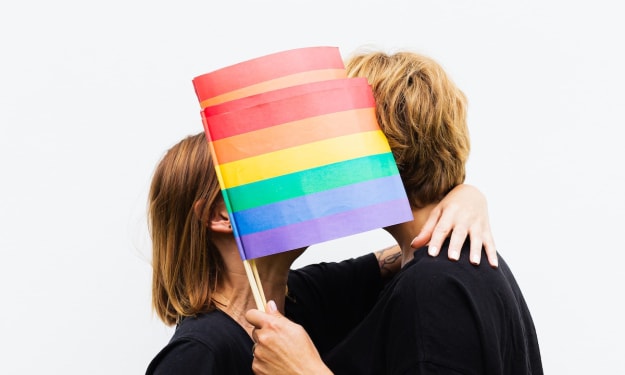
The unique dynamics and perspectives of lesbian relationships compared to heterosexual relationships. Lesbian relationships have some unique dynamics and perspectives compared to heterosexual relationships, although many of the core aspects of relationships such as love, trust, communication, and commitment are similar. Here are a few ways that lesbian relationships may differ: Gender roles: Traditional gender roles and expectations may not apply in the same way in lesbian relationships. For example, both partners may share household responsibilities, child-rearing, and breadwinning equally. Stereotypes and discrimination: Lesbians may face social stigma, prejudice, and discrimination based on their sexual orientation. This can create additional challenges in their relationships and can impact their self-esteem and the quality of their relationships. Coming out: Both partners in a lesbian relationship may have faced challenges related to coming out as gay or lesbian, which can impact their sense of self and their relationships. Family and social support: Lesbians may not have the same level of support from their families or communities as heterosexual couples. This can impact their relationships and their sense of belonging. Navigating intimacy: Intimacy in lesbian relationships may be different than in heterosexual relationships due to differences in anatomy, sexual orientation, and societal norms. Overall, lesbian relationships, like all relationships, are unique and complex, shaped by a range of individual, relationship, and cultural factors. It's important to remember that despite the differences, the core aspects of relationships remain the same and that all relationships, regardless of the sexual orientation of the partners, require effort, communication, and commitment to thrive. It's also important to note that despite these unique dynamics, lesbian relationships are just as diverse as any other type of relationship. No two relationships are exactly alike, and each lesbian relationship will have its own unique set of challenges and strengths. Lesbian couples may also choose to define and express their relationship in different ways. Some may identify as monogamous, while others may be in open relationships. Some may choose to have children and start a family, while others may not. There is no one right way to be in a lesbian relationship, and what works best for one couple may not work for another. Just like in any other type of relationship, communication is key in a lesbian relationship. Both partners should feel comfortable discussing their feelings, desires, and concerns, and should work together to resolve any issues that arise. Regular check-ins and a commitment to keeping the relationship strong can help ensure its longevity. In conclusion, while there are unique dynamics and perspectives in lesbian relationships compared to heterosexual relationships, it's important to remember that all relationships require effort, communication, and commitment to thrive. By recognizing and embracing these differences, lesbian couples can build strong, fulfilling, and lasting relationships. It's also important for lesbian couples to seek out support and resources when needed. This can include seeking counseling or therapy to work through challenges and enhance their relationship, as well as connecting with local LGBTQ+ organizations and support groups. Additionally, it's important for lesbian couples to advocate for their rights and equality. This may involve advocating for marriage equality and other legal protections, as well as working to challenge and combat negative stereotypes and discrimination. In summary, lesbian relationships are unique and have their own set of challenges and strengths. By embracing these differences, communicating effectively, seeking support when needed, and advocating for equality, lesbian couples can build strong, fulfilling, and lasting relationships. It's important to recognize and celebrate the diversity of relationships, regardless of sexual orientation, and to support all couples in their journey towards love and happiness. It's also important for lesbian couples to prioritize self-care and self-love. This can involve setting aside time for themselves, engaging in activities that bring them joy and fulfillment, and taking care of their physical and mental health. When both partners are feeling happy, fulfilled, and at peace with themselves, this can have a positive impact on their relationship as a whole. Additionally, it's important for lesbian couples to have a strong support system. This can include friends, family, and a wider community of LGBTQ+ individuals and allies. Having a supportive network can provide comfort, encouragement, and resources during times of need. Finally, it's important for lesbian couples to recognize and celebrate their love and commitment. This can involve planning special events and celebrations to mark important milestones in their relationship, as well as taking time to reflect on the love and bond that they share. In conclusion, lesbian relationships are dynamic and diverse, and by embracing their unique qualities, prioritizing self-care, building a strong support system, and celebrating their love and commitment, lesbian couples can build strong and fulfilling relationships that stand the test of time. It's also important for lesbian couples to embrace diversity within the LGBTQ+ community. This includes recognizing and celebrating differences in race, ethnicity, religion, and gender identity, as well as acknowledging and combating intersectional forms of discrimination and oppression. Additionally, it's important for lesbian couples to educate themselves and others about LGBTQ+ issues and to be vocal allies in the fight for equality. This can involve advocating for policies and laws that promote equality and inclusivity, as well as challenging harmful stereotypes and prejudices. It's also important for lesbian couples to seek out representation in media and popular culture. This can involve seeking out books, movies, TV shows, and other media that accurately and positively depict LGBTQ+ individuals and relationships. Representation is important for promoting visibility and normalization, as well as helping to counteract negative stereotypes. Finally, it's important for lesbian couples to recognize the impact of societal norms and expectations on their relationships. This may involve challenging traditional ideas about gender roles and relationships, as well as working to create a world where all types of relationships are valued and respected. In conclusion, by embracing diversity, advocating for equality, seeking representation, and challenging societal norms, lesbian couples can work to build a world that is more inclusive and supportive of all types of relationships. In conclusion, lesbian relationships are unique and dynamic, and come with their own set of challenges and strengths. By prioritizing self-care, communication, support, celebration, embracing diversity, advocating for equality, seeking representation, and challenging societal norms, lesbian couples can build strong, fulfilling, and lasting relationships. It's important to recognize and celebrate the diversity of relationships and to support all couples in their journey towards love and happiness.
By Santhosh Ramesh 4 years ago in Humans
20 Clever ways to make her miss you | Unleash the Power of these 20 Clever tricks to make her miss you every day !
Everyone wants to feel desired and missed, especially when it comes to relationships. However, with busy schedules and demanding careers, it can be tough to maintain the spark in a relationship and make your partner miss you. But don't worry, there are a 20 simple tricks you can use to keep the flame alive and make her miss you every day.
By Jeeban Jyoti Bhoi4 years ago in Humans
The history of lesbian rights and the LGBTQ+ rights movement.
The history of lesbian rights and the LGBTQ+ rights movement. The history of lesbian rights and the LGBTQ+ rights movement dates back to the late 19th and early 20th centuries, with various forms of activism and resistance to discrimination. One of the earliest examples of organized activism for lesbian rights was the Daughters of Bilitis, a social and political organization founded in 1955 in San Francisco. The group aimed to provide support and community for lesbians, as well as to promote understanding and acceptance of lesbianism. The Stonewall riots of 1969, in which patrons of a New York City gay bar fought back against a police raid, are widely considered to be the catalyst for the modern LGBTQ+ rights movement. In the years following the riots, numerous advocacy and activism organizations were formed, including the Gay Activists Alliance, the National Gay and Lesbian Task Force, and the Human Rights Campaign. Throughout the 1970s and 1980s, the LGBTQ+ rights movement made significant gains, including the American Psychological Association removing homosexuality from its list of mental disorders in 1973, and the U.S. Food and Drug Administration (FDA) lifting its ban on gay men donating blood in 2015. Despite these gains, however, significant challenges remained. The AIDS crisis of the 1980s had a profound impact on the LGBTQ+ community, and anti-gay legislation, such as the Defense of Marriage Act (DOMA), was enacted in the 1990s. In recent years, the LGBTQ+ rights movement has made significant progress, including the legalization of same-sex marriage in the United States in 2015, and the increasing visibility and representation of LGBTQ+ people in popular culture. Despite these gains, however, discrimination and prejudice against the LGBTQ+ community persist, and ongoing activism and advocacy are necessary to ensure full equality and acceptance. Sure, here is more information on the progress of LGBTQ+ rights: In the early 21st century, there have been many important victories for the LGBTQ+ community, including the repeal of "Don't Ask, Don't Tell," a U.S. military policy that banned openly gay and lesbian service members, in 2011, and the U.S. Supreme Court's ruling in favor of same-sex marriage in 2015. Additionally, there have been increased efforts to protect the rights of transgender and non-binary individuals. In 2016, the U.S. government issued guidance stating that transgender students have the right to use bathrooms and participate in activities consistent with their gender identity. The same year, the U.S. military began allowing transgender individuals to serve openly, and in 2020, the U.S. Supreme Court ruled that discrimination on the basis of sexual orientation or gender identity is prohibited under Title VII of the Civil Rights Act of 1964. However, despite these advances, the LGBTQ+ community continues to face significant challenges. In many places, there are still no legal protections against discrimination based on sexual orientation or gender identity, and violence and harassment against LGBTQ+ individuals remains a serious problem. To address these and other challenges, LGBTQ+ advocacy organizations continue to work to raise awareness, mobilize communities, and advocate for change at the local, national, and international levels. Through activism, education, and coalition-building, they are working to create a world where all individuals, regardless of their sexual orientation or gender identity, can live openly, safely, and with dignity. Overall, the history of the LGBTQ+ rights movement is a story of progress, but also of ongoing struggle. Despite the challenges that remain, the movement continues to make significant strides towards achieving full equality and acceptance for LGBTQ+ people around the world. Yes, here's more information: In recent years, the LGBTQ+ rights movement has gained momentum globally. In many countries, same-sex marriage has been legalized and discrimination based on sexual orientation and gender identity is now illegal. There have also been increased efforts to address the specific needs and challenges faced by the transgender community, including improving access to gender-affirming healthcare and reducing violence against transgender individuals. However, despite these advances, there are still many countries where homosexuality is illegal and where LGBTQ+ individuals face significant challenges, including violence, discrimination, and criminalization. In some countries, laws have been enacted that restrict the rights of LGBTQ+ individuals, including laws that criminalize homosexuality, ban same-sex relationships, or restrict the rights of transgender individuals to change their gender identity on official documents. To address these and other challenges, international LGBTQ+ rights organizations are working to raise awareness, advocate for change, and support LGBTQ+ communities around the world. Through partnerships with local organizations, media campaigns, and advocacy at the international level, they are working to promote acceptance, inclusion, and equality for LGBTQ+ people everywhere. In conclusion, the LGBTQ+ rights movement has come a long way since its early beginnings, but there is still much work to be done to achieve full equality and acceptance for all LGBTQ+ individuals. Through continued activism, education, and coalition-building, the movement will continue to make progress towards creating a world where everyone is free to be themselves and to love who they love, regardless of their sexual orientation or gender identity. Of course, here is some additional information: It's important to note that the LGBTQ+ rights movement is not just about securing legal rights and protections, but also about changing attitudes and increasing acceptance and understanding. Many LGBTQ+ individuals still face discrimination, stigma, and rejection, and this can have serious consequences for their mental and physical health. For this reason, education and awareness-raising efforts are crucial components of the LGBTQ+ rights movement. This includes educating people about the experiences and challenges faced by LGBTQ+ individuals, and working to dispel myths and misconceptions about sexuality and gender identity. It also involves promoting understanding and respect for diversity, and working to create a culture where everyone is accepted and valued, regardless of their sexual orientation or gender identity. In addition to education and awareness-raising, there are a number of other strategies and approaches that are used to advance LGBTQ+ rights and equality. These include direct activism and advocacy, coalition-building and partnership-building, and legal and policy reforms. One of the most powerful tools in the LGBTQ+ rights movement is the sharing of personal stories and experiences. By telling their stories and sharing their lives, LGBTQ+ individuals and allies can help to humanize the issue, build understanding and empathy, and inspire others to take action. In conclusion, the LGBTQ+ rights movement is a complex and multifaceted effort that involves a variety of strategies and approaches. Through continued activism, education, and coalition-building, the movement will continue to make progress towards a world where all individuals, regardless of their sexual orientation or gender identity, are accepted, valued, and treated with dignity and respect. Certainly! Here is some additional information on the subject: One of the key challenges faced by the LGBTQ+ rights movement is the lack of visibility and representation of LGBTQ+ individuals in mainstream media and society. This can lead to a lack of understanding and acceptance, and can also contribute to feelings of isolation and marginalization for LGBTQ+ individuals. To address this challenge, many LGBTQ+ organizations and advocates are working to increase visibility and representation for LGBTQ+ people in the media, the arts, and other cultural spaces. This includes working with filmmakers, writers, and other artists to create positive and accurate representations of LGBTQ+ experiences and identities, and to tell the stories of LGBTQ+ individuals and communities. Another challenge faced by the LGBTQ+ rights movement is the role that religion can play in shaping attitudes and beliefs about sexuality and gender identity. For many people, religious beliefs are deeply tied to their sense of identity and community, and can be a powerful force in shaping their views on LGBTQ+ rights and equality. To address this challenge, many LGBTQ+ rights organizations are working to engage with religious communities and leaders, and to build bridges between the LGBTQ+ community and religious groups. This includes working to promote understanding and respect between different communities, and to find common ground on issues related to equality and human rights. Finally, it's worth noting that the LGBTQ+ rights movement is not just about securing rights and protections for LGBTQ+ individuals, but also about creating a world where everyone is free to be themselves and to love who they love. This requires a shift in attitudes and cultural norms, and a commitment to creating a more accepting and inclusive world for all people, regardless of their sexual orientation or gender identity. In conclusion, the LGBTQ+ rights movement faces a number of challenges, including lack of visibility and representation, the role of religion, and the need for cultural change. Through continued activism, education, and coalition-building, the movement will continue to make progress towards creating a world where all individuals, regardless of their sexual orientation or gender identity, are accepted and valued, and treated with dignity and respect. Certainly! Here's more information: Another challenge faced by the LGBTQ+ rights movement is the intersection of other forms of oppression and discrimination with LGBTQ+ rights. For example, LGBTQ+ people of color, LGBTQ+ women, and LGBTQ+ individuals living with disabilities often face additional barriers and challenges related to their race, gender, or ability status, in addition to the challenges faced by the LGBTQ+ community as a whole. To address this challenge, many LGBTQ+ organizations are working to create more inclusive and intersectional movements that take into account the multiple identities and experiences of LGBTQ+ individuals. This includes working to build coalitions between the LGBTQ+ community and other marginalized communities, and to address the unique experiences and needs of LGBTQ+ people who are also members of other marginalized communities. Another challenge faced by the LGBTQ+ rights movement is the role of government and the law in protecting and advancing LGBTQ+ rights. In many countries, the law is used to restrict the rights of LGBTQ+ individuals, and to criminalize homosexuality or other forms of non-normative sexuality. To address this challenge, many LGBTQ+ organizations are working to reform laws and policies at the national and international level, and to promote the human rights of LGBTQ+ individuals. This includes working with government bodies and international organizations to promote laws and policies that protect the rights and dignity of LGBTQ+ individuals, and to ensure that the law is used as a tool for equality and justice, rather than as a means of oppression. Finally, it's worth noting that the LGBTQ+ rights movement is a global movement, with advocates and organizations working to promote LGBTQ+ rights and equality in every region of the world. Despite the progress that has been made in some countries, there are still many regions where LGBTQ+ individuals face significant challenges and obstacles, including violence, discrimination, and criminalization. In conclusion, the LGBTQ+ rights movement faces a number of complex and interconnected challenges, including intersectionality, government and the law, and global inequality. Through continued activism, education, and coalition-building, the movement will continue to make progress towards a world where all individuals, regardless of their sexual orientation or gender identity, are accepted, valued, and treated with dignity and respect. That's it for the history of lesbian rights and the LGBTQ+ rights movement.
By Santhosh Ramesh 4 years ago in Humans
The challenges and hurdles faced by lesbian couples in society and in their personal lives.
The challenges and hurdles faced by lesbian couples in society and in their personal lives. Lesbian couples often face a variety of challenges and hurdles, both in society and in their personal lives. Some of these challenges include: Lack of legal recognition: In many countries, same-sex relationships are not legally recognized, which can make it difficult for lesbian couples to access benefits and protections that are typically afforded to married couples. Stigma and discrimination: Lesbians often face stigma, discrimination, and bias from society, which can make it difficult for them to be open about their relationships and to live their lives freely and openly. Challenges in parenting: For lesbian couples who choose to have children, they may face difficulties in adopting or obtaining custody of their children, and they may also face discrimination and bias in their communities. Health disparities: Lesbians may face health disparities and discrimination in accessing healthcare, including mental health services and gynecological care. Lack of representation in media and popular culture: Lesbians are often underrepresented or portrayed in stereotypical or negative ways in media and popular culture, which can make it difficult for them to see positive representation of themselves and their experiences. Despite these challenges, many lesbian couples are able to form strong, loving relationships and build supportive communities. By advocating for their rights and raising awareness about the unique challenges they face, they can help create a more accepting and inclusive society for all. Economic inequalities: Lesbians may face economic inequalities and discrimination in the workplace, including difficulty finding and retaining employment and unequal pay. This can make it challenging for them to provide for their families and to achieve financial stability. Difficulty finding community: Lesbians may struggle to find supportive communities where they can connect with others and find acceptance. This can lead to feelings of isolation and loneliness, which can be harmful to mental health. Rejection from family and friends: Lesbians may face rejection from family and friends, who may not accept their relationships or may be uncomfortable with their sexual orientation. This can lead to feelings of alienation and can make it difficult for them to maintain relationships with those they care about. Stress related to navigating the coming out process: The coming out process can be a stressful and difficult experience for many lesbians, particularly if they face rejection or discrimination from those they come out to. Balancing the need for privacy and safety with the desire to be open and visible: Lesbians may struggle with balancing the need for privacy and safety with the desire to be open and visible about their relationships. Being open about their relationships can help to reduce stigma and raise awareness, but it can also make them vulnerable to discrimination and harm. It is important to recognize the challenges faced by lesbian couples and to work towards creating a more accepting and inclusive society. This can include advocating for legal recognition of same-sex relationships, raising awareness about the experiences of lesbian couples, and supporting organizations and initiatives that work to improve the lives of LGBTQ+ people. Negative stereotypes and misconceptions: Lesbians may face negative stereotypes and misconceptions about their relationships, such as the belief that their relationships are not real or that they are unnatural. This can contribute to feelings of insecurity and can make it difficult for them to find acceptance and understanding from others. Inadequate relationship education: Lesbians may face a lack of relationship education and support, as many relationship resources and services are geared towards heterosexual couples. This can make it challenging for them to navigate relationship dynamics and to build strong, healthy relationships. Challenges in accessing counseling and therapy services: Lesbians may face difficulties in accessing counseling and therapy services, as many providers are not trained to work with LGBTQ+ clients or may hold biases against same-sex relationships. This can make it challenging for them to address relationship issues and to receive support during difficult times. Misrepresentation in the legal system: Lesbians may face misrepresentation and bias in the legal system, particularly in cases involving custody battles or disputes over property and assets. It is important to continue the work of creating a more accepting and inclusive society for lesbian couples and for all members of the LGBTQ+ community. This can include advocating for legal recognition of same-sex relationships, promoting positive representation of lesbian relationships in media and popular culture, and providing education and resources to support healthy and fulfilling relationships for all. Limited access to family planning resources: Lesbians may face limited access to family planning resources, such as fertility treatments or surrogacy options, due to cost, legal restrictions, or a lack of provider knowledge about same-sex families. Challenges in finding affordable housing: Lesbians may face challenges in finding affordable housing, particularly in areas where there is a lack of anti-discrimination laws and policies in place. This can make it difficult for them to secure stable and safe housing for themselves and their families. Lack of legal protections in matters of inheritance and property rights: In many countries, same-sex relationships are not recognized legally, which can make it difficult for lesbian couples to access benefits and protections related to inheritance and property rights. Barriers to accessing healthcare: Lesbians may face barriers to accessing healthcare, such as a lack of provider training and knowledge about their health needs, as well as stigma and discrimination from providers. The impact of historical and systemic oppression: Lesbians, like all members of the LGBTQ+ community, have been subject to historical and systemic oppression and discrimination. This can impact their mental health and well-being and can make it challenging for them to find acceptance and understanding in society. It is important to continue to raise awareness about the challenges faced by lesbian couples and to advocate for policies and initiatives that promote equality and inclusion for all. This includes advocating for anti-discrimination laws, providing support and resources for lesbian couples, and creating safe and accepting communities for all members of the LGBTQ+ community.
By Santhosh Ramesh 4 years ago in Humans
Office Romance...
Office Romance Shelna and Steve were coworkers at a large corporation. They worked in different departments, but they often saw each other in the office and had a mutual respect for each other's work. However, they never really spoke until one day when they were both assigned to work on a project together. As they spent more time together, they found that they had a lot in common and an undeniable chemistry. They would flirt during meetings and steal glances at each other when they thought the other wasn't looking. They both felt a spark of something special, but they didn't want to jeopardize their jobs by acting on their feelings. One day, after a particularly long day at the office, they found themselves alone in the break room. They were both grabbing a late night snack and chatting about their day when Steve suddenly leaned in and kissed Shelna. It was a passionate kiss, filled with all the pent-up desire and longing that they had been feeling for each other. They quickly realized that they were both feeling the same way, and that their attraction was too strong to ignore. From that night on, they started a secret office romance, sneaking in moments of passion whenever they could. They would meet in the break room, the supply closet, and even in the parking lot after hours. Their love affair was intense and all-consuming, but they were careful to keep it a secret. They didn't want to ruin their careers or their reputations by letting the office gossip get hold of the information. However, as with any office romance, it wasn't long before their colleagues started to catch on. Despite the potential consequences, Shelna and Steve couldn't resist each other. They were head over heels in love, and they didn't care about anything else. They continued their secret romance for months, until one day when they were caught in the act. The consequences were swift and harsh. They were both called into the HR department and given a stern warning about workplace conduct. But they refused to let the threat of losing their jobs come between them. They quit their jobs and started their own business, where they could be together without fear of judgement or consequences. Now, they're happily running their own company, living their lives together and reveling in the love they found in the unlikeliest of places: the office. They often look back on the days when they were coworkers, with a smile and a laugh, knowing that their office romance was the beginning of a beautiful love story that would last a lifetime. Years went by and Shelna and Steve's business flourished. They were able to create a successful company that not only provided for their own financial security but also offered jobs to many others in the community. Despite the long hours and hard work, they were never happier. They had each other and their love was stronger than ever. As they approached their fifth wedding anniversary, Steve started to feel the urge to take their relationship to the next level. He wanted to start a family and he knew that Shelna was the perfect person to share that with. So, one evening after dinner, he got down on one knee and proposed to her. Tears welled up in Shelna's eyes as she said yes. They hugged each other tightly, knowing that they had come so far and that they were ready for the next step in their lives together. A year later, they welcomed their first child, a beautiful baby girl. They were overjoyed and grateful for the love and happiness that they had found with each other. They never would have imagined that their office romance would lead to the life they now shared, but they were glad it did. As they looked back on their journey, Shelna and Steve realized that it was their love and determination that got them through the tough times. They had each other to lean on and that was all that mattered. They were grateful for the chance encounter in the office all those years ago, and they were thankful every day for the love they found in each other. They raised their family with love and happiness, and their business continued to grow and flourish. They were each other's rock and they knew that their love would continue to grow stronger with each passing day. And they lived happily ever after. As their children grew up, Shelna and Steve became more involved in their community. They were well known and respected, not just as successful business owners, but also as loving and supportive parents. They set an example for their children, showing them what true love and commitment meant. Their children went on to lead successful lives of their own, and Shelna and Steve were proud to have played a part in their upbringing. They also became grandparents and the love they had for their grandchildren was immeasurable. They cherished every moment they got to spend with them, and they felt blessed to have such a wonderful family. Years went by, and Shelna and Steve celebrated their golden anniversary. Fifty years of love, laughter, and happiness. They renewed their vows in front of their friends, family, and the people who mattered most to them. The memories they had created together were too many to count, and they knew that they had lived a life full of love and purpose. They were grateful for the journey that led them to each other, and they knew that their love story was far from over. Shelna and Steve continued to love and support each other, and they never lost the spark that brought them together all those years ago. They were each other's best friend, and their love only grew stronger with each passing day. They were a true testament to the power of love, and they showed the world what it meant to be truly in love. And so, their love story continued, with new chapters being written every day. As they approached their eightieth birthdays, Shelna and Steve began to reflect on their lives and all that they had accomplished. They had built a business, raised a family, and made a lasting impact on their community. They had traveled the world, seen beautiful sights, and made memories that would last a lifetime. But despite all of these amazing experiences, they both agreed that the best thing they had ever done was fall in love with each other. Their love was a source of strength and comfort, and it had carried them through all of life's ups and downs. As they sat hand in hand, watching the sun set on their garden, Shelna turned to Steve and said, "Do you remember the day we first met in the office?" Steve smiled and nodded. "It was the best day of my life," he said. Shelna's eyes twinkled as she replied, "It was the best day of mine too. I never would have imagined that our office romance would lead to all of this, but I'm so glad it did." They both sat in silence for a moment, basking in the memories and the love they shared. And then, as the sun disappeared below the horizon, they both knew that their love story was far from over. They still had so much love to give, so much life to live, and so many memories to make. Shelna and Steve continued to hold each other close, knowing that no matter what life brought their way, their love would always be there, strong and true. And so, their love story lived on, with no end in sight. And so, Shelna and Steve's love story ended as it began, with love. Love that had stood the test of time, love that had survived through life's challenges, love that had only grown stronger with each passing day. They knew that their love was a special thing, a once-in-a-lifetime kind of love, and they cherished it every day. As they held each other close, they realized that their love was a beautiful thing. It was the foundation of their lives, the reason they had become who they were, and the reason they would always be together. They had fallen in love in an office all those years ago, and now, as they stood hand in hand, they knew that their love would last a lifetime. And so, Shelna and Steve's love story came full circle. A love that had started with a chance encounter in an office, had grown into a lifetime of happiness, joy, and memories that would last forever. Their love was a testament to the power of love, and they showed the world what it meant to be truly, deeply in love. And that, my friends, is the story of Shelna and Steve, a love story for the ages, a love story that would always be remembered, and a love story that would always end with love.
By Santhosh Ramesh 4 years ago in Humans
Your Place or Mine movie review: New release in Netflix
The storyline of Netflix's new romantic comedy, "Your Place or Mine," serves as a fitting metaphor for our relationship with the genre as a whole. After a period of estrangement, we began to see signs of a reunion with romantic comedies about five years ago. However, these attempts at reconciliation have fallen short for various reasons. The movie is so eager to rekindle our love that it tries to conceal its less desirable traits. This type of suspicious behavior keeps us from fully committing to the relationship once again. There is a melancholic undercurrent to the movie that is briefly acknowledged but never truly explored. To put it simply, this material could have been transformed into a masterpiece like "Moonlight" if it were in the hands of Barry Jenkins.
By Vishalraj M4 years ago in Humans
Different between crush and fall in love with someone
A crush and being in love are two different experiences that can have different characteristics and levels of intensity. A crush is typically a short-lived infatuation with someone, often based on physical attraction. It's a feeling of excitement and admiration for someone, but it may not be a deep or long-lasting connection. Crushes are often fleeting and can fade as quickly as they develop.
By Phat Ahmad4 years ago in Humans
What to do if a girl loses interest | Reviving a Fading Romance: Expert Tips on What to Do When a Girl Loses Interest
When it comes to relationships, it's not uncommon for one person to lose interest at some point. This can be a difficult and confusing situation, especially if you're unsure of what to do. If you're in a situation where the girl you're seeing is no longer as invested as she once was, don't despair. There are steps you can take to try to revive the romance and get things back on track.
By Jeeban Jyoti Bhoi4 years ago in Humans
Valentines Day Special---From Friends to Forever
Since they were young children, Jack and Emily had been great friends. They shared numerous experiences while growing up, attending the same schools. Their friendship only grew stronger as they grew older. However, as Valentine's Day drew near, they both began to sense something deeper between them.
By Vijayakumar R4 years ago in Humans