friendship
C.S Lewis got it right: friendship is born when one person says to another: "What! You too? I thought I was the only one!"
5 Deep Questions Everyone Asks Themselves- And What Modern Life, Psychology,and Faith Say About them. AI-Generated.
Across continents, cultures, and generations, there are certain questions that visit the mind of every person. They appear during quiet nights, after heartbreak, in the middle of success, or when life feels uncertain. These are not silly doubts—they're the core questions of being human.
By Nowshad Ahmadabout a year ago in Humans
The Word That Couldn’t Translate
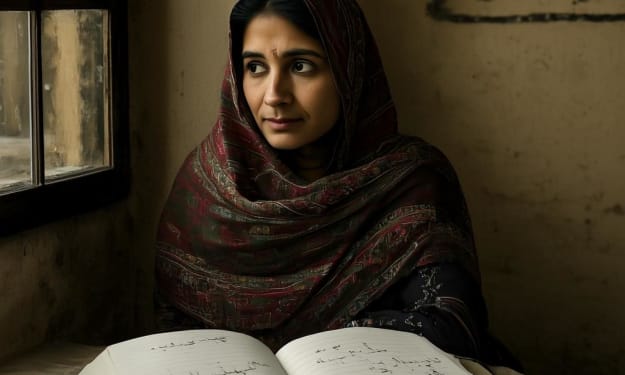
this story create by khalid khan I first heard the word on a cracked cassette, tucked inside a metal biscuit tin beneath my grandmother’s prayer shawls. The recording was decades old—dusty and halting—her voice steady, deliberate, teaching a little girl how to say a word in Pashto that no one says anymore.
By khalid khanabout a year ago in Humans
Bridging Divides
Jamal’s hands trembled slightly as he adjusted his tie in the rearview mirror. The town hall sign loomed above the brick building like a warning: Tonight—Community Voices: An Open Forum on Immigration and Identity. He wasn’t sure why he came. Maybe because he was tired of only shouting into digital voids. Maybe because, somewhere deep down, he wanted to believe change could happen face-to-face. Inside, rows of plastic chairs filled slowly. An older man in a camo jacket took a seat in the front row. A woman with a “No Borders, No Nations” pin sat three seats over, arms folded. People avoided eye contact. Tension lingered in the stale air. At 6:00 sharp, the moderator stepped up to the mic. “Tonight is about listening. You don’t have to agree. Just hear each other. That’s where healing starts.” Jamal doubted that. Still, he stayed. People took turns—some trembling, others trembling with rage. A shop owner complained about jobs lost. A young student cried about ICE raids. The room became a patchwork of hurt, fear, and frustration. Then the older man in the camo jacket stood. “My name’s Rick. I was raised here. My dad worked at the mill till it shut down. I ain’t a racist. But I don’t get why everything has to change so fast. Feels like I woke up one day and didn’t recognize my own town.” He sat down slowly. People shifted uncomfortably. Jamal stood next. “My name’s Jamal. I teach history at the high school. My parents immigrated from Sudan when I was a baby. I grew up with posters of Martin Luther King and baseball cards on my wall. I eat peanut butter sandwiches and celebrate Eid.” Some laughter broke the tension. “I get it, Rick,” he continued, turning toward him. “I’ve felt like a stranger too. Not just here, but sometimes even in my own skin. But I also know—change isn’t always erasure. Sometimes, it’s evolution.” Rick blinked. For a second, something softened in his face. Jamal stepped down. After the forum, people mingled awkwardly. Most left quickly. But Jamal lingered, packing up pamphlets. Rick approached, hands stuffed in his pockets. “You said you teach history?” Jamal nodded. “Bet you know a lot about wars.” “I teach more about peace, actually.” Rick gave a small chuckle. “Maybe that’s what I need.” They sat. Talked. About the factory days. About Jamal’s students. About a country both claimed, but in different dialects. They didn’t agree on everything. Not even close. But they heard each other. Weeks passed. Then months. Jamal invited Rick to speak to his class about the town’s blue-collar roots. Rick came, nervous but honest. In return, Jamal visited Rick’s local VFW, sharing stories of Sudanese heritage, of faith and fear and first-generation pride. They became, to everyone’s surprise, friends. One spring day, Rick showed up to Jamal’s class wearing a freshly ironed shirt and holding a dusty photo album. “Thought the kids might want to see what Main Street looked like in ’78.” Jamal grinned. “Only if you let me show them what Khartoum looked like in ’94.” They laughed, and the students watched—not just a lesson in history, but in humanity. By the end of the year, the town held a second forum. This time, the chairs filled faster. Voices were still raw, but now, mingled with hope. Jamal and Rick sat side by side on the panel. When asked what had changed, Rick answered, “I stopped seeing people as threats and started seeing stories.” And Jamal added, “We don’t need to think the same to walk the same road.” The applause was quiet but full. Like a bridge being built, one brick at a time
By Shah Nawazabout a year ago in Humans
Beyond the Screen
The glow of Maya’s phone lit up her face in the dim café. Another scroll. Another like. Another reel playing on loop. She had planned to write, maybe sketch, maybe even finish the article due tomorrow. Instead, she was drowning in a sea of curated joy and filtered smiles. Across the table, her laptop remained unopened. Her coffee, now cold. She didn’t notice the elderly woman approach until a soft voice said, “Mind if I sit here? It’s crowded today.” Maya looked up, surprised. The café was half-empty. “Uh… sure,” she said hesitantly, gesturing to the other side of the table. The woman sat down slowly, placing a worn tote bag on her lap. Her hair was silver, her scarf knitted with autumn colors. She looked around, eyes full of curiosity, like she hadn’t been here in years—or ever. Maya turned her attention back to her phone, fingers twitching toward the screen. But something made her pause. Maybe it was the stranger’s silence. Or the way she wasn’t reaching for a phone. Just sitting there, watching people. Present. “Beautiful day,” the woman said. Maya nodded without looking. “Young people don’t talk much to strangers these days,” she added gently. Maya looked up, guilt nibbling at her. “I guess we’re always... busy.” “Busy being connected,” the woman said, with a smile that wasn’t judgmental—just knowing. “I used to come here with my husband every Sunday. No phones. Just the clinking of coffee cups and the joy of people-watching.” Maya smiled politely, unsure how to respond. “He passed last winter,” the woman continued, eyes soft. “I thought if I came back here, I might feel him again. Just for a moment.” Maya felt a shift—like someone had cracked a window in a sealed room. “I’m sorry,” she said, setting her phone face-down. “That must be hard.” “It is,” the woman said. “But memory is a lovely thing. So long as we don’t trap it behind screens.” There it was. That gentle nudge. A truth dressed in kindness. Maya exhaled. “I think I’ve forgotten how to just... be.” “We all do, sometimes,” the woman replied. “But real life? It’s not on a screen. It’s here. In burnt coffee, awkward pauses, and chance meetings with nosy old ladies.” Maya laughed. A real one. They talked for an hour. About books, love, grief, and the subtle art of baking scones that don’t taste like rocks. Maya learned the woman’s name was Helen. That she had three sons, one of whom lived too far and the other two who texted more than they visited. That her husband, Charles, once proposed with a poetry book instead of a ring. As the light dimmed and customers cleared out, Helen rose. “Thank you, Maya,” she said, her eyes twinkling. “For what?” “For putting the world down long enough to notice mine.” Maya stood too. “Will I see you again?” Helen smiled. “If you come back without your phone, maybe.” Then she was gone—like a page turning. That night, Maya didn’t scroll. She wrote. A blog post titled Beyond the Screen, about how presence isn’t about signal strength but soul strength. About Helen, and Charles, and the quiet beauty of unfiltered connection. It went viral. Not for its hashtags, but for its heart. The next Sunday, Maya returned to the café. No phone. Just a notebook and two coffees—one for her, one in case Helen came back. She never did. But Maya kept showing up. Talking to baristas, listening to the man with the stutter who played chess alone, sketching the teenage girl who doodled on napkins between shifts. And just like that, the world unfolded—messy, raw, and wondrous—beyond the screen.
By Shah Nawazabout a year ago in Humans
Aries Woman and Libra Man Compatibility Score. AI-Generated.
When an Aries woman, bold and fiery, meets a Libra man, graceful and diplomatic, sparks are bound to fly—both in delight and disagreement. These two zodiac signs sit directly opposite each other on the astrological wheel, meaning they are natural opposites and, potentially, natural complements. This kind of pairing can lead to a dynamic and fulfilling relationship filled with growth, passion, and the occasional storm.
By Inspire and Funabout a year ago in Humans
The Story of a Pomegranate and the Sweetness of Compassion
The Story of a Pomegranate and the Sweetness of Compassion There was a man who used to buy pomegranates from an old woman every day. Each time, after the weighing was done and the price was paid, he would cut open the pomegranate, take a single seed, put it in his mouth, and frown as if it tasted sour. He would then complain aloud, saying, "These are sour!" After voicing his complaint, he would hand the pomegranate back to the elderly woman without taking it home. The old woman, curious but patient, would taste a single seed from that very pomegranate. And every time, she found it sweet and delightful. But by then, the man had already left with his shopping bag, disappearing down the street. Interestingly, the man’s wife always accompanied him during these visits and observed this entire interaction. One day, unable to contain her curiosity, his wife asked him, "When the pomegranates always turn out to be sweet, why do you daily put on this act of complaining and returning them? What’s the point of this daily drama?" The man smiled warmly and said, "This elderly woman only sells sweet pomegranates. But poverty has deprived her of tasting them herself. With this little act, I succeed in giving her a pomegranate to eat without hurting her dignity. If I simply gave her one, she might feel like a beggar accepting charity. But this way, she gets to enjoy it with a sense of pride in her trade. That’s all there is to it." Nearby, a vegetable-seller woman used to watch this daily scene unfold. One day, driven by her curiosity, she approached the old pomegranate seller and asked, “Every day that man complains about the taste of your pomegranates, yet you still give him an extra fruit in the weighing. Why do you tolerate this? Why do you give him more than what he pays for?" The old woman smiled softly, a sparkle of understanding in her eyes, and gently replied, “I know why he does it. He wants me to enjoy a pomegranate, without making me feel indebted to anyone. He thinks that I am unaware of his kindness. But the truth is, I am fully aware of his love and generosity. It’s not that I weigh extra pomegranates because of his complaints. Rather, it is his compassion that tilts the scale. His kindness lightens my burdens and sweetens my days, so I too add one extra pomegranate, for his kindness deserves to be answered with kindness.” The true joys of love and respect often lie hidden in the smallest, simplest, and sweetest actions—like tiny seeds of a pomegranate, unnoticed by the world but precious in their sweetness. Indeed, it is true that the reward of love is love itself. --- The Deeper Meaning Behind the Story On the surface, this story seems like a simple tale of daily trade, a man buying fruit from an old seller. But beneath this seemingly ordinary exchange lies a profound lesson about empathy, dignity, and quiet acts of kindness. In today's world, charity is often given with a loud voice, sometimes stripping the recipient of their pride. People want recognition for their good deeds; they want their generosity to be seen and praised. But this man did something different. He disguised his charity as a complaint, so the old woman could enjoy the fruit of her labor without feeling like an object of pity. This is the highest form of giving, where the giver hides his generosity, and the receiver feels no shame. He protected her dignity, allowing her to believe that she was still a seller, not a beggar. His charity was not merely about giving fruit—it was about preserving her self-respect. Similarly, the old woman responded not with suspicion or bitterness, but with awareness and affection. She saw through his act but never exposed him. Instead, she played along, allowing the little play to continue every day. And more than that, she returned kindness with kindness, giving him an extra pomegranate without charging him, acknowledging his beautiful heart. This mutual understanding without words, this silent conversation of kindness, reflects the purity of human hearts when touched by compassion. --- Life Lessons from the Pomegranate Story This story teaches us timeless lessons: 1. True Giving is Without Ego: Charity should not hurt the pride of the receiver. True giving is quiet, gentle, and filled with respect for the other's dignity. 2. See Beyond the Surface: At first glance, the man looks like a critical customer and the woman seems like a helpless old seller. But if you look deeper, you’ll see love, respect, and kindness. 3. Kindness Breeds Kindness: Just like the old woman gave an extra fruit in return for his generosity, the world responds to goodness with more goodness. Love multiplies when shared. 4. The Sweetness of Life is in Small Things: Happiness does not always come from grand gestures. Sometimes, it lives in a single seed of a pomegranate, shared in silence. 5. Poverty of Wealth is Lesser Than Poverty of Heart: The old woman was poor in money but rich in understanding. The man may not have been rich either, but his wealth was his kind heart. Together, they created a world of love amid the harshness of life's struggles. --- A Reflection for Today’s World In our time, when social media is filled with people showing off their charitable acts for likes and applause, this story reminds us of quiet kindness, the kind that needs no audience. The man didn’t post his actions on social media; the old woman didn’t tell others to gain sympathy. Their goodness was for themselves and each other. Also, the story gently shows us how small, thoughtful actions can brighten someone’s day. A pomegranate might seem insignificant, but for that old woman, it was a moment of joy, a taste of the fruit she could never afford herself. And the man, by making up a small complaint, allowed her to enjoy it without feeling lesser than him. How many of us take the time to think about the dignity of those we help? How many of us would go to such lengths to ensure that our giving does not feel like a burden on the other person’s soul? This story calls us to reflect on that. --- The Final Thought The beautiful thing about love and compassion is that they never demand recognition. Their sweetness is hidden in the hearts of those who feel them. Just like the tiny seeds of a pomegranate are wrapped inside a tough peel, acts of kindness are often hidden behind words and actions that may seem ordinary or even harsh to the unseeing eye. But for those who truly understand life, such kindness is the most beautiful sweetness of all. So the next time you help someone, ask yourself: Am I giving in a way that protects their pride? Am I helping them as a fellow human, or making them feel small? Because true kindness does not tilt the scale of wealth, but it does tilt the scale of the heart. And indeed, as the story beautifully says: “The reward of love is love itself.”
By Ikram Ullahabout a year ago in Humans
Spiritual Love and the Twin Flame Journey: What You Must Know
Spiritual love distinguishes itself from more familiar forms of attachment, such as friendship or romance, in that it transcends bodily allure and shared hobbies and instead reaches the innermost recesses of the spirit. At its essence, such love is grounded in synchrony of intention and a mutual desire for inner advancement, rather than on mere convenience or casual accord; it flourishes where purpose, vibrational resonance, and emotional maturation converge. When people experience this level of affection, they often report a wave of insight, healing, and an unmistakable sense that events are unfolding according to a higher timeline.
By Stella Johnson Loveabout a year ago in Humans
Top 10 Free Russian Dating Sites and Apps That Actually Work in 2025
In 2025, the quest for love has transcended borders, and free Russian dating sites and apps have become a gateway to connect with Russian singles worldwide. Leading the pack is EliteRussianDate.site, the premier Russian dating site and app in Russia, offering an unmatched experience with advanced matchmaking, free messaging, and a vibrant user base. This comprehensive guide explores the top 10 platforms that make finding meaningful connections with Russian singles accessible, secure, and effective without costing a dime.
By Stella Johnson Loveabout a year ago in Humans
The Truth About Why People Are So Lonely in 2025 (Even When We’re All Connected)
We are more “connected” than ever before. Our phones never leave our hands. Messages fly across continents in seconds. You can post a photo and get likes from people you’ve never even met. It should feel like a golden age of communication. But it doesn’t.
By Brijpal Jadejaabout a year ago in Humans