fact or fiction
Is it a fact or is it merely fiction? Fact or Fiction explores relationship myths and truths to get your head out of the clouds and back into romantic reality.
Meghan Markle and Prince Harry Offer Support During Visit to Los Angeles Wildfire Victims
Sometimes, in times of crisis, when the public can see their celebrities doing something for them, there is relief along with hope. Meghan Markle and Prince Harry, the Duke and Duchess of Sussex, visited communities ravaged by devastating wildfires in Los Angeles, thus showing their concern and commitment to social causes. And it reminded all that in bad times, the solidarity and compassion can make all the difference.
By vogueheadlines2 years ago in Humans
Why He Didn’t Call Back: 10 Common Reasons for No Second Date
Why He Didn’t Call You Back: 10 Reasons Men Skip the Second Date Have you ever wondered why a promise to begin with a date never turns into a moment one? You're not alone. Exploring the dating world can feel like attempting to translate an antiquated script. But fear not, since we're here to demystify one of the foremost common dating predicaments: why a few men do not inquire about date number two. Let's jump into the conceivable outcomes and, ideally, shed a little light on this disappointing marvel.
By Milan Milic2 years ago in Humans
Isolation Reflection Story...
Dear Readers, It was a quiet evening when I sat down to watch "Chicago Fire," Season 13, Episode 9. The storyline gripped me immediately. Mouch, now acting as Lieutenant, led a rescue at an apartment fire. Amidst the chaos and smoke, he found a man named George Thompson, unconscious and slumped in his chair. At first, it seemed like George had succumbed to the fire’s smoke, but the truth was far more chilling. George had been dead for days, unnoticed and alone.
By Jacob Mascarenhas2 years ago in Humans
The 5 Minute Dream
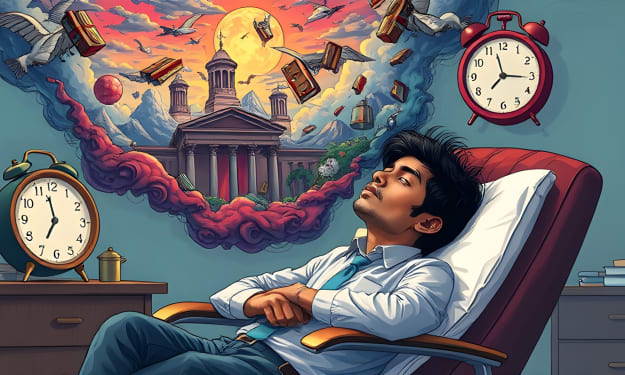
Have you ever slept for a few minutes, then when you wake up, you feel you lived a whole life? No? Good for you, I guess. Because this happens to me every day. It falls between my grand law study times (because, in reality, I do study) and when my job starts at 9:45 a.m., where I pretend to be an adult for 8 hours. But lunchtime? That's when things get fun.
By Ruturaj Nagvekar2 years ago in Humans
McFlurries and Life Lessons
I was a freshly-turned eleven-year-old, brimming with the excitement of summer break. As part of the “gifted program” i was a member of in school, the beginning of my summer break included a week long learning experience that was unlike a typical school week. It was basically like a week long excursion of field trips, newfound friends, and interactive learning opportunities. I looked forward to this yearly experience, as it was always sure to provide many wonderful memories.
By Annie Edwards 2 years ago in Humans
Why It’s Hard to Find a Good Man in Today’s Dating World
Let's confront it—dating nowadays feels like finding a needle in a bundle, but the sheaf is on fire, and the needle might not indeed exist. The stories are all over: Swiping perpetually on dating apps, persevering through cumbersome, to begin dates, or getting ghosted after what appeared like a promising connection. So, what's going on? Is it you? Them? Or is it the dating landscape itself?
By Milan Milic2 years ago in Humans
Know your Worth
Hi everyone, My name is Nidhi Singh and this is my first story writing. I hope you will like it. I learned too many things in my life by experiencing the worst to best situations where I know my worth that I can do anything whatever I want. Life teaches me that I should be a never-give-up person by expressing myself to everyone. So my journey has started from my college time when I realized that it is very important to be independent in this generation. No one will keep you in comfort unless you earn your place.
By Nidhi Singh2 years ago in Humans
How do you maintain a sense of adventure even after many years together?
The initial spark that defines the early stages of a relationship may fade, but the sense of adventure doesn’t have to. Instead of seeing the passage of time as a factor that diminishes joy and discovery, couples can create new ways to explore, grow, and connect, deepening their bond in the process.
By Badhan Sen2 years ago in Humans
What's The Difference Between Sex And Gender
In contemporary discussions about identity, equality, and diversity, the terms "sex" and "gender" are often used interchangeably. However, they represent distinct concepts with different implications in biology, psychology, and society. Understanding the nuances of sex and gender is essential for fostering inclusivity and respect for diverse experiences. What Is Sex? Sex is a biological concept that refers to the physical characteristics of an organism, such as chromosomes, hormones, and reproductive anatomy. Typically, sex is categorized as male or female, though intersex variations also exist. These biological attributes are determined at conception and develop throughout life. Biological Markers of Sex: Chromosomes: Humans usually have 46 chromosomes, including two sex chromosomes—XX for females and XY for males. Variations, such as XXY or XO, can result in intersex conditions. Hormones: Testosterone and estrogen are the primary sex hormones. While both sexes produce these hormones, levels vary significantly between males and females. Anatomy: This includes reproductive organs (e.g., testes and ovaries) and secondary sexual characteristics (e.g., facial hair and breast development). Although sex is biologically rooted, it’s worth noting that some individuals are born with atypical combinations of these markers, leading to intersex conditions. These individuals might not fit neatly into the binary classification of male or female. What Is Gender? Gender, on the other hand, is a social and psychological concept. It encompasses the roles, behaviors, expectations, and identities that society associates with being male, female, or non-binary. Unlike sex, which is biologically determined, gender is culturally constructed and often fluid. Components of Gender: Gender Identity: This is a person’s internal sense of their own gender. It may align with the sex they were assigned at birth (cisgender) or differ from it (transgender, non-binary, or genderqueer). Gender Expression: This refers to how a person presents their gender outwardly through clothing, hairstyle, behavior, and other cultural markers. Gender expression is not always aligned with gender identity. Cultural Norms: Societies establish expectations for how individuals of certain genders should behave, dress, and interact. These norms vary across cultures and historical periods. Key Differences Between Sex and Gender Basis of Definition: Sex is biological, determined by physical characteristics. Gender is social and psychological, shaped by culture and personal identity. Flexibility: Sex is generally fixed, though medical interventions can modify aspects of physical sex. Gender is more fluid and can change over time based on individual experiences and societal shifts. Terminology: Terms like male, female, and intersex relate to sex. Terms like man, woman, transgender, and non-binary relate to gender. The Role of Society in Defining Gender Historically, many cultures have upheld strict gender roles. For example, women were often expected to focus on caregiving and homemaking, while men were expected to be breadwinners. These traditional roles have been challenged and redefined over time, leading to greater acceptance of diverse gender expressions and identities. In some societies, gender diversity has long been recognized. Indigenous cultures in North America, for instance, have acknowledged Two-Spirit individuals—people who embody both masculine and feminine qualities. Similarly, hijras in South Asia have been part of their cultural fabric for centuries. Today, the growing visibility of transgender, non-binary, and gender-nonconforming individuals highlights the evolving understanding of gender as a spectrum rather than a binary construct. Challenges and Misconceptions Despite increased awareness, misconceptions about sex and gender persist. Common myths include the idea that gender is entirely determined by biology or that all individuals fit neatly into male or female categories. These misconceptions can lead to discrimination, stigma, and exclusion. Transgender and non-binary individuals often face unique challenges, such as lack of legal recognition, barriers to healthcare, and societal prejudice. Addressing these challenges requires educating the public about the distinction between sex and gender and advocating for inclusive policies. Why Understanding the Difference Matters Recognizing the distinction between sex and gender fosters empathy and respect for diverse identities. It helps create environments where individuals feel seen, valued, and understood. For example: In Education: Teaching students about these differences can promote acceptance and reduce bullying of LGBTQ+ youth. In Healthcare: Providers who understand gender diversity can offer more effective and affirming care. In Policy: Legislators can craft laws that protect the rights of all individuals, regardless of their gender identity or expression. Conclusion Sex and gender are complex, multifaceted concepts that play a significant role in shaping human experiences. While sex refers to biological attributes, gender reflects social and psychological aspects of identity. By understanding and respecting these differences, we can move toward a more inclusive and equitable society. This awareness not only enriches our understanding of others but also deepens our appreciation for the diversity of human existence.
By INFO INSIDER 2 years ago in Humans
9 DAILY HABITS THAT INCREASE HAPPY HORMONES
DAILY HABIT THAT MAKES HAPPY:- Feeling good is not just about the big moments but also about the small, everyday habits that boost our mood. Our bodies produce natural chemicals called "happy hormones," such as serotonin, dopamine, oxytocin, and endorphins, that play a crucial role in how we feel Here are some daily habits that can increase happiness: Social Connections 1. *Call a friend or family member*: Nurture relationships and share experiences. 2. *Meet someone new*: Expand your social circle and build connections. Self-Care 1. *Exercise*: Release endorphins and boost mood. 2. *Meditate*: Practice mindfulness and reduce stress. 3. *Get enough sleep*: Recharge and refresh your mind and body. Personal Growth 1. *Learn something new*: Engage your curiosity and expand your knowledge. 2. *Set and achieve goals*: Build confidence and sense of accomplishment. 3. *Practice gratitude*: Reflect on the positive aspects of your life. Leisure and Enjoyment 1. *Read or listen to music*: Indulge in activities that bring you joy. 2. *Take breaks and relax*: Allow yourself time to unwind and recharge. 3. *Pursue hobbies*: Engage in creative and fulfilling activities. Mindful Habits 1. *Practice mindfulness*: Focus on the present moment and let go of worries. 2. *Savor experiences*: Appreciate the small pleasures in life. 3. *Reframe negative thoughts*: Challenge negative self-talk and cultivate a positive mindset. Nature and Environment 1. *Spend time outdoors*: Connect with nature and boost mood. 2. *Get some sunlight*: Exposure to natural light can improve mood and energy. 3. *Take care of plants*: Nurture living things and cultivate a sense of responsibility. START THE DAY WITH GRATITUDE:-
By mukesh jaiswar2 years ago in Humans