divorce
Divorce isn't an end; it's a different beginning.
Breaking Down Gender Norms in Caregiving: Lessons from L&T
A contentious discussion about work-life balance has been triggered by L&T chairman SN Subrahmanyan's proposal of a 90-hour workweek that requires Sunday work. A hilarious meme fest has been triggered by the controversial comment, with celebrities, business executives, and content producers all joining forces to mock the notion. His comments rekindled the discussion about work-life balance, which had been sparked by Narayana Murthy, a co-founder of Infosys, proposing a 70-hour workweek.
By Hridya Sharma2 years ago in Humans
Set Yourself as Your Own Role Model
Set Yourself as Your Own Role Model Life is a journey filled with struggles, lessons, and growth. Along the way, there comes a time when we find ourselves questioning the purpose of our efforts. “Why am I doing this? Is my life heading in the right direction?” These questions often lead us to seek guidance, and more often than not, we look up to someone as a role model—a beacon of hope who can illuminate our path.
By Dipak Pawar2 years ago in Humans
David Lynch
David Lynch is a name that stands out in the world of film and television. Known for his unique and often surreal style, Lynch has created movies and shows that leave audiences intrigued, puzzled, and mesmerized. From his early films to his celebrated TV series Twin Peaks, Lynch's work is anything but ordinary. Let’s explore the life and career of this fascinating filmmaker.
By Farhan Sayed2 years ago in Humans
The Beach’s Whisper...
Dear Readers, In the dim glow of dawn, a car sat parked at the edge of the beach, its windows fogged from the chill of the night. Inside, Michael stirred awake, his back aching from another night contorted in the cramped space of his aging sedan. His breath formed pale clouds in the air, a reminder of the bitter cold that had seeped into his bones overnight. Outside, the ocean roared with indifference, waves breaking violently against the shore as seagulls cried overhead, scavenging for remnants of someone else’s joy.
By Jacob Mascarenhas2 years ago in Humans
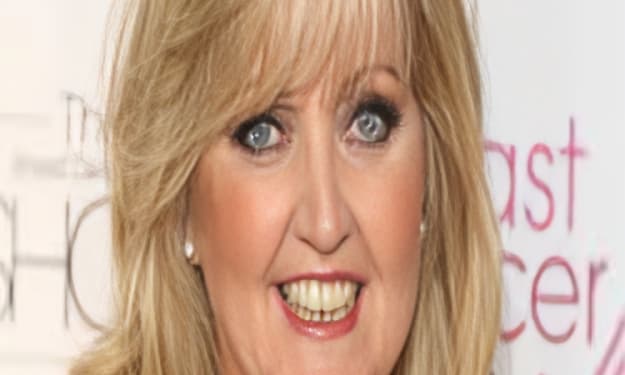
Linda Nolan
Linda Nolan is a famous Irish singer, entertainer, and member of the popular music group, The Nolans. She is known not only for her musical talents but also for her strength and courage in facing life’s toughest challenges. Over the years, Linda has inspired many with her determination and positive attitude, especially during difficult times. Let’s take a closer look at her life and journey.
By Farhan Sayed2 years ago in Humans
Getting Free from Toxic Relationships: How to Take Back Your Life
Getting Free from Toxic Relationships: How to Take Back Your Life Being aware of whether or not you're in a toxic relationship is the first step towards freedom. A toxic relationship saps your energy and lowers your self-esteem. Knowing the warning signs and learning why you must leave can free you. How to Recognize the Signs of a Toxic Relationship The Not-So-Very Subtle and Overt Signs of Toxicity Toxic relationships often creep up on people. Some common early signs are: •Criticism all the time •Jealousy or possessiveness •Emotional manipulation •Isolation from friends and family These behaviors become more apparent and destructive over time. You need to recognize these patterns for your own good. The Emotional and Physical Consequences of Toxic Relationships Toxic relationships can cause: •Anxiety and depression •Low self-esteem •Physical health problems •Sleep disorders These effects can last long after you get out, so it is essential to get out sooner rather than later. Why Getting Out is Important for Your Well-being Staying in a toxic environment can hinder your personal growth. Leaving allows you to focus on healing and rebuilding your confidence. Identifying Your Toxic Relationship Defining Different Types of Toxic Relationships Toxic relationships come in various forms: Abusive: Physical or emotional harm inflicted intentionally. Manipulative: A partner who twists situations to control you. Controlling: One partner makes all decisions, leaving you feeling powerless. Identifying the type helps you understand your situation better. Recognize Your Role in the Relationship Dynamics Reflect on your behavior too. You might be unknowingly enabling toxicity through: •Making excuses for your partner •Ignoring red flags •Accepting unhealthy behavior as normal Awareness is what breaks the cycle. Identify Common Patterns and Cycles of Abuse Familiarize yourself with the cycle of abuse: •Tension builds •Incident occurs •Reconciliation •Calm phase Knowing this pattern can help you get out of it. Plan Your Escape Assess Your Personal Safety and Security Before acting, assess your situation. Consider: •Your immediate safety •Financial resources •Living arrangements Having a plan can decrease risks. Building a Support Network Contact trusted friends and family. Establish a support network that offers: •Emotional support •Encouragement •Help with practical matters Therapists can also be helpful. Creating a Detailed Escape Plan with Actionable Steps •Document abusive behavior. •Save money secretly. •Find safe places to go. •Obtain important documents (ID, bank info). Having a plan in place raises your odds of a successful escape. Seeking External Help and Support Importance of Professional Help Going to professionals, such as therapists or counselors, can be life-altering. They offer: •Objective insight •Coping strategies •Emotional support •Resources for Victims of Domestic Violence and Abuse Many organizations provide critical support: •Hotlines for immediate help •Shelters for safe refuge •Counseling centers Do not hesitate to access these resources. Legal and Protective Measures Know your rights. If you are experiencing abusive behavior, options such as restraining orders may be available. Consult with a lawyer to understand your options. Rebuilding Your Life After a Toxic Relationship The Healing Process: Stages of Grief and Recovery Leaving a toxic relationship can be a healing process. You may go through the following: •Denial •Anger •Bargaining •Depression •Acceptance Each stage is part of the healing process. Healthy Boundaries in Future Relationships After the relationship, focus on setting boundaries. This is important in that you need to: •Communicate your needs •Avoid repeating past mistakes •Be clear about what is acceptable Healthy boundaries foster healthier connections. Self-Care Practices for Emotional and Physical Well-Being Invest in yourself through self-care. Some practices include: •Regular exercise •Mindfulness and meditation •Pursuing hobbies Taking care of yourself is essential for recovery. Moving Forward: Creating a Healthy Future Strategies for Preventing Future Toxic Relationships Learn from your past. Strategies to avoid future toxicity include: •Trusting your instincts •Taking things slowly in new relationships •Being aware of red flags Stay vigilant and proactive. Cultivate Self-Love and Self-Respect Work on your self-esteem. Do: •Positive affirmations •Do things you enjoy •Surround yourself with positive people Self-love is the base of healthy relationships. Building Positive and Supportive Relationships Find partners who appreciate you for who you are. Healthy relationships are characterized by: •Mutual respect •Open communication •Shared values Connect with people who make you feel good about yourself. Conclusion: Your Journey to a Healthier, Happier You Escaping a toxic relationship is such a big step to take back your life. Remember, you deserve kindness and respect. Take strength from this journey and take in the road ahead. Remember these key takeaways: •Recognise the signs of toxicity •Build a network of support •Prioritize well-being Take the better future ahead of you. Don't be afraid to tap into the resources available to you. You are not alone on this journey.
By Bella berren2 years ago in Humans
Modern Love: Changing Roles of Men and Women in the Relationship Today
Modern Love: Changing Roles of Men and Women in the Relationship Today According to a recent survey, more than 70% of adults have noticed extreme changes in attitude toward gender roles in relationships. This is largely a result of several decades of changed expectations in love relationships. Traditionally, men are the providers and women are the caregivers. However, the roles that have been traditionally performed by both men and women are dramatically changing in many relationship settings today. The article shows how the construction of modern love, which brings a shift in the power distribution regarding gender roles, changes relationship dynamics. Shifting Sands of Traditional Gender Roles Historical Context of Gender Roles Societies have been bound by the rigid expectations of men and women for so long. It often separated cultures into divisions of men, which were supposed to provide for the family, and women, who had to care for the home and children. A division was so incredibly deeply ingrained in economic and social structures that separated the two and defined behavior and responsibilities. Victorian Era: Women usually went about with domestic roles. Post-WWII: Men returned to work and women were pushed back into the home. These roles stunted individual potential and happiness, but the late 20th century marked a shift in societal norms. Societal Changes and Impact Feminism and LGBTQ+ rights movements have greatly helped redefine gender roles. As men and women increasingly demand equality, the lines between the two genders continue to blur. In , 2020 around 62 percent of families in the U.S. were dual-income households. Most relationships nowadays focus more on shared responsibilities than traditional roles. This not only enhances the quality of partnership but also contributes to individual growth. Modern Love: Shared Responsibilities and Decision-Making The Emergence of Egalitarian Relationships This means sharing of power and responsibilities between partners. Most modern couples are now forming equal partnerships instead of old-fashioned relations. Example: In most homes, currently, most chores are divided according to individual preference and ability rather than gender. Most married couples have a greater level of satisfaction and cooperation in marriage because they adopt this perspective about equality. Challenges of Achieving Equality Even now, so much remains to be done. Ingrained biases and social norms eat away at relationships and often thwart couples' harmonious relationships. Facts: Women presently take home approximately 82 cents for every dollar men make, which definitely impacts the financial leverage in relationships and the bargaining power that can be held. These are some of the challenges couples have to face, and knowledge of them helps couples to move around effectively in their roles. Communication and Emotional Intelligence: The Defining Axes of Modern Relationships Open Communication and Vulnerability Any relation requires open communication. Couples should communicate their expectations and needs as clearly as possible. Real Life Example: A couple discussing work life balance avoid misunderstandings and resentment. Further bonding is brought about by sharing vulnerability. Emotional Intelligence and Empathy Emotional intelligence basically means the dimension that embodies comprehension of feelings about oneself and your partner. Developing high EQ brings better conflict resolution capabilities and stronger bonding through emotions. Expert Quotes: "The key to a good relationship is to understand your own emotions and of the partner." Developing emotional intelligence might change the relationship dynamics between a couple. Rewriting Intimacy and Affection Beyond Lovey-Dovey Gestures Intimacy in relationships does not have set norms. Today's couples are reinventing love with many expressions. Examples: This can be in the form of a man showing vulnerability or a woman taking charge of romantic expressions. Unique expressions of affection help couples connect at deeper levels. Managing Different Needs and Expectations Every partner brings different needs and expectations to a relationship. These can be used to deliver the affection both partners need. Actionable Tips: Make time to talk about each other's love languages. Be open to trying new ways of expressing care. Discussing these needs can lead to more emotional satisfaction. Technology and Social Media Online Dating and Relationship Interactions Online dating has revolutionized the way people meet and interact. Online sites that cater to different needs and preferences have drastically changed gender roles in dating. Statistics: Today, 40% of the couples meet online. This has opened up much more diverse relationships. This helps more people get partners who share their values. Social Media Influence and its Consequences Social media gives people an idea of what a perfect relationship is like. However, it can lead to unrealistic expectations. Couples start comparing their lives with pictures that are never real. This can be combated by couples by focusing on their unique bond rather than external standards. Authenticity over perfection is encouraged. Conclusion The landscape of relationships today reflects the significant changes in gender roles. As partnerships move toward shared responsibilities and open communication, couples must adapt to these new norms. Key takeaways include the necessity of empathy, shared duties, and honest conversation. Such a change in society only enhances fulfillment and pleasure of life, whether individually or with others. Will you take that one step toward redefining love in your life?
By Bella berren2 years ago in Humans
The Impact of Social Media on Mental Health: How It Affects Your Mind and What You Can Do About It. AI-Generated.
Introduction : What Is Spectatoring? Think of being with your partner but not really being there; you're in your head, dissecting every move, concerned about how you look or whether you're doing things the right way. This kind of mental distraction is known as "spectatoring," a term developed by sex researchers Masters and Johnson. Spectating takes you out of the moment, and intimacy becomes something to be performed rather than enjoyed. In this article, we’ll delve into what spectatoring is, why it occurs, how it affects intimacy, and what you can do to overcome it so you can feel more connected to your partner.
By Aakanksha Ramawat2 years ago in Humans
Divorced Boyfriend Afraid of Marriage: Understanding His Fears and Building a Future
Marriage is a huge responsibility that can be hard to keep, especially for people who have been through the pain of divorce. Understanding your boyfriend's fears and finding ways to address them is important for a happy and successful relationship with a divorced boyfriend who doesn't want to get married again.
By Relationship Guide2 years ago in Humans
The Need for Safeguarding Free Press Rights- Through The Lens Of a Brave Voice That Got Silenced
Mukesh Chandrakar was born in Basaguda, Chhattisgarh, and spent his formative years navigating the challenges of the local state-Maoist conflict. Growing up in such a tumultuous environment must have shaped his perspective and experiences in profound ways. Following the Salwa Judum violence, his family was relocated to a government shelter. A close friend claims that to support himself, Mukesh worked at a variety of jobs, such as selling mahua liquor and fixing bikes. Mukesh was a freelance journalist who worked with local media outlets and reported from the ground for well-known organizations like NDTV, News18, and Sahara before starting his YouTube channel Bastar Junction.
By Hridya Sharma2 years ago in Humans