advice
Dating, married, single, divorced, and more. Advice on the relationships you have in life. Dear, Humans..
Top Business Ideas to Start Today
In today's rapidly evolving economic landscape, starting a business has never been more accessible. With digital tools, remote opportunities, and a global marketplace at your fingertips, you can launch a profitable venture with relatively low risk and high flexibility. Whether you're a stay-at-home parent, a college student, or someone simply tired of the 9-to-5 grind, now is a great time to explore new opportunities. Here are some of the top business ideas you can start today—with little to no upfront investment and the potential for long-term success.
By Noor Hussainabout a year ago in Humans
The Fake You Will Destroy the Real You
People are now increasingly shaped by social media, curated identities, and performance-based validation, the temptation to wear a “fake personality” has become more pervasive than ever. People tailor their behaviors, speech, and even values to fit in, gain approval, or climb social and professional ladders. While this may offer short-term rewards—such as acceptance, attention, or influence—the long-term consequences of faking one's personality are subtle, insidious, and deeply damaging.
By Fred Bradfordabout a year ago in Humans
Can Two Narcissists Make a Relationship Work? Exploring the Chaos and Chemistry
Can Two Narcissists Be in a Relationship? A Look Inside the Ego-Fueled Love Story Have you ever seen a handful that appears like a steady tornado of snow, but they're strangely stuck together like magnets wrapped in sparkle and thorned wire? That might fairly be what it looks like when two narcissists fall in love—or at least drop into something they think is love.
By Milan Milicabout a year ago in Humans
A Walk a Day
The day I decided to walk 10,000 steps started like any other—gray, heavy, and suffocating. I was 32, trapped in a fog of depression that had clung to me since my divorce two years prior. The weight gain—30 pounds of comfort food and inactivity—only deepened my shame. I avoided mirrors, canceled plans, and let my apartment become a cave of unwashed dishes and unopened mail. But that morning, something snapped. A friend, Jen, texted, “Just step outside.” It was a simple nudge, but it ignited a spark. What began as a reluctant shuffle around the block turned into a lifeline, reshaping my body, mind, and soul over the next year. Depression had hollowed me out. After the divorce, I lost my rhythm—work dragged, sleep eluded me, and joy felt like a memory. Studies later showed me why: depression often disrupts serotonin and dopamine, the brain’s feel-good chemicals. I tried therapy, antidepressants, but the haze lingered. My weight compounded it. Fast food—pizza, burgers, ice cream—became my solace, and my sedentary life at a desk job sealed the deal. By the time I hit 200 pounds, my clothes didn’t fit, and my self-worth crumbled. I’d stare at the ceiling at night, wondering if I’d ever feel alive again. Jen’s text was my first step—literally. I laced up old sneakers, ignored the ache in my knees, and stepped outside. The air hit me like a shock, crisp and unfamiliar. I managed 500 steps that day, a pitiful loop around my neighborhood, panting and sweating. My legs protested, my mind screamed to quit, but I kept going. The next day, I hit 1,000. Each walk was a battle—against lethargy, against the voice telling me I wasn’t enough. But slowly, the routine took hold. I aimed for 10,000 steps, a goal backed by research showing it boosts mood and burns about 300-400 calories daily, depending on pace. The first month was grueling. My body ached—muscles unused to movement rebelled. I’d trudge past dog walkers and joggers, feeling like an outsider. But the outdoors began to work its magic. Sunlight, even on cloudy days, nudged my melatonin and serotonin levels, easing the gloom. I noticed birds, the rustle of leaves, the way the light changed. One evening, I cried on a park bench—not from sadness, but from a flicker of hope. Exercise, studies say, increases brain-derived neurotrophic factor (BDNF), which helps repair and grow neurons. My brain was waking up. Weight loss came slowly. By week six, I’d shed 3 pounds, a modest victory. I swapped soda for water, added fruits to my diet, inspired by the energy walks gave me. The scale ticked down—5 pounds, then 10. My clothes loosened, and I dared to buy a pair of jeans that fit. Exercise physiologists note that 10,000 steps daily, paired with better eating, can lead to sustainable weight loss. I wasn’t starving myself; I was moving, and my body responded. The depression lifted in tandem. Mornings felt less oppressive, and I started sketching again—a hobby I’d abandoned. Socially, I was a ghost before. Friends invited me out, but I’d decline, too ashamed of my weight and mood. Walks changed that. I joined a local walking group, hesitant at first. The group— retirees, young moms, a quirky guy named Mike—welcomed me. We’d chat about everything: weather, life, silly jokes. Laughter became part of my routine. Social connection, research shows, reduces cortisol, the stress hormone that fuels depression. Mike became a friend, and we’d grab coffee after walks, talking about his kids or my art. I was reconnecting, step by step. The mental shift was profound. By month three, I’d walk rain or shine, earbuds playing podcasts or silence letting my thoughts breathe. One day, I stopped mid-step, overwhelmed by a memory of my ex’s laugh. Grief hit, but instead of spiraling, I kept walking. The rhythm steadied me. Therapy had taught me to process emotions, but movement made it tangible. I started journaling after walks, scribbling gratitude—sunsets, a kind nod from a stranger, the strength in my legs. Psychologists call this “behavioral activation,” using action to break depression’s cycle. It worked. Physically, the changes amazed me. My knees stopped creaking, my posture improved, and I could climb stairs without gasping. I added hills to my routes, building endurance. By month six, I’d lost 20 pounds, my face leaner, my energy surging. I joined a gym for strength training, but walks remained my anchor. The American Heart Association touts 10,000 steps for cardiovascular health, and my resting heart rate dropped from 80 to 65 beats per minute. I felt strong, not just thin. The lowest point came at month eight. A work setback— a missed promotion—triggered a depressive slump. I skipped walks, binged on chips, and gained 5 pounds back. The fog returned, thick and familiar. But Jen called, dragging me out. “One step,” she said. We walked in silence, then talked. I cried, admitting my fears. That walk broke the cycle. I recommitted, upping my steps to 12,000 some days, using the extra effort to burn off frustration. The weight crept back down, and my resilience grew. By year’s end, I was a different person. I’d lost 28 pounds, stabilizing at 172, a weight that felt right. My depression wasn’t gone—some days were still hard—but it was manageable. I painted again, selling a piece at a local market. Lisa, my walking group friend, became my girlfriend, her steady presence a gift. We’d walk together, holding hands, planning hikes. My apartment transformed—plants, art, light pouring in. The 10,000-step goal became a mindset, not a chore. One spring morning, I hit 15,000 steps, exploring a new trail. The air smelled of blossoms, and I felt a surge of gratitude. This wasn’t just about weight or mood; it was about reclaiming myself. Research backs it: regular walking improves sleep, reduces anxiety, and boosts self-esteem. I’d lived it. My doctor marveled at my blood pressure drop and cholesterol levels, crediting my lifestyle shift. Reflecting on that first reluctant step, I see a lesson in persistence. Depression and weight gain had buried me, but walking unearthed me. It wasn’t a cure-all—therapy, diet, and support played roles—but it was the foundation. If you’re struggling, start small. Step outside. Invite a friend. The path won’t be linear—there’ll be setbacks—but each step builds something. For me, 10,000 steps a day turned despair into a life worth living.
By Muhammad Ahmar about a year ago in Humans
From Pills to Plants: Healing Chronic Pain Naturally
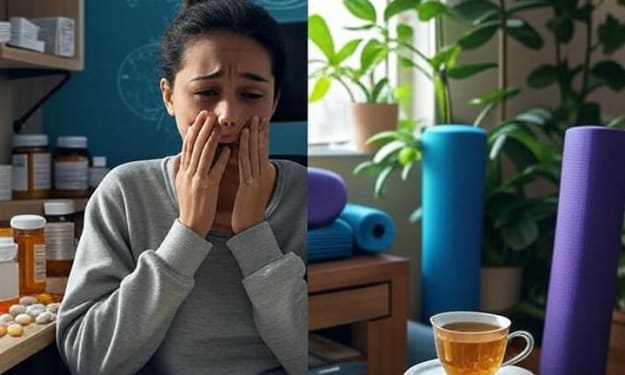
The first time I popped a painkiller for my chronic back pain, it felt like a miracle. It was a Tuesday afternoon, and a sharp ache had settled into my lower spine after years of sitting at a desk. The pill dulled the edge, letting me breathe again. That relief became my crutch for months, then years. By the time I hit a decade of dependency—swallowing ibuprofen or prescription opioids daily—I was trapped. My body ached despite the pills, my stomach churned from the side effects, and my mind felt foggy. But a shift to natural remedies, born from desperation and curiosity, changed everything. This is the story of how I moved from pills to plants, and what it taught me about healing. It started with a car accident in my late 20s. A rear-end collision left me with a herniated disc, and the pain became my shadow. Doctors prescribed opioids initially, then shifted to high-dose ibuprofen when the stronger stuff raised red flags. I took it without question, grateful for the reprieve. But by year five, the relief waned. The pain crept back faster, and new issues emerged—heartburn, ulcers, even a scare with kidney function. Research later confirmed my fears: long-term NSAID use can damage the gastrointestinal tract and kidneys. I was 35, and my body was screaming for a different path. Mentally, the toll was heavy. The constant pain wore me down, and the pills dulled my emotions along with it. I’d snap at my wife, Lisa, over trivial things, my patience shredded. Friends drifted as I canceled plans, too exhausted to socialize. Studies show chronic pain affects mood, often triggering depression or anxiety. I felt both, a gray haze settling over my days. One night, after doubling my dose to chase the pain away, I stared at the bottle and wondered if this was my life now—chained to a pharmacy. The turning point came on a rainy Saturday. Lisa suggested a yoga class, half-joking. I laughed it off—me, bending with a bad back?—but her persistence wore me down. The class was gentle, focusing on stretches and breathing. It hurt at first, but something shifted. My muscles loosened, and the pain eased slightly. That night, I slept better than I had in years. It sparked a question: could nature hold answers where pills failed? I dove into research, discovering that movement therapies like yoga reduce pain by improving flexibility and releasing endorphins, the body’s natural painkillers. I started small. Morning stretches became a ritual, guided by online videos. I swapped ibuprofen for turmeric tea, intrigued by studies showing curcumin, its active compound, has anti-inflammatory properties similar to NSAIDs but gentler on the stomach. The first week was rough—pain flared as my body adjusted—but by month two, I noticed a difference. My inflammation markers, checked at a follow-up, were lower. Encouraged, I added other plants. Ginger for its warming relief, boswellia for its anti-inflammatory effects, and CBD oil, which research suggests can modulate pain signals. Each step felt like reclaiming a piece of myself. Diet was next. Painkillers had masked my eating habits—fast food and sugar fueled my fog—but chronic pain thrives on inflammation. I cut processed foods, embracing a Mediterranean-style diet with leafy greens, fatty fish, and nuts. Omega-3s in fish like salmon, studies show, reduce inflammatory cytokines. Within three months, my joints felt less stiff, and my energy crept back. I started cooking with Lisa, turning meals into a shared adventure. The kitchen became our sanctuary, replacing the pharmacy counter. Exercise grew bolder. I joined a water aerobics class, the buoyancy easing the strain on my spine. Physical therapists note that low-impact exercise strengthens muscles without aggravating injuries. I swam laps, my back pain ebbing with each stroke. By month six, I’d dropped 15 pounds, the extra weight that worsened my condition. The mental lift was just as profound. I laughed more, reconnected with friends, and felt a clarity the pills had stolen. The hardest part was weaning off medication. Doctors warned of rebound pain, and they were right. My first week without ibuprofen brought a flare-up that had me doubting. But I leaned on heat therapy—warm baths with Epsom salts, rich in magnesium, which relaxes muscles—and acupuncture, which studies suggest boosts blood flow and pain relief. Each session was a battle, but the victories piled up. By year one, I was pill-free, relying on a toolkit of natural remedies. Relationships healed alongside my body. Lisa and I had strained under my irritability, but as the pain eased, so did our tension. We took walks, hand in hand, talking about dreams we’d shelved. Friends welcomed me back, and I joined a local hiking group. The social connection, research shows, reduces pain perception by lowering stress hormones like cortisol. I felt human again, not just a patient. The lowest moment came around month nine. A flare-up hit after overdoing a hike, and I nearly reached for the old bottle. Instead, I rested, applied arnica gel—a plant-based remedy for bruising and swelling—and meditated. The pain subsided slower than a pill would’ve, but it did subside. That patience became my strength. I learned chronic pain isn’t a quick fix; it’s a journey of listening to my body. By year two, the transformation was undeniable. My back still aches on bad days, but it’s manageable. My skin glows, my digestion’s steady, and my mind is clear. I’ve integrated a routine: morning yoga, a plant-rich diet, weekly swims, and herbal supports like ashwagandha for stress. Studies back this holistic approach—combining movement, diet, and natural compounds often outperforms single treatments for chronic pain. Reflecting on a decade from pills to plants, I see a lesson in resilience. Painkillers offered a shortcut, but they masked the root. Nature demanded effort, but it restored me holistically—body, mind, and spirit. I’m not a doctor, but my story aligns with emerging research: chronic pain can be managed naturally with commitment. If you’re stuck in a pill cycle, start small—try a stretch, a turmeric shot, a walk. Talk to your loved ones; let them in. Healing isn’t instant, but it’s possible. My journey proves it.
By Muhammad Ahmar about a year ago in Humans
Sleep Deprived: What 100 Nights Without 8 Hours Taught Me
The first night I didn’t get eight hours of sleep, I barely noticed. It was a Tuesday, and work had bled into the early hours. Deadlines loomed, emails pinged, and my coffee machine became my best friend. I managed five hours of sleep, maybe less. I told myself I’d catch up tomorrow. Tomorrow became next week, then next month. By the time I hit 100 nights of less than eight hours—often scraping by on four or five—I was a different person. My body, mind, and relationships bore the scars of chronic sleep deprivation, but the journey also taught me how to claw my way back. It started innocently enough. A project at work demanded late nights, and I prided myself on being the guy who could “handle it.” I’d power through with energy drinks, blasting music to stay awake, convincing myself that sleep was a luxury I could defer. The science, though, tells a different story. Sleep researchers like Dr. Matthew Walker, author of Why We Sleep, explain that humans need 7-9 hours of sleep nightly to function optimally. Skimp on that, and you’re borrowing from your health’s savings account—with interest. My account was overdrawn by night 30. Physically, the toll was undeniable. By week three, my skin looked like it belonged to someone a decade older. Dark circles framed my eyes, and my complexion turned sallow. Sleep deprivation disrupts skin repair, as the body prioritizes essential functions over cosmetic ones. My immune system took a hit, too. I caught a cold that lingered for weeks, and every minor scratch seemed to heal at a glacial pace. Studies show that sleep loss reduces natural killer cell activity, weakening your body’s ability to fight infections. I was living proof, sniffling through meetings and popping vitamin C like candy. My diet didn’t help. Sleep regulates hunger hormones like ghrelin and leptin. Less sleep meant I was ravenous, craving carbs and sugar to fuel my foggy brain. I’d demolish a bag of chips or a late-night burger, only to feel worse. By night 50, I’d gained 10 pounds, my clothes fitting tighter, my energy sapped. Exercise? Forget it. My gym visits dwindled because I was too exhausted to lift weights or run. The irony is that exercise improves sleep quality, but I was too deep in the cycle to see it. Mentally, the changes were scarier. By night 60, my brain felt like it was wading through molasses. I’d forget names, misplace keys, and stare blankly at spreadsheets, unable to focus. Sleep is critical for memory consolidation and cognitive function. The prefrontal cortex, responsible for decision-making and impulse control, takes a beating without it. I snapped at colleagues over minor issues, my patience eroded. Once, I yelled at a coworker for misplacing a file I’d lost myself. The guilt hit hard, but my brain was too fried to process it properly. My relationships suffered most. My partner, Sarah, noticed the shift early. “You’re not you,” she said one evening, her voice soft but firm. I was irritable, distant, and quick to argue. Sleep deprivation amplifies negative emotions, making small disagreements feel like betrayals. One study from the University of California found that sleep-deprived couples have more frequent and intense conflicts. We were no exception. By night 80, our conversations were clipped, and I’d retreat to my phone or work to avoid confrontation. Friends noticed, too. I stopped showing up to game nights or returning texts. I was isolating myself, too tired to connect. The lowest point came on night 92. I was driving home after another late shift, my eyes heavy, the road blurring. I swerved to avoid a car I hadn’t seen until the last second. My heart pounded as I pulled over, realizing I could’ve caused an accident. The National Highway Traffic Safety Administration estimates that drowsy driving causes thousands of crashes annually. I was lucky, but it was a wake-up call. I couldn’t keep living like this. That night, I started researching sleep recovery. The science was clear: chronic sleep deprivation isn’t just a bad habit—it’s a health crisis. But recovery was possible with deliberate effort. I committed to a plan, drawing from expert advice and my own desperation to feel human again. Step one was prioritizing sleep hygiene. I set a consistent bedtime—10:30 PM—and stuck to it, even on weekends. The body’s circadian rhythm thrives on regularity, so I avoided late-night screen time, which suppresses melatonin, the sleep hormone. I swapped my phone for a book an hour before bed, dimming lights to signal my brain it was time to wind down. Dr. Walker recommends a cool, dark bedroom (around 65°F), so I invested in blackout curtains and lowered the thermostat. It felt indulgent, but the difference was immediate. Step two was tackling my caffeine addiction. I’d been chugging coffee and energy drinks to stay alert, but caffeine’s half-life can linger for 5-6 hours, disrupting sleep even if you drink it in the afternoon. I cut off caffeine after 2 PM, switching to herbal tea or water. The first few days were brutal—headaches, lethargy—but my sleep deepened without the stimulant interference. Diet and exercise came next. I started eating lighter dinners—think grilled chicken and veggies instead of greasy takeout—to avoid digestive issues that disrupt sleep. I reintroduced exercise, starting with 20-minute walks after work. Physical activity boosts adenosine, a chemical that promotes sleepiness. By night 100, I was jogging again, my energy slowly returning. The weight gain didn’t vanish overnight, but I felt stronger, less bloated. The hardest part was repairing relationships. I sat down with Sarah and apologized. I explained what I’d learned about sleep deprivation’s impact on mood and promised to prioritize us. We started small rituals, like evening walks or cooking together, to reconnect. It wasn’t perfect, but it was a start. I reached out to friends, too, owning up to my absence. Most were understanding, and game nights resumed, laughter replacing the silence. Cognitively, recovery took time. I used techniques like the “sleep pressure” method—staying awake during the day to build a stronger drive to sleep at night. Naps were tempting, but long naps can fragment nighttime sleep, so I limited them to 20 minutes if needed. I also tried mindfulness meditation, which studies show can reduce insomnia by calming an overactive mind. Ten minutes before bed, focusing on my breath, helped quiet the racing thoughts that had kept me up. By night 100, I wasn’t fully “fixed,” but I was better. My skin looked less like a zombie’s, and my colds were less frequent. I’d lost a few pounds, my focus was sharper, and I didn’t snap at people as often. Sarah and I were talking again, really talking, and I felt a spark of the old me returning. The science backed my progress: even partial sleep recovery can reverse some damage, though full restoration takes months for chronic cases like mine. Looking back, those 100 nights taught me sleep isn’t a luxury—it’s a necessity. The body can endure short-term sleep loss, but chronic deprivation is like running a car on fumes. It affects everything: your health, your mind, your connections. Recovery isn’t instant, but it’s worth the effort. I still have late nights occasionally, but I guard my sleep fiercely now. Eight hours isn’t always possible, but it’s the goal. And when I slip, I remember night 92, the swerve, the fear—and I choose differently. If you’re reading this and you’re sleep-deprived, don’t wait for a wake-up call like mine. Start small: set a bedtime, ditch the late-night coffee, move your body. Talk to the people you love before the distance grows. The science is clear, but the lesson is personal: sleep is the foundation of who you are. Don’t let it crumble.
By Muhammad Ahmar about a year ago in Humans
19 Psychological Flirting Techniques That Actually Work (Backed by Science!)
19 Proven Psychological Flirting Techniques That Work Like Magic Let’s be real — flirting can feel like walking a tightrope over a pool of awkward silences. You want to come off confident, not creepy. Interested, but not obsessed. Casual, yet unforgettable. It’s a tricky game. But guess what? Science has your back.
By Milan Milicabout a year ago in Humans
How to Find a Job in Belgium as a Foreigner: A Practical Guide
Belgium is not just about chocolate, beer, or medieval towns — it’s also a solid job market for foreigners who are willing to adapt, learn, and meet the legal requirements. If you’re from outside the EU and thinking about working in Belgium, you’ll need more than just motivation. Here’s a full guide to help you understand the local job scene, permit types, and what it really takes to succeed.
By Ретро Манияabout a year ago in Humans
10 Superfoods That Naturally Boost Weight Loss Without Starving Yourself
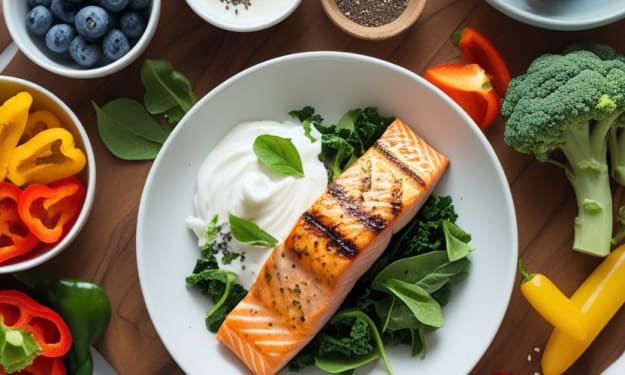
In the quest for sustainable weight loss, there’s no need to rely on extreme diets or expensive supplements. The real secret lies in your kitchen: whole, nutrient-dense foods that fuel your body, keep you full, and support fat loss naturally. These 10 superfoods are not only scientifically backed but also easy to incorporate into your daily routine—making weight loss less about restriction and more about nourishment.
By Habibullah khan about a year ago in Humans