advice
Dating, married, single, divorced, and more. Advice on the relationships you have in life. Dear, Humans..
Goodbyes Hurt, But Staying Stuck Hurts More
We’ve all been there, holding on to something or someone that feels too precious to let go. It could be a person we loved deeply, a friendship we thought would last forever, a dream we’ve worked toward for years, or even a version of ourselves we can’t seem to leave behind. And when it’s time to let go, it hurts. But the truth is, not everything is meant to stay with us forever and letting go doesn’t mean we’ve failed. It simply means that life has a new chapter waiting for us, one that we haven’t discovered yet.
By Felicia Yoanabout a year ago in Humans
Hearts Above the Clouds
The village of Kalrith sat nestled high in the misty arms of the Elenra Mountains, so high that the clouds often passed beneath it like rivers of smoke. Few travelers ventured that far up the winding paths, and those who did were often drawn not by maps, but by stories. They spoke of a place where the air smelled of pine and cinnamon bread, where laughter echoed louder than the wind, and where dreams—quiet ones, wild ones—seemed to grow stronger in the thin mountain air. And at the heart of Kalrith stood a house unlike any other: The Hearthstead Inn. It wasn’t the largest building in the village, nor the grandest, but it pulsed with life. Built of sun-warmed stone and timber smoothed by years of care, its roof was always dusted with a little snow, even in summer. Smoke curled gently from its chimney, and lights glowed warmly through thick glass windows, inviting wanderers and weary hearts alike. It was run by Mira Thorne, a woman of silver-streaked curls and hands always dusted with flour. She had once been a traveler herself, chasing stories across oceans and deserts, but Kalrith had whispered something to her soul. She came to rest there one winter and never left. And the inn had become more than shelter. It was a place where broken hearts learned to beat again. Each room at Hearthstead had its own personality—Room Seven always smelled faintly of lilac, even when no flowers were around. Room Two had creaky floorboards that made just the right kind of music at night, and Room Five had a slanted window perfect for watching shooting stars. Mira didn’t assign rooms. The house did. And it always seemed to get it right. One storm-heavy evening, a boy named Lio arrived, soaked to the bone, a guitar strapped to his back and fear flickering in his eyes. He had walked for days, escaping the city below where noise drowned dreams and expectations built cages. Mira, without a word, wrapped him in a blanket, handed him a cup of honeyed tea, and smiled. The kind of smile that said: You’re safe now. Breathe. Lio stayed longer than he intended. So did most. He fixed up the old piano in the sitting room, played gentle tunes in the evening, and discovered that music didn’t have to be loud to be powerful. It could be like firelight—warm, comforting, steady. Then there was Lena, who came the next spring. She was a mountain guide by trade, but her compass had been spinning wild since her brother disappeared on an avalanche trek. She had no intention of resting, only asking questions. But the house had a way of softening sharp grief. Mira never pushed, just made room in the kitchen, and soon Lena found peace kneading bread dough and telling stories to the village children. Over the years, more came. A painter who’d lost color in her world and found it again in the sunrise over the eastern ridge. A widower who planted flowers in the frozen soil and watched them bloom like hope. A girl with tangled hair and a stutter who read aloud to the fire until her voice grew clear and strong. Mira’s Hearthstead didn’t promise answers. It didn’t fix every hurt. But it gave space—for hearts to mend, for lungs to breathe, for dreams to stretch taller than the mountains themselves. One morning, long after she’d come to call the inn home, Mira stepped onto the porch and watched the valley below. The clouds moved like tides beneath her feet, golden in the sunrise. She thought of the people who had passed through, of how they’d arrived with heavy hearts and left with lighter steps. She closed her eyes and listened. Somewhere inside, someone was laughing. A kettle whistled. The piano sang. The world below could be loud and sharp. But here, above the clouds, it was gentle. Kind. Real in a way that mattered. Hearthstead wasn’t magic, not exactly. It was something simpler. A warm meal. An open door. A quiet space to dream. And that, Mira had come to believe, was the kind of magic that changed lives. --- In the house where the wind sang lullabies, where tea cups clinked like little heartbeats, and where every soul was welcomed without question, dreams didn’t just survive. They soared. --- Hearts Above the Clouds was more than a name. It was a promise. And every morning, as the sun touched the snowcaps and warmed the stones of the Hearthstead, that promise rose again—higher than the clouds.
By Muhammad Saad about a year ago in Humans
A Rainy Day That Became My Favorite Memory
The Day the Rain Came I’ve always loved the sound of rain. The soft tapping on windows, the rhythm of drops hitting the pavement, the way the world slows down just a little. But there was one rainy day that went from ordinary to unforgettable — a memory I still hold close to my heart.
By Habib kingabout a year ago in Humans
Campfire Chronicles: Discover the Joy of the Great Outdoors
Campfire Chronicles: Discover the Joy of the Great Outdoors Your Ultimate Guide to Fun, Safety, and Adventure in Nature The fire crackled, casting a golden glow on the circle of friends huddled around it. The air was rich with the scent of pine, smoke, and marshmallows slowly melting on sticks. For thirteen-year-old Mia, it was the first real camping trip of her life—and already it felt like magic. She had been skeptical when her parents suggested a weekend in the woods. No phone, no Wi-Fi, and no hot showers? It sounded more like punishment than fun. But her older brother, Jake, had been eager. “You’ll see,” he’d said with a smirk. “The outdoors has a way of growing on you.” Now, with the Milky Way stretching above and the forest humming with night sounds, Mia was beginning to understand. The day had started early. They arrived at Bear Creek National Park just after sunrise, the car stuffed with tents, gear, and a cooler full of supplies. Jake, self-proclaimed "wilderness expert" thanks to a single year of Scouts, took charge. He showed Mia how to pitch a tent properly—staking down the corners, checking for rocks, and positioning it slightly uphill in case of rain. “Rule one,” he said, tapping his finger like a professor. “Never camp in a dip. Rainwater loves dips.” Mia rolled her eyes, but secretly she was impressed. The tent stood solid and neat—nothing like the sagging mess she had imagined. Next came the fire. Their parents supervised as Jake taught Mia how to build one using tinder, kindling, and larger logs. He showed her how to arrange the wood in a teepee shape and strike a match with confidence. “Safety first,” their dad reminded. “Always clear the area around your fire and keep a bucket of water nearby.” The flames roared to life, and Mia’s face lit up with it. After setting up camp, they went hiking. The trail led them through tall trees, past bubbling streams and quiet meadows. Birds called from the branches, and once, they spotted a deer watching them from a distance. Mia felt a sense of calm she hadn’t realized she needed—away from screens, away from noise. That night, around the fire, their mom pulled out a worn notebook. “This,” she said, “is the Campfire Chronicles.” Inside were stories from their family’s past trips—funny mishaps, weather disasters, unforgettable sunsets, and close animal encounters. Jake read aloud the tale of when their dad accidentally sat on a porcupine. Everyone laughed, even Dad. “Every trip, we add a new story,” Mom explained. “Tonight, Mia, it’s your turn.” Mia hesitated, the firelight dancing in her eyes. Then she smiled and began to speak. “Today, I learned that being outside doesn’t mean being bored or uncomfortable. It means learning new things—like how to build a fire, how to listen to the wind, and how the stars look way better without city lights. I didn’t know I needed this, but I’m glad I came.” Everyone clapped softly. Her mom wrote it down. Later, snuggled in her sleeping bag, Mia listened to the hoots of owls and the distant rustle of leaves. She felt safe, grounded, and strangely proud. The forest didn’t seem so vast or scary now—it felt like a new friend. Tips from the Campfire Chronicles: Pack smart. Bring layered clothing, plenty of water, and lightweight, nutritious snacks. Don’t forget sunscreen and bug spray. Learn basic survival skills. Fire-building, map reading, and knot-tying can turn a trip from frustrating to fun—and keep you safe. Respect wildlife. Observe from a distance. Never feed animals, and always store food properly to avoid unwanted visitors. Leave no trace. Pick up your trash, stay on trails, and leave nature as you found it. Preserve the outdoors for others. Unplug and connect. Without distractions, you’ll find deeper conversations, better sleep, and clearer thoughts. --- By Sunday, when it was time to leave, Mia wasn’t ready. Her clothes smelled like smoke, her shoes were muddy, and her hair was tangled—but she felt happy. Whole. Free. As they packed up, she found a small pinecone and tucked it into her backpack. A souvenir—not just of the forest, but of what she’d discovered there. On the drive home, she leaned back in her seat and looked out the window at the passing trees. She wasn’t sure when their next trip would be, but one thing was clear: The great outdoors had found a place in her heart. And her story had found its place in the Campfire Chronicles.
By Muhammad Saad about a year ago in Humans
The Race for Quantum Primacy: Who Will Shape the New Era of Computation?
Introduction The global pursuit of quantum primacy—sometimes called quantum supremacy or quantum advantage—signals more than a competitive sprint among big tech companies and leading research institutions. It represents a profound transformation in how humanity can solve previously intractable problems, with the potential to disrupt cryptography, revolutionize pharmaceuticals, optimize global logistics, and even unravel mysteries of the universe itself.
By Reframerootsabout a year ago in Humans
This is What I learned from my Enforced Digital Detox. Top Story - August 2025.
It’s vacation time. A time for family and friends to reconnect and enjoy each other’s company. A time to relax and recuperate. Time to socialize away from incessant phone calls and the internet.
By Elizabeth Woodsabout a year ago in Humans
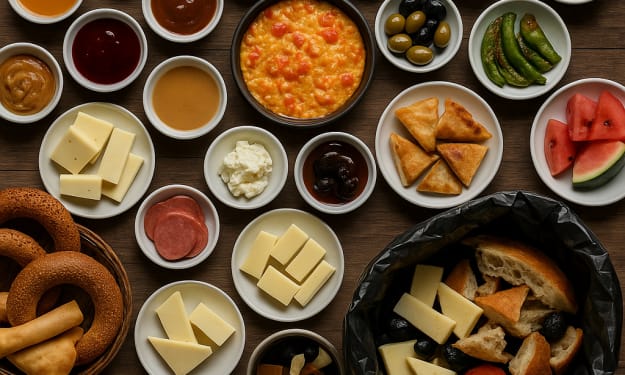
The Endless Breakfast: How Lavish Spreads Are Turning into Mountains of Waste. AI-Generated.
The Story Begins with a Table That Groans It’s a sunny Sunday morning. You and your friends have picked the coziest café in town for a proper serpme kahvaltı — the traditional Turkish breakfast spread. The waiter smiles warmly, takes your tea orders, and promises, “Birazdan sofranız dolar.” And oh, it will.
By Ahmet Kıvanç Demirkıranabout a year ago in Humans
The Joy of Giving: A Gift from the Heart
The Joy of Giving: A Gift from the Heart How One Thoughtful Gesture Created Lasting Happiness Sophie had always believed in the magic of small gestures. She didn’t have a lot of money, but she had something even more valuable—an understanding that the most beautiful gifts often come from thoughtfulness, not price tags. Her best friend, Clara, had been going through a rough time. After losing her job and struggling with anxiety, Clara had slowly withdrawn from their usual chats and coffee meetups. Sophie noticed the change and knew her friend needed something—perhaps not advice, but a reminder that she was cared for. Sophie decided she would surprise Clara with a gift. But not just any gift. She wanted it to be meaningful, something that would speak louder than words and bring a little light back into her friend’s life. She began by thinking deeply about what Clara loved. She remembered Clara once mentioned how she used to keep a “joy journal” during college—a small notebook where she would write one good thing about each day. That memory sparked an idea. Sophie spent the next few days creating a handmade "Happiness Jar." She cleaned out a small glass mason jar and decorated it with soft pastel paper and a ribbon. Inside, she folded 50 tiny notes—each one containing a reason why Clara was loved, a favorite memory they shared, or an inspirational quote. Some slips were simple, like "You give the best hugs," while others shared deeper sentiments, like "The way you helped your neighbor that day showed your true heart." She added a small journal and a pen, wrapped everything in a beautifully crafted box, and tied it with a handwritten tag: “A little light for your rainy days.” On a quiet Saturday morning, Sophie dropped by Clara’s apartment. Clara answered the door in her pajamas, clearly surprised to see her friend. Sophie handed her the box without saying much, just smiling. Clara hesitated, unsure at first, but then slowly opened the lid. Her eyes scanned the contents, and her expression softened. She pulled out a note and read it aloud, voice trembling slightly. “You always know how to make others feel at home.” She looked up at Sophie with glassy eyes. Sophie gave her a gentle hug and whispered, “I just wanted you to remember who you are.” Clara didn’t say much that day, but later that evening, she sent Sophie a message: “I’ve read 10 of the notes already. I cried and laughed. I haven’t felt this seen in a long time. Thank you, truly.” Over the next few weeks, Clara slowly began to brighten. She started going for walks again, journaling, and even applying for jobs. Every time she felt overwhelmed, she’d pick another note from the Happiness Jar and hold on to it like a lifeline. What made this gift so powerful wasn’t the materials or the packaging—it was the time, care, and thought that Sophie had put into it. It reminded Clara that she mattered, not just for what she did, but for who she was. Sophie didn’t know it at the time, but her simple gift had been a turning point. Months later, when Clara landed a new job and had regained her confidence, she shared the story with her new colleagues, even creating her own version of the Happiness Jar to give to a co-worker going through a hard time. The idea spread, quietly and beautifully. It wasn't about the jar anymore—it was about how one thoughtful gesture could echo far beyond its origin. --- Why Thoughtful Gifts Matter Gift-giving isn’t about extravagance. It’s about presence, intention, and empathy. A truly meaningful gift is one that reflects an understanding of the recipient's heart. It says, “I see you. I care.” Whether it’s a handmade item, a letter, a shared experience, or even a small jar filled with love, what matters most is the connection it creates. Sophie’s story reminds us that giving a beautiful gift doesn’t require wealth—just awareness and heart. In a world that often rushes past real emotion, these moments of thoughtful giving can bring warmth that lasts far beyond the unwrapping. So next time someone in your life needs a little lift, pause and ask: What would make their heart feel seen? The answer might just become the most beautiful gift you ever give.
By Muhammad Saad about a year ago in Humans
Fast Metabolism, Faster Fat Loss? Here's What You Need To Know!
“Metabolism” is one of those terms that frequently comes up in discussions of weight loss and healthy living. While it can sometimes be a bit misunderstood, it’s almost always used relative to burning fat. Metabolism is, in the simplest terms, all the chemical processes that your body does to sustain life. This includes, but is not limited to, converting food to energy, breathing, circulation, repairing cells, and so on. What people typically are referring to when they say someone has a “fast metabolism” is that they are “burning calories” quickly which tends to make it easier to remain lean, or to lose weight.
By Mohammed Farhanabout a year ago in Humans