advice
Dating, married, single, divorced, and more. Advice on the relationships you have in life. Dear, Humans..
Why Revenge Saving Is the Real Revolution Right Now . AI-Generated.
It’s 2025, and financial freedom doesn’t look the same anymore. For years, the internet sold us dreams of overnight success—crypto wins, fast trading apps, flashy lifestyles. But something shifted. People got tired of chasing “get rich fast.” They started chasing peace.
By The Davidsabout a year ago in Humans
Leo Woman and Libra Man Compatibility Score. AI-Generated.
When a Leo woman and a Libra man come together, it’s a love story written in golden ink — passionate, elegant, and full of admiration. Both signs are ruled by elements that crave connection: Leo by the Sun, the planet of identity and warmth, and Libra by Venus, the planet of love and beauty. This combination makes their bond not only magnetic but also artistically harmonious.
By Inspire and Funabout a year ago in Humans
What Do You Possess to Dominate? A Study on the Romantic Non-Belonger's Mindset. AI-Generated.
Introduction In a world where power dynamics constantly shift and roles evolve, the question of domination's nature and manifestations in human relationships remains a subject of deep contemplation and debate. Perhaps the relationship between men and women stands out as one of the most revealing arenas for these complex dynamics. While some perceive dominance as a material force measured by physique or position, another form of subtle supremacy emerges – embodied in a being that, at first glance, appears "weak" and "fragile," yet possesses a captivating "nectar" that draws hearts and subjugates minds.
By Mohamed Elbebanyabout a year ago in Humans
The Power of Authentic Living: The Importance of Honesty in a Deceitful World
We are living in a moment where the lines often feel blurred, where noise seems to drown out the clear, steady hum of truth. It can feel exhausting just trying to navigate the constant barrage of information, the half-truths, and the carefully crafted narratives that swirl around us every single day. Yet, at the heart of this complexity lies a simple, profound choice that we, as individuals, have the power to make. That choice is to anchor ourselves in authenticity, to insist on the quiet, unyielding strength of our own integrity. We must understand that the primary burden of deceit is not external; it’s personal. When we choose to live behind a facade, to spin small untruths, or to mask who we truly are, we are not fooling the world half as much as we are eroding our own core. Think for a moment about the sheer, exhausting labor of maintaining a lie. It’s like carrying an extra suitcase everywhere you go—heavy, unnecessary, and constantly demanding attention. You have to remember the versions, protect the narrative, and constantly look over your shoulder, forever calculating how to keep the fragile structure from crumbling. This kind of existence saps our mental and emotional energy, leaving us perpetually fragmented. The most fundamental relationship we will ever have is the one we have with ourselves, and that relationship can only thrive on undiluted honesty. Self-respect, that quiet dignity that allows us to walk tall and steady, is built brick by honest brick. When we prioritize the truth, especially when it’s difficult, we are essentially declaring that our internal peace is more valuable than any fleeting external approval. We are protecting the sanctuary of our own soul. This commitment to truth extends far beyond our private lives. It is the essential, indispensable foundation upon which all meaningful human connection is built. Whether it is within a marriage, a friendship, or a larger community, trust is the currency, and honesty is the mechanism of exchange. When we are truthful with the people we love, we offer them something invaluable: safety. We give them a clear map of who we are, where we stand, and what they can expect from us. This clarity is a gift, allowing others to relax into the relationship, knowing they don’t have to constantly second-guess motivations or intentions. That is how genuine intimacy blooms. We need spaces where we can be fully seen, flaws and all, and that means we must commit to offering the same grace and transparency to others. True partnership, true community, is impossible without this mutual, vulnerable commitment to the unvarnished facts of our shared experience. It is particularly challenging when we look out and see a landscape where duplicity sometimes seems rewarded. We see examples of manipulation and misdirection playing out on large stages, and the temptation might be to conclude that authenticity is naïve, a weakness in a complicated game. But we must reject that notion utterly. When faced with the torrent of external untruth, our integrity becomes less of a luxury and more of a life raft. Our work is to sharpen our internal tools of discernment, to learn to listen past the noise and identify the clear, consistent voices—and facts—that ring true. We cannot control the chaos others choose to create, but we absolutely control how we choose to respond to it. We control what we allow to take root in our own spirit and what we allow to influence our decisions. Standing in your truth, particularly when the tide is rushing the other way, requires a powerful, quiet courage. It requires deciding, every single day, that you will not be complicit in a falsehood, even a small one, simply because it is convenient or popular. This stand is the most empowering act of self-definition there is. Understanding that every single choice matters—this is where the possibility of change truly resides. The choice to be honest is not just a personal resolution; it is a civic act. It’s a quiet revolution that starts at the kitchen table and ripples outward. When enough people decide that integrity is non-negotiable, that the long-term health of our families and communities trumps the short-term benefit of deception, the environment begins to shift. We are not waiting for a grand, sweeping change to be handed down from above. We are actively creating it, one honest conversation, one truthful promise, and one moment of moral clarity at a time. This steady, persistent commitment to rightness offers an antidote to cynicism. It allows us to keep hope alive, not as a flimsy sentiment, but as a practical, actionable commitment to building a reality we can be proud to inhabit and pass on. It is the only way we can ensure the dignity of our lives, and the best way we can contribute to the dignity of the world around us. Let’s commit to that work, right now.
By Aymes Humpreyabout a year ago in Humans
The Hard Truth of Being Disbelieved
There's a pain that cuts deeper than most: the sting of speaking your truth only to have your words met with silence, skepticism, or outright rejection. You stand there, heart open, offering a clean, unvarnished piece of your reality, and yet, they simply don't believe you. It makes you question everything—not just their judgment, but the very foundation of your own integrity. We have all been there. We have felt that wrenching disconnection. This isn't about the grand deceptions of the world; this is about those quiet, personal moments where honesty should be enough, but somehow, it falls short. It’s a moment that demands a look inward, a moment to understand not what they’re doing, but what’s happening in the delicate dance of communication. 1. The Shadow of Your Past Reputation
By Aymes Humpreyabout a year ago in Humans
The Joy of Giving: How a Thoughtful Gift Can Brighten a Life
The Joy of Giving: How a Thoughtful Gift Changed Everything It was a chilly Saturday morning in late November, the kind where the air smells like winter is just around the corner. Ellie Jameson stood in the corner café, hands wrapped around a steaming cup of cocoa, watching snowflakes dance outside the window. The city buzzed with the early excitement of the holiday season, and gift bags and laughter were everywhere. But Ellie wasn’t thinking about shopping lists or sales. She was thinking about Mrs. Hargrove. Mrs. Hargrove had lived next door to Ellie for most of her childhood. A retired piano teacher with a gentle smile and silver hair always pinned in a neat bun, she had become a quiet presence in Ellie’s life. When Ellie was little, Mrs. Hargrove taught her to play “Twinkle, Twinkle, Little Star” on an old upright piano that creaked more than it played. As Ellie grew, so did their bond. They baked cookies in December, shared stories over lemonade in the summer, and exchanged birthday cards without fail. But things had changed lately. After a fall last year, Mrs. Hargrove had stopped going out as much. She no longer played the piano, and her warm laughter wasn’t heard through the walls like it used to be. It worried Ellie, who now lived alone and worked from home. The silence next door had started to feel heavier than usual. As Ellie sipped her cocoa, she had an idea. Not a big, expensive one—but something meaningful. Something that might remind Mrs. Hargrove of the joy she once shared so freely. The next few days were filled with careful planning. Ellie visited a vintage music shop tucked away in a quiet part of town. There, she found it: a delicate music box with painted flowers and a small ballerina that spun when the lid was lifted. But the real magic was the tune it played—Clair de Lune, one of Mrs. Hargrove’s favorite pieces. Ellie remembered her playing it countless times during long summer evenings. She wrapped the box in soft blue paper and tied it with a silver ribbon. No card, no message—just the gift. She wanted the music to do the talking. On a frosty Wednesday morning, Ellie knocked gently on Mrs. Hargrove’s door. After a few moments, the door creaked open. Mrs. Hargrove looked surprised, wrapped in a cozy shawl, her eyes slightly dimmer than Ellie remembered—but still kind. “I brought you something,” Ellie said, offering the small box with a hopeful smile. Mrs. Hargrove took it with slightly trembling hands and invited Ellie in. They sat together at the kitchen table, just like they used to. Ellie watched as the ribbon was untied, the paper unfolded with care. And when the lid of the box was opened, and the soft melody began to play, something beautiful happened. Tears welled up in Mrs. Hargrove’s eyes—but her smile returned. Not just a polite smile, but one that reached all the way back to those warm, musical evenings. “Oh, Ellie,” she whispered, placing a hand over her heart. “I haven’t heard this in years.” They sat in silence, listening. Then, slowly, Mrs. Hargrove stood and, for the first time in months, walked to the piano. It still sat there, dusty but dignified. She ran her fingers gently along the keys before pressing a few tentative notes. The sound was a little off-key, but it didn’t matter. Ellie’s eyes lit up. “I might be a bit rusty,” Mrs. Hargrove chuckled. “Play anyway,” Ellie said. And she did. It was imperfect, but perfect. Notes filled the room like sunlight after a long winter. That morning turned into an afternoon of stories, music, and even some cookies—just like old times. Ellie walked home with a full heart. In the weeks that followed, the music returned to their small corner of the world. Mrs. Hargrove began playing again, often with the window open just a little so the notes could travel. Neighbors stopped to listen. Ellie visited more often, and together they even planned a small recital for the holidays, inviting kids from the neighborhood. All because of one simple, thoughtful gift. --- The Power of a Thoughtful Gift Sometimes, the best gifts aren’t the biggest or most expensive. They’re the ones that carry meaning—the ones that remind someone they’re seen, remembered, and valued. Ellie’s gift didn’t just bring back music to Mrs. Hargrove’s life—it restored connection, warmth, and joy. In a world full of noise and rush, giving with heart can be the quietest, yet most powerful, act of all.
By Muhammad Saad about a year ago in Humans
15 Things To Do When Facing Uncertainty
Hey, how are you doing today? Are you having a good day or a “not so great day?” Do you feel valued right now? In a world where everything is falling apart around us, it’s hard to feel valued. There are too many layoffs and new staff being hired that need training.
By Elizabeth Woodsabout a year ago in Humans
Is Being Gay the Next Stage of Evolution?
The question used to be whispered in queer bars and late-night group chats: what if being gay isn’t just about who you love, but the logical next step of survival? Now, it’s a topic creeping into mainstream debate, amplified by TikTok captions and Instagram comments asking “is she for the girls?” every time a woman dares to exist online without catering to men.
By No One’s Daughterabout a year ago in Humans
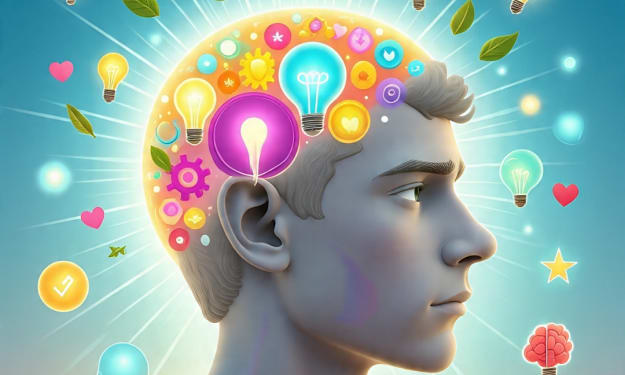
The Bright Side of the Mind
The Bright Side of the Mind Surprising Psychological Facts That Can Boost Your Happiness, Confidence, and Well-Being Emma sat by her window one crisp autumn morning, sipping tea and flipping through a self-help book she’d borrowed from the library. She wasn’t unhappy—just curious. Like many people, she wondered: What actually makes us feel good? Not just fleeting happiness, but the deep, satisfying kind that lingers. Her search led her down a rabbit hole of psychology articles, TED Talks, and studies. What she discovered wasn’t just insightful—it was empowering. The facts weren’t complex theories or clinical advice; they were simple truths backed by science that could make a real difference. She began testing them out in her own life. One of the first things Emma learned was this: Gratitude rewires the brain. Studies from the University of California found that people who wrote down three things they were grateful for every day were not only happier, but physically healthier. Emma started a small journal. At first, it felt awkward. But within weeks, she noticed a shift. She wasn’t ignoring her problems—she was just giving equal attention to the good. Her morning tea tasted better. Her cat’s soft purring felt warmer. Her challenges didn’t disappear, but she faced them with more resilience. Then she came across another gem: Smiling—genuinely or not—can boost mood. It sounded silly, but psychologists at the University of Kansas had proven it. When Emma forced herself to smile during tough tasks, she noticed she felt slightly better—and her posture even straightened. It was as if her body was tricking her mind into feeling stronger. It worked during meetings, chores, even traffic. Her favorite discovery, though, was this: Helping others helps you just as much. It turns out that acts of kindness trigger a release of dopamine—the brain’s natural reward chemical. It’s called the “helper’s high.” Emma started small: holding the door, sending kind messages, complimenting strangers. The effects were almost immediate. People smiled more around her. Her mood lifted. Her social anxiety shrank. She didn’t need grand gestures—just genuine connection. Emma also learned that we become what we think about. Psychologists call it “neuroplasticity”—the brain's ability to reshape itself based on our thoughts and behaviors. Negative thinking strengthens negative pathways. But practicing optimism, mindfulness, and self-compassion actually strengthens the parts of the brain linked to emotional regulation and joy. Emma wasn’t always positive, but she became more aware. When she caught herself spiraling, she paused and replaced the thought. What if this goes right? she’d ask herself. And often, it did. Of course, no journey is perfect. Some days, Emma forgot to be grateful or kind. Some days, she didn’t feel like smiling. But the beauty of these psychological facts was that they didn’t require perfection—just repetition. Bit by bit, she was shaping a new version of herself. One evening, her friend Marcus came over, worn down by work stress and burnout. “You’ve been different lately,” he said, noticing her calm presence. “Happier. How?” Emma smiled. Not the forced kind, but the real kind. “Honestly? I started listening to my brain.” She shared some of what she’d learned—not as advice, but as a story. Her story. Marcus nodded slowly. “I could try that,” he said. And in that moment, another ripple of kindness began. --- Key Takeaways from Emma’s Story (Based on Real Psychological Research): Gratitude practice improves happiness and physical health. Smiling, even when it feels unnatural, can improve mood and reduce stress. Helping others activates the brain’s reward systems, improving emotional well-being. Positive thinking strengthens the brain’s emotional resilience through neuroplasticity. Small, consistent actions are more powerful than dramatic changes. --- In a world filled with noise and pressure, sometimes the most powerful truths are the simplest. Emma didn’t need a life coach or a miracle. She needed only to look inward, understand how her mind worked, and start making tiny shifts in her daily life. And just like that, happiness became less of a mystery—and more of a choice.
By Muhammad Saad about a year ago in Humans