
Smart Discipline: Organize, Evolve, and Embrace the Tough Stuff
How Small Habits Shape a Smarter, More Disciplined Life
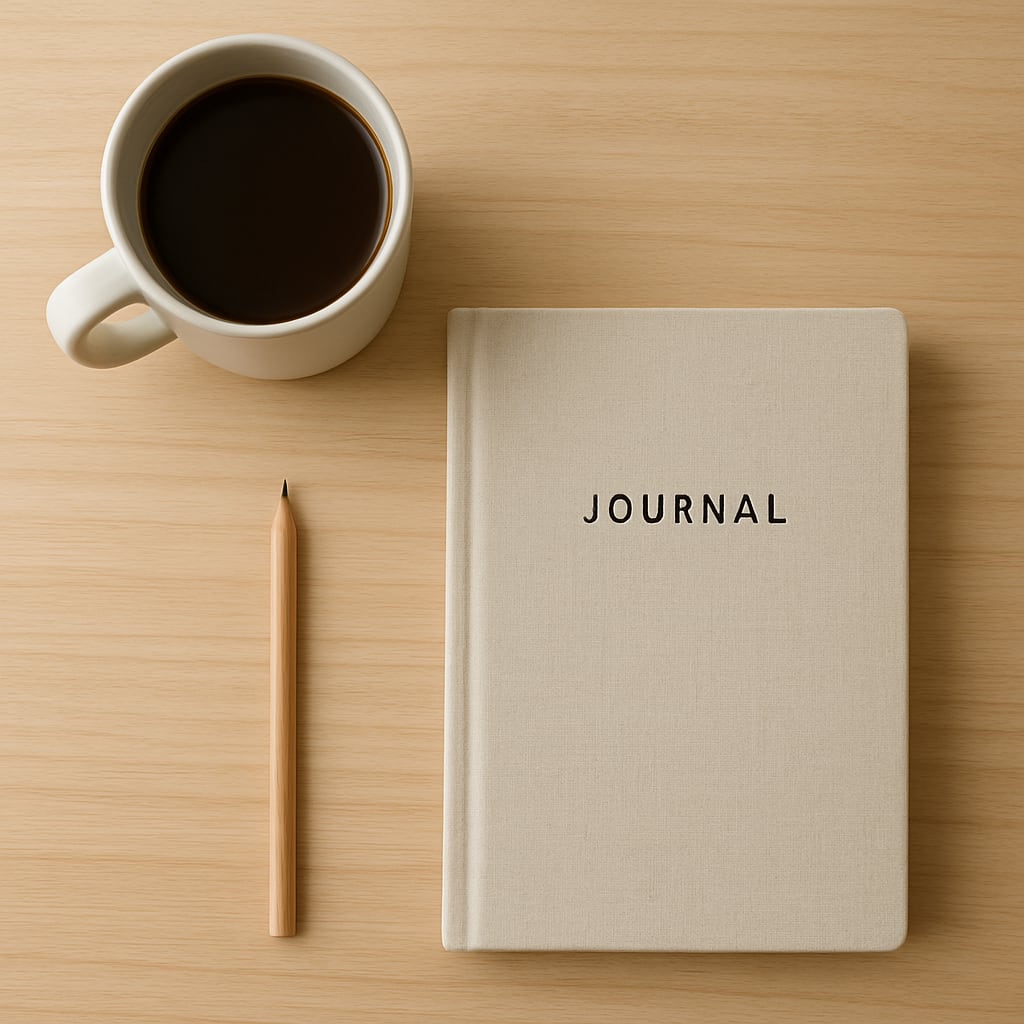
--- Introduction: The Questions That Made Me Think In Gregory Stock’s classic The Book of Questions, one simple prompt asks: > “Do you consider yourself well-organized? How often do you have to look for your keys?” At first glance, it's just a quirky prompt. But I found myself lingering on it longer than expected. Not because I’m always losing my keys (though sometimes I do), but because the question invited a deeper truth—Am I in control of my life, or am I letting chaos manage me? That thought sparked a chain of reflections about discipline, intelligence, and the power of doing things we don’t feel like doing. And that’s what this story is about. --- 1. Organization Isn’t a Trait—It’s a Choice We Keep Making Some people are naturally tidy. Their calendars are color-coded, their drawers sorted by category, their lives looking like an Instagram reel of productivity. Others struggle to find their shoes before leaving the house. But being “organized” is not a personality type—it’s a behavior. A choice. It’s the tiny decision to set your clothes out the night before. To clean your desktop before opening a new tab. To track your spending, write that list, or set a timer. And like all choices, it becomes a pattern. Then a habit. Then—eventually—a mindset. --- 2. IQ Is Not Everything—But It Can Be Grown Let’s bust a myth: IQ (Intelligence Quotient) isn’t fixed forever. Yes, you’re born with a cognitive baseline. But your practical intelligence, emotional insight, and ability to learn can increase dramatically based on your habits. Reading, journaling, problem-solving games, even deep conversations—these sharpen your brain. But you know what sharpens it even more? Deliberate discomfort. Stretching yourself. Learning a skill that bores you at first. Organizing when you don’t feel like it. Finishing a task when no one’s watching. Doing hard things trains your brain to handle complexity—and that’s what smart people do. --- 3. The Beauty of Doing Things That Don’t Feel Good We live in a culture that glorifies instant gratification—everything must feel exciting, inspiring, or fulfilling. But here’s a truth most people avoid: > You don’t have to enjoy something for it to be good for you. Mopping the floor. Saving money instead of spending. Getting out of bed when your blanket feels like a warm hug from God Himself. These aren’t fun. But they’re powerful. They build discipline. And discipline is the skill behind every great success story. --- 4. What Happens to Your Brain When You Organize Your Life There’s science behind this too. According to a 2011 Princeton University study, physical clutter competes for your attention. It overloads your brain and reduces working memory. In contrast, organized environments increase focus, productivity, and even creativity. So when you clean your space, schedule your week, or create a morning routine—you’re not just being “neat.” You’re actually boosting your cognitive performance. That’s mental growth. That’s power. --- 5. Small Acts of Discipline = Huge Mental Shifts Doing something hard or boring—on purpose—teaches your brain that you’re in charge, not your mood. Over time, this builds: Mental resilience Stronger focus Increased willpower Higher self-esteem Each time you choose discomfort for growth, you rewire your brain. That’s how someone becomes more intelligent—not just in math or memory, but in life. --- 6. People Who Achieve Big Things Start With Small Things Olympians, CEOs, master artists—they don’t rely on “motivation.” They rely on systems. The writer who publishes a book didn’t start with 300 pages. They started with 1. The person who lost 50 pounds didn’t begin at the gym—they started by skipping soda. The person who seems naturally organized? They weren’t born with a planner in hand. They just chose a system and stuck to it. What they all have in common is the willingness to do small things consistently—even if it’s not satisfying in the moment. --- 7. It All Comes Down to Who You Want to Become So back to the original question: > “Do you consider yourself well-organized?” It’s not just about keys or calendars. It’s about choosing clarity over chaos. Growth over comfort. Purpose over pleasure. It’s about doing the things that might seem small or dull—because they build the life you say you want. And every time you willingly do something unsatisfying for the sake of your future self—you become someone braver, smarter, and more powerful than you were the day before. --- Final Thoughts: If you want to increase your IQ, organize your space. If you want more peace, schedule your week. If you want more confidence, do something hard that you don’t feel like doing. Not because it feels good, but because you’re becoming someone who can handle more. That’s how you grow. That’s how you win. That’s how you become more than just “well-organized.” You become exceptional. ---
About the Creator
Enjoyed the story? Support the Creator.
Subscribe for free to receive all their stories in your feed.
Comments
There are no comments for this story
Be the first to respond and start the conversation.