
Protect Your Attention
Focus is your most valuable asset

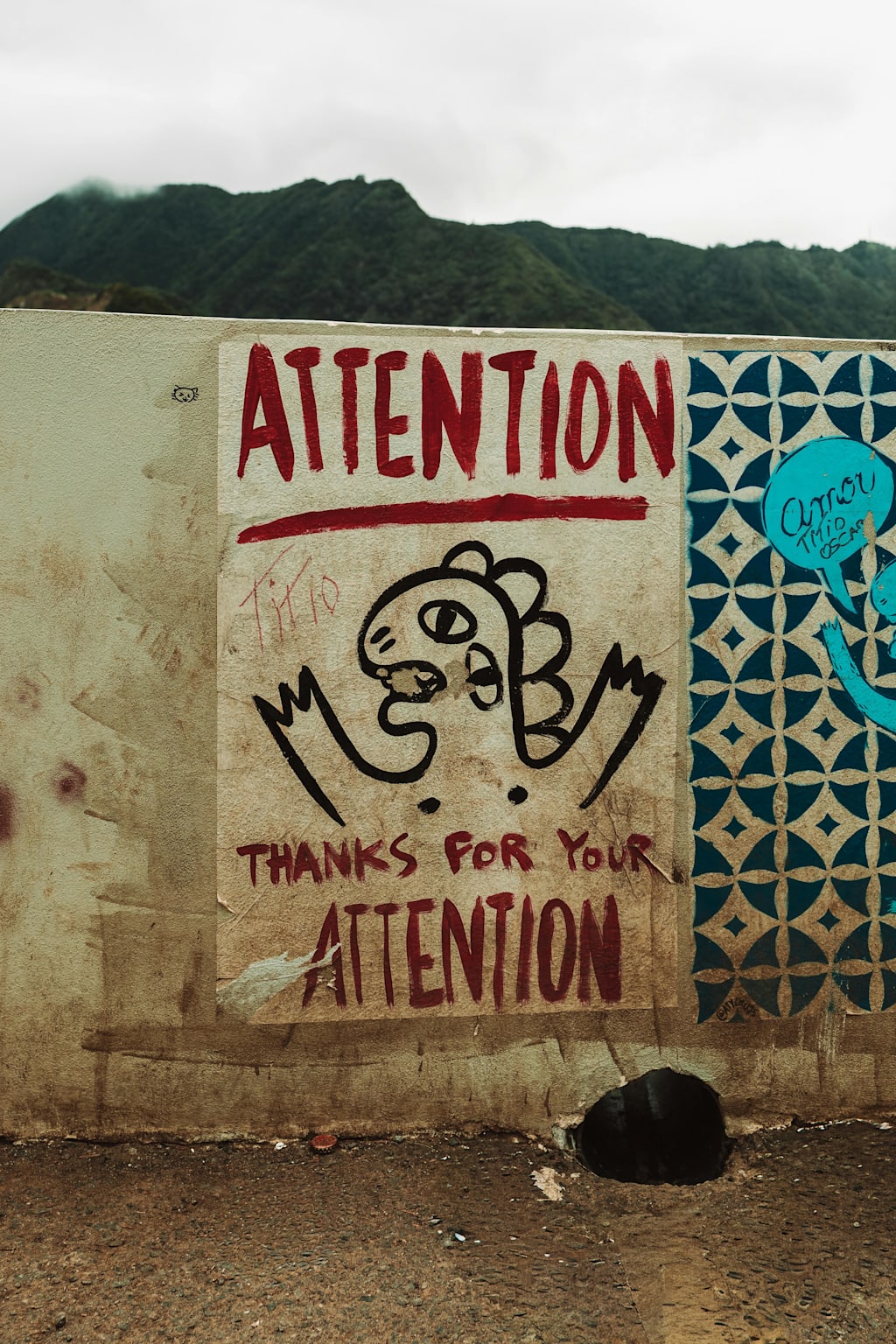
Attention is the quiet force shaping your life. It determines what you notice, what you remember, and ultimately, who you become. Yet it’s constantly under attack. Not in dramatic ways, but in small, almost invisible moments—a buzz in your pocket, a quick scroll, a thought that pulls you away from what you were doing. These fragments seem harmless, but together they create a life that feels scattered.
Most people don’t realize how often their attention is hijacked. You sit down to do something important, and within minutes, you’re checking messages. You open your phone for one purpose and leave it having done five unrelated things. At the end of the day, you feel busy, but not fulfilled. It’s not that you didn’t have time—it’s that your attention was spent elsewhere.
This isn’t entirely your fault. Modern systems are built to compete for your focus. Every notification, every feed, every autoplay video is designed to keep you engaged. The longer you stay, the better it is for them. But what’s good for these systems often comes at your expense.
The real danger isn’t distraction—it’s dilution. When your attention is constantly divided, it loses its power. You can’t think deeply, create meaningfully, or connect fully. Life becomes a series of half-experiences.
Take a simple example: reading a book. You sit down with the intention to read for an hour. Ten minutes in, you check your phone. Then again. And again. By the end, you’ve technically spent an hour “reading,” but you can’t recall much. The problem isn’t the book—it’s the interruptions.
Or consider conversations. How often do people listen while also thinking about something else? Or glance at their phones mid-conversation? These small breaks in attention send a subtle message: “This moment isn’t enough.” Over time, it weakens connection.So how do you protect something as intangible as attention?
It starts with recognizing that attention is a limited resource. You don’t have an endless supply of focus each day. Every time you give it to something, you’re taking it away from something else. This simple truth changes how you see your choices.
One practical step is to reduce unnecessary inputs. Notifications are a major culprit. Most of them aren’t urgent, yet they interrupt you as if they are. Turning off non-essential notifications is one of the easiest ways to reclaim control. At first, it might feel like you’re missing something. But what you gain—calm and clarity—is far more valuable.
Another solution is to create focused blocks of time. Instead of trying to concentrate all day, dedicate specific periods to deep work. During this time, remove distractions completely. Put your phone out of reach. Close unrelated tabs. Let people know you’re unavailable. Even an hour of true focus can be more productive than a full day of fragmented effort.
A freelancer once struggled to meet deadlines despite working long hours. They felt constantly behind. After experimenting with focused time blocks, they noticed a shift. By working in uninterrupted 90-minute sessions, they completed tasks faster and with less stress. The workload didn’t change—but the way they used their attention did.
Boundaries also matter outside of work. Protecting your attention means deciding when you’re available and when you’re not. This could be as simple as not checking your phone during meals or setting a cutoff time in the evening.
Imagine sitting down for dinner without any devices. At first, it might feel unusual. But soon, conversations deepen. You notice flavors more. The moment becomes richer. This is what happens when attention is fully present.
Rest is another overlooked solution. Many people think rest means passive consumption—watching videos, scrolling through feeds. But this doesn’t truly restore attention; it often drains it further. Real rest involves giving your mind space.
Going for a walk without distractions, sitting quietly, or even doing nothing for a few minutes can reset your focus. It might feel uncomfortable at first because you’re not used to it. But over time, these moments become essential.
There’s also value in being selective about what you consume. Not everything deserves your attention. Before engaging with something, ask yourself: “Is this adding value to my life, or just filling time?” This question can filter out a surprising amount of noise.
For example, someone who constantly follows the news might feel informed but also overwhelmed. By limiting news consumption to a specific time of day, they stay updated without being consumed by it. The difference is subtle but powerful.
Protecting your attention also means embracing monotasking. Multitasking feels efficient, but it often leads to shallow results. When you focus on one thing at a time, your attention deepens. Tasks become easier, and the quality of your work improves.
A student preparing for exams might switch between subjects, messages, and videos, believing they’re being productive. But when they commit to studying one topic at a time, without interruptions, they retain more and feel less stressed. The same effort produces better results.
Of course, you won’t always get it right. Attention will drift. Distractions will happen. The goal isn’t perfection—it’s awareness. Each time you notice your attention slipping, you have an opportunity to bring it back.
Over time, these small choices add up. You become more present in your work, your relationships, and your own thoughts. Life feels less rushed, not because you have more time, but because you’re using your attention more intentionally.
In the end, protecting your attention is about reclaiming ownership of your mind. It’s about deciding what deserves your focus and what doesn’t. It’s about creating a life that feels deliberate rather than reactive.
Your attention shapes your reality. Guard it carefully, and you’ll notice something remarkable: the same life, with the same circumstances, begins to feel entirely different.
About the Creator
THE GROWTH HABIT
By Dumisani Gift Mbatha
Enjoyed the story? Support the Creator.
Subscribe for free to receive all their stories in your feed.
Comments
There are no comments for this story
Be the first to respond and start the conversation.