
"Open-Minded Analysis: Unspoken Routines of Individuals Managing Anxiety in Isolation"
Navigating Private Struggles and Coping Mechanisms Behind Closed Doors

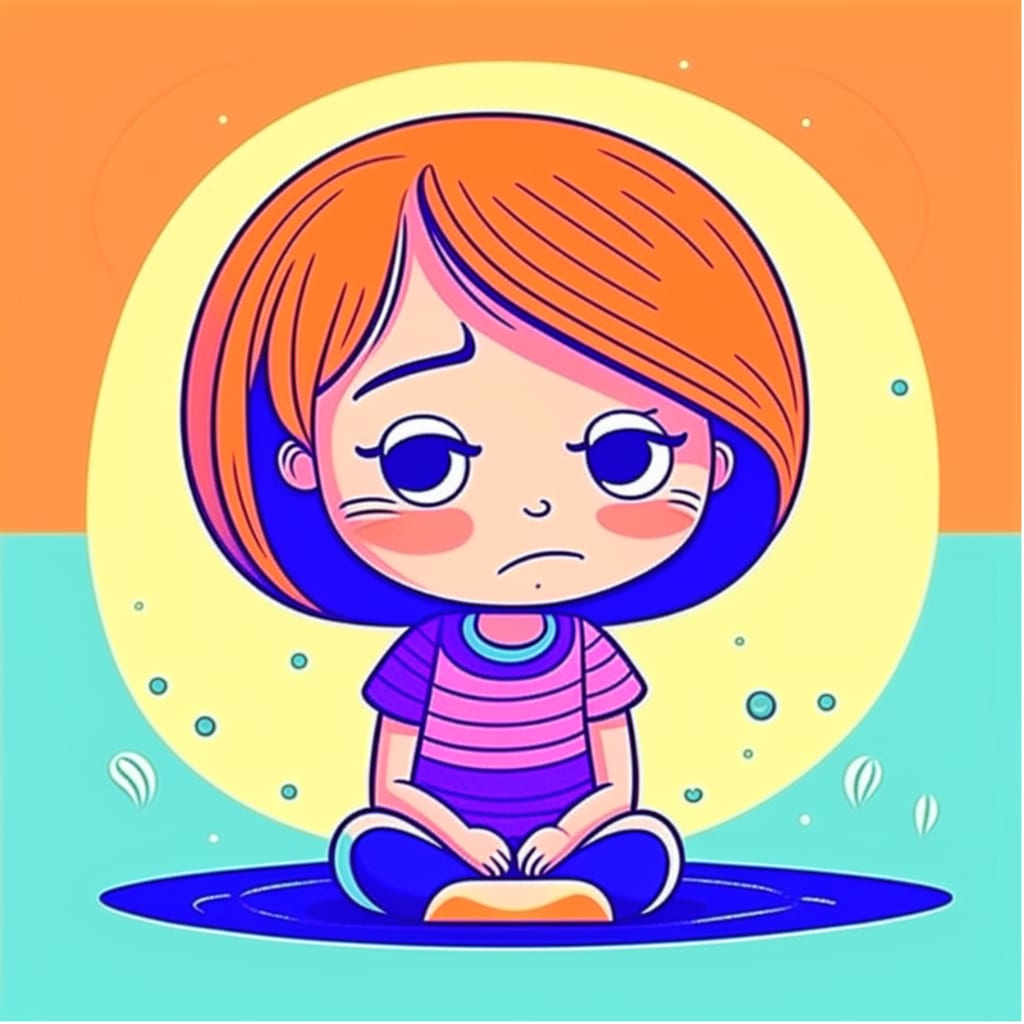
You have felt anxious before, even if you weren't aware of it. Everybody has varied ways that anxiety might show up. It's possible that your perception of anxiety differs from your actual experiences. Being compassionate is vital because you never know what hardships others are going through behind closed doors. Remind yourself that you are not alone in facing these difficulties if you are struggling with anxiety.
Anxiety is a typical aspect of existence. It aids in our readiness and safety. But worry turns into a condition when it starts to interfere with our day-to-day activities and negatively impacts many facets of our lives. The Diagnostic and Statistical Manual of Mental Disorders, or DSM, states as much.
Having said that, these are five private activities that people who are anxious often do.
First, ponder too much and too long. Unjustified concern and fear are excessive in anxiety disorders, making daily tasks difficult. Even though it might not be obvious to others, people who struggle with anxiety frequently overthink in social settings as well as when they are alone themselves.
Anxious people frequently become obsessed with their unpleasant experiences and opinions about themselves. They think about several courses of action as they repeatedly replay these incidents in their imaginations. They might also imagine possible future events in an effort to anticipate and be ready for any mishaps.
The second thing is that people stay in their comfort zones. While experiencing occasional anxiety is common, those who suffer from anxiety disorders continuously modify their lives to make room for it. They frequently sacrifice opportunities for enjoyment or interest in favor of activities that calm their racing thoughts or purposefully steer clear of stressful circumstances. To avoid anticipatory worry, this could seem as repetitive behaviors, such as viewing the same shows over and over. Some people may even find it difficult to leave their homes because they are afraid of what might happen to them if they try to escape, or they may be afraid to go anywhere without a particular individual they are afraid they won't return with.
Thirdly, avoid interacting with others. In order to find comfort at home and control certain worries and fears, people with anxiety may restrict their social life and turn down invitations—not out of apathy. A deep-seated fear of embarrassment, rejection, or feeling scrutinized in social situations might be the cause of social disengagement. When confronted with an accumulation of unread messages, people who struggle with anxiety may choose to ignore calls or switch off notifications as a coping mechanism. This can lead to feelings of overwhelm and worry later on.
Procrastination or having trouble finishing chores is number four. Even though they may come off as successful people, people with anxiety, especially those with high-functioning anxiety, may find it difficult to complete tasks on their own because of nervous thoughts that cause them to put things off. Because anxiety impairs working memory, it is difficult to maintain concentrate, which increases stress levels and forces last-minute scrambles to finish tasks.
Bed restlessness is number five. Anxiety doesn't always show out as obvious tense energy; a person suffering from anxiety may seem tranquil on the inside but be going through internal turmoil. This is apparent when people toss and turn at night, unable to sleep because of nervous thoughts. Even if they do fall asleep, the quality of their sleep may be compromised by anxiety-related restlessness or dreams. For example, people who suffer from separation anxiety disorder could dream about being apart from their loved ones.
Understanding the variety and complexity of anxiety disorders is crucial. While some degree of anxiety is normal, anxiety disorders cause severe damage or distress in a number of areas of life. It is imperative that you or someone you love get help from a licensed mental health professional if you or they are experiencing anxiety disorders. Please feel free to share your experiences in the comments if you identify with any of these indications. Remember to like and share this video with anybody you think will benefit from it. You can find the research and references utilized in the description below.
About the Creator
Rayver Hipolito
I am currently a 4th-year nursing student in a university in the Philippines . My safe place in this chaotic world is writing, where it brings me to a world with peace and serenity.
Enjoyed the story? Support the Creator.
Subscribe for free to receive all their stories in your feed.
Comments
There are no comments for this story
Be the first to respond and start the conversation.