
New COVID isolation guidelines coming from CDC: What to expect
What to expect
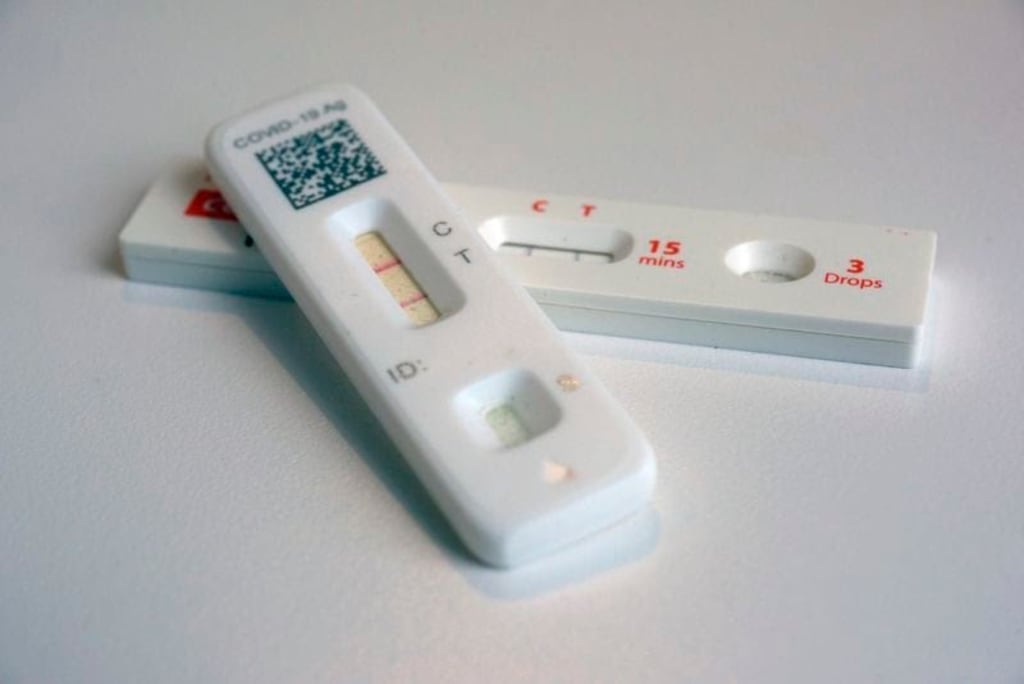
The Centers for Disease Control and Prevention is set to make changes in COVID-isolation guidelines, possibly as soon as April.
The changes, first reported by the Washington Post, will put an end to the recommendation that people with COVID quarantine for five days. Instead, people with mild or improving symptoms would be able to exit isolation if they are fever-free for at least 24 hours. The changes would not apply to hospitals or other healthcare settings with vulnerable populations.
According to reports by Yahoo, the changes are being made due to three reasons: JN.1, the current dominant variant nationwide, doesn’t appear to be causing more severe illness; increased hybrid immunity from vaccinations and exposure to the virus; and concerns people weren’t following isolation guidelines to begin with.
COVID isolation guidelines have not been updated since December 2021 when isolation time was slashed from 10 to 5 days. It’s believed the virus is most transmissible in the first two days before symptoms start and the two to three days after they appear.
Currently, COVID isolation can end after five days if the person has no symptoms or if the symptoms are improving and you’ve been fever-free for 24 hours. If not, or if you’ve had more severe symptoms such as shortness of breath or were hospitalized, it’s recommended you continue with isolation.
SUBSCRIBE COVID-19 Vaccines Basics Testing Symptoms HEALTH NEWS CDC Expected to End 5-Day Isolation Guidance for COVID-19, Here's Why By Elizabeth Pratt — Fact checked by Jill Seladi-Schulman, Ph.D. — Updated on February 16, 2024 Experts say most people are not contagious 10 days after a positive COVID-19 test. Getty Images Sources within the CDC have told the Washington Post the agency plans to drop isolation guidelines. Currently, the agency recommends people isolate from others for at least five days if they test positive for the virus The proposed changes to the guidelines mean people will not need to be isolated if they are fever-free for at least 24 hours without medication, and if their symptoms are mild and improving. Public health experts say it is the right time to revise the guidelines. The CDC reportedly intends to drop isolation recommendations for COVID-19. Reports from the Washington Post suggest the CDC will release proposed changes to the guidelines in April for public feedback, but they are yet to be signed off by the White House. Agency officials who spoke anonymously with the Post say that under the new guidelines, Americans would no longer be required to isolate themselves from others for five days if they test positive for the virus. Health experts say the proposed changes are a practical step. “It aligns with COVID becoming less severe. The mortality rate is now approaching that of influenza, which was not true earlier in the pandemic when it was four to five times higher than influenza. We don’t have any kind of special isolation rules for the general public for influenza, we do recommend people stay home when they’re sick and when they’re symptomatic. So this would be similar to what the recommendations are for influenza or other community-associated respiratory illnesses,” Dr. Dean Blumberg, Chief of Pediatric Infectious Diseases at UC Davis Health told Healthline. “There’s several reasons for this,” Blumberg continued. “One of them is because people have a much higher level of immunity to COVID now because of vaccination or previous infection, so the acute infection is less dangerous for most people. People have vaccinations available. If they do get sick, there’s Paxlovid that’s available that can decrease the severity of illness. So it’s much different than earlier in the pandemic.” The current guidelinesTrusted Source from the CDC recommend people who test positive for COVID-19 isolate from CDC
About the Creator
Enjoyed the story? Support the Creator.
Subscribe for free to receive all their stories in your feed.
Comments
There are no comments for this story
Be the first to respond and start the conversation.