
Navigating the path of depression
Depression and how to overcome it.
Introduction:
Depression, a complex mental health condition, affects millions of individuals worldwide. Its impact can be overwhelming, making everyday tasks seem insurmountable and sapping the joy from life. However, there is hope. With the right strategies and support, it is possible to navigate the path towards overcoming depression and regaining a sense of well-being.
Understanding Depression:
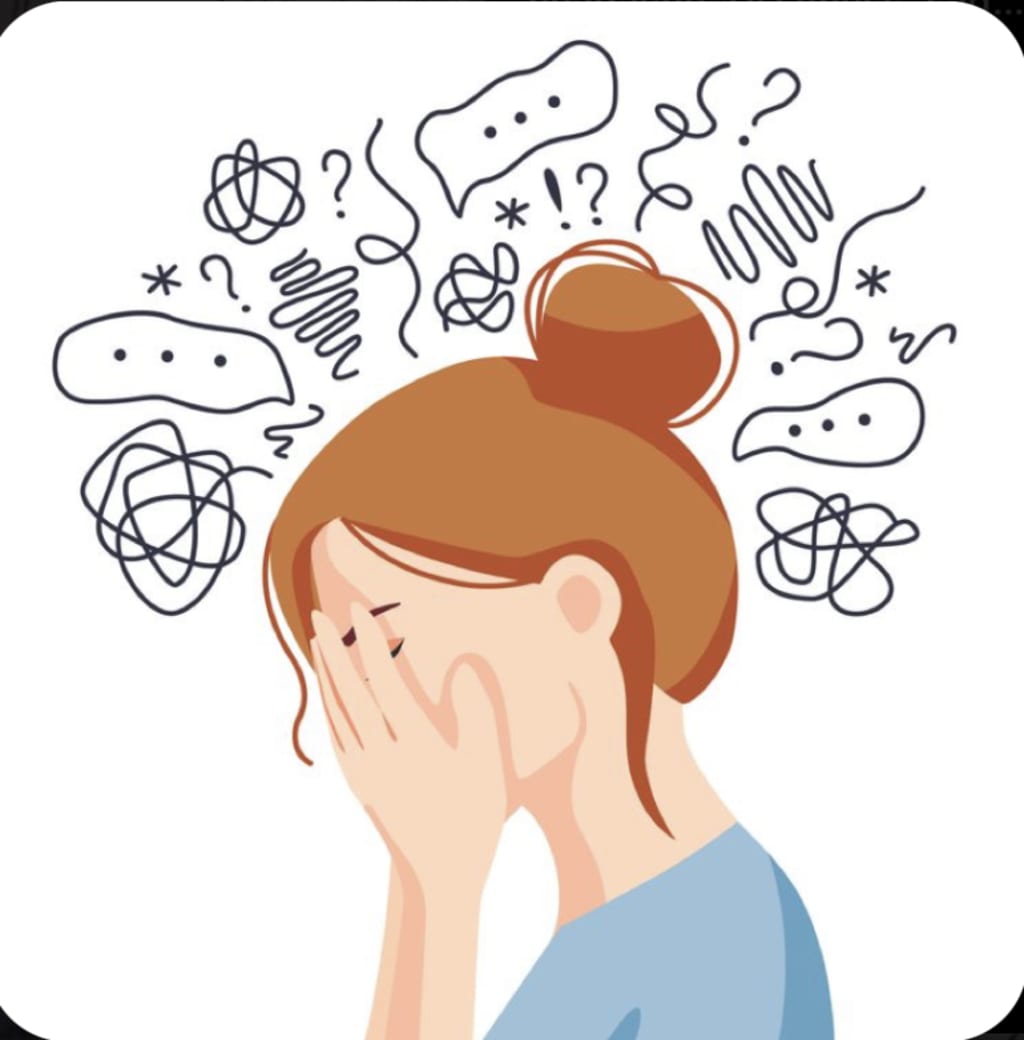
Depression is more than just feeling sad; it's a persistent and intense feeling of sadness, hopelessness, and emptiness that lasts for weeks or even months. It can affect various aspects of life, from energy levels and sleep patterns to relationships and interests.
It affects absolutely everything about your life. You could be okay one minute and the next minute, you could feel like it’s all crashing down on you and nothing is working well despite all that you have or have achieved in your life.
It could start as a result of envy , jealousy, lack of contentment etc. Those little things could propel the big brother which I’d depression. And if not recognized and treated early could lead to low self esteem or even attempted suicide. Recognizing the signs of depression is the first step towards seeking help.
Seek Professional Help:
Consulting a mental health professional is crucial. Therapists, psychologists, or psychiatrists can offer expert guidance, assess the severity of your depression, and recommend appropriate treatments. Therapy, particularly cognitive-behavioral therapy (CBT), can equip individuals with coping mechanisms to manage negative thought patterns.
Lifestyle Modifications:
Small changes in daily routine can make a significant difference. Regular exercise, a balanced diet, and sufficient sleep contribute to improved mood and overall well-being. Engaging in activities you once enjoyed can help restore a sense of pleasure and accomplishment.
Don’t look at the things that made you feel bad about yourself. Avoid those things and look at things that make you happy. Do things like journaling all the happy moments in your life, watching happy movies, hanging out with friends that make you genuinely comfortable and happy in yo ur own body, learning a new hobby or even exercising.
Build a Support System:
Isolation can exacerbate depression. Reach out to friends, family, or support groups to share your feelings and experiences. Talking openly about your struggles can alleviate the emotional burden and foster a sense of connection.
Talk to your family and friends if you feel that you can’t keep it in any longer. Like they say, “A problem shared is a problem solved”.
Practice Mindfulness and Relaxation Techniques:
Mindfulness, meditation, and deep-breathing exercises can help manage stress and anxiety, often associated with depression. These practices encourage focusing on the present moment and can aid in reducing the overwhelming nature of negative thoughts.
Set Realistic Goals:
Depression can make even simple tasks feel daunting. Setting achievable goals, no matter how small, can provide a sense of purpose and accomplishment. Gradually increasing the complexity of tasks can help in rebuilding confidence and motivation.
Medication, if Necessary:
In some cases, healthcare professionals may prescribe medication to manage the symptoms of depression. Antidepressants can help regulate brain chemicals that influence mood. It's important to follow your doctor's guidance regarding medication usage and potential side effects.
Patience and Persistence:
Overcoming depression is a gradual process. It's important to be patient with yourself and acknowledge that setbacks are a natural part of the journey. Celebrate even the smallest victories and recognize that healing takes time.
Conclusion:
While overcoming depression may seem like a daunting task, it is entirely possible with the right approach. Seeking professional help, making lifestyle adjustments, building a support system, and practicing mindfulness are essential steps on this path to recovery. Remember, you are not alone, and there is hope for a brighter future beyond the shadows of depression.
About the Creator
Enjoyed the story? Support the Creator.
Subscribe for free to receive all their stories in your feed.
Comments
There are no comments for this story
Be the first to respond and start the conversation.