
Most Comfortable Slippers for Serious Foot Conditions
Slippers for Serious Foot Conditions

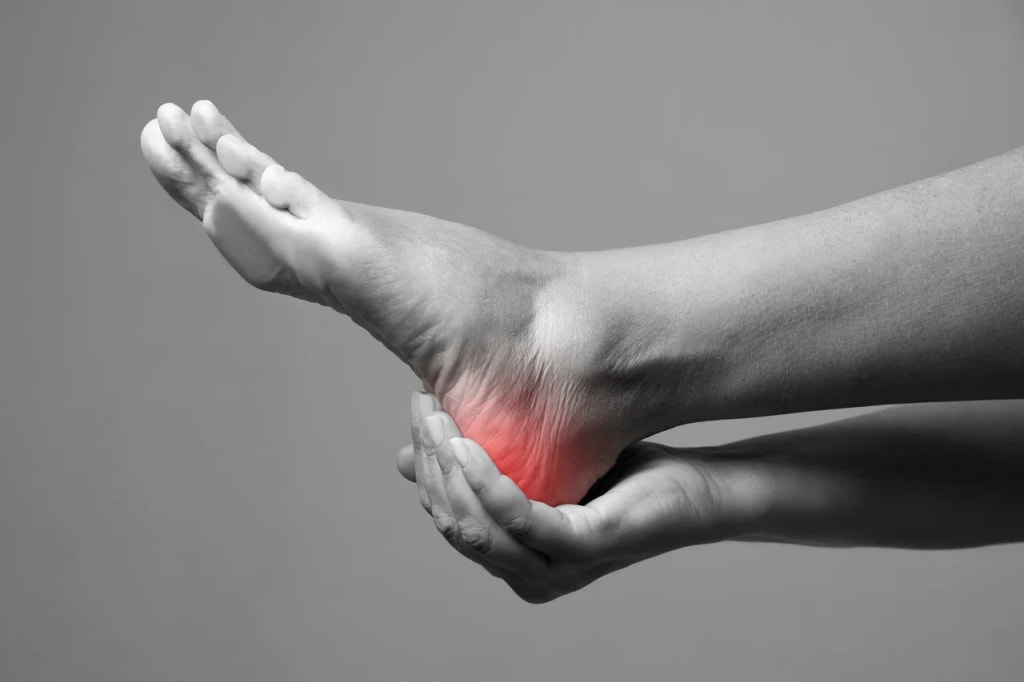
Living with serious foot conditions can make even the simplest daily activities painful and challenging. The right supportive footwear at home is crucial for comfort, healing, and preventing further complications. Many people underestimate the importance of proper house shoes, but for those with diabetes, neuropathy, arthritis, or plantar fasciitis, therapeutic house shoes are an essential part of foot health management. Let's explore the best orthopedic slippers designed specifically for various foot health issues.
Why Orthopedic Slippers Matter for Foot Health
When you have diabetes, neuropathy, arthritis, or plantar fasciitis, regular slippers simply won't provide the support and protection your feet need. Medical slippers are designed with specific features that reduce pressure points, provide stability, and promote healing. Unlike conventional house shoes that focus primarily on comfort or style, therapeutic house shoes prioritize foot health while still offering comfort.
For people with diabetes, proper footwear is particularly crucial. Diabetic neuropathy can reduce sensation in the feet, making it difficult to notice injuries or irritation. Diabetic slippers provide protection and support to prevent complications that could lead to serious health issues. Similarly, those with arthritis need house shoes that minimize joint stress and provide cushioning against painful inflammation.
Key Features to Look for in Therapeutic House Shoes
Non-Binding Design
People with diabetes and circulation issues benefit tremendously from non-binding footwear that won't constrict blood flow. Traditional slippers often have elastic or tight bands that can cut into the skin and restrict circulation. Non-binding footwear features stretchable uppers that accommodate foot shape changes throughout the day without applying pressure to sensitive areas.
This design is particularly important for those with edema or diabetes, as even minimal constriction can lead to serious complications. Medical slippers with non-binding designs distribute pressure evenly across the foot, reducing the risk of pressure sores and improving overall comfort.
Extra Depth Construction
Extra depth slippers provide significantly more interior space for custom orthotics or swollen feet. This design element is essential for those managing edema or using prescribed inserts. The additional volume accommodates foot deformities, bunions, hammer toes, or other structural issues that make standard footwear uncomfortable or impossible to wear.
The extra depth construction also allows for thicker insoles with better cushioning properties, which can be particularly beneficial for those with fat pad atrophy or neuropathy. When shopping for orthopedic slippers, look for terms like "extra depth" or "accommodative design" to ensure adequate space.
Seamless Interior
A seamless interior eliminates painful pressure points and reduces the risk of blisters and skin breakdown. This feature is particularly important for diabetic slippers, as even minor irritations can lead to ulcers and infections in individuals with compromised circulation or neuropathy.
Seamless construction means that there are no internal seams that could rub against sensitive skin. The smooth interior protects vulnerable feet from friction and potential injury. When examining therapeutic house shoes, check the interior by running your hand inside to ensure there are no rough edges or prominent stitching that could cause irritation.
Supportive Soles
Plantar fasciitis house shoes should include rigid arch support and cushioned footbeds. These elements distribute pressure evenly and reduce heel pain during those first painful morning steps. A contoured footbed with proper arch support helps maintain correct foot alignment, which is crucial for healing and pain management.
Look for orthopedic slippers with removable insoles that can be replaced with custom orthotics if needed. The outsole should provide stability and shock absorption while still being lightweight enough for home use. Many therapeutic house shoes feature rocker soles that reduce pressure on the forefoot and help with the walking motion.
Adjustable Closures
Swollen feet slippers often feature hook-and-loop closures (like Velcro) or other adjustable fastening systems. These allow for customization of fit throughout the day as swelling fluctuates. Adjustable closures also make the slippers easier to put on and take off, which is particularly helpful for those with limited mobility or dexterity issues.
The ability to adjust the fit is crucial for those with edema, as foot volume can change significantly throughout the day. This feature ensures that your therapeutic house shoes remain comfortable and supportive regardless of these natural fluctuations.
Best Options for Specific Conditions
For Diabetic Feet
Diabetic slippers typically feature protective closed toes, adjustable closures, and antimicrobial linings. These design elements help prevent injuries and infections while accommodating changing foot dimensions. The closed toe design provides protection against accidental bumps and environmental hazards, which is crucial for those with reduced sensitivity.
The best diabetic slippers also feature padding around the toe box to protect against friction and impact. Many models include antimicrobial treatments to prevent odor and infection, which is particularly important for individuals with compromised immune systems. Look for medical slippers with smooth, washable linings and moisture-wicking properties to keep feet dry and healthy.
For Neuropathy
Neuropathy slippers focus heavily on sensory protection with extra cushioning and shock absorption. They shield vulnerable feet from temperature changes and potential injuries you might not feel due to nerve damage. The cushioning systems in these therapeutic house shoes often include multiple layers of varying densities to provide both support and comfort.
People with neuropathy benefit from house shoes with thicker soles that provide insulation from cold floors and protection from sharp objects. Some neuropathy slippers incorporate gel cushioning or specialized foams that distribute pressure more evenly across the entire foot. The uppers should be soft and flexible while still providing adequate structure and protection.
For Arthritic Foot Pain
Those with arthritic foot conditions benefit from easy-entry designs with minimal seams and touch points. Look for arthritic foot slippers with foam footbeds that reduce joint strain and pressure on inflamed areas. Slip-on styles with wide openings make these therapeutic house shoes easier to put on when fingers and hands are also affected by arthritis.
The best orthopedic slippers for arthritis often feature lightweight materials to reduce the burden on painful joints. Some models incorporate warmth-retaining materials that can provide natural pain relief for arthritic joints. Flexible soles that bend with the foot rather than forcing it to conform can also reduce pain during walking.
For Plantar Fasciitis
Supportive house shoes with contoured arch support and deep heel cups help reduce plantar fasciitis pain significantly. Memory foam provides personalized support that molds to your foot's unique shape, while firmer materials offer the structural support needed to take pressure off the plantar fascia.
For plantar fasciitis sufferers, look for orthopedic slippers with slightly elevated heels, as this position can reduce tension on the plantar fascia. Cushioning in the heel area absorbs impact during walking and provides relief for painful heel spurs that often accompany this condition. Many plantar fasciitis house shoes also feature stability elements that prevent overpronation, which can exacerbate the condition.
For Swollen Feet
Swollen feet slippers feature expandable materials, extra-wide designs, and adjustable closures. These accommodate fluctuating swelling while still providing necessary structure and support. The stretchy uppers expand to accommodate swelling without creating pressure points, while the adjustable closures allow for customization of fit.
Many therapeutic house shoes designed for edema include foam that compresses and rebounds with pressure changes. This adaptive cushioning conforms to the foot's changing shape throughout the day. Some medical slippers for swollen feet feature special moisture-wicking linings that help prevent skin maceration, which can be a concern when edema is present.
Material Considerations for Therapeutic House Shoes
Breathable Fabrics
Breathable fabrics prevent moisture build-up which can lead to fungal infections and skin breakdown. Materials like mesh, cotton blends, and specially designed synthetic fabrics allow air circulation while still providing necessary support. For those with diabetes or compromised circulation, keeping feet dry is particularly important for preventing infections.
Washable Materials
Washable materials ensure proper hygiene for compromised feet. Many orthopedic slippers feature removable insoles that can be washed separately, and outer materials that can be machine or hand washed. This washability helps prevent bacterial growth and odor, which is especially important for those who wear their therapeutic house shoes throughout the day.
Weather-Appropriate Options
Weather-appropriate options keep feet comfortable year-round. Look for lightweight, breathable orthopedic slippers for summer and warmer, insulated versions for winter. Some medical slippers feature temperature-regulating materials that help maintain comfort regardless of the ambient temperature.
When to Wear Your Therapeutic House Shoes
Using orthopedic slippers consistently throughout your time at home helps manage symptoms and prevent condition deterioration. Many foot specialists recommend putting on your therapeutic house shoes first thing in the morning, especially for plantar fasciitis sufferers who experience significant pain with those first steps.
Medical slippers provide a supportive transition between outdoor shoes and bare feet, which is particularly important for those with diabetes or neuropathy. Wearing appropriate house shoes can prevent injuries from household hazards and provide the support needed to engage comfortably in daily activities.
Sizing and Fit Considerations
Proper sizing is crucial when selecting orthopedic slippers. Unlike fashion footwear, therapeutic house shoes shouldn't be tight or restrictive. Allow for adequate space, especially in the toe box, to prevent pressure and friction. Many manufacturers of medical slippers offer width options to accommodate different foot shapes and conditions.
When trying on therapeutic house shoes, wear the socks you typically use at home and try them on later in the day when feet are naturally more swollen. Walk around to ensure they stay on properly and provide the support you need. Remember that proper fit is essential for the therapeutic benefits of these specialized house shoes.
Care and Maintenance of Medical Slippers
To extend the life of your orthopedic slippers and maintain their therapeutic properties, proper care is essential. Follow the manufacturer's cleaning instructions carefully, as improper washing can damage supportive elements. Replace worn insoles promptly, as they lose their cushioning and supportive properties over time.
Most therapeutic house shoes should be replaced every 6-12 months, depending on wear patterns and use frequency. Watch for signs of wear like compressed cushioning, worn tread patterns, or deteriorating upper materials. Maintaining two pairs and alternating them can help extend their useful life.
Consulting Healthcare Professionals
Consult with your podiatrist before selecting medical slippers, especially if you have severe conditions or multiple foot health issues. Healthcare professionals can recommend specific features based on your unique foot health needs and may even provide prescriptions for specialized therapeutic footwear.
Some insurance plans cover prescribed medical footwear for certain conditions like diabetes. Your healthcare provider can help determine if you qualify for coverage and provide the necessary documentation. This consultation ensures you select the most appropriate orthopedic slippers for your specific condition.
Cost Considerations and Value
Quality therapeutic house shoes typically cost more than conventional slippers, but the investment in foot health is worthwhile. Consider the potential costs of foot complications against the price of preventative supportive footwear. Many manufacturers offer warranties on their orthopedic slipper lines, which can provide additional value.
When budgeting for medical slippers, consider purchasing multiple pairs to ensure you always have clean, supportive footwear available. Some manufacturers offer discounts for multiple purchases or replacement insoles at reduced costs.
Conclusion
Investing in quality therapeutic house shoes isn't just about comfort—it's about protecting your foot health and quality of life. With the right orthopedic slippers, you can reduce pain, prevent complications, and support healing while at home. The specialized features in medical slippers provide targeted support for specific conditions, making daily activities more comfortable and helping prevent further deterioration.
Remember that your home footwear is just as important as what you wear outside. For those with serious foot conditions, proper support throughout the day is essential. Your feet deserve proper care and protection every step of the way, and high-quality orthopedic slippers are a crucial component of comprehensive foot care.
By understanding the specific features needed for your condition and consulting with healthcare professionals, you can select therapeutic house shoes that provide relief and support your overall foot health goals. Don't compromise on quality when it comes to managing serious foot conditions—the right medical slippers can make a significant difference in your daily comfort and long-term foot health.
About the Creator
Aerothotic
Explore the extensive variety of perfectly crafted footwear at Aerothotic. Buy Cute Women's Sandals merged with cork style & comfort augmenting technology.
Enjoyed the story? Support the Creator.
Subscribe for free to receive all their stories in your feed.
Comments
There are no comments for this story
Be the first to respond and start the conversation.