

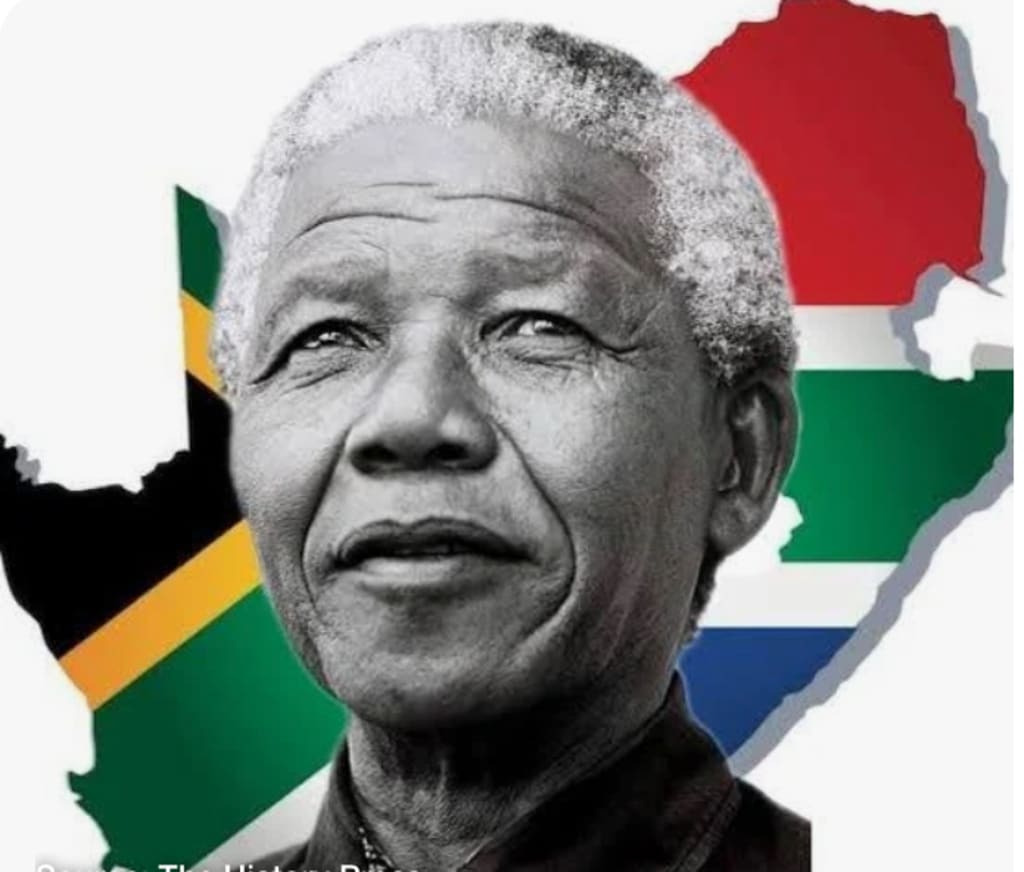
The major tribes of Southern Africa are largely divided into Bantu-speaking agriculturalist groups (such as the Zulu, Xhosa, and Tswana) and indigenous hunter-gatherer groups (like the San). These populations define the rich cultural, historical, and linguistic landscape of countries spanning South Africa, Namibia, Botswana, and Zimbabwe.
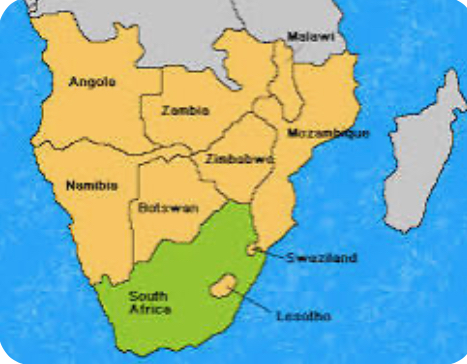
1. The Nguni PeoplesThe Nguni represent the largest group of Bantu-speaking peoples in Southern Africa, primarily known for their click consonants in language and rich warrior histories.Zulu (South Africa):
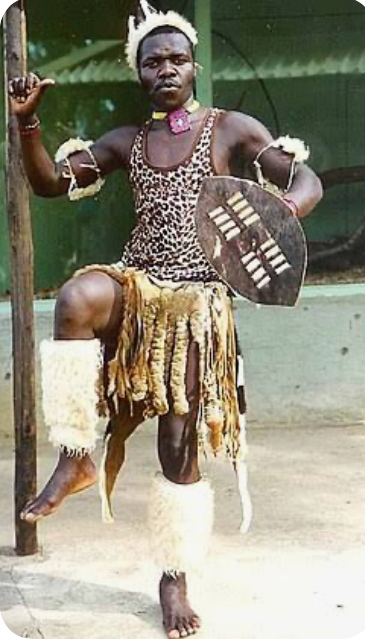
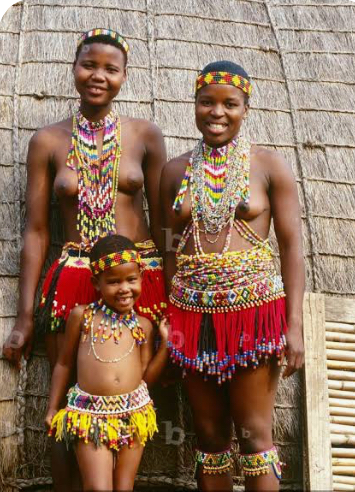
The largest ethnic group in South Africa (~13 million). Historically famous for the formidable military empire built by King Shaka in the 19th century. Known globally for their intricate beadwork, traditional attire, and the reed dance (umhlanga).
Xhosa (South Africa): Primarily residing in the Eastern Cape, they are renowned for their distinct, rich click language and complex initiation rituals. World-famous figures like Nelson Mandela trace their heritage to the Xhosa people.
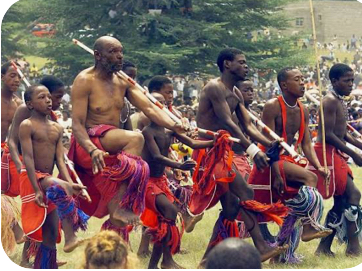
Swazi (Eswatini & South Africa): The predominant cultural group in the Kingdom of Eswatini (formerly Swaziland).
They are deeply proud of their monarchial traditions, most notably the Incwala (first fruits) ceremony.
Ndebele (Zimbabwe & South Africa): Originating from a splinter group of Zulus who migrated northward in the 19th century, they are known for their vibrant, geometric wall paintings and highly ornate brass neck rings.
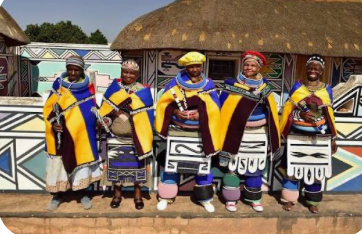
2. The Sotho-Tswana PeoplesThis major linguistic branch is composed of pastoral and agricultural communities that dominate the central plateau of Southern Africa.Tswana (Botswana & South Africa):
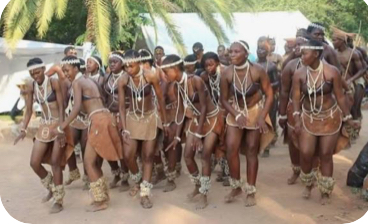
They make up the majority of the population in Botswana and are a significant minority in South Africa. They are traditionally organized around large, centralized villages called kgotla.
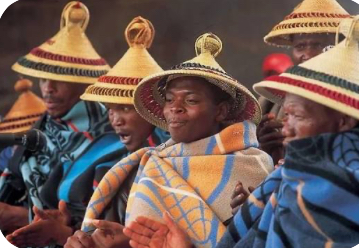
Sotho (Lesotho & South Africa): The primary inhabitants of the mountain kingdom of Lesotho. They are widely recognized for their iconic conical straw hats (mokorotlo) and thick woolen blankets, which are worn to protect against the harsh mountain winters
.3. The Tsonga and Venda Peoples Tsonga/Shangaan (South Africa, Mozambique, & Zimbabwe): Residing primarily in the lowveld regions, their culture is highly musical and heavily influenced by the rhythms of neighboring Mozambique.
Venda (South Africa & Zimbabwe): Concentrated in the Limpopo province, they have a deeply spiritual culture that places high importance on sacred natural sites, traditional pottery, and woodcarving.
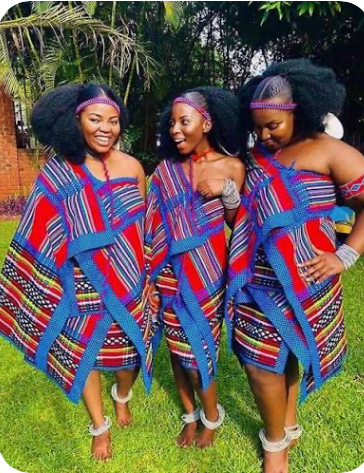
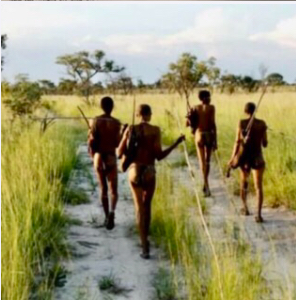
4. The San (Khoisan)San (Botswana, Namibia, South Africa, & Angola): Also widely known as "Bushmen," they are the indigenous hunter-gatherers of Southern Africa and are recognized as one of the oldest genetic lineages of modern humans on earth. They are known as the first people.Their culture is historically defined by nomadic survival skills, deep ecological knowledge, and ancient rock art found throughout the region.
5. The Khoikhoi and Ovambo PeoplesHimba / Ovambo (Namibia):
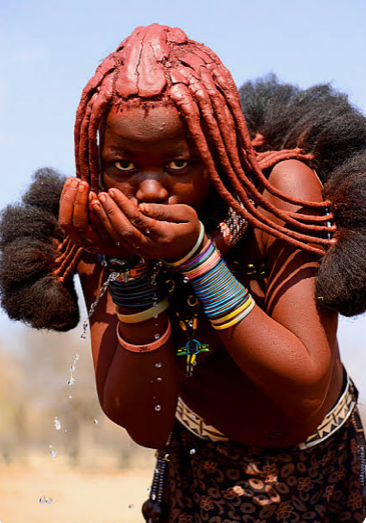
The Ovambo make up the largest ethnic group in Namibia [Recent]. Closely related to them are the semi-nomadic Himba people in the Kunene region, who are visually striking due to their practice of covering their bodies with red ochre paste to protect against the sun and insect bites.
Another tribe no one thinks about is the Afrikaner, the white tribe of Africa. They trace their heritage to the early Dutch settlers, also German and French Huguenots, Malay slaves, and indigenous black tribes of South Africa when there was no other women. The Afrikanaer has no European country to go back to, they are truly an African tribe.
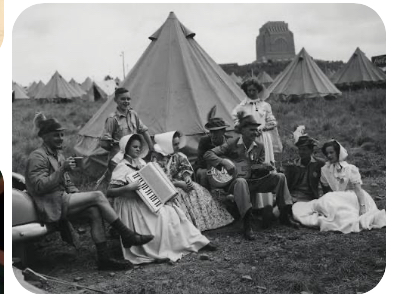
An unusual tribe found in the Western Cape province of South Africa is the Cape Coloured tribe.Cape Coloureds are a distinct South African ethnic group of mixed ancestry, primarily concentrated in the Western and Northern Cape regions. They represent one of the most genetically diverse populations in the world, resulting from centuries of intermingling among indigenous groups, European settlers, and Asian laborers
Ancestry and OriginsThe heritage of the Cape Coloured population is a rich melting pot, representing one of the most genetically diverse groups globally. Their roots span several distinct populations:Indigenous Khoisan: The original inhabitants of the Cape region, whose genetic, cultural, and linguistic traits form a foundational base of the Coloured identity.European Settlers: Primarily Dutch, followed by British, French, and German settlers who arrived from the 17th century onward.Asian Slaves and Exiles: Individuals brought over by the Dutch East India Company from the Dutch East Indies (modern-day Indonesia), India, and Ceylon (Sri Lanka). This demographic notably includes the Cape Malays, who established a strong Islamic presence in the region.African Populations: Intermixing with enslaved people from other parts of Africa and local Bantu-speaking groups, including the Xhosa.Cultural Identity and LanguageCape Coloured culture is highly vibrant and distinct, characterized by a fusion of the diverse influences that built the community.Language: The vast majority of Cape Coloured people speak Afrikaans as a first or second language, heavily peppered with unique dialects, slang, and loanwords derived from Khoisan languages, Malay, and English. A distinct and resilient vernacular known as Cape Coloured English is also widely spoken.Cuisine and Tradition: The community has contributed iconic dishes to South African cuisine, such as bobotie (a spiced minced meat dish with an egg-based topping), bredie (a traditional stew), and koesisters (a spiced, syrupy fried dough pastry). The Cape Coloured is isolated by both the white European population, especially during the apartheid era, and the black population, who despises them for being of mixed blood.
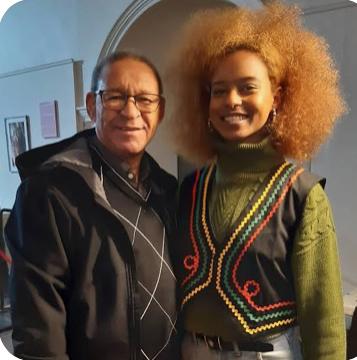
To explore Southern Africa's diversity first hand, come visit this iconic land with a diverse culture. It is amazing. Oh, and the food is fantastic, especially the biltong.
About the Creator
Guy lynn
I’m interested in history, space travel and the possibilities, Americana,( where I live now), Africa (Southern Africa, where I was born and raised), and I write about things that interest me ( bead history) and I hope will interest you.
Enjoyed the story? Support the Creator.
Subscribe for free to receive all their stories in your feed.
Comments
There are no comments for this story
Be the first to respond and start the conversation.