
Illuminate the Darkness
Seeing through illusion and deception to extract the truth

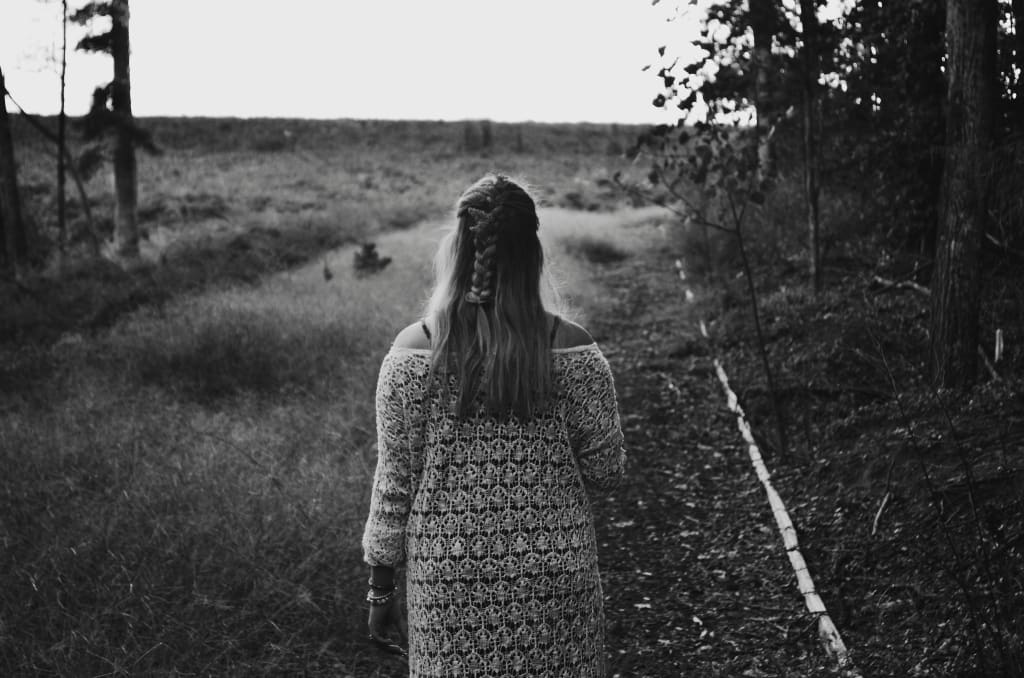
He burst through the door, angry, bellowing. This had become like every other day. What set him off today? Cassandra had no idea as she set her paintbrush down and turned her eyes toward him. He started into his litany of accusations and insults as Cassandra felt herself sink slowly into the floor.
It was her go to response. To melt like a puddle onto the floor. To become the floor.
She felt her body grow smaller and smaller, his voice becoming more distant. It was like he was a million miles away.
From this vantage point, she saw him clearly for the first time. He looked ridiculous. Almost like a cartoon mouse punching and screaming while dangling by the tail held by the family cat.
It was hard not to laugh.
Somehow, she was no longer afraid.
A few days ago, her entire body said, “Enough.” She needed a few days to get her things in order.
She wanted to say, “Is that all you’ve got?” but thought better of it. She wanted this to be over quickly. She had other things to do.
As Cassandra mumbled, “yes,” “no,” and whatever response he wanted, she knew it was the last time. She muttered the expected apologies for his actions. She accepted the blame he threw at her, knowing it didn’t stick.
That almost made her laugh again. The image of him throwing spaghetti against the wall and it not sticking. “Guess I must be undercooked,” she chuckled to herself.
She fought hard to keep any traces of a smile from her lips, her eyes. She wasn’t foolish enough to poke the bear.
Cassandra pictured him as a big, lumbering bear and herself with a long stick. Gosh it would be fun to poke him. Ah, better not.
She thought, “I’ve got to stop thinking like this. I’m going to laugh. I’ve got to look more serious…more remorseful.” Then she thought how funny it was that she was trying to look remorseful, and she had no idea what she had supposedly done this time.
She stopped to listen for a moment. Something about not being able to find the shirt he wanted to wear. “Probably shoved under his side of the bed instead of in the basket,” she thought to herself.
Wait, there’s more, she noticed. Listening more carefully, she heard him ranting about how she made him late, how she only cares about herself, and how she makes him look bad.
“Interesting,” she thought given she supports the two of them, has finally made her mark on the art world, and has asked nothing of him. “I made him late? He was home all day and has his own car,” she thought. “He’s late because he couldn’t find the shirt he shoved under the bed.”
And late for what, really? Cassandra tried hard not to roll her eyes. He was, of course, referring to the gathering – more like a drunken frat party – that she refused to attend. She didn’t like his friends. They made her the butt of their jokes – “no wonder he likes them,” she thought.
Cassandra was eager for this tirade to end so she could get outside. It was almost dusk, and she longed to smell the night air. To feel her feet on the ground, the breeze on her face. To hear the birds, the wind in the trees.
She muttered a few more apologies before he finally left. It was hard not to chuckle. “I mean, seriously. His shirt was under the bed because that’s where he left it.” Her internal dialogue kept her sane.
He left for the party, and she was free. It was like she transformed from a puddle back into a woman and was present in the room again. The energy in the room was so toxic. She headed outside for fresh air.
The moon was already up. The sky so clear. It was quiet. The warm breeze barely audible as it rustled through the leaves.
It was October, Cassandra’s favorite time of year. She loved the cooler weather, the crunch of the leaves underfoot as she walked, the stillness.
Living in the country, October was always a time when the farmers finished their harvests, taking stock of their year, making plans for the next.
Cassandra liked to harvest her gains every October, making note of what she’d learned so far, each year. It was amazing how often her greatest pain brought her greatest joy. This year was no different.
She got a whiff of the fall leaves. They smelled wonderful. It’s amazing how the death and decay of leaves could smell so good. Rather than something to be feared, they signaled a dormancy, a period of waiting, a transformation to be revealed next spring.
“Fall is like that for people, too,” she thought. It was like the world was getting ready to hibernate, to go into a cocoon, not knowing what they’d find in spring.
Then she heard it. The sound of an owl. She looked to the tree line. There she was. Beautiful. Elegant. Stunning.
Cassandra’s heart raced. Her breath quickened. She was transfixed with the owl’s beauty.
She found it so interesting. People used to think owls represented death and destruction. They thought it was a bad omen to see one. Not Cassandra.

Cassie grew up on a small farm with her mother and father. She doesn’t remember being happy inside the house. Her father always yelling, her mother always crying.
Outdoors she felt at home. Cassie fell in love with the sights, sounds, and smells of the country as a young girl. The clear night sky. The sweet, warm breeze. The grass under her feet. When she was outside, she felt connected, connected to something bigger than herself. She felt happy.
As a teenager, Cassie stayed out until dark most nights, even in the winter. There was so much to see. The drop of rain poised at the tip of a leaf. The holes in the grass made by chipmunks, a portal to an underground world. The beautiful purple flower at the tip of an overgrown thistle. The iridescent green of a dragonfly’s wings. It was peaceful. It was home.
Inside was another world. Cassie’s father was predictably unpredictable.
In town, at church, at school, her father was loved and respected. The community adored him. The men wanted to be him. The women fawned over him. The library was even named after him. Everyone thought Cassie and her mother were so lucky.
Yet, at home he was another man. Cassie could feel this burning rage beneath his surface. It was like he was a volcano ready to blow at any moment.
She thought of the ash she had from Mount Saint Helens’ most recent eruption. It was in a small jar, a souvenir. Yet it represented so much more. The volcanic lava was like suppressed emotions exploding out into the world, unable to be contained any longer. The cool ash welcomed a clarity, an awareness, a cleansing that made the world new.
If only her father could let out that rage. Maybe then he wouldn’t feel so dangerous. Maybe then their world could start fresh. He’d say he was fine. She knew he was not. He’d pull her in for a hug and it felt like she was being hugged by a monster. It was so confusing as a young child.
As she got older, Cassie started to notice little things, things undetectable by the naked eye, inconsistencies she could feel. Cassie’s abilities to feel, to just know something, were powerful. She knew when someone was sad, nervous, or scared. She knew why. She just knew.
Her father was angry and mean. Cassie was good at staying out of his way. Her mother was not so lucky. Nothing she did seemed to be right.
One night, when Cassie was 18, her mother had her father’s favorite meal ready at 5:30, their usual dinner time. He came home, muttered, “I need a drink,” then went to his study to read the paper. Her mother felt crushed. Cassie could feel the heaviness in her chest, the shortness of her breath, the fear in her belly. They waited, and waited, not knowing what to do next. His communication did not create an opening for discussion. Did they keep dinner warm, eat without him? The confusion, the uncertainty was palpable. Cassie felt her unease and her mother’s unease at the same time. When she thought about her father, she felt his rage. It was like he was punishing them, and she had no idea why.
Cassie went outside for some air. Inside Cassie struggled to take a deep breath. The air was so heavy, so dense. Outside she could breathe freely. The wind washed the confusion, the uncertainty, her father’s rage, away. She wished she could live out here, away from the darkness, the darkness inside.
Cassie heard her mother’s voice calling her from the back door. It sounded sad, strained, scared. Cassie ventured back to the house, feeling the ground beneath her feet. It had rained earlier, and she felt a little squish with each footstep. Feeling her foot sink into the earth felt comforting, like she was connected to something bigger than herself, bigger than this moment.
She made her way inside and joined her mother and father at the table. The silence, the tension, was palpable in the air. Her mother served dinner, shaking as she placed food onto their plates. Her father took one bite, and said, “This food is cold.” There was a hollowness in his voice, a vacancy in his eyes, that was terrifying. She could feel his rage again. She wondered if he was going to blow. He slowly stood up, dumped his dinner in the trash, and left the house without another word.
Cassie’s mom trembled in fear. Once he was out of the house, she burst into tears. There was no holding back. Her mother’s pain, disappointment, and fear rose out of her like Mount Saint Helens. It was a sight to behold. They both knew he wasn’t coming back tonight.
Cassie ran outside and hid in the barn, tears streaming down her face. The hayloft was so dark. The hay smelled so sweet. Alfalfa was such a funny and beautiful word at the same time.
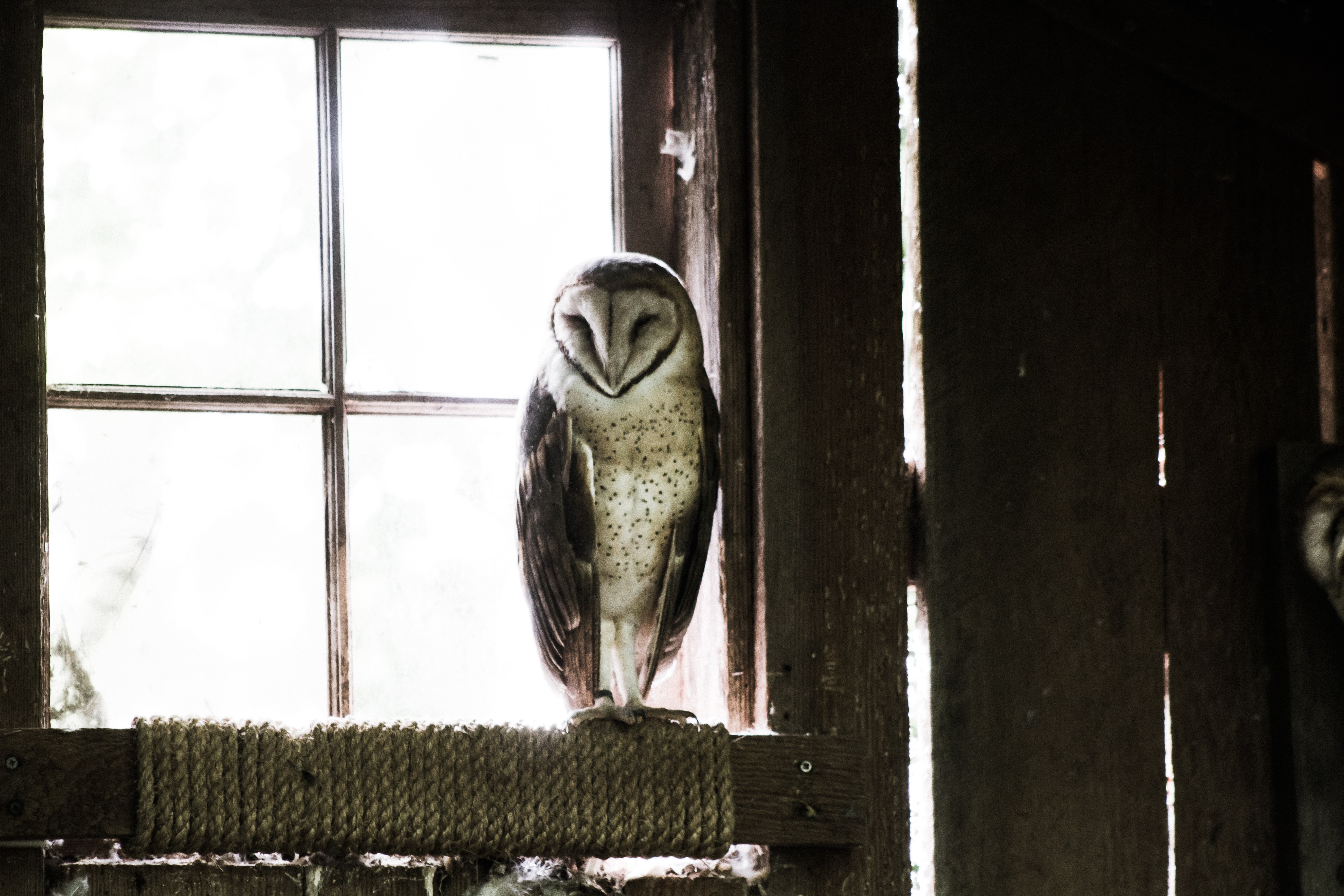
She heard the familiar sound, the sound of the barn owl breaking the silence. It was like the owl was speaking directly to her Soul. Cassie felt calm. In that moment, she felt peace.
It felt good to not be alone. Cassie couldn’t ask her mother for support. Her mother could barely stand on her own. The owl was present with Cassie, seeing her, hearing her. It was like the owl could hear her thoughts. There was a gentle strength about her, the beautiful, unseen barn owl, present with her in the darkness. In the darkness, she felt she could bare her Soul, she could reveal her truest self — her fears, her weaknesses, her darkness.
Cassie let it all go. She held nothing back. She cried out as the deeply held pain left her body. She sobbed and gasped as the emotions rose and crashed like waves. She allowed herself to feel the fear, the uncertainty of what comes next.
The owl continued to speak into the darkness, to hold space for Cassie’s rebirth. Suddenly Cassie could see clearly through the darkness. She wasn’t seeing with her eyes, but with her Soul. It was like she could see through the illusion and the deceit. She knew what was real.
Cassie knew the truth about tonight. It was nothing she or her mother had said or done. This had been her father’s plan all along. He’d only come home to punish her mother, to make her suffer the pain of rejection. He had punished her so many times before — for different things, in different ways. It was destabilizing. It was like her mother was on a ship that took so many twists and turns, she never found her sea legs.
And in that moment, Cassie knew she could never go back. She could not feel her father’s rage and pretend it didn’t exist. She couldn’t feel her mother’s pain and fear as if they were her own. It hurt too much.
She wanted to fly free, to feel the wind on her face like the owl. She wanted to explore the darkness, the shadows.
Cassie said goodbye to that life the next day. She stepped into the next chapter of her life as Cassandra.
That seems like lifetimes ago now. For the first 10 years, she was a magnet for toxic relationships, it seemed, one after the next. It seemed almost the natural path of an artist.
Then she met him, and her world changed in ways she never imagined.
He was so attentive. They had everything in common - from religion to politics to food to who held the remote. They finished each other’s sentences. Cassandra longed for physical contact – to be hugged, to be held. She felt so safe when he drew her into his arms.
He was nothing like her father. He adored her. He was her greatest supporter and biggest fan. For the first time in a relationship, she felt like she was enough.
They fell in love quickly and got engaged after just a few months. He told her he was so lucky, he wanted to marry her before someone else could. She thought he was so romantic.
Their relationship seemed a match made in Heaven. He shared and supported her dreams, believed her art would change the world, and wanted the same number of children.
It was amazing really. His childhood had been rough. An abusive mother and downtrodden father left him constantly feeling in the middle of a war zone. He’d taken on the role of peacemaker and tried to stay under the radar just to be safe at home.
In their relationship, he lied about little things here and there – throwing the winning touchdown in a Saturday afternoon game of football with his friends, the internet being down, calling the plumber. “Who wouldn’t be afraid to tell the truth, given his childhood?” she thought.
Cassandra knew that once he realized he could trust her, the lies would stop. They’d create the beautiful family both only dreamt of growing up. Together they’d forge a new path, on the journey to happiness.
She pictured the two of them growing old together, celebrating their 50th anniversary, having grandkids over for sleepovers and playdates. She dreamt of the trips they would take, the books they would read, the ways they would change the world together.
She was creating what she’d never had, what her mother never had, what until now she hadn’t believed was possible.
Cassandra’s art was gaining in popularity. There was a vulnerability, a rawness, in it that captured people’s hearts. Gallery exhibits, shows, interviews – it was all so exciting. Yet something was off. Where he was initially so supportive, so encouraging of her art, she now was reluctant to show him a new piece or share a new success.
It was so weird. When she did share a new piece, new challenge, or new success with him, she felt vulnerable – and not in a good way. He said the right things, but what she felt from him was anger. His anger was bubbling under the surface, almost undetectable, but she could feel it. It was destabilizing.
Cassandra started to notice a strain in her other relationships and didn’t know why. He told her they were jealous of her success. She had felt so grateful for him, for his support, for their partnership. It seemed he was the only one in the world she could trust. And now it felt like she was losing his support, too. She had no idea why he was so angry.
Her friends became distant. Her mother stopped calling. If she didn’t have him to celebrate her wins, she’d be celebrating alone. Sometimes he pointed that out to her - the absence of any other supporters, anyone else in her corner. He’d say he was the only one who truly understood her, who saw her gift. He was trying to be supportive, she thought, yet each conversation left her feeling worse.
Because she relied on him exclusively for support, she wanted to be able to trust him implicitly. Unfortunately, despite her trust and love, he continued lying about so many things, big and small. She never knew if what he said was true.
She wanted so badly to solve this problem. She needed to solve this problem. Cassandra read books on healthy communication, prioritized sessions with a couple’s counselor, showed him more unconditional love. No change.
The counselor asked her to hold up a figurative mirror to him when he was caught in a lie, to remain solid in the truth, so that he could see it, as if he were somehow blind to it otherwise. Things got worse.
“What was happening?”
Cassandra would point out a lie in a calm, loving manner. She would ask for truth and accountability, just like she was taught. He would give her a beautiful apology full of remorse for her pain, her inability to trust what he said to be true. The next day he would lie again.
In fact, it seemed the more they talked about it, the more often it happened. She’d ask him to be honest about his spending – he’d spend more and hide it better. She’d ask him to come clean about ruining her laundry again, asking him what he was feeling that he wasn’t saying. He’d insist it was an accident, apologize profusely, then ruin something else of hers later that week.
The more she tried to improve their relationship, the worse it got. He became mean, downright cruel even, blaming her for his actions, making every problem her fault. It was like she could do nothing right, and he could do no wrong. She’d listen to his tirades as if she somehow deserved them. Maybe she was toxic to relationships. Maybe she had poisoned this well.
Cassandra felt like she was going crazy. She reached out to her best friend. They weren’t close anymore and she didn’t know why. But she missed her and wanted to be close again. She needed help sorting out what was going on. Cassandra shared story after story from her relationship.
“He took the clean shirt I was planning on wearing to the open out of my closet, off the hanger, and threw it in the wash just before it was time to get ready.”
“He spent the money I set aside for Christmas gifts for his family and gave them nothing.”
“He put a stack of mail under the front seat of his car, and I missed a deadline.”
Cassandra’s stories didn’t draw the expected reaction. She was flabbergasted anyone would do these things. Her friend seemed non-plussed. Cassandra went on.
“He took my shampoo out of the shower, leaving me to discover it was missing when I was soaking wet - again.”
“He hid my keys, and I was nearly late for my show.”
“He said he tried to add my birthday to my digital calendar and deleted my entire calendar. I know when my birthday is!”
“He stood over me yelling and screaming for more than an hour.”
No matter Cassandra’s outrage about each story, not even one seemed to phase her friend. “Did she not care? Did she not believe me? Why does she not understand?” Cassandra wondered.
Little did she know he had told her friend for years how Cassandra was too busy for her, too busy for him, too busy for anyone but herself. That she only cared about her art career. That she was too controlling. That nothing he ever did was good enough. That nothing anyone did was every good enough. That no one could be as perfect as Cassandra.
On the walk home Cassandra started thinking, “Maybe it is me. Maybe I expect too much. Maybe I will never be happy. Maybe I’m putting too much pressure on him. Maybe I’m like my father and no one will ever be good enough for me.”
She started to spiral further, tears streaming down her face, as she walked. “I can’t take this anymore. Not another failed relationship. If I couldn’t make it work with him, I won’t make it work with anyone. I’m going to end up old and all alone.”
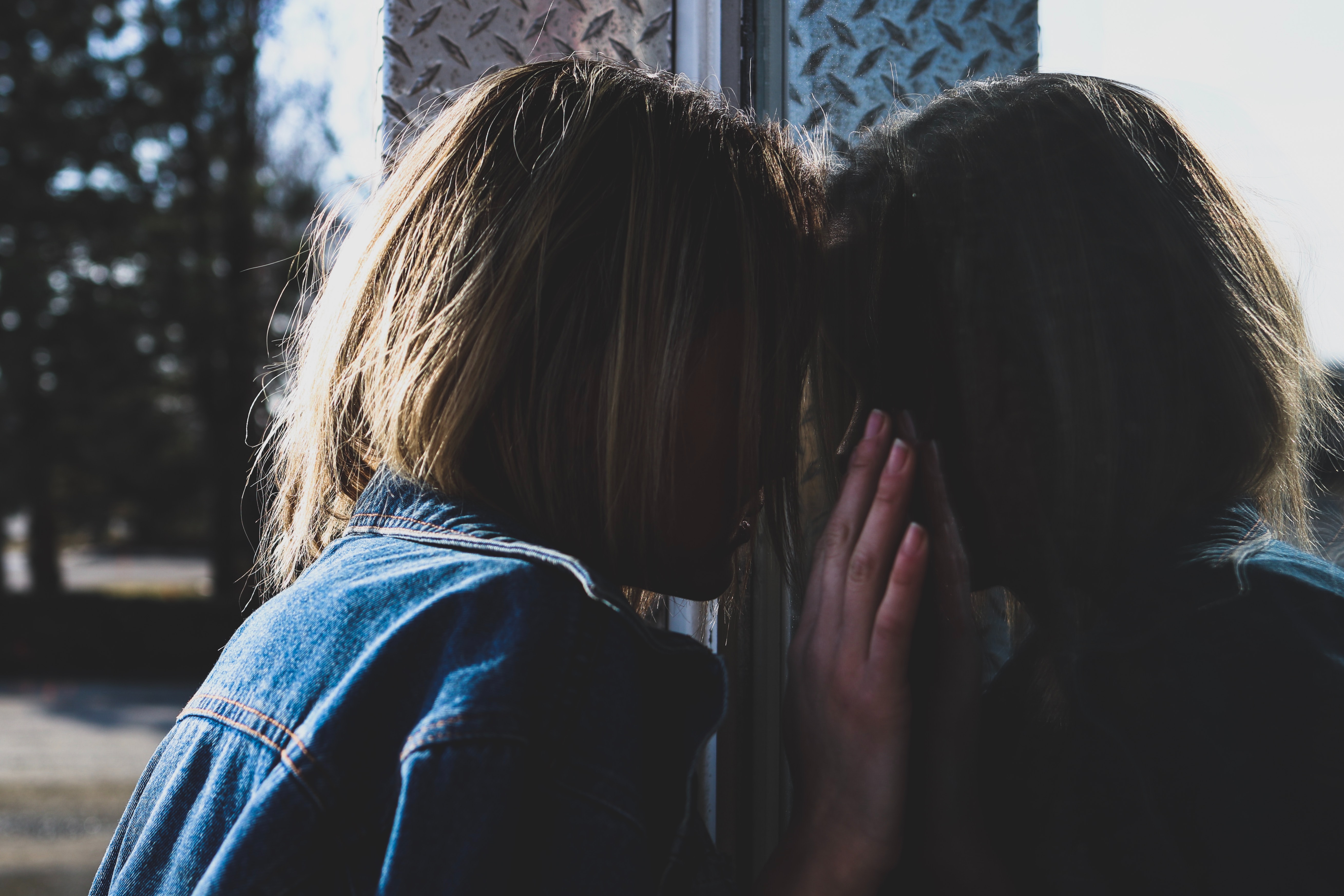
Suddenly sobs wracked her body. Cassandra couldn’t see through the tears. She couldn’t catch her breath. She felt like she couldn’t stand. Stumbling to the edge of the sidewalk, she collapsed against a storefront. Hands to the glass, she tried to gather herself. She couldn’t go home. He would be there. She couldn’t go to the gallery and let people see her like this.
She wondered how bad she looked, how crazy, how completely unhinged. She raised her eyes to meet her reflection in the glass and looked right through it. Just before her was a photograph of a barn owl, its piercing eyes seeing clearly through her pain into her Soul. The world stopped. Suddenly, how she looked or what people thought no longer mattered.
She let out a wailing cry and bent over, hands on her thighs, as wave after wave of sobs moved through her body. Cassandra unleashed her deepest pain, her fear of not being good enough, her fear of being worthless, her fear of being alone, as the energy tore through her body. Unable to hold it back, she let the sound out, the sound of agony, the sound of a tortured Soul.
It was like her volcano erupting, entirely out of her control, releasing back to the earth all the toxic fire stored inside her for decades. In that moment, she said, “Enough.”
The emotional release left as quickly as it came. Cassandra was overcome by a sense of calm, a deep sense of peace. Sure, ending a relationship is hard. She didn’t have the support system she once thought she needed. But Cassandra no longer felt alone. She no longer felt the need to have all the answers. There was relief in her surrender. Because at the heart of it, Cassandra knew she would be okay.
Cassandra darted inside and purchased the barn owl print. Carefully wrapping it in blankets, she placed it in her trunk. If she took it home, he would likely “accidentally” destroy it like other things near and dear to her. So hidden it will stay for now, she thought, taking comfort just knowing it was there.
Cassandra realized her entire life she had replaced one toxic, narcissistic relationship with the next – only this one was subtle, insidious, invisible not only to the outside world, but to her for so long. Once she saw the truth so clearly, it was impossible to unsee it.
Fast forward three days. Cassandra is at home painting the night of his friend’s party. He bursts into the room launching into his latest tirade, his litany of accusations and complaints.
What once would have paralyzed her now seems almost comical. The accusations utterly ridiculous. Such pathetic attempts to get attention, to belittle her, to make himself feel better. His barbed words no longer sting. She rejects the need to internalize his projections. This is not her issue to resolve. Nothing is wrong with her. Something is very wrong with him, and while that’s truly sad, it’s not her problem to solve. “If only I could hurry this tirade along,” she thinks. The fall night is calling to her. The outdoors has always felt like home.
At last, he leaves, and Cassandra finally steps out into the October night air. As she walks, she sinks more deeply into the earth, not melting away from toxicity, but rather connecting deeply to the ground. With each step, she becomes more present in her body. Her night vision crisper. Her hearing sharpened. Her sense of smell heightened.
She smells that sweet aroma of autumn leaves, the smell born out of their death and decay, the smell that must come before their rebirth every spring. The sweet smell of the leaves marks the sweetness of her death – the death of her relationship, not only with him, but with her old self. Never again will she allow someone to take her Soul. Never again will she abandon herself.
She feels the resolve in her bones. She feels the expansion in her breath. She feels the wholeness in her heart.
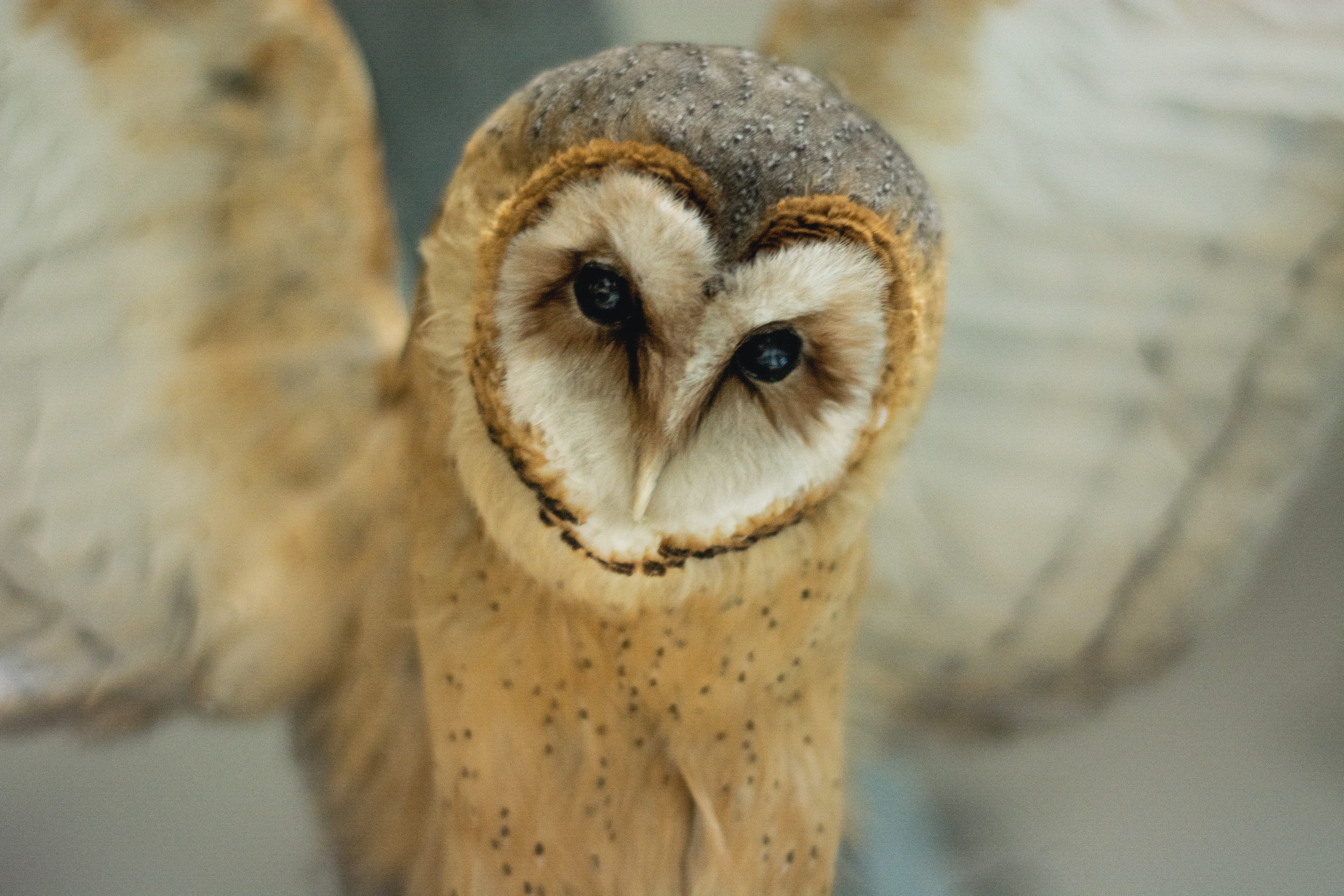
She gasps as she sees the barn owl in the trees. The owl is her totem, her symbol of rebirth. She stands motionless, transfixed by the owl’s beauty, her wisdom, her clarity.
Like the farmer, Cassandra harvests her gains from this past year, from her life. She realizes the owl is not only a symbol, a source of comfort. Cassandra has become the owl from long ago – seeing into the darkness, seeing into the shadows, seeing through the deceit and illusion. Seeing what is real.
It’s only fitting that this owl is present on her journey tonight. So beautiful. So elegant. So all-knowing.
The barn owl heralds the dawn of her spiritual awakening, her rebirth. And Cassandra knows never again will she be alone.
About the Creator
Dr Melissa Kalt, MD
Dr Melissa is a Solver of Unsolvable Problems and Antifragile Narcissist Survival Expert. She is on a mission to end narcissistic abuse, helping others transition to becoming antifragile.
Gain clarity about your journey at NarcLessLife.com
Enjoyed the story? Support the Creator.
Subscribe for free to receive all their stories in your feed.
Comments
There are no comments for this story
Be the first to respond and start the conversation.