
How to Improve Your Mental Health
A Comprehensive Guide
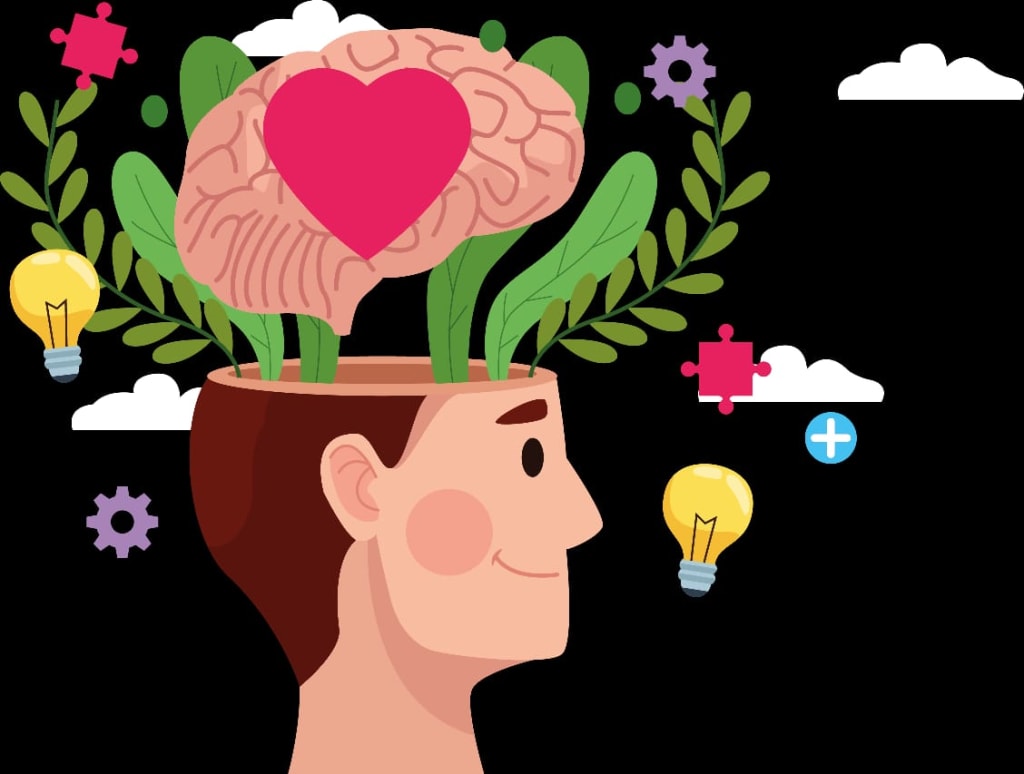
Mental health is an essential part of overall well-being, yet it is often overlooked in the hustle and bustle of daily life. In today's fast-paced world, many individuals experience stress, anxiety, and other mental health challenges. However, there are many strategies to improve mental health and build resilience. Whether you are experiencing specific mental health concerns or simply want to enhance your overall well-being, taking proactive steps can have a profound impact. In this article, we will explore various practical approaches to improve mental health, ranging from lifestyle changes to psychological strategies.
1. Prioritize Self-Care
Self-care is the foundation of mental health. It involves taking time to nurture your physical, emotional, and psychological needs. When you are physically healthy and well-rested, your mind is better equipped to handle challenges and stress.
A. Physical Activity
Exercise is one of the most effective ways to improve mental health. Physical activity releases endorphins, the body's natural mood-boosting chemicals. Regular exercise, whether it’s walking, running, yoga, or dancing, helps reduce symptoms of anxiety and depression. It also promotes better sleep, which is crucial for mental well-being. Aim for at least 30 minutes of moderate exercise most days of the week.
B. Nutrition
What you eat directly impacts your mood and energy levels. A balanced diet rich in whole foods, including fruits, vegetables, lean proteins, and whole grains, supports mental clarity and emotional stability. Avoid excessive caffeine, alcohol, and processed foods, which can lead to mood swings or disrupt sleep patterns.
C. Sleep
Quality sleep is vital for mental health. Chronic sleep deprivation can lead to irritability, difficulty concentrating, and increased susceptibility to stress. Establish a regular sleep schedule, avoid electronic screens before bed, and create a peaceful sleep environment. Aim for 7–9 hours of restful sleep each night.
D. Relaxation and Stress Management
Incorporating relaxation techniques into your daily routine can help manage stress. Meditation, deep breathing exercises, mindfulness, and progressive muscle relaxation are all effective ways to calm the mind. Take time throughout the day to relax and reconnect with your body.
2. Build a Support System
Strong social connections are essential for mental health. Having a support system of friends, family, or even professional counselors can provide comfort and perspective when facing challenges.
A. Social Connections
Spending time with loved ones or engaging in community activities helps reduce feelings of loneliness and isolation. Meaningful social interactions foster a sense of belonging, which is important for emotional well-being. Make an effort to connect with others regularly, whether it’s through phone calls, social gatherings, or online communities.
B. Therapy and Counseling
Therapy can be incredibly beneficial for managing mental health concerns. Speaking with a licensed therapist can help you gain insights into your thoughts, emotions, and behaviors. Cognitive Behavioral Therapy (CBT), for example, is an evidence-based approach that helps individuals identify and challenge negative thought patterns. Counseling offers a safe space for individuals to process emotions and develop coping strategies for dealing with life’s challenges.
C. Support Groups
Support groups provide a platform to share experiences with others who are going through similar struggles. These groups can be a source of comfort and validation, helping individuals feel understood and less isolated. Whether in-person or online, support groups offer both emotional and informational support.
3. Practice Mindfulness and Meditation
Mindfulness refers to the practice of being present in the moment, fully aware of your thoughts, emotions, and sensations without judgment. Meditation, a form of mindfulness, has been shown to reduce stress, enhance emotional regulation, and promote mental clarity.
A. Mindfulness Practices
Mindfulness can be practiced in everyday activities like eating, walking, or even washing dishes. The key is to focus on the present moment and notice the sensory experiences without judgment. When your mind begins to wander, gently bring your attention back to the task at hand.
B. Meditation
Meditation offers a structured way to practice mindfulness. There are various forms of meditation, including guided meditation, loving-kindness meditation, and mindfulness meditation. You can start with just a few minutes a day, gradually increasing the duration as you become more comfortable. Research shows that regular meditation can help reduce anxiety, improve focus, and enhance overall mental health.
C. Breathing Techniques
Deep breathing exercises, such as diaphragmatic breathing, can activate the body’s relaxation response, helping to reduce stress and anxiety. A simple technique is the 4-7-8 method: inhale for four seconds, hold your breath for seven seconds, and exhale slowly for eight seconds. This practice calms the nervous system and promotes mental clarity.
4. Develop Healthy Thought Patterns
Your thoughts play a significant role in your emotional well-being. Negative thought patterns, such as rumination or catastrophizing, can exacerbate feelings of anxiety and depression. One of the most effective ways to improve mental health is to develop healthier, more balanced thinking habits.
A. Challenge Negative Thoughts
Cognitive Behavioral Therapy (CBT) is a powerful tool for changing negative thought patterns. In CBT, you learn to recognize distorted thinking and replace it with more realistic and positive alternatives. For example, instead of thinking, "I can’t handle this," you can reframe it as, "This is difficult, but I am capable of managing it."
B. Practice Self-Compassion
Many individuals are overly critical of themselves, especially when faced with failure or mistakes. Self-compassion involves treating yourself with the same kindness and understanding that you would offer to a friend. Instead of self-blame, try to acknowledge your challenges with empathy and understanding. Practicing self-compassion can reduce feelings of shame and increase emotional resilience.
C. Gratitude Journaling
Cultivating gratitude has been shown to enhance mental health. A daily gratitude practice involves writing down things you are thankful for, no matter how small. This practice shifts your focus from negative thoughts to positive aspects of your life, fostering a more optimistic outlook. Research shows that practicing gratitude can improve mood, reduce stress, and enhance overall well-being.
5. Set Realistic Goals
Setting and achieving goals can provide a sense of purpose and accomplishment, both of which are important for mental health. However, it’s important to set goals that are realistic and attainable. Setting yourself up for success can help prevent feelings of failure and frustration.
A. Break Down Large Goals
Large, overwhelming goals can create unnecessary stress. Break them down into smaller, manageable tasks that can be completed step by step. This helps create a sense of progress and prevents feelings of being stuck or overwhelmed.
B. Celebrate Small Wins
Take time to celebrate your progress, no matter how small. Acknowledging your achievements helps build self-esteem and motivation. This positive reinforcement encourages continued effort and persistence, even in the face of challenges.
C. Balance Ambition with Self-Care
While pursuing goals is important, it is equally important to avoid overloading yourself. Prioritize rest, self-care, and downtime to prevent burnout. A balanced approach to goal-setting allows you to work towards your aspirations while maintaining your mental and emotional health.
6. Practice Resilience and Adaptability
Life is full of challenges, and the ability to bounce back from adversity is essential for maintaining good mental health. Resilience is the capacity to recover quickly from difficulties and adapt to changes.
A. Embrace Change
Life is unpredictable, and change is inevitable. Instead of resisting change, try to embrace it as an opportunity for growth. Developing a flexible mindset allows you to navigate challenges with greater ease and confidence.
B. Build Coping Skills
Developing healthy coping strategies is key to managing stress and adversity. Coping skills, such as problem-solving, time management, and emotional regulation, help you respond to difficult situations in constructive ways. Over time, these skills can strengthen your ability to deal with life’s challenges.
C. Practice Optimism
Optimism is a mindset that can be cultivated over time. It involves focusing on the positive aspects of life, even in difficult circumstances. While it’s important to acknowledge challenges, it’s equally important to remind yourself of your strengths and the positive aspects of your situation.
7. Seek Professional Help When Needed
If you are struggling with your mental health, seeking professional help is an important step. Mental health professionals, such as psychologists, psychiatrists, and counselors, can offer guidance, therapy, and medication if needed. Therapy is not just for those with serious mental health conditions—it can be a valuable tool for anyone looking to improve their mental well-being.
________________________________________
Conclusion
Improving your mental health is a continuous process that requires self-awareness, dedication, and consistent effort. By prioritizing self-care, building strong social connections, practicing mindfulness, challenging negative thoughts, and setting realistic goals, you can enhance your mental and emotional well-being. Remember, it’s normal to experience difficult emotions, and it’s okay to ask for help when needed. With time and patience, you can cultivate a healthier, more resilient mindset that will enable you to navigate life’s challenges with confidence and strength.
About the Creator
Shivansh
Hello Friend's im Shivansh. i'm part time writer and also working professional and also youtuber. if you like my stories please like and motivate me to think new and more stories for you.
Enjoyed the story? Support the Creator.
Subscribe for free to receive all their stories in your feed.
Comments
There are no comments for this story
Be the first to respond and start the conversation.