
How to Identify a Driveway that Needs Repair
Learn about cracks, potholes, and other signals that it's time for some concrete work.
Your driveway is one of the most used areas of your home, yet it often gets neglected when it comes to upkeep and repairs. Over time, exposure to the elements, the weight of vehicles, and daily wear and tear can cause significant damage, including cracks, potholes, and other issues. But how do you know when it’s time to address these problems? In this article, we’ll highlight the key signs that your driveway is in need of repair and why it’s crucial to act promptly. Whether you’re looking for driveway repair in Houston with its unstable soil base or contemplating a complete replacement, understanding these indicators will help you make the best decision for your property.
1. Noticeable Cracks
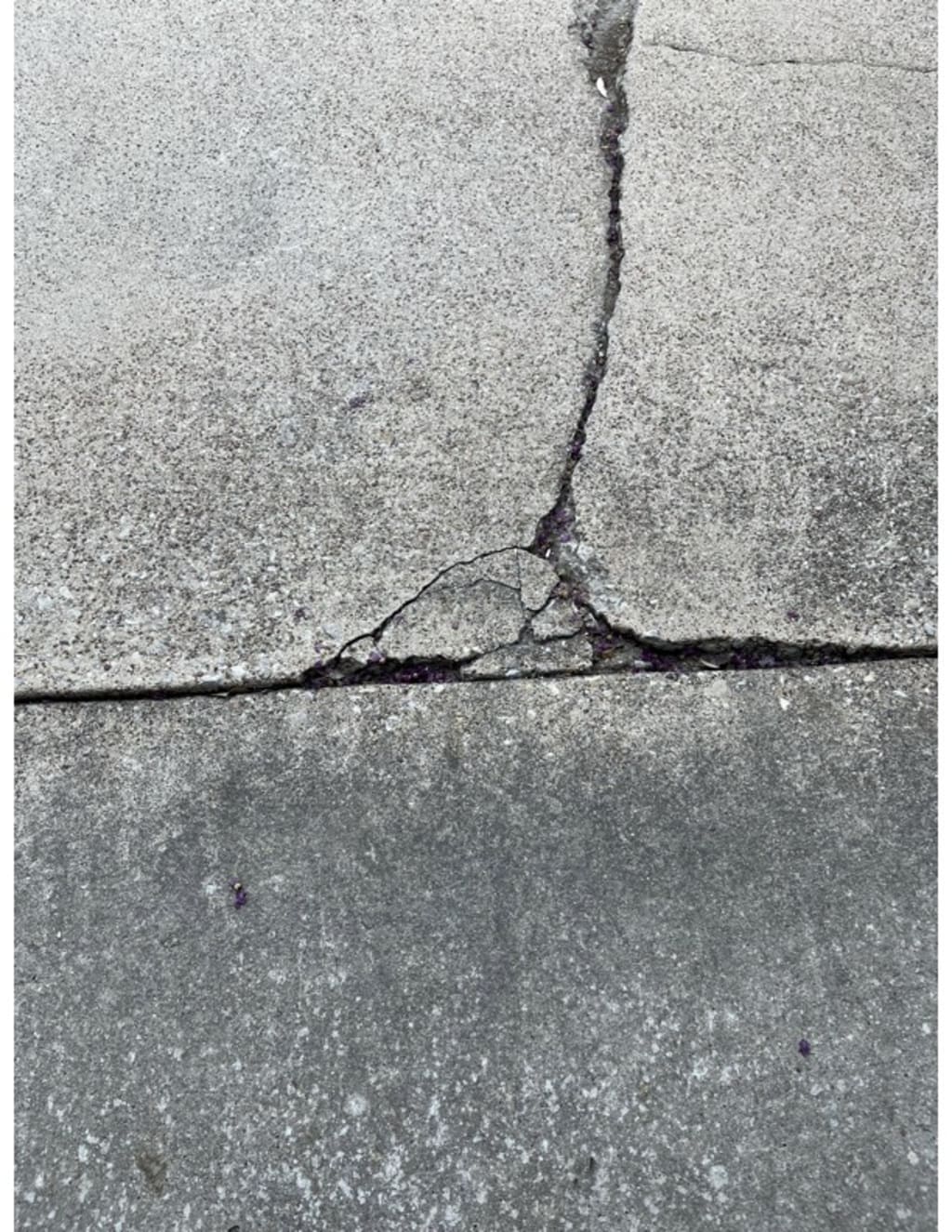
Cracks are a common sign that your driveway requires attention. While small cracks may seem minor at first, they can quickly grow and worsen if left unaddressed. Water can seep into these cracks, causing further deterioration and structural problems over time.
If you spot cracks in your driveway, it’s important to repair them promptly. Smaller cracks can often be filled with DIY solutions, but for larger or more widespread damage, professional concrete driveway repair is recommended for a durable solution.
2. Potholes
Potholes are more than just eyesores; they can pose serious safety risks. These depressions form when water infiltrates through cracks and weakens the underlying soil. As vehicles pass over the area, the surface collapses, creating a pothole.
Ignoring potholes can lead to more extensive damage and even accidents. If you notice potholes in your driveway, it’s time to consider full driveway repair. Fixing them quickly can prevent them from growing larger and becoming more costly to repair.
3. Drainage Problems
Effective drainage is essential to maintaining your driveway's condition. If you notice water pooling or improper runoff, it could signal underlying problems. Poor drainage can lead to erosion, cracks, potholes, and even damage to your home’s foundation if water isn’t directed away properly.
Addressing drainage issues early may involve regrading the surface, installing drainage systems, or consider a driveway tear out and replacement if the damage is severe.
4. Fading and Discoloration
Over time, driveways can fade or become discolored due to sun exposure, weather, and chemicals like oil and antifreeze. Although fading doesn’t directly impact the structural integrity, it can diminish your home’s curb appeal.
A thorough cleaning and sealing can sometimes restore the look of your driveway. However, if fading is accompanied by cracks or surface damage, it may be time to explore professional concrete driveway repair.
5. Uneven or Sunken Areas
Uneven or sunken areas in your driveway are often signs of deeper issues with the soil or foundation beneath. These problems can create an unsightly and hazardous surface, affecting drainage and posing tripping risks.
If parts of your driveway are sinking or becoming uneven, it’s critical to address the issue before it worsens. Driving a heavy vehicle over already uneven areas can make them worst - quick. Have a professional come out to assess before repairs become more costly.
6. Surface Deterioration
Surface deterioration, such as spalling (flaking or peeling) or scaling (breaking away of the surface layer), is a common issue with older driveways. It can be caused by freeze-thaw cycles, chemical exposure, or subpar concrete quality.
If your driveway’s surface is deteriorating, it’s a clear signal that concrete driveway repair may be necessary. Depending on the extent of the damage, resurfacing or replacing the driveway might be required to restore its functionality and appearance.
7. Driveway Age
The age of your driveway is a key factor in determining whether it needs repair or replacement. Most concrete driveways last between 20-30 years, depending on installation quality, materials, and maintenance. If your driveway is nearing or past this age, even without visible damage.
Older driveways are more susceptible to issues like cracks, potholes, and surface deterioration. Replacing your driveway before these problems become severe can save you from more extensive and costly repairs down the line.
8. Frequent Repairs
If you’re constantly repairing your driveway, it could indicate that the underlying issues are too significant to be addressed with minor fixes. While patching cracks and filling potholes can offer temporary relief, ongoing repairs can become costly and time-consuming.
In such cases, investing in a driveway replacement may be more cost-effective in the long run. A new driveway eliminates the need for frequent repairs, providing a fresh start and long-term durability.
9. Impact on Curb Appeal
Your driveway plays a crucial role in your home’s overall curb appeal. A cracked, faded, or uneven driveway can detract from your property’s appearance and create the impression of poor maintenance. This is especially important if you’re planning to sell your home, as a damaged driveway can deter potential buyers.
Investing in repairing or replacing your driveway can significantly enhance your home’s curb appeal, making it more attractive to visitors and buyers alike. A well-maintained driveway not only improves your property’s appearance but also adds value to your home.
Conclusion
Your driveway is an essential part of your home’s exterior, and keeping it in good condition is vital for its appearance and functionality. By recognizing the signs that your driveway needs repair—such as cracks, potholes, drainage issues, and surface deterioration—you can take proactive steps to address these problems before they escalate. Whether you need driveway repair in or are considering a full replacement, there are professionals in your area ready to help. With expertise in concrete repair and replacement, surely they’ll ensure your driveway remains a safe, attractive, and valuable part of your property for years to come.
About the Creator
Enjoyed the story? Support the Creator.
Subscribe for free to receive all their stories in your feed.
Comments
There are no comments for this story
Be the first to respond and start the conversation.