
How to Care for Lab Grown Diamond Jewellery
Everything I wish someone had told me before my necklace nearly fell apart: cleaning, storage, and the small habits that actually matter.
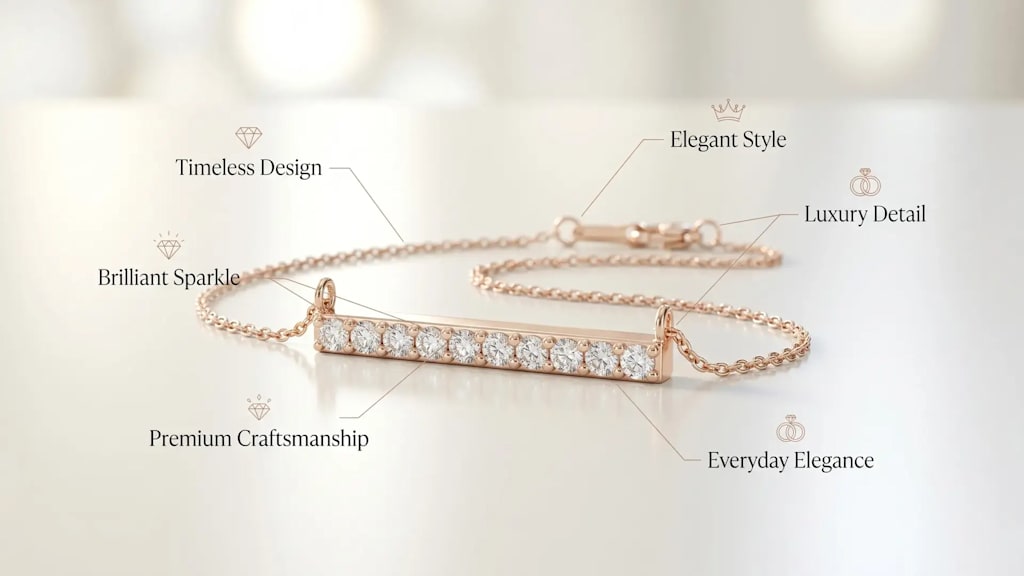
I found out the hard way that diamonds being nearly indestructible doesn’t mean the jewellery around them is. I’d had a pendant necklace for about two years, worn constantly, never once cleaned or stored properly, just tossed in a drawer with everything else. When I finally looked at it closely one evening, the stone had gone slightly dull, the chain had a faint tarnish, and one of the prongs had loosened enough that I genuinely could have lost the diamond without noticing. That was the moment I actually sat down and learned how this stuff is supposed to be looked after.
It turns out the care itself isn’t complicated. Most of it takes minutes. The issue is just that nobody tells you any of it when you buy the piece, so it sits there quietly degrading until something forces you to notice.
Why Lab Grown Diamonds Still Need Looking After
Lab grown diamonds are chemically and physically identical to mined ones, same hardness, same durability, same resistance to scratching. That part genuinely doesn’t need babying. What does need attention is everything around the stone. The setting, the prongs, the clasp, the chain, the metal itself. None of that is diamond. All of it is vulnerable to the ordinary wear of daily life in a way the stone isn’t.
Skin oils, lotion, perfume, and dust, none of it damages the diamond itself, but all of it builds up on the surface and dulls how the stone reads. A diamond covered in a thin film of everyday residue simply doesn’t sparkle the way a clean one does, even though structurally nothing has changed. That’s really the whole problem in one sentence: the stone is fine, but everything touching it needs help.
Cleaning It Properly Without Overdoing It
The cleaning routine that actually works is almost embarrassingly simple. Warm water, a small amount of mild dish soap, a soft toothbrush, and a lint free cloth. That’s genuinely it.
Soak the piece for a few minutes, then use the toothbrush to gently work around the setting and underneath the stone, where most of the buildup actually collects. Rinse it thoroughly; soap residue left behind defeats the point, and dry it with the cloth rather than letting it air dry, which can leave water spots on the metal. This works for pretty much everything: a pendant, a choker, a bracelet, it doesn’t matter. Once every week or two is plenty for something worn regularly.
Storing It So It Doesn’t Damage Itself
This is the part I’d been getting wrong for two years. Diamonds are hard enough to scratch other jewellery, including softer metals like gold and silver, if they’re tossed in together. Store pieces separately where you can, in individual compartments, soft pouches, or a jewellery box with proper dividers. Keep things out of direct sunlight and away from humid spots like a bathroom shelf, since moisture isn’t kind to metal settings over time.
None of this needs to be elaborate. A simple lined box with a few separate sections does the job. The point is just not letting pieces sit in a pile touching each other.
Taking It Off at the Right Moments
I used to wear my necklace through everything, gym, gardening, cleaning the house, all of it. That’s exactly how settings loosen and chains weaken faster than they should. Exercising, swimming, gardening, heavy lifting, and household cleaning are the obvious culprits. None of them will destroy a diamond, but they’re hard on everything holding it in place.
It takes about ten seconds to take a necklace off before a workout. I genuinely never bothered, and the loose prong I eventually noticed was the direct result of that laziness. Now I don’t skip it.
Keeping Chemicals Away From It
Perfume, hairspray, cleaning products, chlorine, and bleach, all of these can dull or discolour metal settings over time, even if the diamond itself is unaffected. The easy fix is sequencing: put on perfume and styling products first, then put on the jewellery last, right before you leave the house. It sounds like a minor habit, but it makes a genuinely noticeable difference over months and years.
Checking the Settings Before They Become a Problem
A diamond is only as secure as whatever’s holding it. Prongs loosen. Clasps weaken. This happens gradually enough that you often don’t notice until something’s actually wrong, which, for a necklace clasp especially, can mean losing the piece entirely.
Worth checking every so often for loose stones, worn prongs, weak clasps, or settings that look slightly bent out of shape. If anything feels off, get it looked at properly rather than waiting. Fixing a loose prong costs very little. Replacing a diamond that’s fallen out and been lost costs considerably more, in every sense.
Why Professional Cleaning Still Matters
Home cleaning handles the everyday buildup, but it doesn’t reach everywhere. Jewellers have ultrasonic cleaners and steam tools that get into the tiny gaps under a setting that a toothbrush simply can’t access. An annual check up, a proper clean plus someone actually inspecting the prongs and clasp under magnification, catches small issues long before they become expensive ones. It’s a small habit that ends up saving money over the years rather than costing it.
Travelling Without Wrecking Everything
Throwing jewellery loose into a suitcase is asking for tangled chains and scratched settings. A proper travel case with individual compartments solves most of it. Keep jewellery in carry on luggage rather than checked bags, secure clasps before packing so chains don’t catch on anything, and never leave anything valuable unattended in a hotel room if you can avoid it. None of this is dramatic. It’s just slightly more deliberate than throwing things in a bag.
None of this is complicated once you actually know it. Clean it regularly, store it properly, take it off before anything physical, keep chemicals away from it, and get it checked once a year. That’s the entire system. I wish someone had just told me this when I bought my first piece instead of letting me find out the slow way, with a dull stone and a prong that nearly gave up entirely. Good jewellery is meant to last decades. It mostly just needs you to not actively work against it.
About the Creator
Enjoyed the story? Support the Creator.
Subscribe for free to receive all their stories in your feed.
Comments
There are no comments for this story
Be the first to respond and start the conversation.