
How can I incorporate mindfulness and meditation into my fitness routine for overall well-being?
way to mindfulness
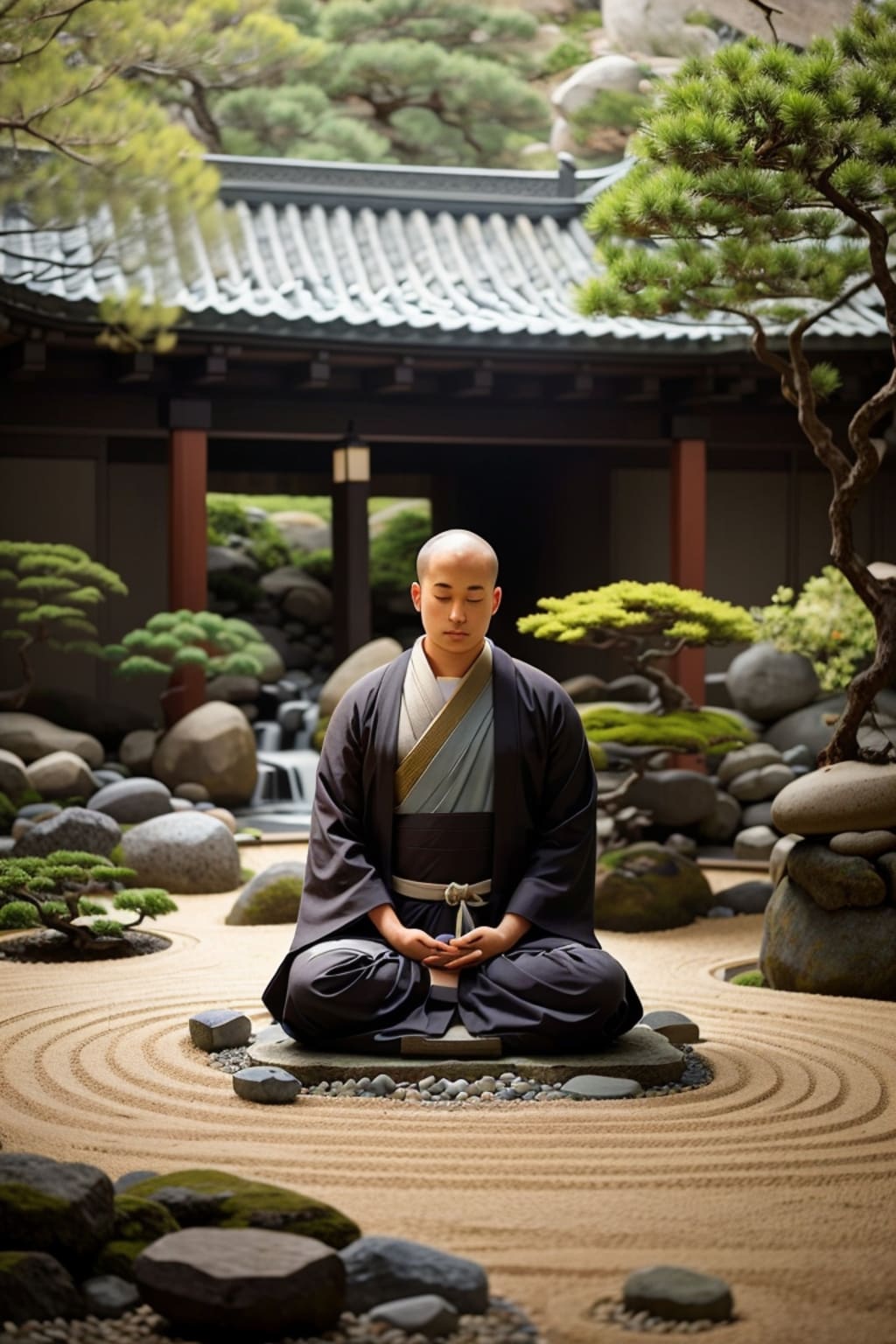
To incorporate mindfulness and meditation into your fitness routine for overall well-being, you can follow these steps:
Pre-Workout Intention: Before starting your fitness routine, set an intention for your practice. It could be as simple as focusing on the present moment, cultivating a positive mindset, or connecting with your body and breath.
Mindful Warm-Up: Begin your workout with a mindful warm-up. Pay attention to the sensations in your body, the movements you perform, and the rhythm of your breath. Stay present and fully engage in each warm-up exercise.
Mindful Movement: Practice mindfulness during your fitness activities. Whether you're strength training, doing cardio exercises, or practicing yoga, bring your full attention to each movement. Notice the sensations, the muscles being engaged, and the connection between your mind and body.
Breath Awareness: Throughout your workout, maintain awareness of your breath. Focus on the natural rhythm of your inhalations and exhalations. If your mind wanders, gently bring your attention back to the breath and the present moment.
Post-Workout Reflection: After completing your fitness routine, take a few moments to reflect on how you feel mentally, emotionally, and physically. Observe any changes or sensations that arose during the workout. Practice gratitude for your body's capabilities and the effort you put into your well-being.
Cool-Down Meditation: Dedicate a few minutes to a cool-down meditation. Find a comfortable seated or lying position, close your eyes, and bring your attention to your breath. Allow any thoughts or distractions to pass without judgment, simply focusing on the sensation of breathing in and out. You can also use guided meditation apps or videos to assist you.
Mindful Stretching: During your stretching routine, bring mindfulness to each movement. Observe the sensations in your muscles and joints, and use your breath to deepen the stretches. Stay fully present and attentive to your body's needs.
Mindful Walking or Outdoor Activities: If possible, incorporate mindful walking or outdoor activities into your fitness routine. Pay attention to the environment around you, the sensations in your body, and the connection with nature. Engaging your senses can deepen the experience of mindfulness.
Regular Meditation Practice: Set aside dedicated time for meditation outside of your fitness routine. Start with short sessions, gradually increasing the duration as you progress. Explore different meditation techniques such as focused breathing, body scans, loving-kindness meditation, or guided mindfulness practices.
Consistency and Self-Compassion: Remember that mindfulness and meditation are skills that develop over time. Be consistent with your practice, even if it's just a few minutes each day. Approach yourself with self-compassion and patience, understanding that each practice session contributes to your overall well-being
below are the benefits of meditation
Stress reduction: Regular meditation helps to relax the mind and body, reducing stress levels. It activates the body's relaxation response, leading to a sense of calm and well-being.
Improved focus and concentration: Meditation enhances the ability to concentrate and maintain focus. It strengthens the attentional system, allowing individuals to stay present and attentive in their daily activities.
Emotional well-being: Meditation cultivates a sense of inner peace and emotional stability. It can help manage anxiety, depression, and other negative emotions by promoting mindfulness and fostering a more positive outlook.
Increased self-awareness: Through meditation, individuals develop a deeper understanding of their thoughts, emotions, and behavioral patterns. This self-awareness can lead to personal growth, improved decision-making, and better relationships.
Enhanced cognitive function: Research suggests that meditation positively affects cognitive abilities such as memory, creativity, and problem-solving. It improves brain functioning by strengthening neural connections and increasing gray matter in certain regions.
Better sleep: Regular meditation promotes relaxation and can help alleviate insomnia or sleep-related issues. It calms the mind and body, making it easier to fall asleep and enjoy more restful nights.
Stress management: Meditation equips individuals with effective techniques to cope with stress. It encourages non-reactivity and acceptance, enabling individuals to respond to challenging situations with greater clarity and composure.
Physical health benefits: Meditation is linked to various physical health advantages. It can reduce blood pressure, improve immune function, alleviate chronic pain, and promote overall well-being.
Increased compassion and empathy: Regular meditation fosters feelings of compassion, kindness, and empathy towards oneself and others. It promotes a sense of interconnectedness and can improve relationships and social interactions.
Spiritual growth: For those seeking spiritual development, meditation can deepen their connection with their inner self, increase self-reflection, and facilitate a sense of purpose and fulfillment.
Remember that individual experiences with meditation may vary, and it's essential to find a meditation style and practice that suits you best. Consistency and patience are key when exploring the benefits of meditation.
By incorporating mindfulness and meditation into your fitness routine, you can enhance your mind-body connection, reduce stress, and promote a sense of overall well-being. Experiment with different techniques and find what works best for you. If needed, consider seeking guidance from meditation teachers, mindfulness coaches, or using mindfulness apps to support your practice.
About the Creator
Kavithma Sansiluni
As a pre-medical student at the esteemed Vitebsk State Medical University in Belarus. I am passionate about the field of biology. With a thirst for knowledge and a drive to explore new frontiers
Enjoyed the story? Support the Creator.
Subscribe for free to receive all their stories in your feed.
Comments
There are no comments for this story
Be the first to respond and start the conversation.