
Hantavirus Outbreak on MV Hondius
MV Hondius Hantavirus Outbreak: 3 Dead, Cruise Lands in Europe as WHO Investigates

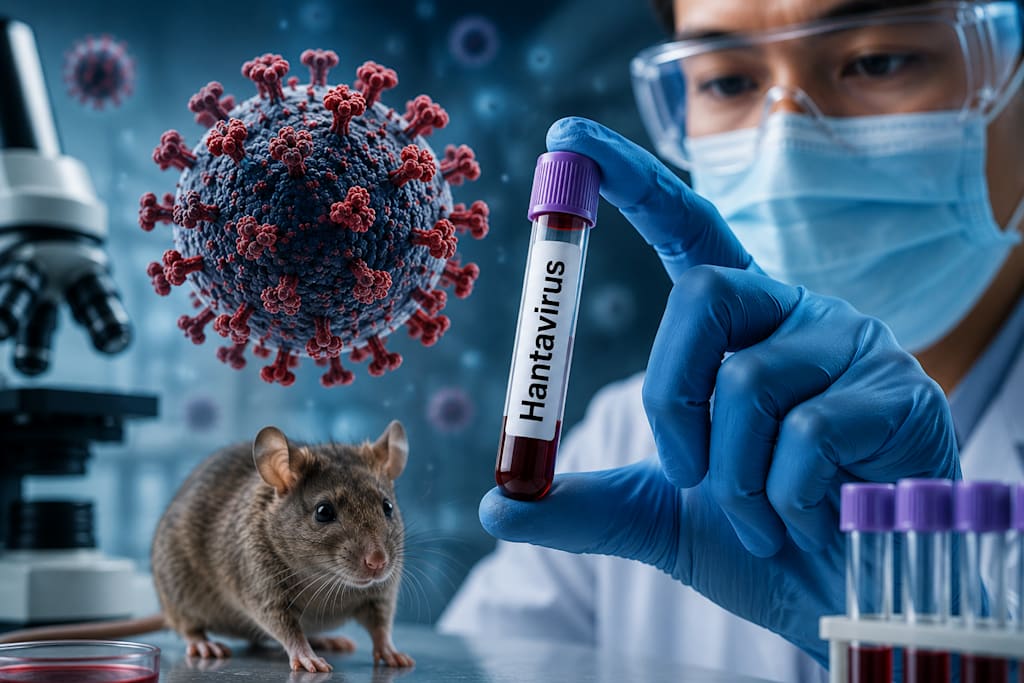
A deadly hantavirus outbreak aboard the Dutch-flagged cruise ship MV Hondius has sparked global health concerns after three passengers died and multiple others fell ill during an Atlantic voyage. The ship, which had been sailing after an Antarctic expedition, became the center of an international health emergency after passengers began showing symptoms of severe respiratory illness. Health authorities, led by the World Health Organization (WHO), have now launched a full investigation into the outbreak as the vessel reached Europe.
The outbreak was first officially reported after a passenger developed fever and severe headaches before later suffering respiratory distress. According to health officials, the first fatality occurred onboard, raising alarms among the medical crew. Soon after, additional passengers began reporting similar symptoms, prompting urgent testing and isolation measures. By May 4, at least seven cases had been identified, including two laboratory-confirmed hantavirus infections and five suspected cases. Three of those infected later died.
Cruise Ship Lands in Europe After Emergency Response
The MV Hondius eventually landed in Europe after days of uncertainty at sea. Medical teams wearing hazmat suits boarded the ship to evacuate suspected hantavirus patients and provide urgent treatment. Authorities moved quickly to isolate infected passengers and begin tracing all possible contacts onboard. The arrival of the cruise ship in Europe marked a major turning point in the outbreak response, as health agencies intensified containment measures.
Reports indicate that nearly 40 passengers have already left the ship, while others remain under medical observation. International health teams are now monitoring both crew members and passengers who may have been exposed during the voyage.
What Is Hantavirus?
Hantavirus is a rare but potentially dangerous virus usually spread through contact with rodents or their droppings, urine, or saliva. Humans can become infected by inhaling contaminated dust particles or by direct contact with infected surfaces. While cases remain uncommon, hantavirus infections can become severe very quickly.
The virus often begins with flu-like symptoms such as fever, muscle pain, fatigue, and headaches. In severe cases, it can progress into Hantavirus Pulmonary Syndrome (HPS), a life-threatening condition that affects the lungs and causes breathing difficulties. According to medical experts, hantavirus has a high fatality rate if not treated early.
Why This Outbreak Is Raising Alarm
What makes the MV Hondius outbreak particularly concerning is the unusual setting. Hantavirus outbreaks are typically linked to rural or wilderness exposure where rodent activity is common. A cruise ship outbreak is highly uncommon and raises questions about how passengers were exposed.
Health investigators are now examining whether the infection began during the Antarctic expedition phase of the journey or while the vessel was traveling across the Atlantic. Cruise ships often involve close quarters, shared facilities, and limited isolation space, making disease containment more challenging.
Scientists have emphasized that while the outbreak is serious, it does not indicate the start of a new pandemic. Hantavirus does not spread as easily as respiratory viruses like COVID-19, and transmission is usually linked to rodent exposure rather than person-to-person contact. However, the investigation remains active as more cases could still emerge.
WHO Monitoring the Situation
The World Health Organization has taken the lead in coordinating international response efforts. The agency is working with European health authorities to identify exposed passengers, assess risks, and prevent further spread.
WHO officials have stated that the public risk remains low at this stage, but the cruise ship outbreak serves as a reminder of how quickly infectious diseases can escalate in isolated environments.
Passengers who disembarked are being contacted and monitored for symptoms, while laboratories continue testing suspected cases. Early detection remains crucial in managing hantavirus cases, as there is no specific antiviral cure available.
Symptoms to Watch and Prevention Tips
Health experts are urging anyone who traveled on the MV Hondius or came into close contact with infected individuals to monitor for symptoms, including:
- Fever
- Severe headaches
- Muscle pain
- Fatigue
- Nausea
- Shortness of breath
If symptoms appear, immediate medical attention is strongly recommended.
To reduce the risk of hantavirus infection, experts advise avoiding rodent-infested areas, maintaining proper hygiene, sealing food containers, and cleaning potentially contaminated spaces carefully.
What Happens Next?
As investigations continue, the number of confirmed cases could rise. Authorities are focused on understanding how the outbreak started, whether additional passengers are infected, and what safety gaps may have contributed to the spread onboard.
For now, the MV Hondius outbreak remains one of the most unusual hantavirus incidents in recent years — a deadly reminder that infectious disease risks can emerge even in the most unexpected places.
About the Creator
Veronica Bennett
Author at Stories Buzz | Unleashing worlds through words ✨ | Writer-girl weaving magic into stories 📚 | Creating realms where dreams take flight 🌈 | #WriterLife #Storyteller
My work: https://storiesbuzz.co.uk/
Enjoyed the story? Support the Creator.
Subscribe for free to receive all their stories in your feed.
Comments
There are no comments for this story
Be the first to respond and start the conversation.