
Hair Transplants and Scarring: What You Need to Know
Scarring from Hair Transplants
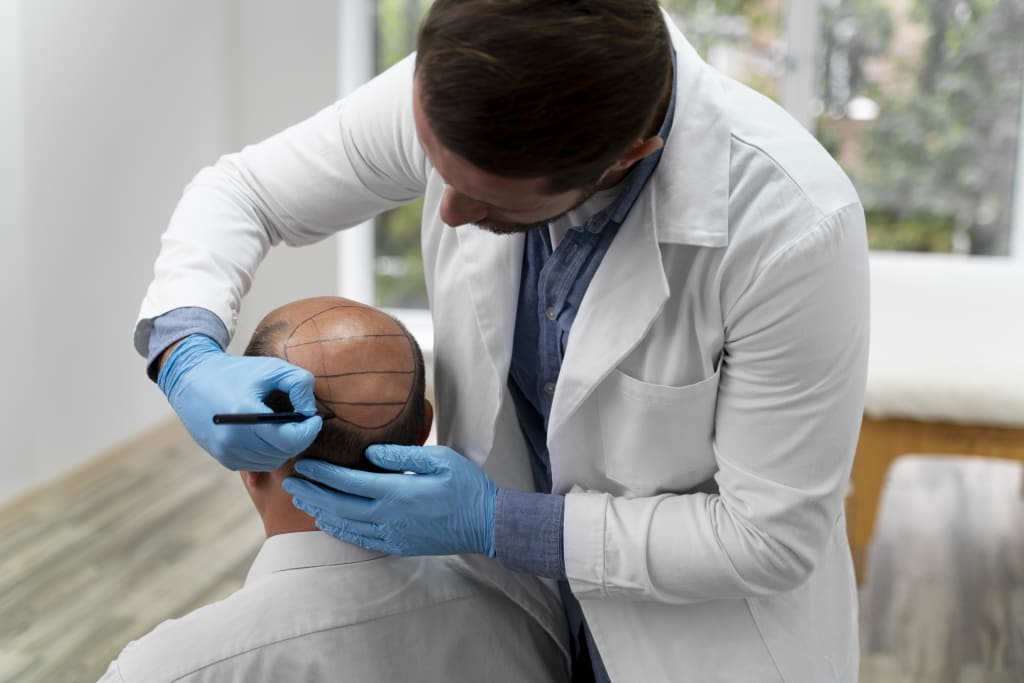
A hair transplant can be an effective way for most people to regain their hair and self-confidence. Many people who consider going through the procedure often have one common concern in their minds: scarring. Though offering realistic results, some methods of hair transplantation may leave scars. Understanding how scarring works will give you a better idea of what to expect from your hair transplant. In this article, we will touch on everything you would like to know about hair transplants and scarring.
1. What is the Cause of Scarring in Hair Transplants?
Scarring is part and parcel of any post-surgical healing process, and hair transplantation is no exception. The amount and appearance of scarring might vary significantly depending on the type of procedure, surgical skill, and how your body heals. There are two major methods for hair transplantation: FUT and FUE. Different techniques have different levels of scarring.
2. FUT and Scarring
FUT is the older technique that involves taking away a strip of skin from the donor area-usually the back of your body containing hair follicles that get relocated to either thin or balding areas.
- Scarring: FUT leaves a linear scar where the strip has been taken. That might be noticeable should you wear your hair short. While skilled surgeons can make the scar as small and unnoticeable as possible, it's permanent.
- Healing: The line scar from FUT may take weeks to heal and can stretch, depending on the flexibility of your scalp and the attention given to the site.
Because this type of scarring is quite noticeable, some people would avoid FUT, especially because it prohibits them from having shorter hair afterward.
3. FUE and Minimal Scarring
FUE, in turn, is the modern method of extraction of hair follicles one by one from the donor area and their further transplantation into the bald areas one by one.
- Scarring: FUE leaves tiny, dot-like scars compared to one single linear scar. The small scars in the donor area are spread out all over and can barely be seen, even at very short haircuts. They are small enough that they blend into the natural texture of your scalp.
- Healing: The recovery of the FUE is quicker than FUT. Since the scars of FUE are tiny, they heal up faster and thus become less noticeable. A couple of days following the surgery are enough for most individuals to have resumed daily activities.
Fue is the best option to avoid some forms of detectable scarring. If you want to have a Fue hair transplant in Birmingham, Visit your nearby clinic.
4. How to Minimize Scarring
While scarring is an inevitable consequence of any surgical intervention, there are measures to minimize it. A few tips on how to ensure the most optimal result from your hair transplant:
- Skilled Surgeon: This is one of the most important things to do to keep scarring as minimal as possible. There is no shortage of expert clinics offering their services in Birmingham, and research for the best clinic that boasts a fine reputation in hair transplanting will always be advisable.
- Follow the Post-Operative Instructions: Following your procedure, your surgeon will have specific post-operative care instructions regarding how to care for the donor and recipient areas. These should be followed carefully to minimize excessive scarring.
- Avoid Exposure to the Sun: Sun exposure darkens the scars and makes them more noticeable. As a precaution, post-transplant, it would be better to keep the treated area covered or use sunscreen to protect your scalp from the sun's damaging rays.
- Hydrate and Eat Healthy: Proper nutrition and hydration can also support the healing process. Drinking plenty of water with food rich in minerals and vitamins can help the skin heal better.
- Consider Scar Treatments: If you do happen to develop visible scars post-hair transplantation, there are a few treatments available to help minimize the appearance of the scars. They include laser therapy, micro-needling, and several topical creams that serve to improve skin texture.
5. Long-Term Effects of Hair Transplant Scarring
Scars after a hair transplant in Birmingham for most patients are minimal and become less noticeable over time. FUE leaves particularly unnoticeable scarring, especially when one keeps his hair at a normal length. Certain factors may come into play regarding how well your scars will heal.
- Skin Type: The depth and the color of your skin will also have some bearing on the visibility of the scarring: the thicker or darker-skinned person may bear more visible scars, while a lighter-skinned person may be hidden.
- Healing Ability: All of us have our different modes of healing. If you are usually someone prone to scarring, or if you have any history of not healing well after a wound, then you could have more noticeable scars.
- Scalp Elasticity: In FUT, the patient's scalp elasticity will play a determining role in the sizing of the linear scar. A scalp that is found to be quite tight may render the scar to exhibit some stretching effect over time.
6. Are Hair Transplants Worth the Risk of Scarring?
To most individuals, however, the benefits of a hair transplant are much greater than the risks of scarring. The procedure is permanent, and techniques like FUE will ensure that even scarring, when it occurs, is at a minimum. Most people receiving this type of treatment are more often pleased with the results and consider the minor scarring insignificant compared to the hair restoration and other psychological benefits they derive.
If one is considering hair transplantation in Birmingham, he should be aware of the possibility of scarring and also of the ways of minimizing it. While FUT can give a slightly bigger scar, FUE is practically devoid of any scars. With the help of a proper surgeon along with good post-surgery care, a fully covered head with minimum visible traces of scars is possible. These are some of the added advantages of hair restoration, which will most definitely make the procedure worth it in having you feel more confident and years younger.
If you're concerned about scarring and want more information on which is the right hair transplant method for you, a specialist consultation in Birmingham will help discuss your options and what's best for your hair loss.
About the Creator
olympushair clini
we treat the advanced problem of hair loss among patients by providing treatment with transplants and laser therapy in a modern, supportive environment focused on the patient's comfort, and restoration. https://olympushairclinic.com/
Enjoyed the story? Support the Creator.
Subscribe for free to receive all their stories in your feed.
Comments
There are no comments for this story
Be the first to respond and start the conversation.