
Frist Impression
Build an inevitable Brand From Day One

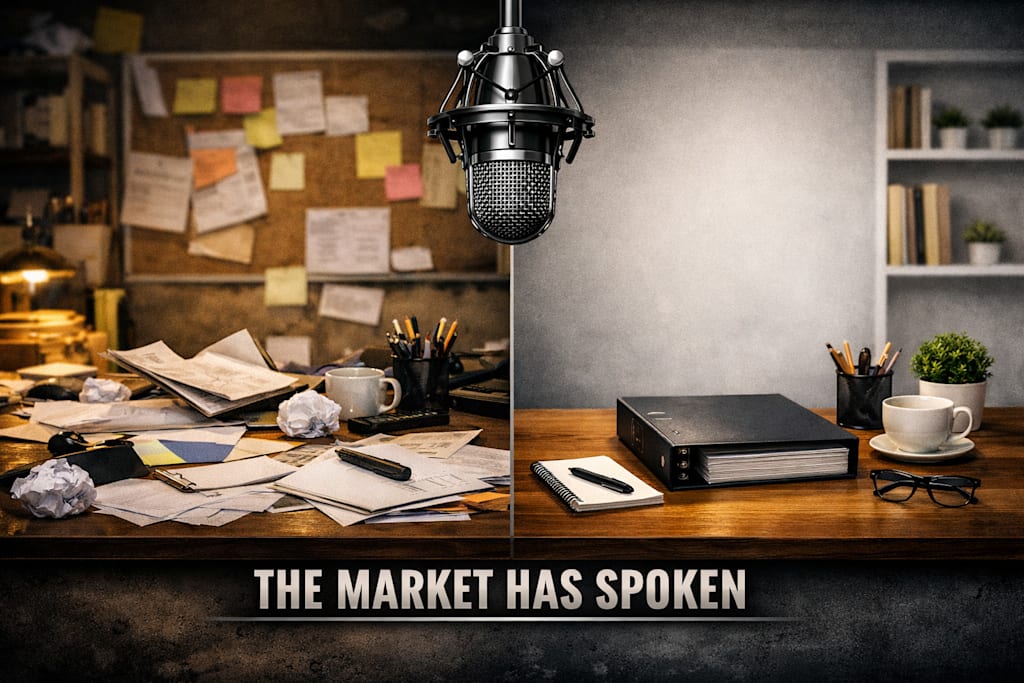
The Beauty of an Engineered First Impression
“The first breath of any brand is engineered identity.”
A first impression is basically how a brand is perceived the moment it enters the world. It’s the first read, the first feeling, the first signal people get. When a brand goes to market for the very first time, whatever the client experiences in that moment becomes the foundation of everything that follows.
Crystal Pepsi is a perfect example of what happens when that foundation is built wrong. Its first impression created a fundamental mismatch between what consumers expected and what the product delivered. The drink looked like water or a health beverage, but tasted like regular Pepsi. That disconnect destroyed trust immediately, and the product never recovered from that initial confusion. Once the perception was set, the story was locked in.
That’s the power of a first impression.
When a brand launches, the question is simple: Is the launch chaotic, or is it intentional? Because first impressions can make or break a brand. When you think about a brand, you automatically associate certain feelings with it, and those feelings are often created by the very first impression. And sometimes, those impressions are extremely hard to overcome.
Imagine this. You have a live commercial. You’re advertising a motorcycle. Your whole message is: speed with precision, but also safety. So, you film the commercial. You shoot the scenes. But you forget a few details. You don’t fix the imperfections on the bike. The bike looks used, unkempt, worn. And somehow it slips past your editing team. Nobody catches it.
Then you go to market.
Your first impression becomes: this brand is chaotic, undisciplined, unfocused. As a consumer, would someone actually want to purchase your motorcycle? Motorcycles are already inherently risky — your whole body is exposed to the elements. But you presented a commercial about precision, speed, performance… while the motorcycle in the ad looks damaged.
What does that do? It creates the perception that the motorcycle probably won’t last. That the company doesn’t care about details. That the promise doesn’t match the product. And once that perception is formed, it’s hard to undo.
So yes, first impressions matter. But it’s not enough to just say it. You need an actual idea behind it. You need clarity. You need intention. You need to ask: What do you want to communicate from the moment your product hits the shelf? And is that message fully communicated? Is it communicated clearly? Because if it’s not, that’s the problem.
Now picture this: you create a new add on for glasses that revolutionizes the sunglasses industry. Instead of meeting with potential buyers, doing a roadshow with your prototype, and letting people in the industry talk about the product, you block it. We’re not even talking about the innovation part — we’re talking about the days before launch.
You show up to the event unprepared. You don’t have enough inventory. You didn’t plan. And this event leads directly into your IPO. You’ve already made a first impression: people think the company is not organized, doesn’t have a strategy, doesn’t have a unified brand identity.
But what if you were calculated with your approach?
What if, once your product was deemed inevitable, you engineered the moment? You release a controlled leak — not the final version, but a prototype from a quarter ago. You let the market talk. You let the conversation build. Then you hold a press conference and take questions specifically about the leak. You reassure the public. You reassure buyers. You show that you’re prepared.
You leak information twice: — once eight months before launch to gather insight and fix bugs — once four months before launch to reassure the market that the corrections were made
Then you launch right before your IPO, exactly as intended. You’ve done your market analysis. You have enough product. You have a contingency plan. And now the rest is history. You’ve made an impression that is undeniable and secured your story for years to come.
Here’s the truth behind all of this: first impressions create messaging, and messaging creates belief. And belief is what determines whether a brand rises or stays stuck on the shelf.
This is where the three step chain comes in:
1. Unpreparedness creates chaos, and chaos creates doubt. Once doubt enters the room, people box your brand in before they ever use it.
2. Intention creates inevitability. You avoid negative first impressions by being intentional with everything you do. You start playing chess with your brand image. You build multiple strategic plans for different outcomes. You create multiple entry points that work together. One plan might fail, but eighteen plans working in conjunction create inevitability.
3. Inevitability creates legacy. Once you create the feeling that your brand is supposed to be here — that it belongs — the rest is history. And it all started with a first impression.
“So what about now? Build inevitability. That’s the first impression that outlives every launch.”
“To the new readers who joined the SGC world this week — welcome. Identity is a journey, not a product.”
About the Creator
Jadrian Laflure
Contributor — SGC Division A Jade 2 Capital Company I write as Jadrian Laflure about identity, atmosphere, precision, and the architecture behind creative systems. This Vocal page serves as part of the SGC ecosystem within Jade 2 Capital.
Enjoyed the story? Support the Creator.
Subscribe for free to receive all their stories in your feed.
Comments
There are no comments for this story
Be the first to respond and start the conversation.