

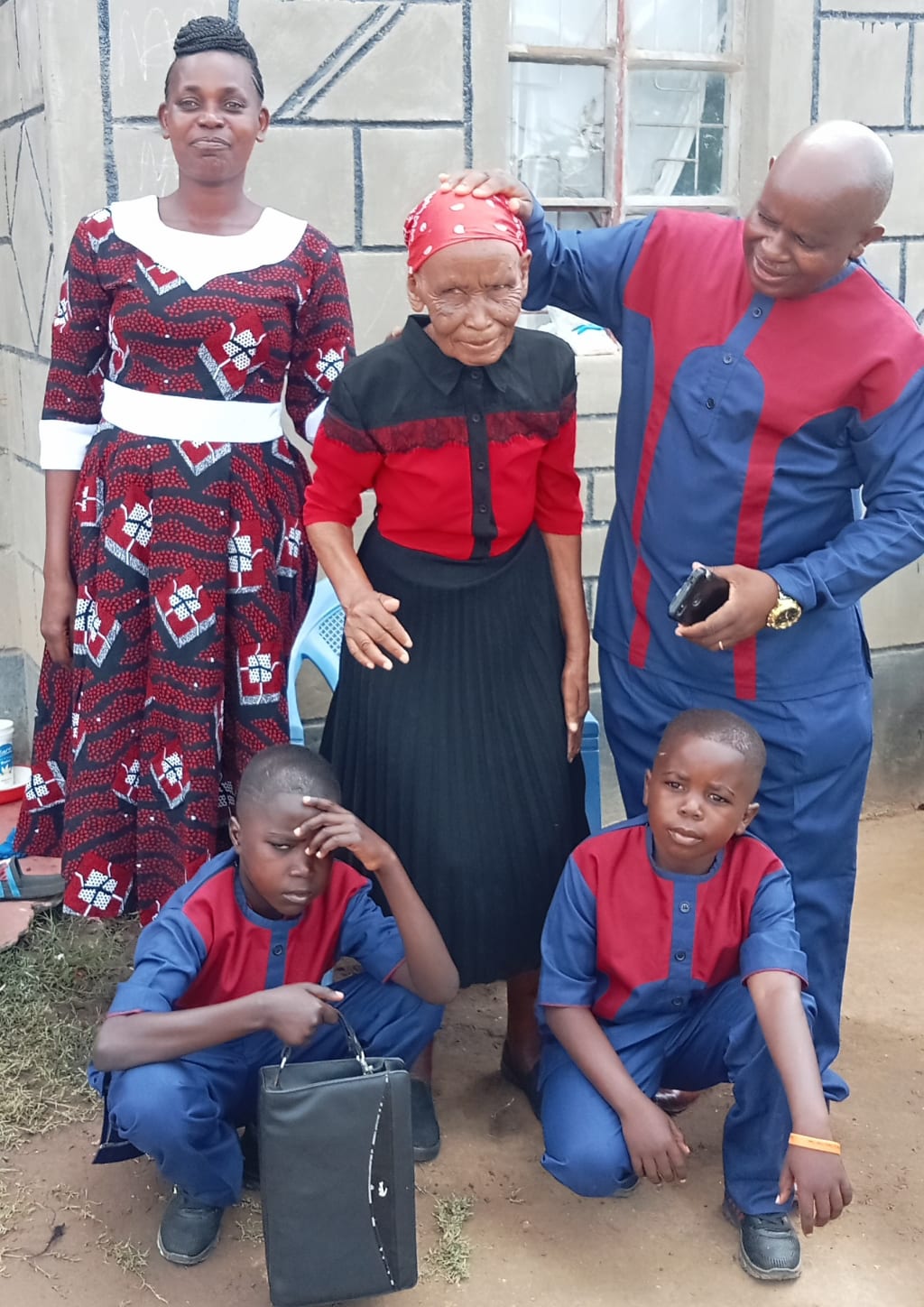
Family conflict in Africa
The cause, nature, and impact of family conflict in Africa are multifaceted issues molded within the dictates of cultural, economic, and social dynamics. Examining these conflicts, their nature, and the components of their effects, one needs to consider Africa's varied cultural landscapes, traditional family structures, and pressures of modernity. Although many such dynamics operate uniformly across the continent, each region and ethnic group also faces unique challenges. This essay attempts to explain the nature of family conflicts in Africa while discussing expectations arising from culture, economic pressure, generational divide, and external influences such as urbanization and globalization.
Cultural Expectations and Family Structures
Traditional family structures in most African societies are enshrined in extended family systems where communal living and collective responsibilities are highly regarded. Families are typically large and tight-knit, with several generations living together or maintaining close ties. The patriarchy in so many African societies places immense emphasis on respect for elders, the playing of traditional roles, and adherence to traditional cultural mores. This can sometimes be a point of conflict in this structure, especially when the younger members of the family begin to question or challenge the traditional roles within the family.
Family roles, for example, are usually well-defined in most rural settings, where men are typically expected to be breadwinners while women bear all the domestic responsibilities. However, the increasing educational and economic opportunities opening up to women have tended to work against the said traditional division of labor, leading to conflicts related to roles expected within families. This can also lead to opposition from the husband, in-laws, or even her parents when the female decides to pursue a career outside the home, viewed by them as a deviation from the culturally acceptable norm. The reason for such friction in relationships is usually the familial tensions that arise, causing divisions within the household.
Economic Pressures and Resource Scarcity
Besides the earlier reasons, economic hardships form another significant source of family conflict in Africa. Most families from rural or urban areas encounter several challenges related to unemployment, underemployment, and poverty. In places where unemployment rates are high, the failure of a member, sometimes the head of the family, to provide for the family causes stress and tension. Other issues likely to arise due to financial struggles include disputes over resource allocation within the family and arguments over prioritizing spending for basic needs like food, education, and healthcare.
With increased pressure on arable land resulting from population growth, competition for inheritance and land ownership amongst siblings and webs of extended family members becomes keen. In many communities, land is traditionally passed through the male lineage, though changes in societal attitudes and laws that recognize women's rights regarding inheritance elicit conflicts between traditional views and modern understandings of property. In addition, contemporary rapid urbanization on the African continent has spurred the migration of many young people from rural villages to cities in search of improved economic opportunities. Such relocation can foster feelings of abandonment among older people and further inspire a sense of loss and disconnection. Migration for work causes physical separation, which can lead to increased tensions within the family regarding roles and expectations of responsibility. If urban migrants are perceived as shirking these, it may lead to conflict.
Generational Conflicts
Other gross forms of family conflict common in Africa include generational conflicts. Africa's population is relatively young, with a high proportion of people below the age of 25. Because of advanced technology and increased exposure to global media, this young population indeed faces different ideas, lifestyles, and opportunities than those faced by earlier generations. Such exposure may result in a cultural gap between the young and the old, leading to disagreement over values and preferred lifestyles—life choices.
These changes include a swing towards more liberal views on marriage, gender roles, and individualism by the young Africans, often in sharp contrast to the conservative ones held by their parents and grandparents. All this could create disagreements over a spouse, career path, and religious practice choices. In some instances, these differences could lead to deep divisions, in which older generations, in less than subtle ways, chide the younger ones for abandoning their cultural heritage and traditional values.
One such area of conflict pertains to marriage, where the young may want to choose their partners based on love and mutual compatibility, while the elders could be basing their decisions on factors such as tribe, ethnicity, or social status. In many traditional African societies, marriage is not just between two people but between families and decisions around marriage is a common source of tension. One continuously argued issue concerns disagreements over bride price, for example, and its applicability in today's world.
The Role of Urbanization and Globalization
These two factors—urbanization and globalization—have really changed the dynamics in African families. Urbanization has increased nuclear families at the expense of extended families that previously had a central role in decision-making. This has weakened the support systems of the old, where elders mediated conflicts and offered guidance. For example, in cities, many young families are often removed from the source of this traditional support system, thus making them more prone to conflicts without the mitigating influence of elder mediation.
In addition, globalization gave way to new ways of thinking about individual rights, gender issues, and personal independence that often conflict with traditional African ideals. Such ideological shifts could also lead to friction within the family, especially when younger members adopt such ideas and go against established mores and norms. For instance, LGBTQ+ identity issues, usually taboo in most African cultures, have increasingly become a source of discord within the family where the younger generation may be seeking acceptance while their older members object to such identities for totally misunderstanding cultural and religious beliefs.
The Impact of Conflict on Family and Society
Family conflict in Africa has a broader social significance. When families are suffering from high levels of internal conflict, it can impact the mental and emotional well-being of all parties concerned. The separation or estrangement that such conflict may lead to is of severe consequence, especially for children who have to endure a high level of emotional distress and lack of stability. Further, in tightly-knit societies where family reputation and social standing are sometimes closely linked, unresolved family conflicts may translate into tensions at the community level.
On a social level, chronic family conflicts can create social fragmentation, making it more difficult to rally around larger social and economic issues. This could, in turn, have implications for the transmission of cultural values, as youth disaffected from their families may disengage from their cultural roots.
Conclusion
Family conflict in Africa is a complex issue influenced by traditional values, economic stresses, generational shifts, and the stresses of modernization. Traditional family structures, comforting for their stability and sense of communal support, are often sources of tension when modern values clash with long-standing customs. These are only partially resolvable through understanding the cultural, economic, and social ambiance that conditions these conflicts and by trying to create a dialogue between generations. In such a way, African societies could elaborate solutions to such conflicts in a manner that respects tradition and, at the same time, attends to emergent needs of life in modern times.
About the Creator
FREDRICK MUTEVU
Hi, I’m Fredrick Mutevu, a writer who loves sharing unique perspectives on lifestyle, culture, and personal growth. My goal is to inspire, inform, and connect with readers through engaging and thought-provoking stories. Follow me for more!
Enjoyed the story? Support the Creator.
Subscribe for free to receive all their stories in your feed.
Comments
There are no comments for this story
Be the first to respond and start the conversation.