
Equinox Equals “Equal Night”
And other things to know about the cycle of the year

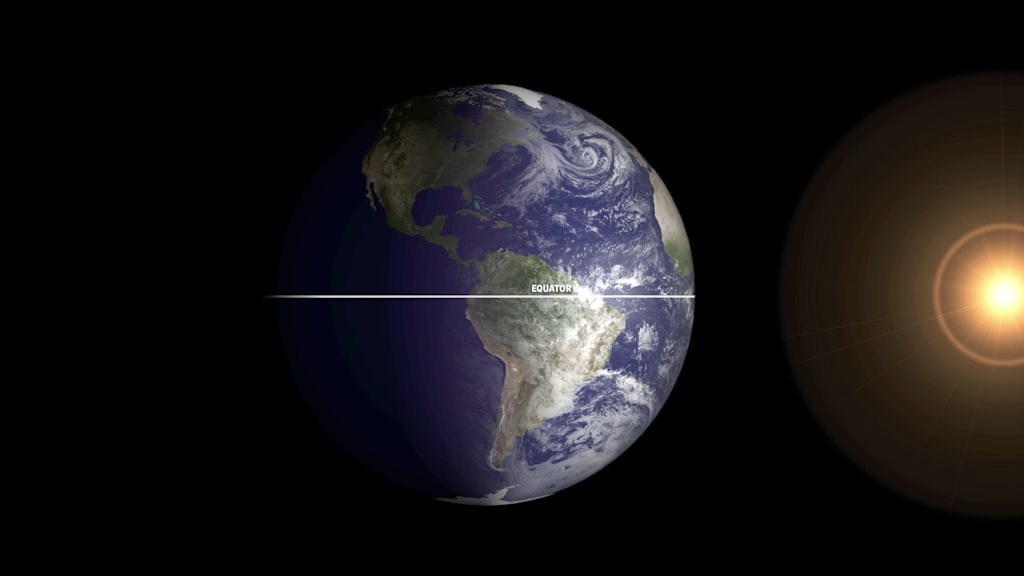
Since we’re just past the shadow of the Summer Solstice upon writing this… now’s as good a time as any to talk about what these yearly events called solstices and equinoxes actually mean.
Some of you may have only heard of these in passing — the Summer Solstice this or Winter Solstice that — without giving it any thought. And if not, then that’s most people.
So what does it actually mean? Well, you might have a sense that the Winter Solstice is near Christmas. That’s because the holiday is actually based around it. Or so it seems.
Sol means sun in Spanish and, more importantly, Latin. “Stice” is related “cease” or “stasis,” so literally it means the sun stops.
Which is what actually happens from our perspective on Earth. The sun moves across the sky not just every day, but also day by day. Throughout a year, it goes from its highest point, on the Summer Solstice, to its lowest.
Then, whenever it reaches one of those points, it stays there (therefore “stops”) for 3 days. The Summer Solstice falls on June 21st, also the official first day of the season.
So-described “Pagan monoliths” all across the ancient world (and in Maya and Aztec territories) are designed to use the light of the Summer Solstice specifically.
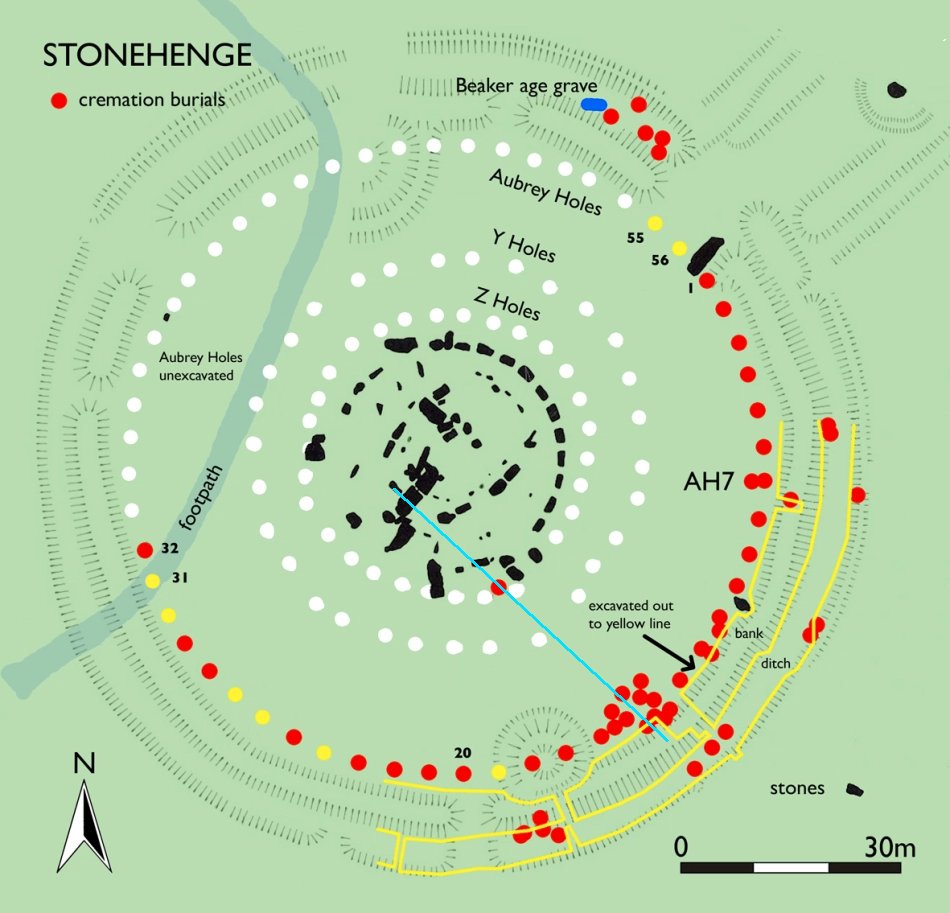
The most famous two, I would say, are Stonehenge in England…
… and the Pyramid of the Serpent in Mexico.
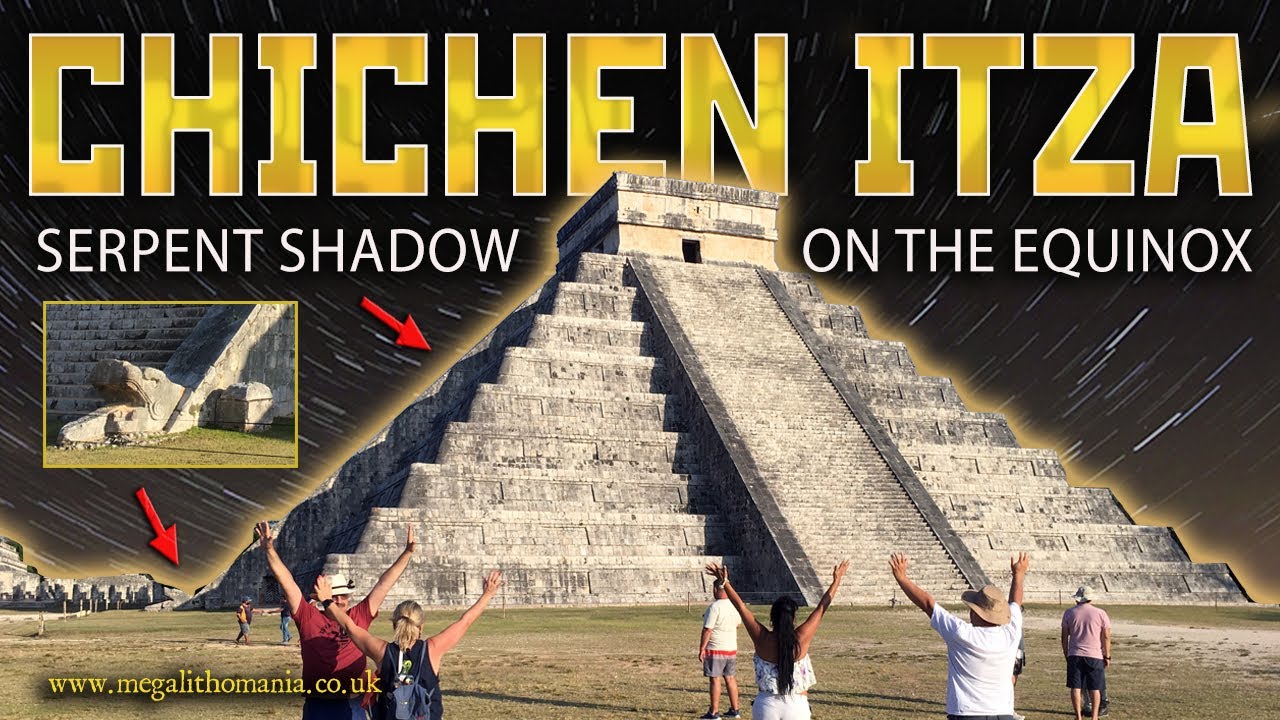
That’s right. So advanced it’s scary. In essence… all this to honor the longest day of the year!
But moving on….
In wintertime, the solstice is December 21st. And after 3 days, it “rises” again. Sound familiar? Yes, it’s a resurrection of hope after the longest (and perhaps coldest) night of the year.
Many pagan cultures celebrated both solstices with festivals, so it wasn’t too difficult to adjust to Christmas as the festive holiday instead.
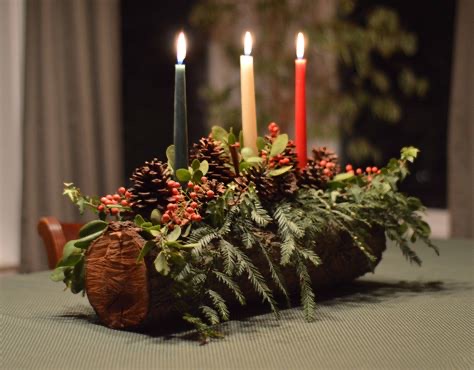
Some say the other traditions associated with the modern holiday were borrowed from the earlier traditions — like the tree, mistletoe, and (most plausibly) the Yule log.
Also fascinating that the first day of the season is on the solstice. Think about it. That didn’t make any sense to me at 10 years old. Not sure it does now, in fact. Except… you know… when else would we mark it off?
But now… Thing #2. Kind of.
Because do have four seasons, after all. Solstices for two of them. So what about the others? Well, along those same lines… these begin on the Equinoxes.
The what?, some of you may be asking. Well, it’s simple.
The Solstices can only come twice a year, on the two extreme ends of the seasons.
If that’s so… where could the other two season’s opening day be?
In the middle, of course!
There are two times in the yearly cycle — once in Spring and once in Autumn — where the day a night are actually equal lengths.
Equinox. Literally “equal night.”
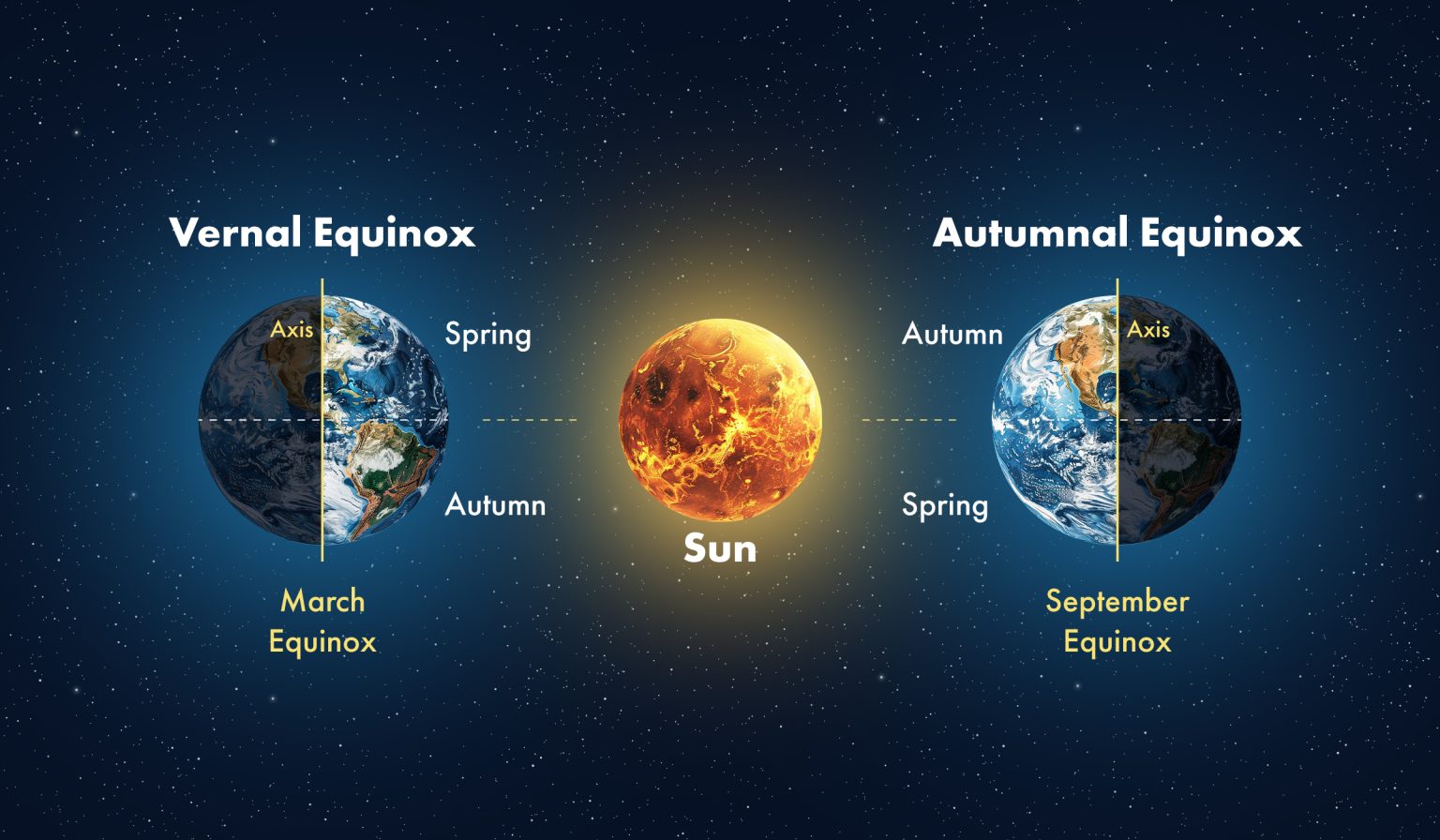
Of course it could just as easily have been equal day. But I think we relate everything to the daytime on an evolutionary level anyway.
Plus, “Equidiem” just doesn’t have the ring to it.
So the Equinoxes, unlike any other days, have full alignment. Interesting to think that all other 363 days (yes, you still got the math skills) are in some way… lopsided.
So — while the Solstices get all the special attention — the Equinoxes are sacred in just a profound a way.
It’s said (in some spiritual circles) that the day and the poles are so aligned on the Equinox, in fact… that one can balance an egg on its point!
Now, I hear the chorus of disbelief — of incredulity — rise up all around me when I write something like that.
I can tell you that I tested the theory, however. It’s too bad I don’t have my old photos on a previous phone, but maybe one day I can find them. Or I’ll post a photo of a new attempt come this Fall.
But my results should be documented this way if I’m the first to scientifically pursue the question.
I found, while you might not be able to do it on a slick counter or marble… you can do so on short grass or paper-thin carpeting. And well-replicated on dirt.
Make of that what you will.
I think I have demonstrated the significance of the Solstices and Equinoxes for sure, though. The Ancients probably knew a lot more than we do.
For all our astronomical knowledge, we’ve lost touch with the big cycle. Transition of the seasons.
What some of our far-away ancestors called the Wheel of the Year.
About the Creator
Gabriel B. Shames
I’m an east coast American, interested in writing poetry and fiction as long as I can remember. I took a test in 4th grade where they told me I wrote creatively at a college level!
Hope you enjoy reading as much I as I do creating ❣️
Enjoyed the story? Support the Creator.
Subscribe for free to receive all their stories in your feed. You could also become a paid subscriber, letting them know you appreciate their work.
Comments
There are no comments for this story
Be the first to respond and start the conversation.