
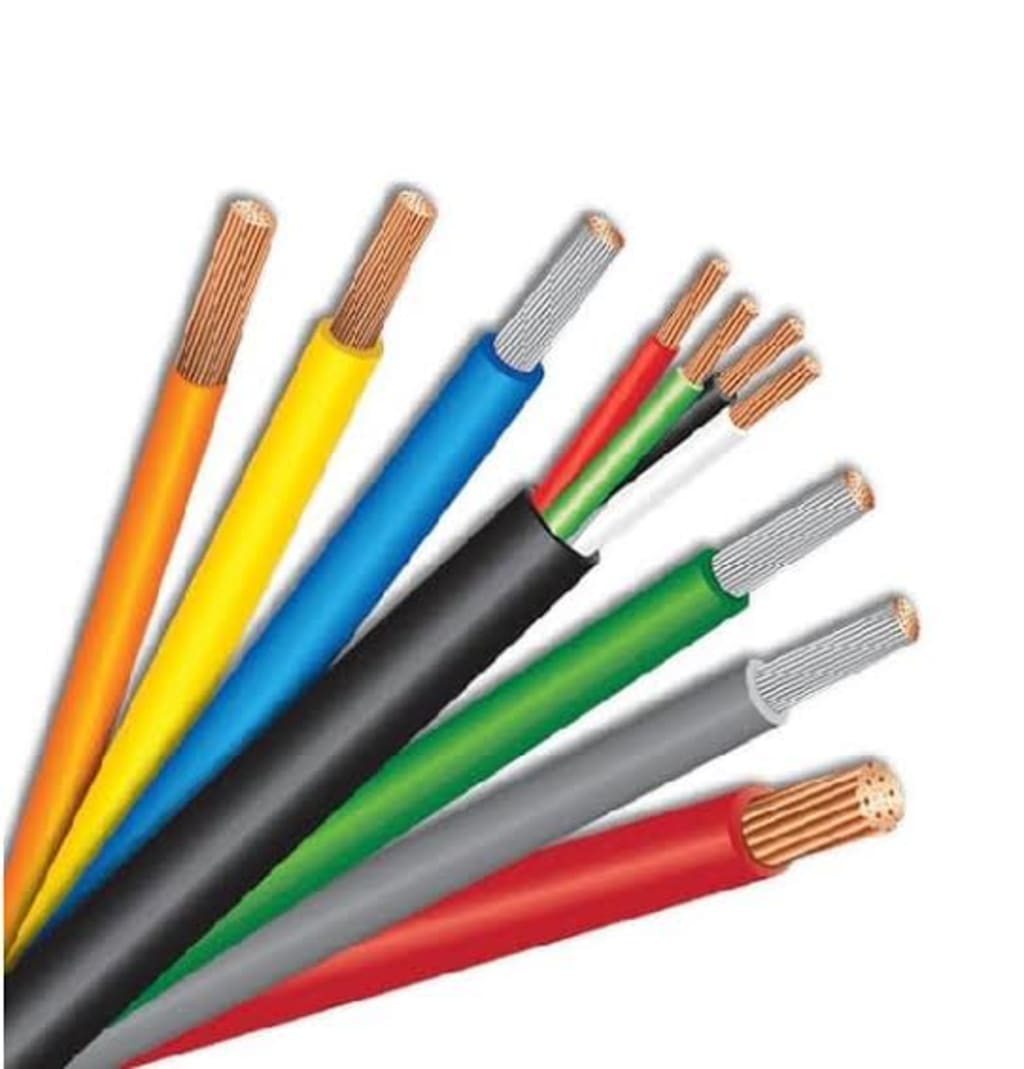
Electric wires work by allowing electrical current to flow through them from one point to another, enabling the transfer of electrical energy. Here's a breakdown of how they work:
1. Conductor Material:
Copper: The most common material used for wires because it has excellent conductivity, meaning it allows electricity to flow easily.
Aluminum: Also used, especially for long-distance transmission, but it's less conductive than copper.
Other materials: Some wires may use materials like gold or silver in specific applications, but they are more expensive.
2. Electric Current Flow:
Direct Current (DC): In DC, the electric charge flows in one direction. This is typical for small devices like batteries.
Alternating Current (AC): In AC, the current changes direction periodically. This is what powers most homes and businesses.
3. Wire Insulation:
Electric wires are usually coated with an insulating material (like PVC or rubber) to prevent the current from accidentally flowing into unwanted areas, which could lead to short circuits or electric shocks.
The insulation also helps protect the wire from environmental factors like moisture, heat, and physical damage.
4. Voltage:
The voltage (or electric potential) applied across the wire pushes electrons to move, creating an electric current. The higher the voltage, the more current can flow through the wire.
The wire’s gauge (thickness) can affect the amount of current it can safely carry. Thicker wires generally handle more current and reduce the risk of overheating.
5. Resistivity:
Every conductor has some resistance, which opposes the flow of electricity. However, copper and aluminum are chosen for their low resistance, allowing electricity to flow more efficiently.
Longer wires have more resistance, which means more energy is lost as heat, so long-distance transmission often uses thicker or higher-quality wires to minimize loss.
6. Heat Generation:
As current flows through a wire, it can generate heat due to resistance. If too much current flows through a wire that isn’t rated for it, the wire can overheat and potentially cause a fire.
This is why wires have specific current ratings, and why circuits often include fuses or circuit breakers to stop excessive current flow.
7. Applications:
Power Transmission: Electric wires are used in power plants to transmit electricity across vast distances to homes and businesses.
Household Wiring: In homes, wires are used to connect outlets, switches, and appliances, enabling electricity to power devices like lights, refrigerators, and computers.
Electronics: Small wires are used inside electronic devices to transmit signals and power between components ChatGPT
Log in
You said:
Electric Wire
ChatGPT said:
An electric wire is a conductor used to carry electrical current. It is typically made of materials like copper or aluminum because of their good conductivity. Electric wires are used in a wide range of applications, from household wiring to industrial and commercial uses, helping to transmit electricity to power devices, machines, and systems.
Would you like to know more about the types of electric wires or their uses?
You said:
Electric Wire Working Details
ChatGPT said:
Electric wires work by allowing electrical current to flow through them from one point to another, enabling the transfer of electrical energy. Here's a breakdown of how they work:
1. Conductor Material:
Copper: The most common material used for wires because it has excellent conductivity, meaning it allows electricity to flow easily.
Aluminum: Also used, especially for long-distance transmission, but it's less conductive than copper.
Other materials: Some wires may use materials like gold or silver in specific applications, but they are more expensive.
2. Electric Current Flow:
Direct Current (DC): In DC, the electric charge flows in one direction. This is typical for small devices like batteries.
Alternating Current (AC): In AC, the current changes direction periodically. This is what powers most homes and businesses.
3. Wire Insulation:
Electric wires are usually coated with an insulating material (like PVC or rubber) to prevent the current from accidentally flowing into unwanted areas, which could lead to short circuits or electric shocks.
The insulation also helps protect the wire from environmental factors like moisture, heat, and physical damage.
4. Voltage:
The voltage (or electric potential) applied across the wire pushes electrons to move, creating an electric current. The higher the voltage, the more current can flow through the wire.
The wire’s gauge (thickness) can affect the amount of current it can safely carry. Thicker wires generally handle more current and reduce the risk of overheating.
5. Resistivity:
Every conductor has some resistance, which opposes the flow of electricity. However, copper and aluminum are chosen for their low resistance, allowing electricity to flow more efficiently.
Longer wires have more resistance, which means more energy is lost as heat, so long-distance transmission often uses thicker or higher-quality wires to minimize loss.
6. Heat Generation:
As current flows through a wire, it can generate heat due to resistance. If too much current flows through a wire that isn’t rated for it, the wire can overheat and potentially cause a fire.
This is why wires have specific current ratings, and why circuits often include fuses or circuit breakers to stop excessive current flow.
7. Applications:
Power Transmission: Electric wires are used in power plants to transmit electricity across vast distances to homes and businesses.
Household Wiring: In homes, wires are used to connect outlets, switches, and appliances, enabling electricity to power devices like lights, refrigerators, and computers.
Electronics: Small wires are used inside electronic devices to transmit signals and power between components.
Would you like more specific details on any aspect of electric wires, such as their types or constructions
The load on an electric wire refers to the amount of electrical current (measured in amperes, or amps) that the wire is carrying or is expected to carry during operation. The load determines how much electrical power is being used by the devices connected to the circuit, and it also affects how much the wire heats up during current flow.
Here's a detailed explanation of how electric wire load works:
About the Creator
Enjoyed the story? Support the Creator.
Subscribe for free to receive all their stories in your feed.
Comments
There are no comments for this story
Be the first to respond and start the conversation.