
Common Mistakes to Avoid in Hypothyroidism Diet
At Dietitian Sheenam LLP, we’ve helped countless individuals craft the best diet plan for hypothyroidism to improve their well-being. In this blog, we’ll discuss the most common dietary mistakes to avoid and provide practical tips to optimize your thyroid health.

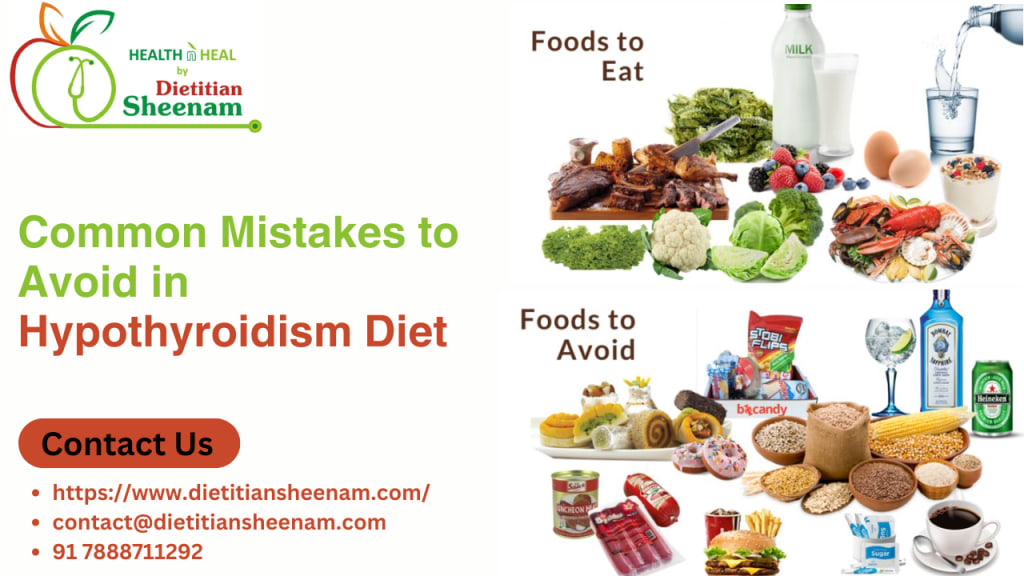
Managing hypothyroidism through diet is one of the most effective ways to support your overall health. If you’re struggling with thyroid issues, a personalized meal plan tailored to your condition can make a significant difference. However, many people unknowingly make mistakes when following a diet for hypothyroidism. At Dietitian Sheenam LLP, we’ve helped countless individuals craft the best diet plan for hypothyroidism to improve their well-being. In this blog, we’ll discuss the most common dietary mistakes to avoid and provide practical tips to optimize your thyroid health.
1. Skipping Iodine-Rich Foods
Iodine is essential for thyroid function as it helps produce thyroid hormones. Many people with hypothyroidism neglect iodine-rich foods, which can further slow down their metabolism. Include foods like iodized salt, seafood, dairy products, and eggs in your diet to ensure adequate iodine levels.
Pro Tip: Avoid excess iodine supplements unless prescribed by a healthcare professional, as too much iodine can worsen thyroid problems.
2. Consuming Too Many Goitrogenic Foods
Compounds called goitrogens have the ability to disrupt the thyroid's ability to produce hormones. Foods like broccoli, cabbage, kale, cauliflower, and soy products contain goitrogens. While these foods are healthy and nutrient-dense, consuming them in excess (especially raw) can affect your thyroid.
What to Do Instead: Cook these vegetables, as cooking reduces their goitrogenic properties. You don’t need to eliminate them completely—just eat them in moderation.
3. Neglecting Selenium and Zinc
Selenium and zinc are vital nutrients for thyroid health. Selenium helps in converting inactive thyroid hormones (T4) into active ones (T3), while zinc supports thyroid hormone production.
Sources of Selenium: Brazil nuts, tuna, sunflower seeds, and eggs.
Sources of Zinc: Pumpkin seeds, chickpeas, meat, and lentils.
Incorporate these into your best diet plan for thyroid to ensure proper thyroid function.
4. Overlooking the Role of Vitamin D
Vitamin D deficiency is often linked to autoimmune thyroid conditions like Hashimoto’s thyroiditis. Spending time in sunlight or including vitamin D-rich foods can support your thyroid and immune health.
Vitamin D-Rich Foods: Fatty fish (salmon, mackerel), fortified milk, cheese, and egg yolks.
5. Relying Too Much on Processed Foods
Processed foods are often high in sugar, unhealthy fats, and sodium, which can disrupt your thyroid function and contribute to inflammation. They can also lead to weight gain, which is already a common concern for individuals with hypothyroidism.
What to Eat Instead: Choose whole, unprocessed foods like fresh fruits, vegetables, whole grains, lean proteins, and healthy fats. This approach will also help maintain a healthy weight.
6. Not Drinking Enough Water
Dehydration can exacerbate the symptoms of hypothyroidism, such as fatigue and constipation. Make sure you drink enough water throughout the day to keep your metabolism functioning properly.
Tip: Aim for 8-10 glasses of water daily. Adding lemon slices or mint leaves can make hydration more enjoyable.
7. Ignoring the Timing of Meals
Meal timing plays a critical role in managing hypothyroidism. Skipping meals or eating irregularly can affect your metabolism and energy levels.
What Works: Eat small, frequent meals to stabilize blood sugar levels and keep your energy consistent throughout the day.
8. Consuming Caffeine Excessively
Caffeine can interfere with the absorption of thyroid medication if consumed too close to your dosage time. Additionally, too much caffeine may exacerbate anxiety and disrupt sleep—two issues often experienced by those with hypothyroidism.
Recommendation: Limit your caffeine intake and avoid coffee or tea for at least one hour before and after taking thyroid medication.
9. Not Consulting a Professional
One of the biggest mistakes is not seeking expert guidance. Every individual is different, and a generic diet may not address your specific needs. At Dietitian Sheenam LLP, we specialize in creating customized diet plans tailored to your thyroid condition and overall lifestyle.
10. Overlooking Stress Management
While diet is crucial, stress can also significantly impact thyroid health. Chronic stress may lead to hormonal imbalances that worsen hypothyroidism symptoms. Practices like yoga, meditation, and regular exercise can help manage stress levels.
Conclusion
Avoiding these common dietary mistakes can help you better manage hypothyroidism and improve your quality of life. The best diet plan for hypothyroidism includes a balanced intake of nutrients, mindful eating practices, and expert guidance tailored to your needs. At Dietitian Sheenam LLP, we’re dedicated to providing personalized nutrition solutions that empower you to live healthier and happier.
If you’re looking for the best diet plan for thyroid and want professional support, don’t hesitate to reach out to us. Together, we can create a plan that helps you achieve optimal thyroid health and overall wellness.
Contact Dietitian Sheenam LLP today for an online consultation. Let’s take the first step toward a healthier you!
About the Creator
Dietitian Sheenam Kalra Malhotra
Meet Dietitian Sheenam, the top nutritionist for weight gain in Patiala, Punjab. Renowned for her expertise in women's health and thyroid health, Sheenam offers personalized diet plans and wellness consulting.
Enjoyed the story? Support the Creator.
Subscribe for free to receive all their stories in your feed.
Comments
There are no comments for this story
Be the first to respond and start the conversation.