
Can You Survive on Coffee, Tea, or Juice Alone?
Water is not boring

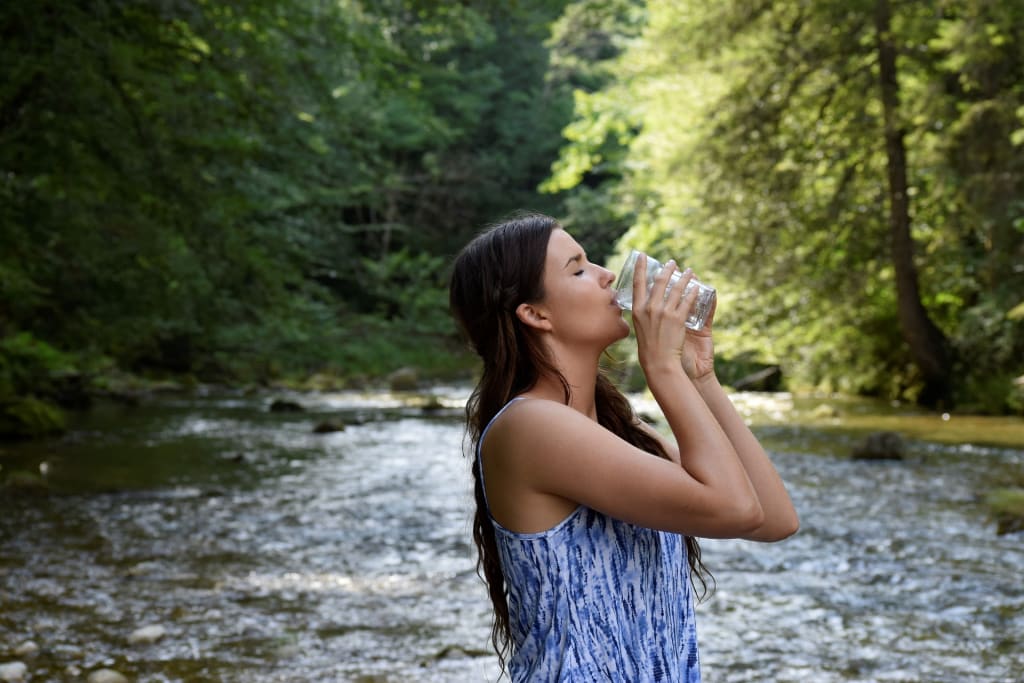
Celebrities like Jennifer Aniston and Gwyneth Paltrow have made guzzling water a trend, boasting about drinking up to three liters a day. However, not everyone finds water appealing. Florence Pugh, for example, recently expressed her dislike for water, finding it "too boring to drink." Instead, she prefers beverages like orange juice, elderflower presses, and tea. But what do the experts say? Is it possible to survive on beverages other than water for hydration? And how much water should we be drinking daily?
Benefits of Drinking Water
Increasing water intake can help prevent health conditions such as migraines, frequent headaches, and kidney stones. While plain water is the healthiest source of hydration, Ritchieson explains that any non-alcoholic drink contributes to hydration. A study conducted at the University of Stirling found that a liter of instant coffee or even beer was as hydrating as the same amount of water. However, the highest hydration levels were observed after drinking milk.
Water Alternatives and Their Considerations
Although any non-alcoholic drink contributes to hydration, drinking excessive amounts of alternatives to water is not recommended. Tea and coffee act as diuretics, increasing urination frequency. Fizzy drinks, squashes, and juices can also hydrate, but excessive consumption is discouraged due to their high sugar content, which can lead to long-term health issues. Caffeine in tea and coffee can cause side effects such as increased heart rate, palpitations, anxiety, restlessness, insomnia, digestive problems, sleep disturbances, high blood pressure, and even caffeine addiction. The recommended limit for caffeine intake is around 400mg per day, equivalent to four to five cups of coffee or eight to 10 cups of tea.
Sugar Content in Beverages
The NHS recommends consuming no more than 30g of "free sugars" per day, including sugars added by food manufacturers and natural sugars in fruit juice, honey, and syrups. Some fizzy and energy drinks contain enough sugar to exceed the daily recommended intake in a single serving. Diet drinks are not significantly better, as they affect the gut microbiome and have been linked to various diseases. Fresh juices contain more nutrients than fizzy drinks, but it is still easy to surpass the recommended daily sugar allowance. Consuming excessive sugar, even from natural sources, can have negative health effects and increase the risk of type 2 diabetes and obesity.
Hydration Alternatives and Tips
For those who find water tasteless or boring, adding fruit or cucumber to a water jug and refrigerating it can provide a subtle flavor. Herbal teas and diluted fresh juices can also be alternatives. If the taste of water is unbearable, adding squash is an option, despite its high sugar content. A diet rich in fruits and vegetables can provide additional hydration, as some ingredients like celery, lettuce, tomatoes, and watermelon contain over 90% water. Peaches, pineapples, oranges, and pears are also recommended for hydration.
Overcoming Concerns about Frequent Toilet Breaks
Many individuals avoid drinking water because they fear the need for frequent restroom visits. This concern is particularly common among pregnant women and the elderly, who may have difficulty controlling their bladders. Restricting fluid intake can lead to more frequent toilet breaks, as it makes the bladder more sensitive. Older people often underestimate their hydration needs, especially during the summer months. It is important to note that water is essential for human health, as it lubricates joints and eyes, aids digestion, flushes out waste and toxins, and keeps the skin healthy.
The Dangers of Overhydration
While increasing water intake is often encouraged, overhydrating can be detrimental. Drinking excessive amounts of water can lead to a condition called hyponatremia, where salt levels in the body become too diluted. Symptoms of hyponatremia include headaches, dizziness, and in extreme cases, unconsciousness. To increase water intake safely, it is recommended to do it gradually and drink in small quantities throughout the day. The individual's tolerance and speed of drinking play a role in determining how much water is too much. Spreading water intake evenly throughout the day is crucial, and for most people, 1.5 to three liters of water daily will suffice unless they are exercising, living in a hot climate, or are unwell.
About the Creator
Saliha Ahmad
I am a writer by choice and a mother by luck.
In my spare time I try my best to write something good to help others
I especially write for myself because it gives me pleasure
Enjoyed the story? Support the Creator.
Subscribe for free to receive all their stories in your feed.
Comments
There are no comments for this story
Be the first to respond and start the conversation.