
Beyond Revenge
When justice, identity, and self-reflection collide within the human soul

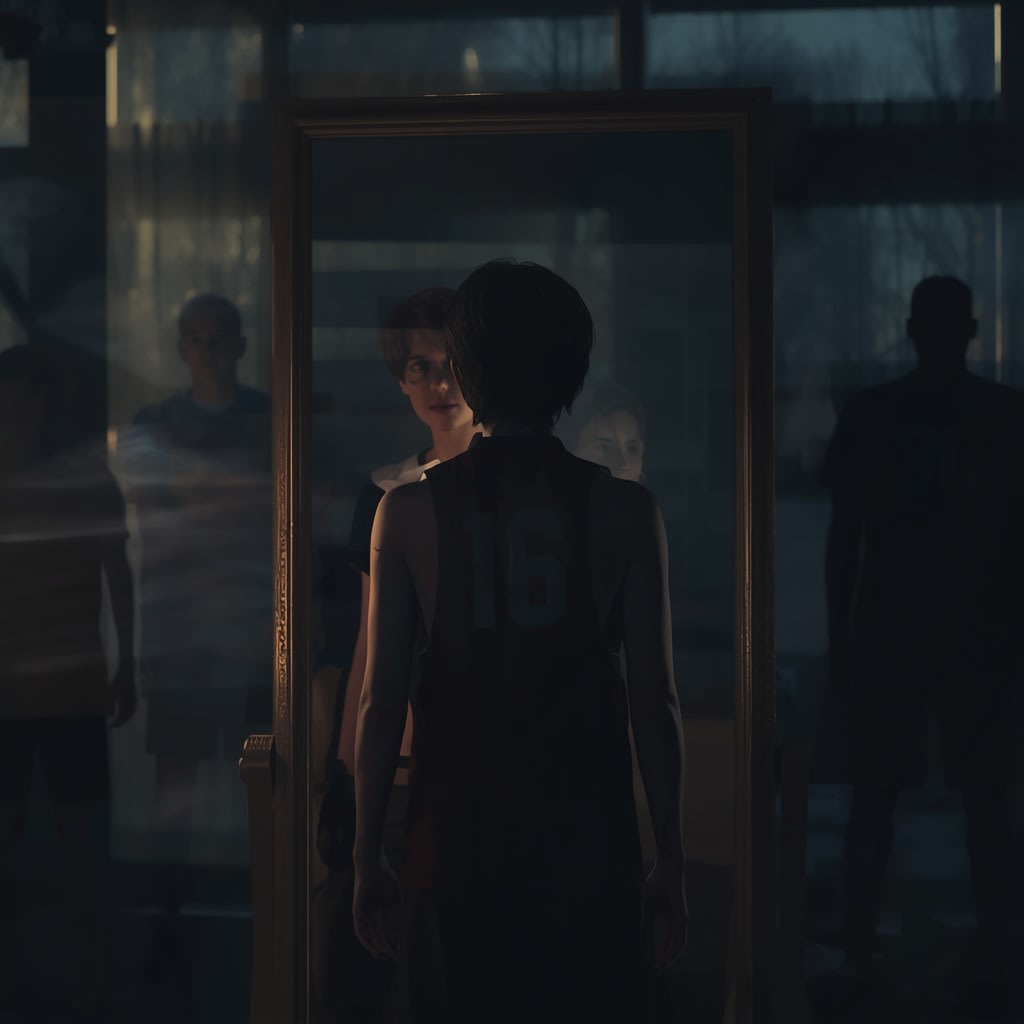
The Jerseys We Wear
Of course you are bruised.
You didn’t notice it at first—not really. The marks came slowly, like shadows stretching at sunset. A word here, a silence there. A look that lingered too long, or not long enough. You told yourself it was nothing. People get tired. People get distracted. People don’t always mean what they do.
But bruises don’t ask for permission before they bloom.
One morning, you caught your reflection in the mirror. Not the outside—the inside reflection. The one that doesn’t show your face but shows your weight. Your history. The way you flinch before even being touched. That’s when you realized: of course you are bruised. Look at how you have been treated.
And yet, the strange part wasn’t the pain.
The strange part was that you survived it.
The world should be amazed, you thought—not in pride, but in disbelief. Because survival, in your case, wasn’t loud. It wasn’t heroic. It didn’t come with applause or victory speeches. It came quietly, like breathing through a storm. You kept going. You kept showing up. Even when parts of you had already checked out.
Meanwhile, somewhere deep inside, something else had begun to grow.
Revenge.
It didn’t arrive as anger at first. It arrived as a whisper: They should know better. That whisper turned into a murmur, then into a constant echo. You gave names to those echoes. The Should-Have-Known-Betters. The Serves-Them-Rights. You imagined them living just down the hall in your mind, neighbors in a crowded apartment of memory.
You visited them often.
Sometimes you replayed scenes—what you should have said, what you should have done. Other times, you imagined justice, sharp and satisfying. Not messy. Not cruel. Just… deserved.
Or so you told yourself.
But something was off.
Because every time you visited those neighbors, you came back more tired. More hollow. You began to forget something important—something you couldn’t quite name.
Love.
Not the dramatic kind. Not the kind in stories. Just the simple, steady kind that once made things feel… possible. You tried to remember it, but it felt distant, like a language you used to speak fluently but now struggled to understand.
Maybe it had been too long.
Or maybe, you wondered, you never really understood it in the first place.
That uncertainty made you vulnerable. Especially at first. Because revenge is a convincing impersonator. It wears love’s clothes. It pretends to be justice. It tells you that wanting pain for others is the same as protecting yourself.
And you believed it.
After all, there are so many ways to be wanted. So many ways to want. You wanted recognition. You wanted acknowledgment. You wanted someone—anyone—to say, Yes, what happened to you was wrong.
Instead, you got silence.
So you filled the silence yourself.
You became both the wanter and the wanted. You argued both sides. You defended yourself, then criticized yourself. You switched jerseys constantly—sometimes you were the victim, sometimes the judge, sometimes even the accused.
And each time you switched, you felt less certain.
Less grounded.
If revenge lit up your nerves, it didn’t warm you. It burned you. Bright, sharp, relentless. Like holiday lights that never turn off. Like pages set on fire, glowing just long enough to destroy the words they carry.
You told yourself you wouldn’t rest until you got what you deserved.
But what did that even mean?
Because the more you thought about it, the clearer it became: if punishment is what you seek, then no one escapes. Not them. Not you. Not anyone.
Each of us, in some way, has hurt someone. Maybe not intentionally. Maybe not deeply. But enough.
Unless, you thought bitterly, we are children. Or sparrows. Or rain.
But you are none of those things.
So where does that leave you?
It left you standing in a quiet realization: if they deserve punishment, then so do you. And if you punish yourself for every mistake, every moment of weakness, every time you failed to be perfect… you will never stop.
You will live in a cycle with no exit.
That’s when something shifted.
Not dramatically. Not all at once. But enough.
You began to question revenge itself. Not because it wasn’t tempting—but because it was exhausting. Because it promised relief but delivered more weight.
You began to consider something else.
Justice.
Not the loud kind. Not the theatrical kind. But the quiet kind. The kind that doesn’t need witnesses. The kind that says: I see what happened. I acknowledge it. And I choose not to become it.
Freedom started to look different after that.
It wasn’t perfect. It wasn’t glamorous. In fact, it was messy and uncertain. Sometimes it felt like eating bad food after leaving a luxurious but suffocating banquet. But at least you could breathe. At least you could walk away.
Outside, there was wind.
And for the first time in a long time, you walked with it.
Not against it. Not chasing it. Just… with it.
You realized something important then: being yourself again isn’t about becoming who you were before. It’s about becoming someone who understands what happened—and doesn’t let it define everything.
You stopped worrying so much about hurting them.
Instead, you started studying your own wounds.
Not to reopen them. But to understand them.
You noticed something unsettling: many of them were inflicted by familiar hands. People you trusted. People you loved. People who may have been just as confused and broken as you.
And maybe… even your own hands.
That realization didn’t bring comfort.
But it brought truth.
And truth, even when it hurts, is lighter than illusion.
So you listened more closely.
To your thoughts. To your reactions. To the quiet warnings inside you.
Because there is always something sneaking up behind us—the poacher of pleasure. The part of us that turns healing into pride, understanding into superiority, pain into identity.
You felt it there, just behind you.
Waiting.
So you turned.
Slowly.
Carefully.
And when you faced it, you didn’t see a monster.
You saw your own face.
Not perfect. Not innocent. But real.
And maybe that was the beginning.
Not of revenge.
Not even of justice.
But of something quieter.
Something truer.
Something that doesn’t need jerseys at all.
About the Creator
waqas durrani
Creative storyteller and digital explorer sharing ideas that inform, inspire, and spark curiosity. Passionate about history, trends, and real-world insights, I write to connect with readers and bring meaningful .
Enjoyed the story? Support the Creator.
Subscribe for free to receive all their stories in your feed.
Comments
There are no comments for this story
Be the first to respond and start the conversation.