
BENEFITS OF WATERMELON FRUIT
IMPORTANCE OF WATER MELON
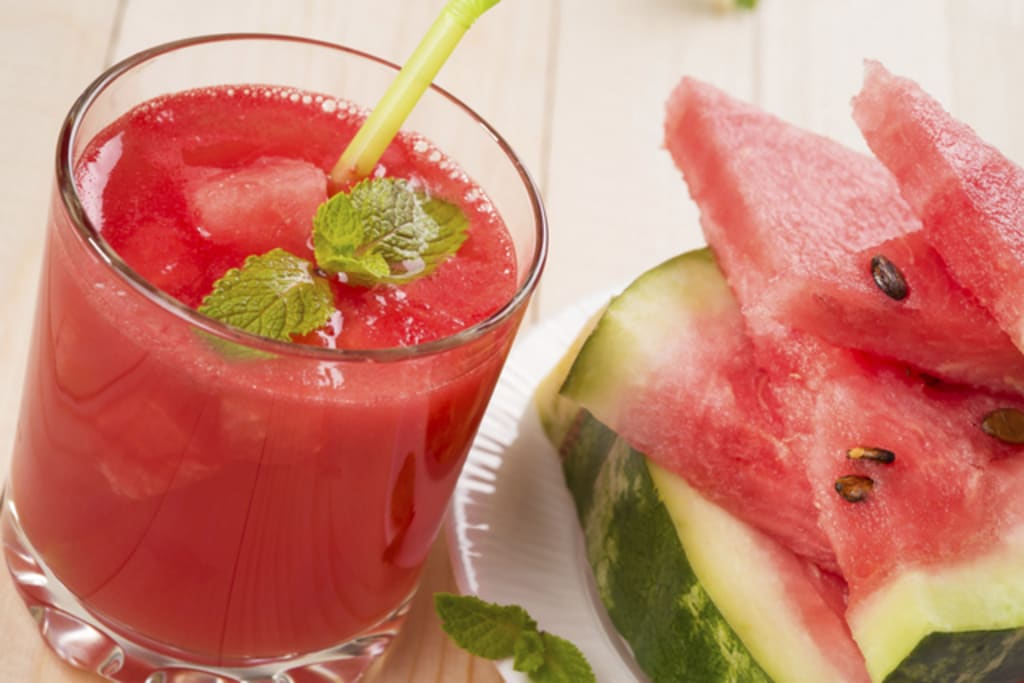
Watermelon is a delicious and refreshing fruit that offers several health benefits. Here are some reasons why eating watermelon is important:
Hydration: Watermelon is over 90% water, making it an excellent choice for staying hydrated. Proper hydration is essential for maintaining healthy bodily functions, regulating body temperature, and promoting optimal organ function.
Nutrient-rich: Watermelon is low in calories and packed with essential nutrients. It is a good source of vitamins A and C, which are powerful antioxidants that help protect the body against free radicals. It also contains minerals like potassium and magnesium, which are important for heart health and muscle function.
Antioxidant properties: Watermelon contains lycopene, a potent antioxidant that gives the fruit its red color. Lycopene has been linked to a reduced risk of chronic diseases, including certain types of cancer, heart disease, and age-related macular degeneration.
Heart health: The combination of vitamins A, C, and lycopene in watermelon is beneficial for heart health. These nutrients help reduce oxidative stress, lower inflammation, and promote healthy blood pressure levels.
Improved digestion: Watermelon is high in fiber, which aids in digestion and helps prevent constipation. It can also help promote a healthy gut microbiome by providing prebiotic fibers that support the growth of beneficial bacteria in the gut.
Weight management: Watermelon is relatively low in calories and can be a satisfying snack, making it a good choice for those trying to manage their weight. Its high-water content can help you feel full while consuming fewer calories.
Skin and hair health: The high-water content in watermelon can help keep your skin hydrated and promote a healthy complexion. The vitamins A and C present in watermelon are also essential for collagen production, which contributes to healthy skin and hair.
Exercise recovery: Watermelon contains citrulline, an amino acid that has been shown to reduce muscle soreness and improve exercise performance. Consuming watermelon or its juice after intense physical activity may aid in post-workout recovery.
It's important to note that while watermelon offers many health benefits, it should be consumed as part of a balanced diet. Variety is key, so incorporating a wide range of fruits and vegetables into your diet is recommended for overall health and wellbeing.
Watermelon has it all:
High levels of vitamin A, C and B6 as well as potassium for cramps and magnesium. Magnesium helps muscles relax , which can prevent premature contractions during pregnancy.
HOW TO MAKE WATERMELON JUICE
Making watermelon juice is a simple and refreshing process. Here's a step-by-step guide to help you make watermelon juice:
Gather the ingredients:
Ripe watermelon
Knife
Cutting board
Blender or juicer
Strainer (optional)
Pitcher or glass for serving.
Ice cubes (optional)
Prepare the watermelon:
Wash the watermelon thoroughly under running water to remove any dirt or debris.
Place the watermelon on a clean cutting board.
Use a sharp knife to cut off both ends of the watermelon.
Cut the watermelon:
Stand the watermelon upright on one of its flat ends.
Carefully slice off the rind, following the curve of the fruit, until you reach the juicy red flesh.
Once the rind is removed, cut the watermelon into small, manageable chunks. Remove any seeds if necessary.
Blend the watermelon:
Place the watermelon chunks into a blender or juicer.
Blend on high speed until the watermelon is completely pureed and no large chunks remain. If using a juicer, follow the manufacturer's instructions.
Strain the juice (optional):
If you prefer a smoother juice without pulp or seeds, strain the watermelon juice through a fine mesh strainer or cheesecloth. This step is optional, as some people enjoy the texture and fiber from the watermelon.
Chill and serve:
Pour the watermelon juice into a pitcher or individual glasses.
If desired, add a few ice cubes to chill the juice further.
Serve the watermelon juice immediately and enjoy its refreshing taste.
Remember, watermelons are naturally sweet, so there's usually no need to add additional sweeteners. However, if you prefer a sweeter taste, you can add a small amount of honey, sugar, or a squeeze of lime juice to enhance the flavor. Adjust according to your preference. Enjoy your homemade watermelon juice!
About the Creator
Enjoyed the story? Support the Creator.
Subscribe for free to receive all their stories in your feed.
Comments
There are no comments for this story
Be the first to respond and start the conversation.