
Behind the Bar: What Bartenders Know That Most Drinkers Don't
The unspoken rules, timeless techniques, and little-known secrets that separate a good bartender from a truly great one
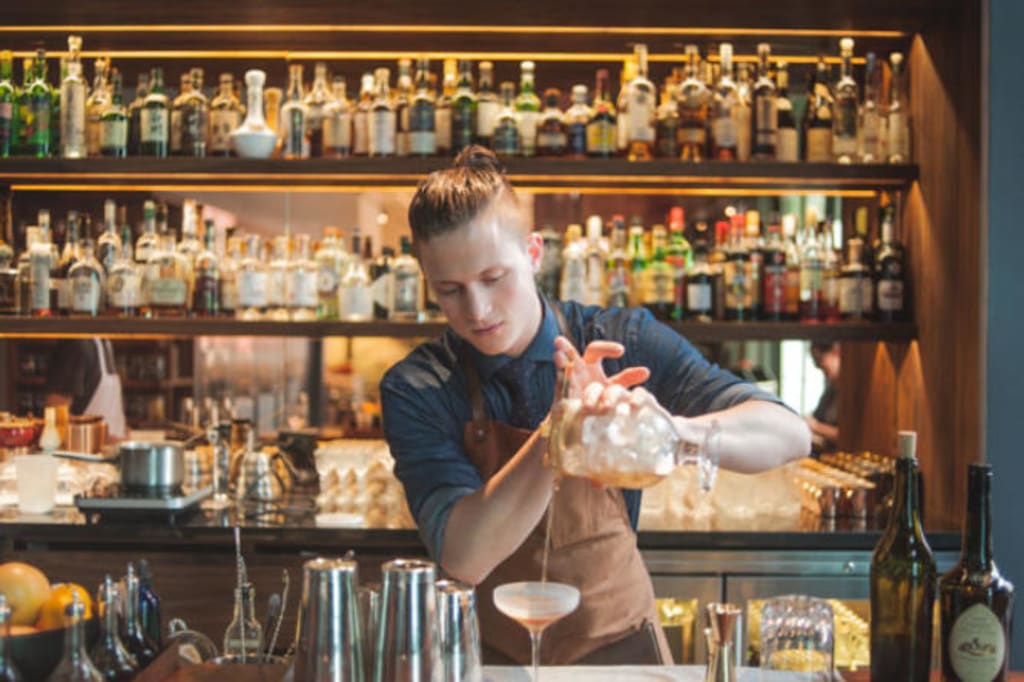
Walk into any great bar on a busy Friday night and watch the person behind the counter for a few minutes. They're memorizing orders without writing them down, holding three conversations at once, free-pouring with surgical accuracy, and somehow making every single guest feel like the most important person in the room. It looks effortless. It is anything but.
Bartending is one of those professions that the world consistently underestimates. It gets dismissed as a stepping stone, a side hustle, or a fallback plan. But talk to anyone who has spent real time behind a bar, and they'll tell you the same thing: it's a craft, a discipline, and on the best nights, something close to an art form. Here's a look at what bartenders actually know — and what most people on the other side of the counter never think to ask.
The Palate Is a Tool
Great bartenders taste everything. Not casually, not occasionally — constantly. They taste their citrus before service to know how acidic it is that day. They taste their syrups to check consistency. They taste a drink before it reaches a guest, not because the recipe might be wrong, but because ingredients are living things that change with temperature, season, and source.
This commitment to tasting is how a skilled bartender catches a drink that's slightly off before it leaves the bar. A lime that's more bitter than sour. A batch of simple syrup that's thinner than usual. A spirit from a newly opened bottle that hits differently than the last. The palate, trained over years of deliberate attention, becomes the most reliable quality control tool in the building.
Ice Is an Ingredient
Ask most people what goes into a cocktail and they'll list the spirits, the mixers, maybe the garnish. Almost no one mentions ice — and yet, ice may be the single most important variable in the final drink.
Professional bartenders think about ice obsessively. The size and density of the ice determines how quickly a drink dilutes. A large, clear cube melts slowly, chilling a whisky on the rocks without watering it down too fast. Smaller, wetter ice in a shaker dilutes quickly and aerates aggressively — ideal for a Daiquiri, less so for a Martini. Cracked ice hits differently from crushed. Crystal-clear ice, made by directional freezing, signals intention and care before the guest even takes a sip.
When a cocktail tastes off at home, the ice is often the culprit. Freezer-burned, small, or hollow cubes can add off-flavors and over-dilute in minutes. Investing in a good ice mold and using filtered water is one of the easiest upgrades any home bartender can make.
Speed and Hospitality Are Not in Conflict
There's a common assumption that a busy bar means impersonal service — that efficiency and warmth are somehow opposing forces. The best bartenders prove this wrong every single shift.
Experienced bartenders develop systems that create time. They batch prep as much as possible before service. They organize their station so that every tool and bottle lives exactly where their hand expects it. They move with economy, never wasting a step. And all of that invisible discipline frees them up to do the thing that actually matters most: make genuine human connection with the people sitting in front of them.
A great bartender remembers that you ordered a gin and tonic last time. They notice when your glass is getting low before you do. They read the room and know when you want conversation and when you just want a quiet drink. That attentiveness isn't a personality trait — it's a skill that gets deliberately built.
The Classics Exist for a Reason
Every generation of cocktail culture seems to rediscover the same truth: the classics are classic because they work. The Negroni. The Old Fashioned. The Whiskey Sour. The Margarita. These drinks have survived for decades not out of nostalgia but because their structures are nearly perfect — each one a masterclass in the balance of strong, sweet, sour, and bitter.
Bartenders who truly understand their craft spend serious time with the classics before they start experimenting. They make the same Daiquiri dozens of times, adjusting the ratio of rum to lime to sugar by tiny increments, tasting each version, learning what each change actually does. That foundation is what makes creative cocktail work meaningful rather than random. Innovation built on ignorance rarely tastes good.
Hospitality Is the Whole Point
Technique matters. Knowledge matters. But every experienced bartender will eventually tell you that the drink itself is almost secondary to the experience surrounding it. People don't remember the precise brix level of the syrup in their cocktail. They remember how they felt sitting at that bar — whether they felt welcomed, seen, and taken care of.
The best bars in the world succeed not because they serve the most technically perfect drinks, but because their bartenders understand that hospitality is an act of generosity. Every glass placed in front of a guest is an opportunity to make that person's evening a little better than it was before they walked in.
That's the thing about bartending that never makes it into the job description. At its best, it's not about alcohol at all. It's about people — and the quiet, underappreciated skill of making them feel at home.
A Note on the Craft
Whether you're behind the bar professionally or just mixing drinks for friends on a weekend, the principles are the same: pay attention, keep learning, and never stop tasting. The bar is a generous teacher for anyone willing to take it seriously.
About the Creator
Enjoyed the story? Support the Creator.
Subscribe for free to receive all their stories in your feed.
Comments
There are no comments for this story
Be the first to respond and start the conversation.