
Am I Having a Heart Attack? Early Warning Signs You Shouldn’t Ignore
Listen to Your Heart: Spot the Signs of Trouble Before It’s Too Late
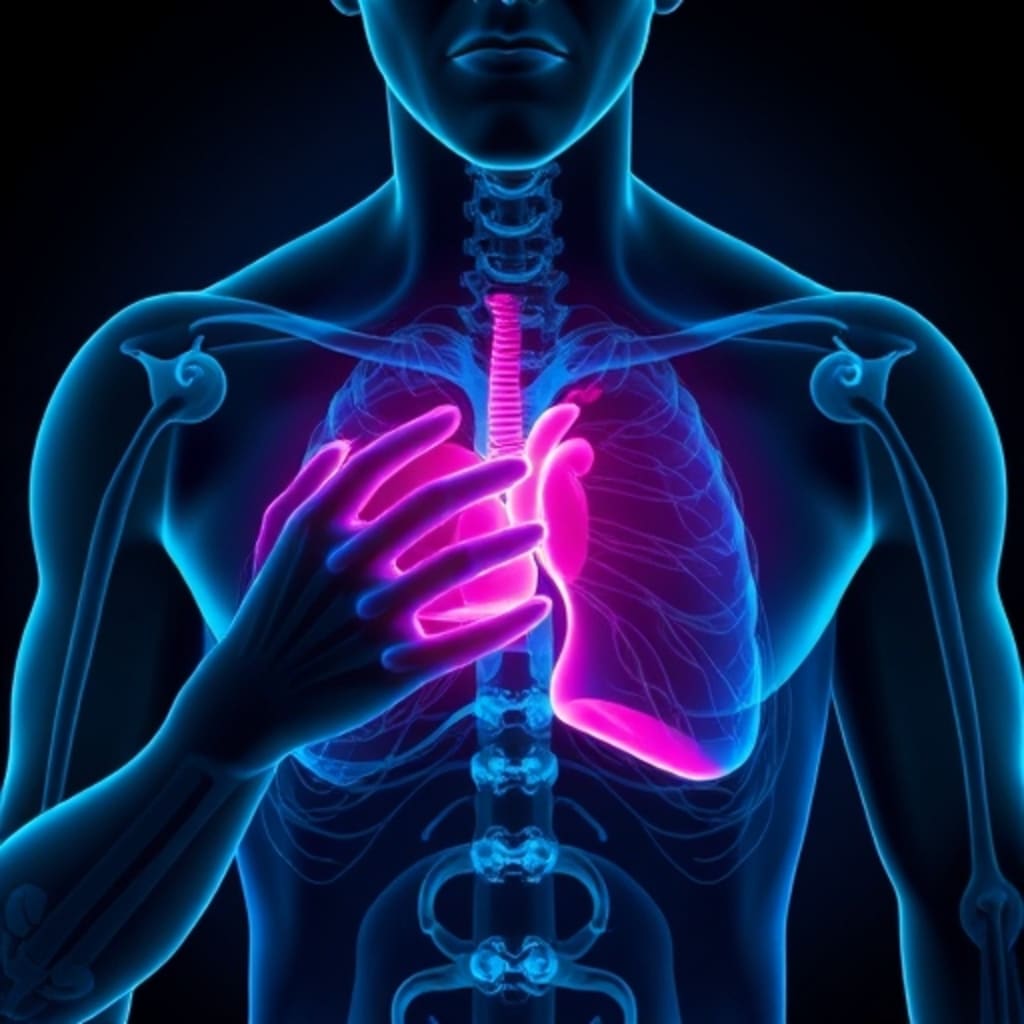
When it comes to your heart, paying attention to small changes can save your life. A heart attack often doesn’t come out of the blue. Most of the time, your body tries to warn you—it’s just easy to brush those signs off as something minor. Let’s talk about what to watch out for and how to know if your heart needs attention.
What Does a Heart Attack Feel Like?
A heart attack happens when blood can’t flow properly to your heart, usually because of a blocked artery. The symptoms can be intense, but sometimes they’re surprisingly subtle, especially for women. Here are the main ones:
1. Chest Pain or Pressure
This is the most common symptom. You might feel like there’s a weight sitting on your chest, or you could feel squeezing or discomfort. The pain might spread to your arms, neck, jaw, back, or even your stomach.
2. Shortness of Breath
If it suddenly feels like you’ve run a marathon when you’re just sitting or walking, this could be a warning. It often happens alongside chest pain, but not always.
3. Extreme Fatigue
Feeling drained all the time, even after a good night’s sleep, can be a red flag—especially for women. Everyday tasks like climbing stairs might leave you feeling unusually tired.
4. Nausea or Lightheadedness
Feeling sick to your stomach or dizzy out of nowhere could mean your heart isn’t working as it should.
5. Cold Sweats
Breaking out into a sweat for no reason, especially if it feels clammy, is a sign that something could be wrong.
What About Heart Disease?
Heart disease doesn’t always lead to a heart attack right away, but it’s often the root cause. Knowing the early signs gives you a chance to make changes and get medical help before things escalate.
1. Chest Discomfort (Angina)
If you notice a pattern of chest pain, especially during exercise or stress, this could mean your heart isn’t getting enough blood.
2. Swelling in Your Feet or Legs
When your heart struggles to pump efficiently, fluid can build up in your lower body, causing noticeable swelling.
3. Irregular Heartbeat
A racing heart or a fluttering sensation might seem harmless, but it could signal a deeper issue like atrial fibrillation, which increases the risk of a stroke.
Should You Call 911?
Yes! If you’re unsure, always call. People often hesitate because they’re worried about overreacting, but it’s better to be safe than sorry. Heart attacks are medical emergencies, and every second counts.
Call emergency services immediately if you experience:
- Severe or persistent chest pain.
- Shortness of breath.
- Nausea, cold sweats, or dizziness combined with any of the above.
How to Keep Your Heart Healthy
The good news is that you can take steps today to lower your risk of heart disease and heart attacks. While some things like genetics are out of your control, here’s what you can do:
1. Eat Smart
Fill your plate with colorful fruits, vegetables, lean proteins, and whole grains. Avoid processed foods, trans fats, and too much salt.
2. Get Moving
Aim for 30 minutes of exercise most days of the week. Walking, dancing, or even gardening counts—it doesn’t have to be hardcore gym sessions.
3. Quit Smoking
If you smoke, stopping is one of the best things you can do for your heart. Smoking damages your arteries and raises your risk of heart attacks.
4. Manage Stress
Chronic stress can strain your heart. Try relaxation techniques like meditation, deep breathing, or yoga.
5. See Your Doctor Regularly
Routine checkups and screenings for blood pressure, cholesterol, and diabetes can catch issues early before they turn into something more serious.
Don’t Wait to Act
Your heart works hard for you every day—it deserves your attention. Whether it’s unusual tiredness, chest pain, or even mild discomfort that keeps coming back, don’t ignore it. Talk to your doctor, especially if something doesn’t feel right.
Catching problems early can make all the difference. And while it’s easy to think, “It’s probably nothing,” taking action can save your life. Making small, consistent changes to your lifestyle can help you enjoy a healthier, longer life—and give your heart the love it deserves.
About the Creator
rmhanimations
We create medical animations, focusing on both short and long format videos with clear explanations of various medical conditions. Perfect for both healthcare professionals and curious minds seeking simplified, accurate information.
Enjoyed the story? Support the Creator.
Subscribe for free to receive all their stories in your feed.
Comments
There are no comments for this story
Be the first to respond and start the conversation.