
A bittersweet homecoming
What does it feel like to have your life turn upside down in just one month?
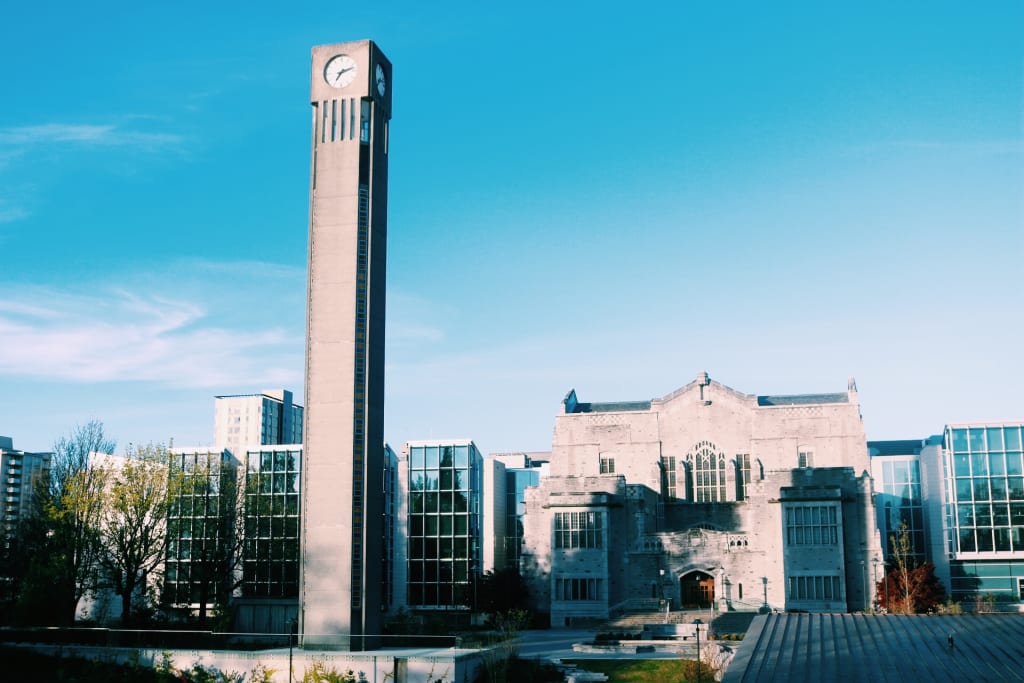
It has been over two months since I left Canada to return to Vietnam. As someone who has always clung tightly to certainty and privacy, it has been interesting —and admittedly unsettling—to see my life turn upside down. But seeing my entire being react to my rotten spirit, I finally gave in for a change. In hindsight, I had only a month to uproot myself; there was no room for second-guessing, which is all right. I frequently do it anyway.
The regrets hit sooner than I imagined. The return to my homeland after six years brought a strange sense of unfamiliarity. Home doesn’t feel like “home” anymore. I had adapted to Vancouver’s brisk weather, its architecture, and a lifestyle centred around personal freedom. Now, I’m navigating the reality of living with my parents again, adjusting to their schedules, and following their traditions around meals and daily routines. It’s like being 18 all over again—except I don’t love it anymore. While grappling with this unsettling adjustment, one pervasive thought nags at me: I fear stagnation.
The fear of falling behind has always haunted me, regardless of where I am. It’s a stubborn, familiar feeling that persists even now. Perhaps, this is the common mentality of young professionals with many career aspirations. We want to burn the process of reaching our goals. We yearn for achievements and social recognition. Most importantly, we do not allow ourselves to take a break.
This relentless mindset finally exacted a heavy toll on my health. I found myself being miserable in meeting the demands of this imagined race. The stress accumulated over time led to a severe skin breakout, to the point where I hated looking at myself in the mirror. Then came the move across continents—yet even these significant changes did not free me from the insatiable urge to hustle. Am I repeating the same mistakes, running myself into exhaustion yet again?
The honest answer may be yes. Change doesn’t happen overnight. Patterns deeply ingrained in our minds aren’t erased easily by a change of scenery or random motivational speeches. I still feel guilty when taking a break or spending an afternoon watching a movie. Society has conditioned us to equate stillness with failure. As long as our measures of success are defined by external milestones, I suspect that feeling will never fully vanish.
But our growth does not depend on instantly “fixing” certain emotions and behaviours; it’s about cultivating awareness and changing perspectives. What appears to be a setback can sow the seeds of future success. Our shortcomings can happen to transform us into a better version of ourselves. Simultaneously, what looks like achievement may harbour unseen dangers.
Perhaps the best we can do is take everything in stride and live in the present moment. Moving back home doesn’t mean the end—it’s simply another chapter. Life may have slowed down, but I’m beginning to appreciate that progress isn’t always about racing forward. Sometimes, it’s about realizing you can change direction, take detours, or even stop altogether to catch your breath. Slowing down has not ruined me—it has given me a new way to pursue my paths. I now have time to contribute to causes I believe in and to indulge in what I love most: writing. Ironically, this piece would not exist if I hadn’t had more time and needed an outlet for self-expression.
When people ask me, “What’s your five-year plan?” every fibre of my being is stunned. For God’s sake, my life took a complete turn in just one month. I never imagined I’d leave the country that became my second home for six years. But when your health and sanity are on the verge of breaking down, you have to listen. If there’s one moral lesson here, it’s to honour what your body and spirit need. Prioritizing myself might bring moments of regret or uncertainty, but that’s okay. Who says I can’t make adjustments and try again?
In the end, progress takes many forms. While I may feel like life’s pace has changed, I’ve realized that slowness does not equate to failure. If anything, it offers room to find meaning, purpose, and the opportunity to think for yourself.
About the Creator
Enjoyed the story? Support the Creator.
Subscribe for free to receive all their stories in your feed.
Comments
There are no comments for this story
Be the first to respond and start the conversation.