
8 Healthy Fruits You Should Be Eating and 8 You Shouldn’t:
Fruits:

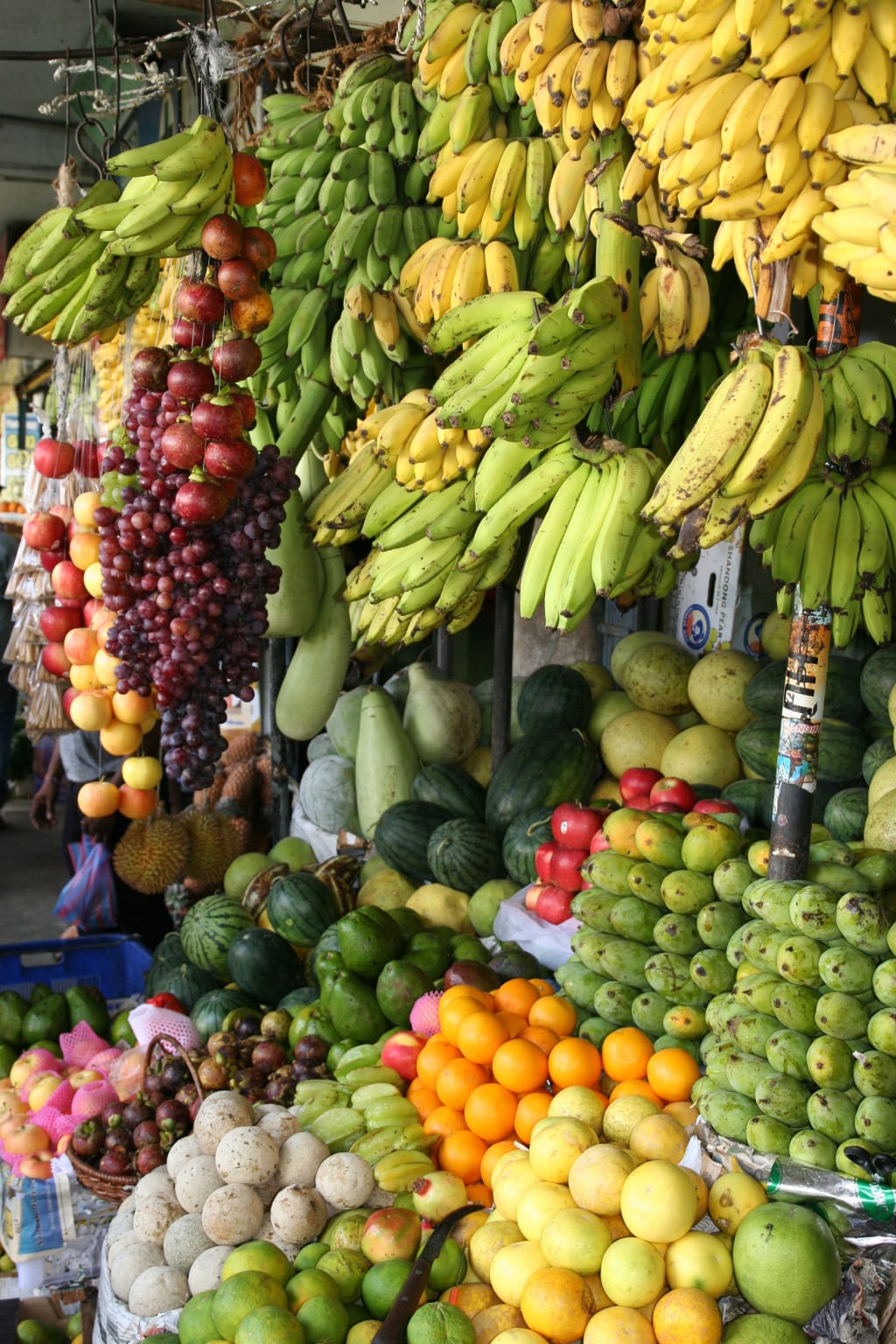
8 Healthy Fruits You Should Be Eating and 8 You Shouldn’t:
Introduction:
Did you know that only 1 in 10 adults eat at least 1 1/2 to 2 cups of fruit per day, the recommended amount? It confirms the alarming fact of not consuming fruit. This article examines the importance of fruits to our health and well-being, and discusses both healthy fruits to include in your diet and those best consumed in moderation.
Fruits:
Fruits are an essential part of a balanced diet, providing a wide range of nutrients, vitamins and antioxidants that are beneficial to our overall health. Studies show that eating at least 4-5 servings of fruit a day has many health benefits. It lifts your mood and helps reduce your risk of heart disease, obesity and type 2 diabetes.
Let's take a look at some healthy fruits you should include in your diet on a regular basis.
Blueberries:
Blueberries are rich in antioxidants and have a pleasantly sweet taste. It's relatively low in calories and has a low glycemic index, making it ideal for blood sugar control. Blueberry fiber forms a gel in the intestine, slowing the release of glucose into the bloodstream. It also contains certain phytonutrients that block the absorption of sugars through the intestinal wall. Blueberries have been associated with a variety of health benefits, including heart protection, lowering bad cholesterol, and supporting brain health.
Papaya:
Papaya is a nutritious fruit that is low in calories and rich in vitamins such as vitamin C, potassium, folic acid, and dietary fiber. It also contains lutein and zeaxanthin to protect your eyes from age-related blindness. Papaya has been associated with the prevention of atherosclerosis, diabetes and heart disease. The antioxidants in papaya fight blood cholesterol levels, prevent plaque formation in arteries, and promote overall heart health.
Grapes:
Grapes are one of the oldest and healthiest fruits in the world. They are a good source of potassium that helps prevent muscle cramps. Studies show that grapes have beneficial effects on blood lipids, may reduce inflammation and lower blood pressure. However, it's important to note that grapes can be toxic to dogs. So don't share these and other foods that are toxic to dogs with your furry friends.
Pomegranate:
Pomegranates are known to be rich in antioxidants. It contains phytonutrients with 2-3 times the antioxidant power of green tea and red wine. Studies show that pomegranate may help prevent cancer, lower blood pressure, improve cholesterol levels, and improve cognitive function. Pomegranate juice has been shown to have a positive effect on memory in older adults.
Orange:
Oranges are rich in anti-inflammatory phytonutrients such as vitamin C, potassium, and flavonoids. Perfect for a pre-workout snack or post-workout energy boost. Oranges are relatively low in sugar and calories, making them a healthy alternative that won't trigger cravings for sweet treats.
Apple:
Apples aren't the most attractive of fruits, but they do have numerous health benefits. They are an excellent source of the phytonutrient quercetin, which has been shown to reduce inflammation and combat asthma and allergy symptoms. Apples have also been associated with lowering blood pressure and improving cholesterol levels. Apple peels contain disease-fighting compounds such as flavonoids that reduce the risk of heart disease.
Raspberry:
Raspberries are packed with about 8 grams of dietary fiber per cup, which helps maintain a healthy digestive system. It's also packed with phytonutrients and antioxidants, making it one of the top fruits for its net antioxidant benefits. Studies show that consuming raspberries may slow the growth of colon cancer cells.
Avocado:
Avocados are considered to be the most nutritious fruit as they are rich in essential nutrients such as vitamins A, B, C, E, K, copper, iron, phosphorus, magnesium and potassium. Avocados contain beneficial phytochemicals such as beta-sitosterol, glutathione, and lutein that help protect against various diseases. Avocados are high in calories, but they're also a great source of healthy fats that are essential for our bodies to function.
Although these fruits have many health benefits, some fruits may be high in sugar or contain certain elements such as: It is important to note that it is important to keep the dosage in moderation.
Banana:
Bananas are convenient and popular fruits, but they contain about 25% sugar. Fruits are a great source of potassium and other micronutrients, but some fruits are more nutritious, such as blueberries and raspberries. Bananas are not inherently harmful to the body, but it is important to consume them in moderation rather than relying on them as a meal replacement.
Mango:
Mangoes are a delicious tropical fruit, but they are relatively high in carbohydrates and sugars. A mango contains about 30 grams of carbohydrates and 26 grams of sugar. It also has an intermediate glycemic index, which can significantly increase blood sugar levels. If you like mangoes, it is recommended that you eat them little by little, paying attention to the sugar content.
Dried fruit:
Most dried he fruits are not as healthy as candy. It is often coated with sugar or treated with chemicals to preserve its color and freshness. Dried fruit has more calories and less water than fresh fruit. Also, the drying process can reduce vitamin C levels. When eating dried fruit, it is important to eat in moderation and choose varieties with no added sugar.
Coconut:
Coconut water is a popular beverage known for its moisturizing properties, but you should also consume other coconut products such as coconut oil and sugar in moderation. Coconut products are high in saturated fat, sugar and calories. People with high cholesterol or a history of heart disease should be careful when consuming coconut.
Cherry:
Cherries are small and tasty, but they have a relatively high sugar content compared to many other fruits. One cup of cherries contains about 17 grams of sugar. As such, it is not a very good option for those with diabetes or those who are watching their sugar intake. Cherries can also cause gas and bloating due to indigestible compounds. If you're looking for a low-sugar option, consider opting for berries instead.
Corn:
Corn is an integral part of many dishes and products, but it's important to be aware of the potential health risks associated with corn. Much of the corn available today is genetically modified and may contain high levels of his GMOs. It is often used as animal feed and can be treated with pesticides and herbicides. If you want to include corn in your diet, we recommend choosing organic, non-GMO corn products.
Watermelon:
Watermelon is a refreshing and hydrating fruit, but it contains high amounts of fructose, a natural sugar found in fruits. Moderate amounts of fructose are fine, but too much watermelon can lead to excessive sugar intake, which can affect your fitness goals and cardiovascular health. Additionally, consuming large amounts of watermelon can increase the amount of water in your body, which can lead to bloating, weak kidneys, and digestive problems.
Lychee:
Lychees, especially immature ones, contain toxins that inhibit glucose synthesis in the body, causing low blood sugar levels. People who have difficulty controlling blood sugar levels are advised to avoid or limit their consumption of lychee.
If you want to include fruit in your diet, it's best to eat a variety of healthy and unhealthy fruits in moderation. Fresh fruit is generally preferred over dried fruit. It is important to pay attention to individual nutritional needs, dietary restrictions and overall health goals. Whether you juice your fruit or eat it raw, the most important thing is to maintain a balanced and varied diet that includes a variety of fruits and other nutritious foods.
While fruits have many health benefits, they should be part of a balanced diet that includes other essential nutrients such as vegetables, whole grains, lean proteins and healthy fats. don't forget Consult your doctor or registered dietitian for personalized advice on incorporating fruit into your specific dietary needs and health goals.
About the Creator
Syed Noor ul hussain shah
I write a informative articles about health, sport and news etc.
Enjoyed the story? Support the Creator.
Subscribe for free to receive all their stories in your feed.
Comments
There are no comments for this story
Be the first to respond and start the conversation.