
7 Signs a Karmic Relationship Has Finished Its Purpose
How to Know When the Lesson Is Complete and It’s Time to Let Go


At some point, karmic relationships stop feeling like an emotional rollercoaster and start feeling like a door you can finally close. Karmic relationship signs can help you recognize that shift after repeated breakups, longing, conflict, and intense attraction.
“Karmic relationship” is a spiritual label, not a clinical diagnosis or proven explanation. Some people connect these experiences with past lives or compare them with twin flames, but those interpretations are based on belief.
The seven signs below focus on calm, boundaries, and changed behavior, while keeping safety at the center.
Key Takeaways
A karmic relationship is a spiritual label, not a clinical diagnosis or proven explanation for intense relationship patterns.
The relationship’s purpose may feel complete when you feel calmer, stop repeating the same arguments, and no longer wait for the other person to provide closure.
Real growth appears in changed behavior, natural boundaries, and choices that protect your time, money, peace, and self-worth.
Missing someone can coexist with knowing they are not right for your future; grief does not cancel progress.
Threats, stalking, coercion, financial control, and abuse require practical safety planning rather than spiritual explanations.
What a Karmic Relationship Means and Why It Can Feel So Intense
People often use "karmic relationships" to describe bonds marked by fierce attraction, repeated conflict, and a lesson they feel compelled to learn. Some interpret the connection as a soul lesson. Others use spiritual frameworks such as twin flames, though neither concept is fact.
Yet intensity has many sources. Attachment styles, childhood trauma, unmet emotional needs, fear of abandonment, and poor boundaries can all shape the pull. Intermittent affection can create emotional dependency and sometimes resemble trauma bonding, though not every difficult relationship meets that definition. Anxiety can feel like chemistry, while prolonged uncertainty can lead to emotional exhaustion.
A difficult relationship isn't automatically destined, meaningful, or worth preserving. History alone doesn't make a partnership healthy. What matters is how both people treat each other now.
The Difference Between a Karmic Bond and a Healthy Long-Term Relationship
A turbulent bond often involves a painful push and pull. There may be jealousy, repeated breakups, broken promises, and arguments that never reach a real resolution. One person may spend more energy trying to keep peace than feeling safe.
A healthy relationship has room for attraction and disagreement, but it also has trust. Both people can speak plainly, respect limits, repair harm, and make plans without fear. Suffering does not make a connection special.
Love can feel intense without making your nervous system feel unsafe.
7 Karmic Relationship Signs That Show Its Purpose May Be Complete
These patterns below are reflections, not proof of a cosmic verdict. People interpret karmic relationships in different ways, but no spiritual label can determine your choices or safety. Some intense bonds may resemble trauma bonding, while terms like twin flames can make unhealthy dynamics seem destined.
You may recognize one sign before the others. What matters is whether your choices now protect your peace and match your values.
If the relationship includes threats, stalking, financial control, intimidation, or abuse, prioritize safety over spiritual explanations. The National Domestic Violence Hotline offers confidential, 24-hour support in the United States.
1. You Feel Calm Instead of Pulled Into the Same Emotional Cycle
The urgent pull begins to fade. You may still feel sad, but emotional turmoil no longer drives your day. You don't check your phone every few minutes or replay every conversation until 2 a.m.
For example, you see their name on social media and keep moving through your day. Calm doesn't mean the relationship meant nothing. It means the attachment no longer controls your body and attention.
2. The Same Arguments No Longer Control Your Choices
Perhaps every disagreement once ended with you chasing, apologizing, or explaining yourself for the tenth time. Now, you can pause. You can say, "I'm not continuing this conversation," and mean it.
That shift matters because you stop treating conflict as a test you must pass. Instead, you make decisions based on what you need: honesty, respect, and emotional steadiness.
3. You Have Learned the Lesson Behind the Repeating Pattern
A karmic connection often spotlights an old habit. Maybe you people—please. Maybe you rescue partners who won't take responsibility. Perhaps you ignore early red flags because leaving feels worse than uncertainty.
Learning the lesson means changing your behavior. That change completes a cycle of lessons through real personal growth. You decline the late-night call, stop lending money you can't afford to lose, or leave when disrespect becomes a pattern.
You don't need a perfect explanation for the other person's behavior to choose differently.
4. You Stop Waiting for Closure From the Other Person
Many people wait for an apology that fits every wound. They hope for one last conversation that makes the past feel orderly. Unfortunately, some people can't help you resolve your unresolved issues or heal your old wounds.
Closure can come when you accept what happened and decide what it means for your future. Continued contact isn't required. A written letter you never send, a final boundary, or a private goodbye can carry more weight than another circular conversation.
5. Your Boundaries Feel Natural, Not Like a Test
Healthy limits aren't punishment or bait to make someone return. They are simple rules that protect your time, money, peace, and self-worth. You might mute their account, stop discussing the relationship with mutual friends, or set a deadline for exchanging belongings.
The clearest indicators often appear here. You no longer create boundaries hoping they'll provoke a grand gesture. You keep them because they make your life more stable.
6. You Can Imagine a Future That Does Not Include Them
Your attention returns to ordinary life. Work feels possible again. You call a friend without turning every conversation into a relationship update. A class, a morning walk, or a savings goal begins to hold your interest.
As emotional burnout eases, your energy slowly returns. Missing someone can coexist with knowing they aren't right for you. Grief doesn't cancel progress. Grief often walks beside progress for a while.
7. The Connection No Longer Fits the Person You Are Becoming
Your values may have changed. You may want reliable communication, a calmer home, financial honesty, or a partner who respects your friendships. A relationship that once felt irresistible can start to feel too small for the life you want.
Judge the connection by present behavior and compatibility, not only by its history. The strongest indicators often have little drama. You simply trust yourself more than the old story.
When Intensity Hides Harm
A toxic situation may involve damaging patterns, even when the available facts don't establish abuse. Abuse requires a different response. Control over money, isolation from friends, threats, humiliation, monitoring your phone, and pressure around sex are serious warning signs.
Trauma bonding can make it difficult to leave a harmful relationship, but it isn't a diagnosis, and not every intense relationship involves trauma bonding. Neither karmic explanations nor twin flames excuse coercion or abuse. You don't owe an abuser another chance to show that they have changed. If leaving could increase danger, use the National Domestic Violence Hotline's personal safety plan rather than announcing your intentions.
Protect Your Financial Independence
Money can become a tool of control when a partner blocks access to accounts, creates debt in your name, takes your paycheck, or demands proof of every purchase. Keep copies of important documents where you can access them safely.
If possible, review your credit report, update account passwords from a safe device, and speak with a trusted financial institution about account privacy. Mental health professionals can also help you process fear, shame, or control after you address your immediate safety needs. These steps are practical protections, not acts of disloyalty.
How to Know a Karmic Relationship Is Truly Over and Move Forward
A relationship can feel finished after one calm week, then pull you back during a lonely Friday night. With karmic relationships, lasting closure shows up in repeated choices over time. The past may still sting, but it no longer directs your next move.
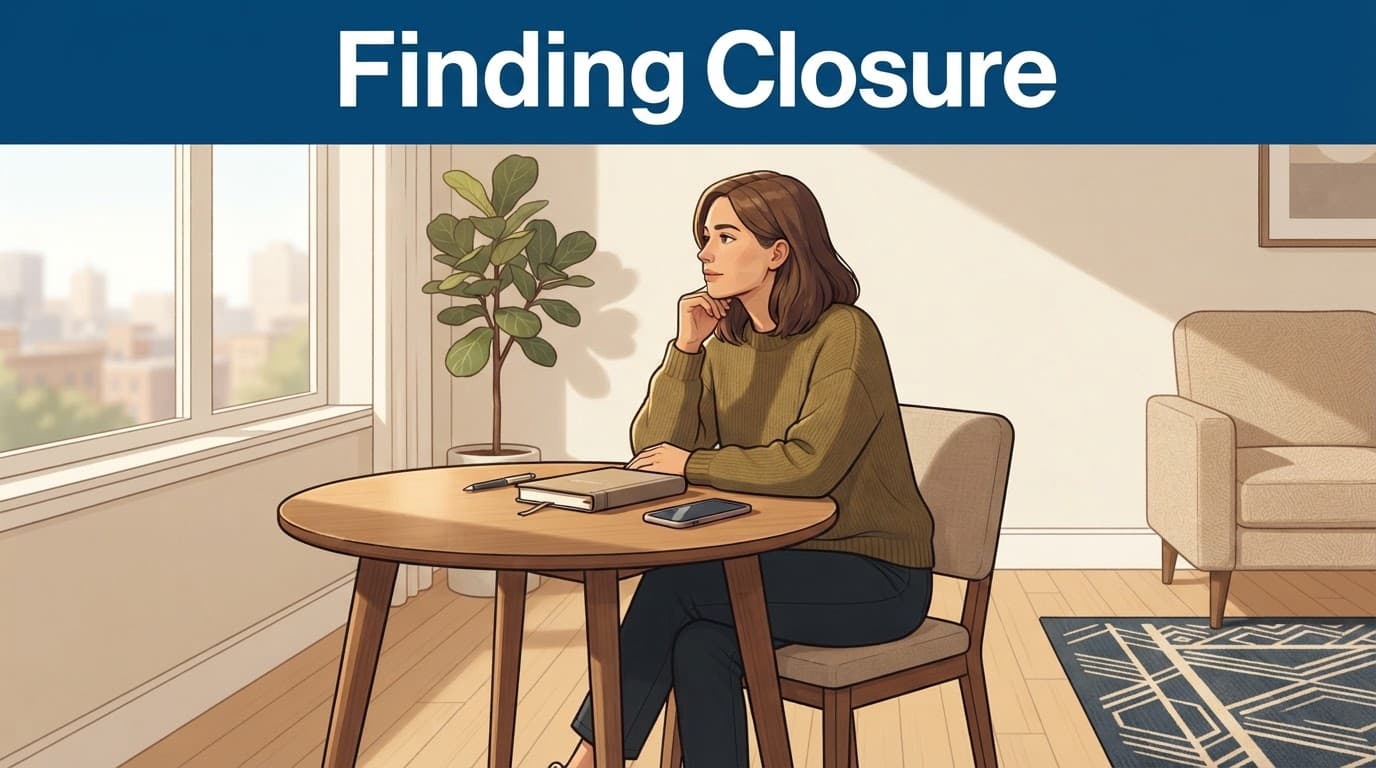
Use a Clear Reflection to Separate Growth From Temporary Relief
Write down the facts rather than relying on the best or worst memory. Ask yourself what kept repeating, what you tolerated, and what has changed in your actions. Then describe what a healthy partnership would require.
Personal growth appears in measurable changes to your behavior, boundaries, and expectations. One peaceful conversation doesn't erase months of broken promises. Real growth holds during disappointment, loneliness, and conflict.
Create a Practical No-Contact or Low-Contact Plan
No contact can help your mind settle when each message restarts the cycle. Boundary setting may include removing old photos, shared playlists, and automatic social-media updates. Tell one trusted friend in your support network what you're doing, especially if you usually reach out when you feel lonely.
When contact is necessary because of children, housing, work, or shared property, keep communication brief and focused on the practical issue. The Pennsylvania Office of Victim Services safety-planning guidance also stresses that safety plans should fit the person's own situation.
Rebuild Your Life With Choices That Match Your Values
Return to routines that make your life feel like your own. Eat regular meals, protect sleep, see supportive people, and make one small commitment you can keep. A monthly budget, a new workout class, or an overdue medical appointment can restore a sense of direction.
Labels such as twin flames shouldn't override observed behavior, compatibility, or safety. Avoid rushing into another intense bond before you understand the old pattern. Stability may feel unfamiliar at first, but unfamiliar doesn't mean empty.

Frequently Asked Questions
What is a karmic relationship?
A karmic relationship is a spiritual term people use for an intense bond marked by repeated conflict, attraction, or emotional lessons. It is not a clinical diagnosis or a proven explanation, and difficult relationship patterns can also come from attachment wounds, unmet needs, or poor boundaries.
How do you know a karmic relationship is over?
You may feel calmer, stop repeating the same cycle, and make decisions based on your values rather than emotional urgency. Lasting closure usually appears through repeated choices over time, not one peaceful conversation or a dramatic final moment.
Do you need closure from the other person to move on?
No. Closure can come from accepting what happened, recognizing the pattern, and deciding what you will do differently. A boundary, a letter you never send, or a private goodbye may be more helpful than another circular conversation.
Should you stay in contact with a karmic partner?
No contact or low contact can help if messages keep restarting the emotional cycle. If contact is necessary because of children, work, housing, or shared property, keep communication brief, practical, and consistent with your safety needs.
What should you do if the relationship involves abuse or control?
Prioritize safety over spiritual interpretations, especially when there are threats, stalking, intimidation, isolation, financial control, or sexual pressure. In the United States, the National Domestic Violence Hotline offers confidential, 24-hour support and safety-planning resources.
Let Your Future Set the Standard
Karmic relationships don't need a dramatic final moment for you to leave them behind. Calm, changed patterns, firm boundaries, self-led closure, and an open future are stronger guides.
You don't need spiritual certainty to step away from a painful cycle. Choose relationships built on safety, respect, consistency, and mutual care, and remember that you can choose differently.
About the Creator
Wilson Igbasi
Hi, I'm Wilson Igbasi — a passionate writer, researcher, and tech enthusiast. I love exploring topics at the intersection of technology, personal growth, and spirituality.
Enjoyed the story? Support the Creator.
Subscribe for free to receive all their stories in your feed.
Comments
There are no comments for this story
Be the first to respond and start the conversation.