
5 Hard Lessons I Learned From Running a Small Hardware Business
What textbooks don't tell you about managing inventory, customers, and cash flow in a local market.

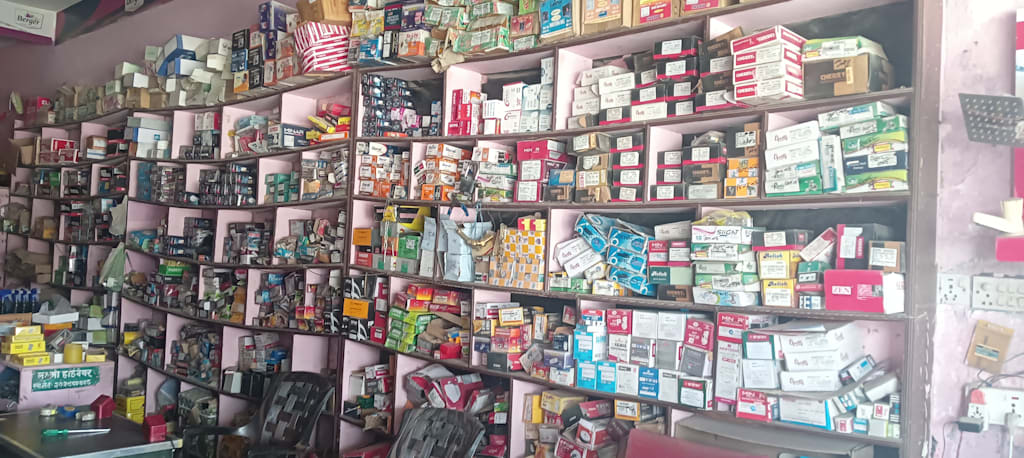
Starting a business is easy, but running one day after day is where the real challenge lies. For the past few years, I have been operating a hardware store, and this journey has taught me more about life and finance than any school ever did. In the heart of Nepal, specifically in a growing city, running a hardware store is a unique challenge. Unlike the west, here the business depends heavily on face-to-face interactions. Every morning when I open my shutters, I am not just opening a shop; I am opening a world of new opportunities and challenges.
1. Inventory is Not Just Stock, It’s Cash
In the hardware business, you deal with hundreds of small items—from nails to heavy power tools. I realized early on that every item sitting on the shelf for too long is actually "frozen cash." If I buy too much of something that doesn't sell, that money is stuck. Learning what to stock and when to say "no" to a slow-moving product is the first step to a healthy business. It requires constant observation of what the local builders and homeowners are looking for
2. Customer Relationships are Your Real Capital
In a local community, your reputation is everything. A customer might come in for a single screw today, but if you treat them with respect and provide good advice, they will return next month for expensive renovation materials. Trust is the hardest thing to build but the easiest thing to lose. Dealing with local customers has taught me that empathy is just as important as the price tag. Sometimes, a customer just needs help choosing the right tool for their home, and being that guide creates a bond that no discount can replace.
3. The Reality of Credit (Udharo)
One of the toughest parts of running a shop is managing credit. You want to help people, especially neighbors, but "Udharo" can kill a small business if not managed correctly. I learned that setting clear boundaries and polite reminders are essential to keep the cash flow moving. Without a steady flow of cash, it becomes impossible to restock the items that are in high demand.
4. How Technology is Changing the Hardware Business
In today’s digital age, even a traditional hardware shop cannot survive without adapting to technology. I have started focusing more on how digital tools can help. From using high-quality smartphones for inventory management to keeping track of the latest market trends through online platforms, technology has become a silent partner in my business. Whether it is through social media updates, using messaging apps like WhatsApp for orders, or accepting digital wallets like eSewa and Khalti, the landscape is evolving rapidly.
5. Patience is a Silent Partner
There are days when the shop is empty, and there are days when you can't keep up with the crowd. I’ve learned to stay calm during the slow periods and use that time for inventory checks or learning about new market trends. My family, including my parents and my kids, have been a huge support throughout this journey. Balancing the demands of a retail business with family time requires immense patience and dedication.
The Future of Local Trade in the Digital Era
Looking ahead, I see a massive shift in how we conduct local trade. It's no longer just about having a physical shop; it's about building a digital bridge to your customers. My journey from a traditional shopkeeper to someone who understands the importance of online presence has been eye-opening. For any young person in Nepal or elsewhere, my message is this: Don't underestimate the power of a small business. It is the best school for learning about people, money, and resilience.
Advice for New Entrepreneurs
If you are someone looking to start your own small business, my advice is to stay consistent. There will be days when you feel like giving up, especially when the market is slow. But remember, every successful business owner started exactly where you are. Focus on learning one new thing every day, whether it’s about a new product line, a better way to handle accounting, or simply a better way to talk to your customers.
Final Thought: If you are planning to start a small retail business, remember: It’s not about how much you sell in one day, but how consistently you show up for your customers. As I continue to grow my business, I remain committed to blending traditional values with modern technology, ensuring that my store remains a cornerstone of the local community for years to come.
About the Creator
Enjoyed the story? Support the Creator.
Subscribe for free to receive all their stories in your feed.
Comments
There are no comments for this story
Be the first to respond and start the conversation.