
2 dead in Ukraine from Russian attacks, 4 more in Russian-held area hit by Ukrainian drones
Fresh Casualties Highlight the Ongoing Human Cost of the Russia–Ukraine War Civilians Remain at Risk as Cross-Border Strikes Intensify Drone Warfare and Missile Attacks Continue to Shape the Conflict Renewed Violence Underscores the Challenges of Achieving Peace Latest Attacks Reveal the Persistent Humanitarian Impact of the War Deaths and Injuries Reported on Both Sides Amid Escalating Hostilities As Fighting Continues, Civilians Once Again Pay the Highest Price New Strikes Demonstrate the Expanding Reach of Modern Warfare Conflict Enters Another Deadly Chapter as Attacks Hit Multiple Regions Growing Use of Drones Adds New Dimensions to an Enduring War
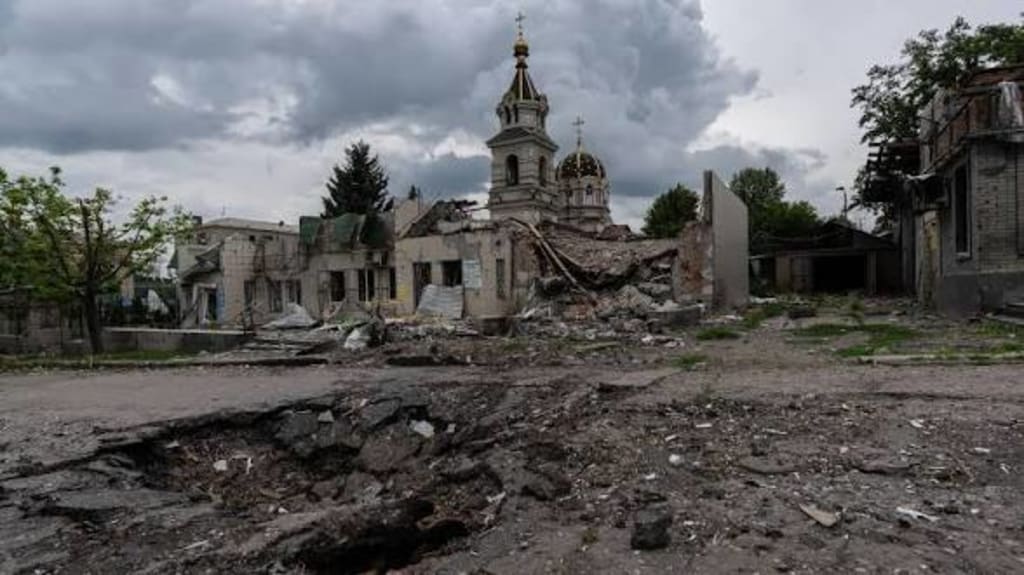
The war between Russia and Ukraine continues to inflict a heavy human toll, with fresh reports indicating fatalities and injuries on both sides of the conflict. According to local authorities and media reports, two people were killed in areas affected by Russian attacks in Ukraine, while four others were reportedly injured in a Russian-held region following a Ukrainian drone strike. The incidents underscore the continuing intensity of a conflict that has entered yet another challenging phase, leaving civilians caught in the crossfire.
The latest attacks serve as a reminder that despite international diplomatic efforts and repeated calls for de-escalation, military operations remain active across multiple fronts. Both Russia and Ukraine continue to rely on a combination of conventional military strikes, artillery fire, missile attacks, and increasingly sophisticated drone operations. As a result, communities on both sides of the conflict face ongoing risks to their safety and security.
Ukrainian officials reported that Russian attacks targeted populated areas, causing casualties and damage to infrastructure. Emergency services were dispatched to affected locations to assist victims and assess the extent of destruction. Local authorities stated that residential buildings and public facilities were among the sites impacted by the strikes. While details remain subject to verification, the reported deaths highlight the continuing vulnerability of civilians living near conflict zones.
At the same time, authorities in a Russian-controlled area reported that Ukrainian drones struck targets within their territory, leaving four people injured. Drone warfare has become a defining feature of the conflict, allowing both sides to carry out operations far beyond traditional front lines. Such attacks are often aimed at military installations, logistical hubs, or strategic infrastructure, although officials frequently report civilian casualties and property damage as well.
The growing use of drones reflects a broader transformation in modern warfare. Compared with traditional aircraft, drones are generally less expensive to deploy and can operate in areas where air defenses make conventional missions difficult. Both Russia and Ukraine have invested heavily in drone technology, using unmanned systems for surveillance, reconnaissance, and offensive operations. This development has significantly altered battlefield dynamics and expanded the geographical reach of military actions.
Beyond the immediate casualties, each new attack contributes to a wider humanitarian crisis. Millions of people have been displaced since the conflict began, with many forced to leave their homes and seek safety elsewhere. Families continue to face uncertainty as schools, hospitals, energy facilities, and transportation networks remain vulnerable to attack. Humanitarian organizations have repeatedly warned that prolonged conflict increases the burden on civilians, particularly children, the elderly, and those requiring medical care.
International reactions to the latest incidents are likely to follow a familiar pattern. Western governments have generally condemned attacks that result in civilian casualties and have continued to express support for Ukraine's sovereignty and territorial integrity. Russia, meanwhile, maintains that its military actions are directed toward strategic objectives and frequently accuses Ukraine of conducting attacks against areas under Russian control. Competing narratives from both sides often make independent verification challenging, especially in regions where access for journalists and observers is limited.
The broader geopolitical implications of the war continue to extend far beyond Eastern Europe. The conflict has influenced global energy markets, food supplies, security policies, and diplomatic relations. Governments around the world remain closely focused on developments in the region, recognizing that changes on the battlefield can have significant international consequences.
Military analysts note that neither side has achieved a decisive breakthrough capable of ending the conflict. Instead, the war has evolved into a prolonged struggle characterized by periodic offensives, defensive operations, and long-range strikes. Advances in technology, including drones and electronic warfare systems, have become increasingly important in determining tactical outcomes.
For civilians living in affected regions, however, strategic calculations offer little comfort. The immediate concern remains personal safety and survival. Every reported casualty represents a family coping with loss, injury, or displacement. As attacks continue, local communities face the difficult task of rebuilding damaged infrastructure while adapting to the realities of life in a conflict zone.
The latest reports of deaths and injuries serve as another stark reminder of the ongoing human cost of the Russia-Ukraine war. While political leaders and military commanders debate strategy, ordinary people continue to bear the consequences of violence. Until a lasting political solution is achieved, the risk of further casualties and destruction is likely to remain a tragic feature of the conflict.
As the international community watches developments unfold, humanitarian groups continue to call for the protection of civilians and adherence to international law. Whether through diplomacy, negotiations, or future peace initiatives, many hope that efforts to reduce violence will eventually create conditions for a more stable and secure future for those affected by the war.
Suggested subtitle: Fresh casualties on both sides highlight the continuing human cost and evolving nature of the Russia-Ukraine conflict.
About the Creator
Enjoyed the story? Support the Creator.
Subscribe for free to receive all their stories in your feed.
Comments
There are no comments for this story
Be the first to respond and start the conversation.