
What General Stores Were Like—and What They Meant to a Town - Video
In late-1800s Michigan, a trip to the store connected rural families to goods, news, and one another.

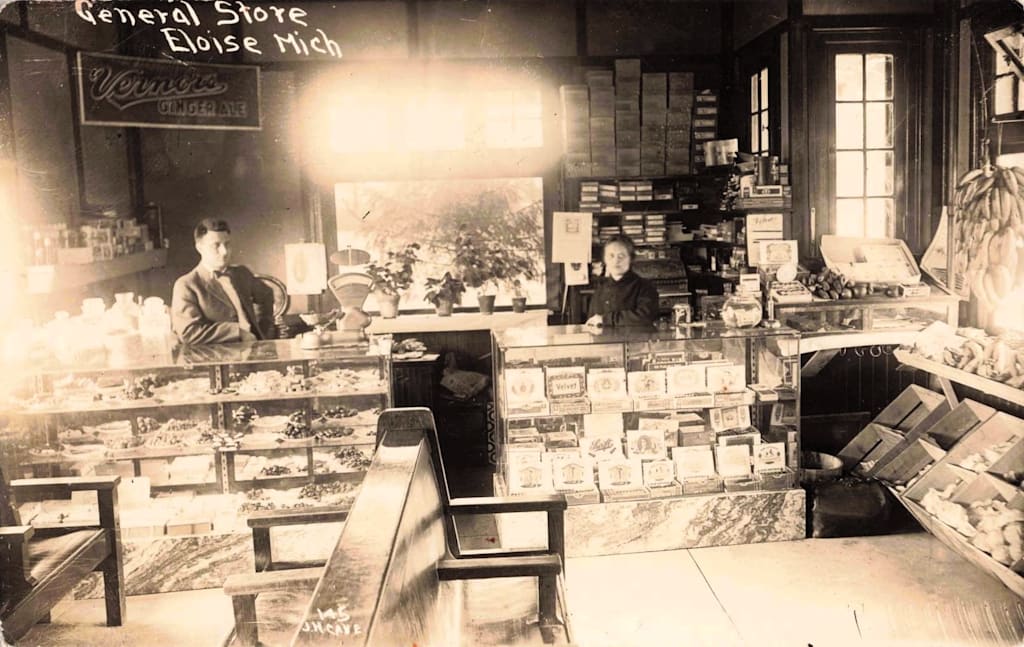
Look at an old photograph of a Michigan general store, and it is tempting to study the merchandise signs first. Groceries. Dry goods. Boots and shoes.
But the people deserve a closer look.
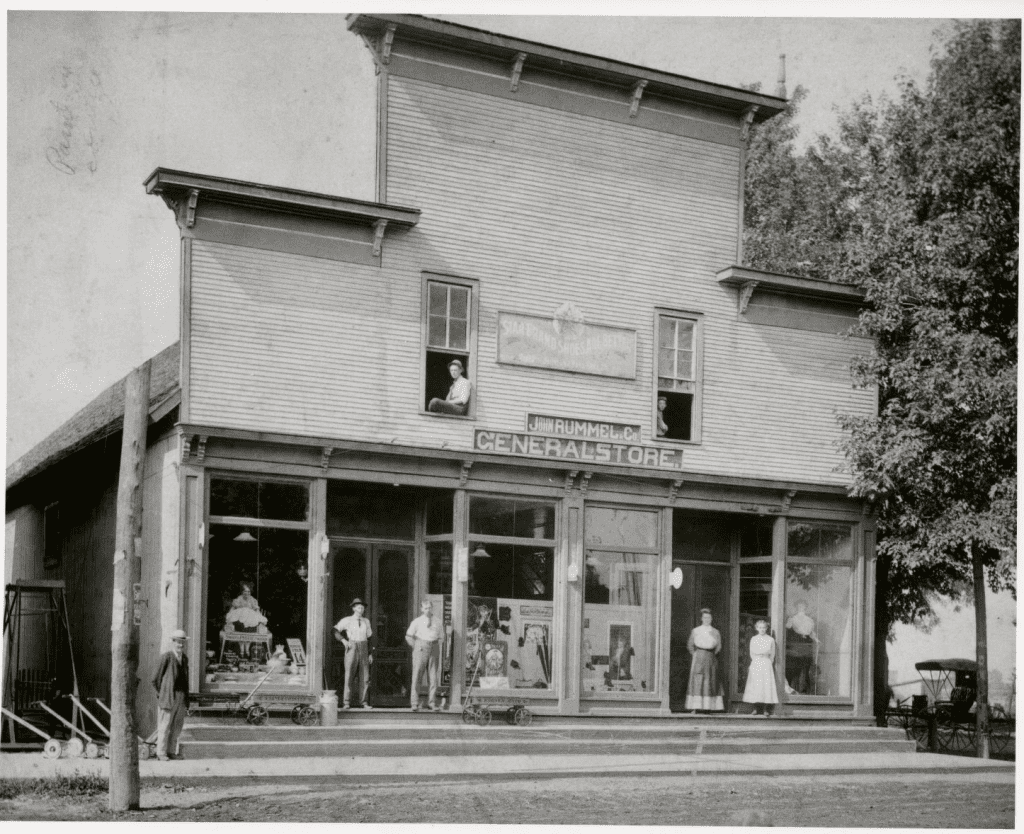
They stand in doorways, gather along storefronts, and face the camera from the edge of a dirt road. The photograph records a business. It also offers a glimpse of the community that kept that business alive.
My photo essay on Michigan’s general stores explores these places statewide. Behind their individual histories lies a larger question: What did it mean to have a store where so many parts of daily life came together?
In the late 1800s, the answer extended well beyond buying groceries.
A Household’s Needs Under One Roof
The word “general” described the store’s ambition. Its shelves had to meet a broad assortment of needs.
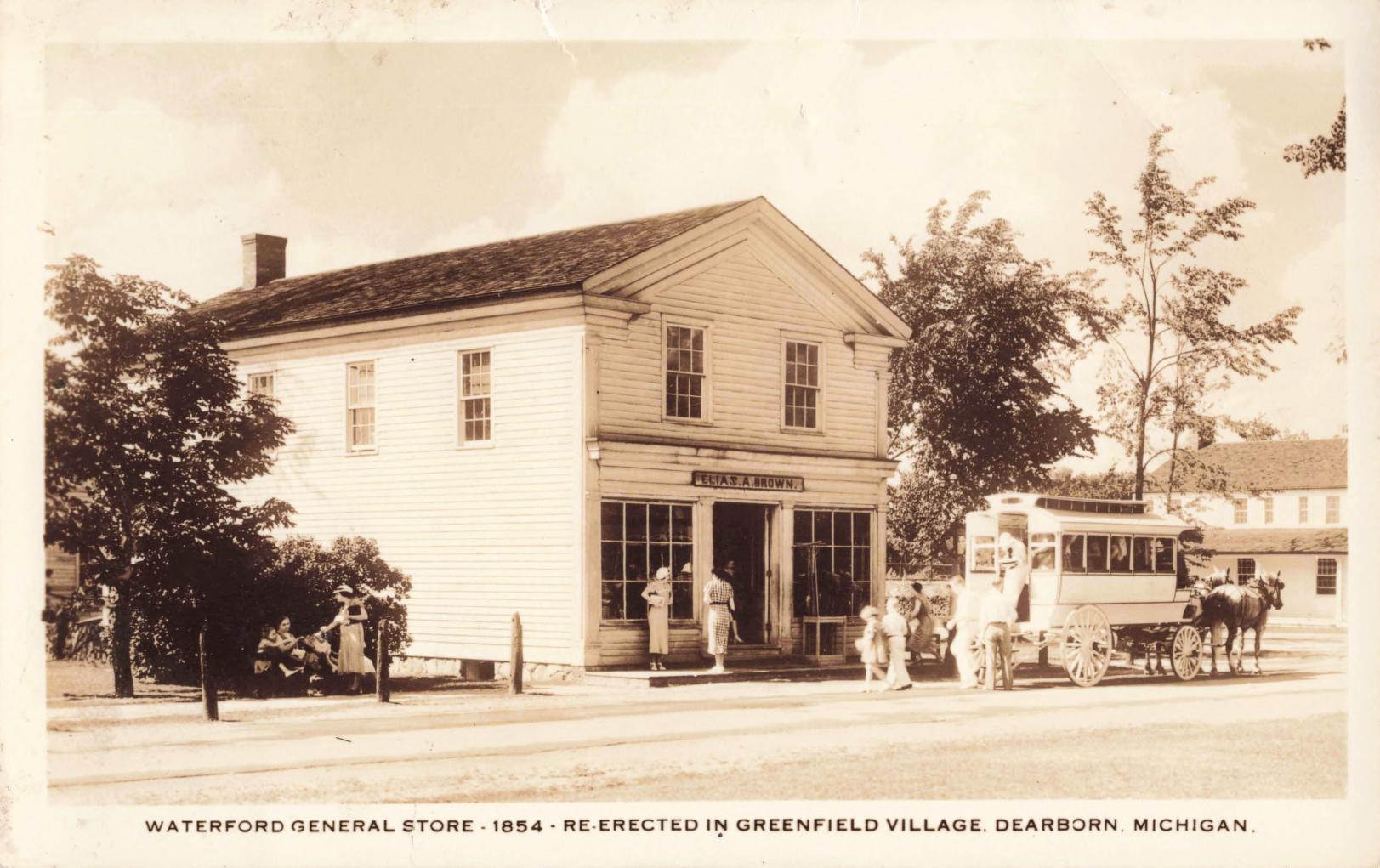
At J.R. Jones’s store in Waterford, Michigan, customers in the 1880s could shop for food, fabric, farm tools, and fishing equipment. Sugar helped households preserve seasonal produce. Cloth supplied material for clothing. Canned foods offered choices beyond what was fresh locally.
These stores also reflected a changing consumer economy. Bulk goods shared space with packaged products, competing brands, and unfamiliar conveniences. The shelves brought new choices—and sometimes new doubts—into rural homes. Henry Ford’s account of shopping in the 1880s documents that variety.
The familiar image of a cluttered country store can obscure how carefully the space worked. Merchandise was grouped into sections for groceries, household goods, hardware, and clothing. Customers could examine products closely, while the counter created a natural place for conversation. Henry Ford’s tour of the J.R. Jones store shows this arrangement.
For a household trying to keep a kitchen, wardrobe, and farm supplied, that range mattered. Several errands could begin at the same door.
Business Was Personal—and Sometimes Precarious
It is easy to imagine the storekeeper as a permanent fixture, as firmly rooted as the building itself.
The business could be much less secure.
The Waterford store, now preserved at Greenfield Village, had nine proprietors between its construction in 1856–57 and Henry Ford’s acquisition in 1927. Its history includes repeated ownership changes, a reminder that usefulness to a community did not guarantee financial success.
Credit added another dimension to the merchant-customer relationship. Payment arrangements could involve more than coins across a counter. Discussing an 1883 invoice from the Cogswell Brothers’ store in New York, Henry Ford notes that local families might bring eggs to exchange for credit. The invoice itself records eggs purchased from a dealer. That surviving business record reveals a store connected to both household production and wider trade.
Such arrangements complicate the nostalgic picture. A customer could also be a supplier or a debtor. A friendly merchant still had bills to pay.
These overlapping relationships made the store important. Its success depended on the people around it, and those people depended on its ability to stay open.
The Errand That Brought People Together
Mail gave some stores another reason to draw customers in.
J.R. Jones’s Waterford business housed the local post office from 1882 to 1885. It also acquired the town’s first telephone, probably in 1882. Jones and his wife lived upstairs, with their home directly above where customers shopped and communicated. The museum’s biography of Jones describes these connections.
Consider what that combination meant. A building that supplied everyday necessities also connected people to those beyond the village. Meanwhile, neighbors encountered one another simply because their errands led to the same place.
Conversation required no separate appointment. The store supplied the occasion.
That helps explain why these buildings occupy such a large place in local memory. People remember what happened around a purchase as much as what went into the package.
When Four Corners Made a Community
Michigan’s Thumb offers especially revealing examples.
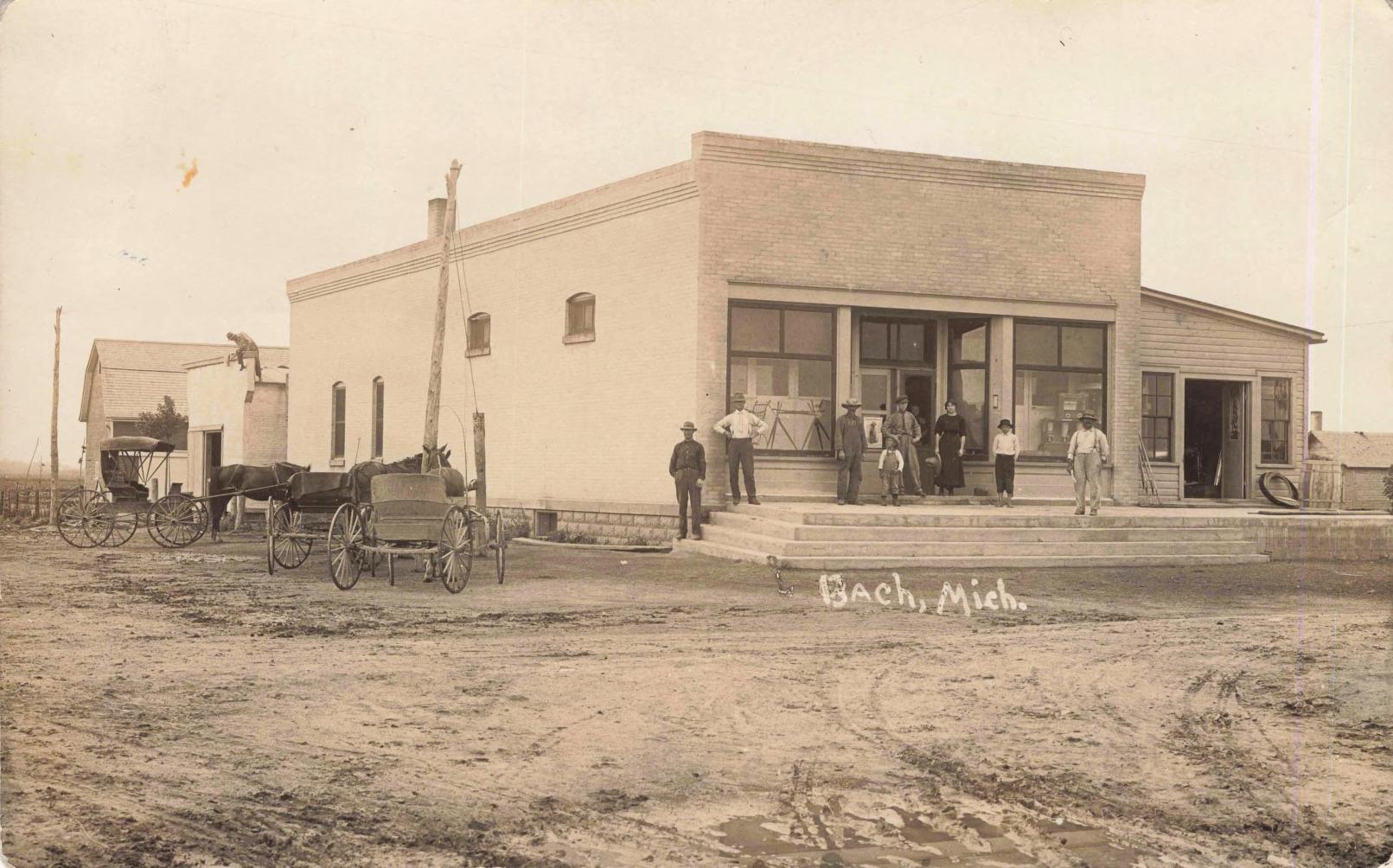
In my story about Bach General Store, the old storefront belongs to the history of a much busier agricultural settlement. By 1900, Bach had a railroad depot, and farmers brought cattle to its stockyards for shipment. Stores operated alongside a hotel, bank, grain elevator, and other businesses.
Seen in that setting, the general store becomes part of the machinery of rural life. Agriculture supported commerce, and commerce helped make the settlement useful to surrounding farms.
Nearby Kilmanagh offers another version of that relationship. By spring 1891, the village had two general stores, a gristmill, a blacksmith shop, and saloons. My account of Kilmanagh’s four-corners community follows its development and the effort to preserve its surviving landmark store.
A small intersection could support a surprisingly complete world.
The World Beyond the Store Was Changing
The routines that brought customers together did not remain fixed.
Rural free delivery began as an experiment in 1896. As it expanded, mail could reach farm families without requiring the same journey to collect it. The Postal Service’s rural delivery history describes a change that eventually reorganized service across rural communities.
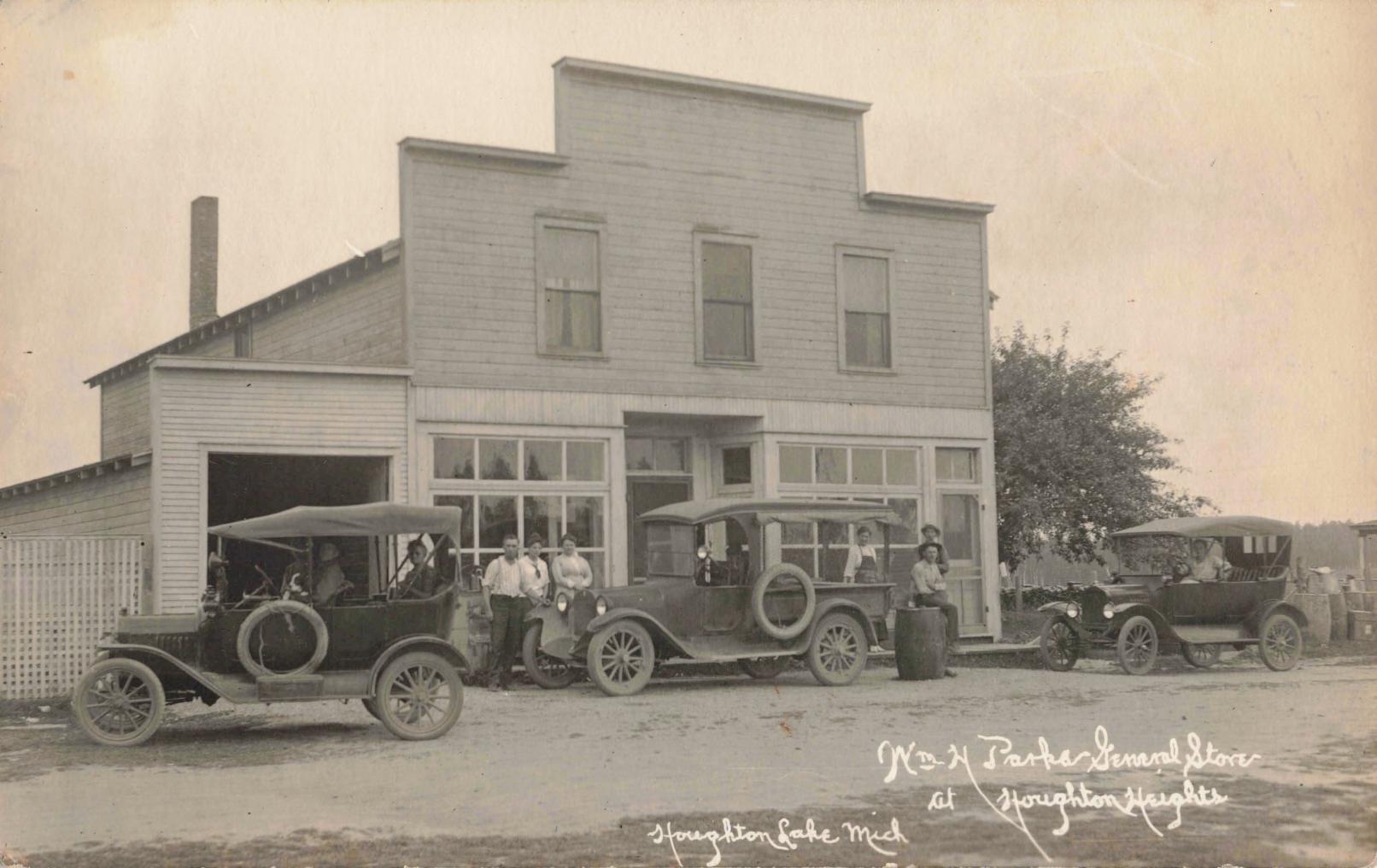
The early twentieth century brought further changes visible in storefront photographs: automobiles, gasoline pumps, and businesses adapting to customers who traveled differently.
My Michigan Moments video, Michigan General Stores: 10 Amazing Photos of Small-Town Life Before Supermarkets, follows that later chapter. Its photographs include stores in Dublin, Bridgeton, Bendon, Waterford, and Croswell, carrying this story from the nineteenth-century crossroads into the automobile age.
Watch the space outside the buildings as closely as the signs. The road tells part of the story, too.
What an Empty Storefront Leaves Behind
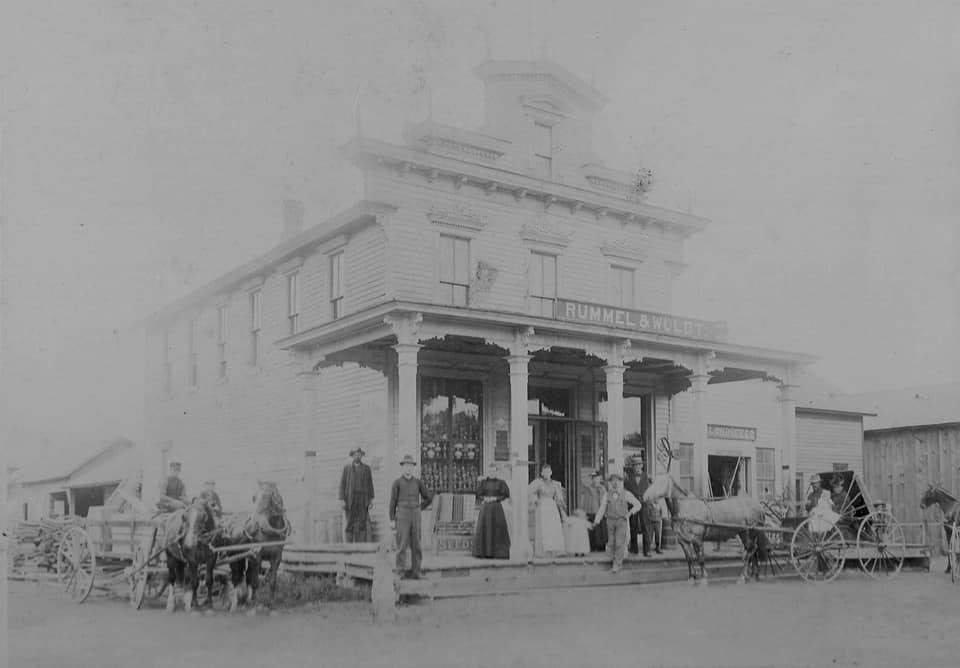
An old general store invites us to imagine ordinary life: choosing fabric, collecting mail, discussing a purchase, or meeting someone whose farm lay down another road.
Those small encounters are difficult to preserve. A building can survive long after the daily reasons for entering it have disappeared.
That is what makes these stores worth remembering. They gave a community somewhere to cross paths.
The merchandise filled the shelves. The people gave the place its meaning.
Was there a general store in your hometown—or one your parents or grandparents remembered? Share its name, location, and the detail that stayed with your family.

About the Creator
Paul Austin
Paul is a noted freelance writer with hundreds of articles online and in print. Paul is motivated by regional foods. His most recent project is cataloging unique events in Michigan History. You can find more of his work at Michigan4You.com
Enjoyed the story? Support the Creator.
Subscribe for free to receive all their stories in your feed.
Comments
There are no comments for this story
Be the first to respond and start the conversation.