
The Struggle of Gaza: A Glimpse into the Heart of Palestine
A Land of History and Heartbreak
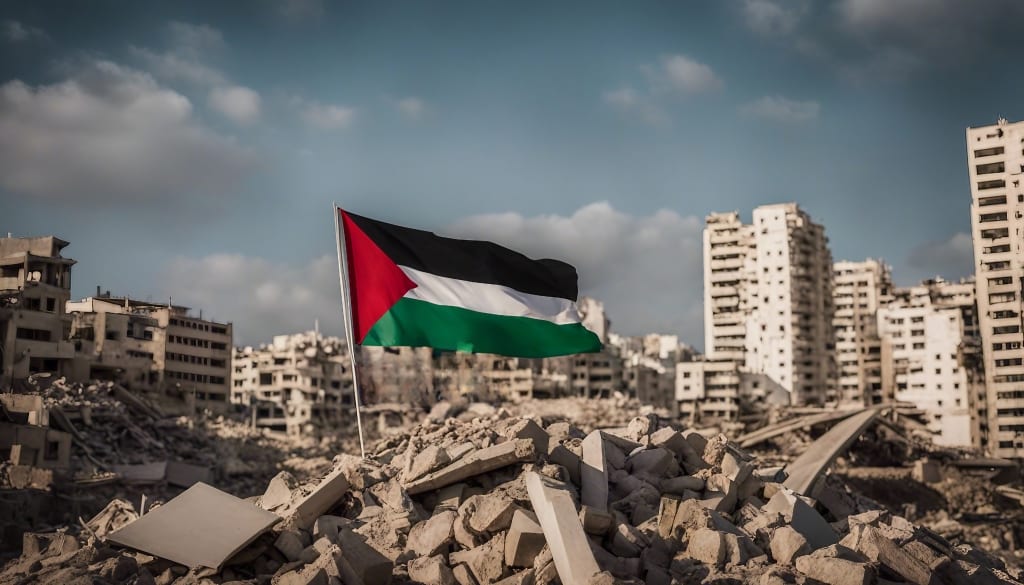
The Gaza Strip, a small densely populated region along the eastern seaboard of the Mediterranean Sea, is now one of the most symbolically loaded and geopolitically loaded spaces in the world. Part of the State of Palestine, Gaza is home to over 2 million individuals, most of them children, conditions of living as physically as emotionally challenging.
A Land of History and Heartbreak
Gaza is not just a conflict zone—it's a nation with thousands of years of history, renowned since ancient times due to its geographical location. Having been once a thriving port city in the Roman Empire and a significant stop on merchant routes, Gaza's modern story is one of struggle and survival. Following the 1948 Arab-Israeli war and the displacement of hundreds of thousands of Palestinians, Gaza began to become a refuge for many of them.
Since Israel's withdrawal from Gaza in 2005, the Palestinian political movement Hamas has assumed control of the territory. Yet despite the pullout, Israel maintains control over Gaza's airspace, coastal waters, and borders, as well as Egypt on the Rafah border. It has led to what most international agencies have termed a blockade, limiting the transit of people and goods significantly.
Humanitarian Crisis
Life in Gaza is one of hardship. Electricity is a matter of hours a day. Clean water is scarce, and the healthcare system is on the brink of collapse. Hospitals have no medicines or equipment, and doctors and nurses work round the clock under unsanitary conditions.
The blockade and subsequent wars have left Gaza's economy in shambles. It has one of the highest unemployment rates in the world, mostly among young people, the United Nations reports. The population lives on over 80% humanitarian aid.
Voices Amid the Silence
Despite all these circumstances, the Palestinians of Gaza are really resilient. Artists, writers, teachers, and youth keep on inventing, creating, teaching, and writing. They voice their call for peace, share their message with the world through social media, and guard their culture and heritage with pride.
Gaza kids grow up amid war, but they dream to become doctors, engineers, or teachers. Education remains a powerful force, and schools—underpopulated and under-resourced as they are—are still the beacon of hope in an otherwise barren life.
Global Attention and Responsibility
The Gaza crisis is not merely a Palestinian crisis; it is a humanitarian crisis that concerns the entire world. Many human rights organizations have called for the end of the siege and a just, sustainable resolution to the conflict. Ceasefires may create temporary peace, but without effective dialogue, justice, and international accountability, the cycle of violence will most probably dominate.
A Call for Peace
Gaza represents more than destruction and despair—it also represents strength, culture, and the indomitable spirit of a people seeking peace and dignity. Although the politics in the region remain extremely complex, the humanitarian message is simple and clear: the people of Gaza must be allowed to live free, secure, and hopeful.
The world cannot turn its eyes away from Gaza. Rather, it must see, understand, and react—because for each ruined building there is a family, a story, and an unrealized dream.
About the Creator
Enjoyed the story? Support the Creator.
Subscribe for free to receive all their stories in your feed.
Comments
There are no comments for this story
Be the first to respond and start the conversation.