
The Man Who Saved THe World
The courage to doubt the machine when the world is on the line.

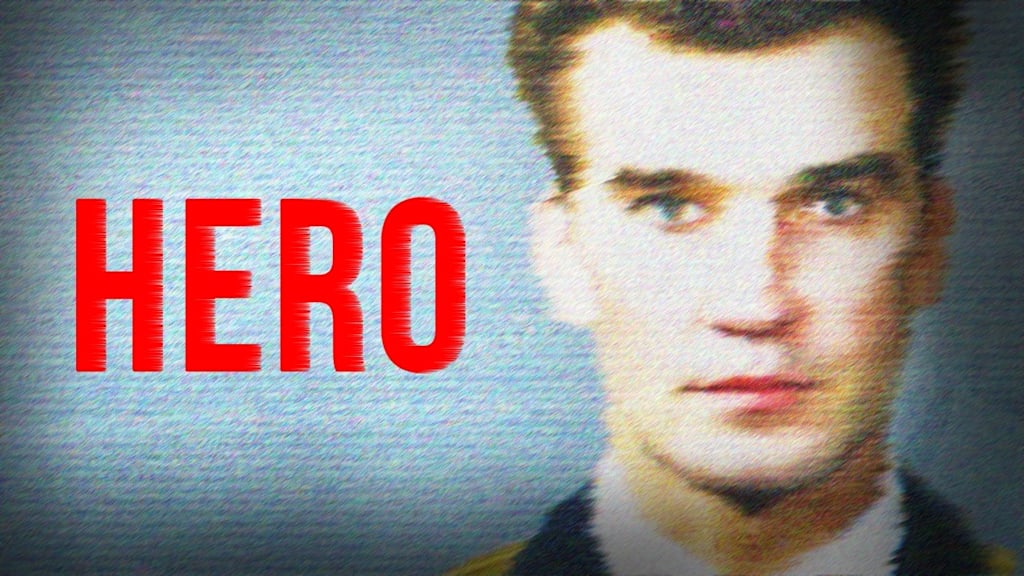
On the night of September 26, 1983, the world was sleeping, entirely unaware that it was balanced on the edge of a knife. The Cold War was at its most volatile point in decades; tensions between the United States and the Soviet Union were simmering just below a boil. Inside a top-secret bunker south of Moscow, known as Serpukhov-15, the atmosphere was thick with the hum of electronics and the heavy weight of responsibility. The man in the command chair that night was Soviet Lieutenant Colonel Stanislav Petrov. He wasn't even supposed to be there; he was filling in for a colleague on the night shift, overseeing the "Oko" early warning satellite system.
Shortly after midnight, the silence of the bunker was shattered. A piercing siren wailed, and a large red screen flashed a single, terrifying word: "LAUNCH." The satellite system had detected a Minuteman intercontinental ballistic missile rising from a base in Montana. Protocol was chillingly clear: Petrov was required to notify the Soviet central command immediately. Under the doctrine of Mutually Assured Destruction, such a notification would have almost certainly triggered an immediate and massive retaliatory nuclear strike, ending civilization as we know it.
Petrov sat in a state of shock, staring at the flashing monitors. His training told him to report it, but his mind began to race through the data. As he watched, the system updated. It wasn't just one missile anymore; the computer now reported two, then three, then four, and finally five missiles heading toward the Soviet Union. The system’s threat assessment was at "maximum probability." The officers around him were panicked, waiting for him to pick up the phone and authorize the alert that would start World War III.
However, Petrov was more than just a soldier; he was a scientist and a systems analyst who had helped write the very manual for the Oko system. He knew that the technology was less than a year old and still plagued by technical glitches. He leaned on cold, hard logic in the face of absolute terror. He reasoned that if the United States were actually going to start a nuclear war, they wouldn't do it with only five missiles. A real first strike would involve hundreds or thousands of warheads launched simultaneously to decapitate the Soviet leadership and destroy their silos. Five missiles made no strategic sense.
Despite the screaming alarms and the "maximum probability" status displayed on his console, Petrov made the most dangerous decision of his life. He picked up the phone and reported to his superiors that the system was experiencing a malfunction. It was a complete gamble. He later admitted that he estimated his chances of being right at 50/50.
What followed were the longest seventeen minutes in human history. That was the time it would take for a Minuteman III missile to travel from the United States to Soviet soil. Petrov sat in the flickering light of the bunker, sweat pouring down his face, eyes glued to the radar screens. If he was wrong, nuclear fireballs would begin blooming over Soviet cities in minutes, and he would die knowing he had failed to defend his country. If he was right, the world would keep spinning.
The seventeen-minute mark passed. Then eighteen. Then twenty. There were no explosions. No radar signatures. The world remained silent. Petrov had been right. It was later discovered that the "missile launches" were actually a freak occurrence—a rare celestial alignment where sunlight had reflected off high-altitude clouds at just the right angle to trick the satellite’s sensors.
Petrov’s reward for saving humanity was not a medal or a parade. Because his decision had exposed the flaws in the Soviet Union’s prestigious early warning system, he was treated with coldness by the military elite. He was reprimanded for failing to properly log the incident during the chaos and was eventually pushed into an early retirement. He lived out his days in a modest apartment in a Moscow suburb, his heroic act remaining a state secret until the collapse of the Soviet Union. It wasn't until the 2000s that the international community learned his name. When he passed away quietly in 2017, he did so not as a famous celebrity, but as a man who proved that sometimes, the greatest act of courage is refusing to be blindly obedient.
About the Creator
Edge Words
All genres. All emotions. One writer. Welcome to my universe of stories — where every page is a new world. 🌍
Enjoyed the story? Support the Creator.
Subscribe for free to receive all their stories in your feed.
Comments
There are no comments for this story
Be the first to respond and start the conversation.