
The “Devil’s Wine” That French Winemakers Desperately Tried to Fix
Today, popping a bottle of Champagne is the ultimate symbol of celebration and joy. But back in the 17th and 18th centuries? Winemakers in the Champagne region were doing everything in their power to stop those damn bubbles. They didn’t see it as luxury — they saw it as a massive, disastrous mistake that ruined their hard work.
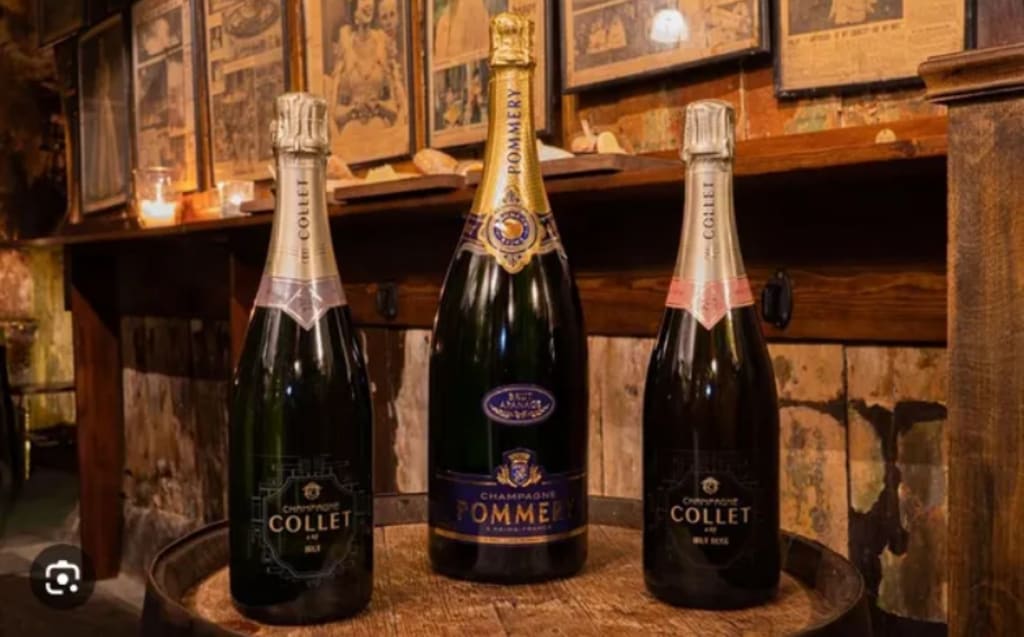
See, the Champagne region in northeastern France was historically famous for making regular, still wines. They were in fierce competition with Burgundy. But the local cold weather ruined everything. Winter always came too early, which meant the fermentation process in the barrels stopped completely because the yeast just froze.
When spring came around, the wine was already bottled. As the weather warmed up, the yeast woke up inside the sealed bottles and started fermenting all over again. The byproduct of this? Carbon dioxide. And it was trapped inside.
Imagine being a winemaker back then, walking into your cellar, and hearing this creepy fizzing noise right before bottles started exploding like grenades under crazy pressure. For them, it was an absolute catastrophe.
The wine quickly earned a pretty terrifying nickname: vin du diable (The Devil’s Wine). The pressure inside was so intense that the cheap glass exploded, creating a chain reaction that could destroy an entire year’s worth of inventory in a single night. It got so bad that winemakers literally had to wear heavy iron masks just to walk into their own cellars, protecting their faces from flying glass shards.
The plot twist? The British saved it. English aristocrats actually fell in love with the fizzy texture and the unique taste. But transporting “exploding wine” across the sea was a logistical nightmare.
So, the British changed the tech. They started manufacturing thick, heavy glass using coal-fired furnaces — much stronger than the delicate French glass made with wood fires. They also introduced the flexible oak cork and secured it with a wire cage (the muselet) to keep it from shooting out.
To give you some quick context on the raw power inside: the pressure in a modern Champagne bottle is about 5 to 6 atmospheres. That’s nearly three times the pressure inside your car tire! When you take off that wire cage, the cork can fly out at speeds up to 40 km/h (25 mph).
Modern etiquette says you should open the bottle with a quiet sigh to avoid wasting the good stuff. But honestly? The loud, explosive pop born from a historic mistake is something nobody will ever erase from our celebrations! :-)Imagine being a winemaker back then, walking into your cellar, and hearing this creepy fizzing noise right before bottles started exploding like grenades under crazy pressure. For them, it was an absolute catastrophe.
The wine quickly earned a pretty terrifying nickname: vin du diable (The Devil’s Wine). The pressure inside was so intense that the cheap glass exploded, creating a chain reaction that could destroy an entire year’s worth of inventory in a single night. It got so bad that winemakers literally had to wear heavy iron masks just to walk into their own cellars, protecting their faces from flying glass shards.
The plot twist? The British saved it. English aristocrats actually fell in love with the fizzy texture and the unique taste. But transporting “exploding wine” across the sea was a logistical nightmare.
So, the British changed the tech. They started manufacturing thick, heavy glass using coal-fired furnaces — much stronger than the delicate French glass made with wood fires. They also introduced the flexible oak cork and secured it with a wire cage (the muselet) to keep it from shooting out.
To give you some quick context on the raw power inside: the pressure in a modern Champagne bottle is about 5 to 6 atmospheres. That’s nearly three times the pressure inside your car tire! When you take off that wire cage, the cork can fly out at speeds up to 40 km/h (25 mph).
Modern etiquette says you should open the bottle with a quiet sigh to avoid wasting the good stuff. But honestly? The loud, explosive pop born from a historic mistake is something nobody will ever erase from our celebrations! :-)
About the Creator
Enjoyed the story? Support the Creator.
Subscribe for free to receive all their stories in your feed.
Comments
There are no comments for this story
Be the first to respond and start the conversation.