World History
The Real North Pole: 5 Mythical Ancient Islands That Might Actually Exist
There are many stories of places that have been deemed mythological only for it later to be discovered that there is much more to these myths than was first thought. Vitra Manand, also variously known as Great Ireland or White Man's Land, is one such place. Amongst the most significant and influential of ancient Norse texts are The Saga of Eric the Red and The Saga of the Greenlanders. These sagas allude to the island of Vitra Manand, described as being six days sailing west of Ireland or alternatively somewhere near Vinland, the name once given to the coastal area of eastern North America. In The Saga of Eric the Red, the native people of Vitra Manand were described as always being dressed in white and that they, quote, "uttered loud cries, bore long poles, and wore fringes." Another source mentions albinism in the population with, quote, "hair and skin as white as snow." Jedis Mercader, the flist geographer and cartographer who created one of the first world maps, also mentioned a similar land in a 1577 letter to John Dee, the English academic and occultist. In the letter to Dee, Mercader mentions that in the 14th century a group of eight men had come to Norway from a distant land, claiming to have been part of an expedition sent by the legendary King Arthur of Britain and that they were, in fact, his fifth-generation descendants. The true location of the legendary Vitra Manand is a subject of scholarly debate, with several theories proposing locations along the Eastern Seaboard of North America. Carl Christian Raen suggests the Chesapeake Bay area, referencing legends of white men with iron instruments. However, historian Farley Moat offers a more detailed theory, placing the land on Newfoundland's western shore. According to Moat, European settlers from the Northern British Isles, referred to as Alans, reached Iceland, Greenland, and North America before the Vikings. These Albans, thought to be the original Neolithic inhabitants of Britain, were displaced by the Celts and pushed to Europe's northwestern fringes. Moat asserts they were skilled walrus ivory hunters, which led them to discover and settle in Newfoundland due to its suitable land for farming and rich walrus population. Moat argues that the Albans' presence in Newfoundland predates the Vikings by centuries and that their settlements along the southwest coast influenced Viking exploration. The Vikings knew this area as Vitra Manand, and Moat speculates that voyages by figures like Leif Ericson were attempts to raid this land, which either failed or resulted in hostile encounters with the natives. The Albans are believed to have maintained connections to Europe into the early Middle Ages, but these links were severed by the 14th century as European pirates forced their migration inland, where they assimilated with other populations. Moat's theory is a fascinating possibility, placing the Albans and Vitra Manand at the heart of an untold chapter of pre-Columbian transatlantic contact and settlement in the New World.
By Vitalii Petrov2 years ago in History
10 most extraordinary festivals
Top 10 extraordinary festivals or celebrations that showcase different cultures and traditions. 1. Holi (India): Known as the Festival of Colors, Holi celebrates the arrival of spring with vibrant colored powders and water fights, symbolizing the triumph of good over evil.Holi, also known as the Festival of Colors, is a vibrant and joyous celebration that holds deep cultural and religious significance in India. This ancient Hindu festival marks the arrival of spring and the triumph of good over evil. It is a time for people to come together, forget their differences, and revel in the spirit of unity and love. One of the most striking aspects of Holi is the use of colors. People of all ages gather in streets and open spaces, armed with colored powders and water guns, ready to drench each other in a rainbow of hues. The air is filled with laughter and the sound of music as people dance and play, their faces and clothes transformed into works of art by the vibrant colors. 2. Carnival (Brazil): Brazil's Carnival is a dazzling spectacle of parades, music, and dance, with elaborate costumes and samba performances that reflect the country's rich cultural heritage.Brazil's Carnival is a dazzling spectacle that showcases the rich cultural heritage and vibrant traditions of the country. Held annually before Lent, this extravagant festival is a celebration of life, music, dance, and diversity, drawing millions of people from around the world to the streets of Brazil. At the heart of Carnival are the samba schools, which compete in elaborate parades held in Rio de Janeiro's Sambadrome. These schools, representing different neighborhoods or communities, spend months preparing their floats, costumes, and choreography, with each school striving to outdo the others in creativity and grandeur. 3. Dia de los Muertos (Mexico): Celebrated on November 1st and 2nd, Dia de los Muertos honors deceased loved ones with colorful altars, sugar skulls, and marigold flowers, blending indigenous and Catholic traditions.Dia de los Muertos, or Day of the Dead, is a vibrant and colorful celebration of life and death that is deeply rooted in Mexican culture and tradition. Observed on November 1st and 2nd, this ancient tradition honors deceased loved ones and celebrates their memory with joyous festivities. At the heart of Dia de los Muertos are the ofrendas, or altars, which are created to honor and remember the departed. These altars are adorned with photographs of the deceased, along with their favorite foods, drinks, and mementos. Marigold flowers, known as cempasúchil, are also used to decorate the altars, as they are believed to attract the spirits of the dead with their vibrant color and strong scent. A
By Gaurang shrimal2 years ago in History
Celebrating Freedom: The Powerful Legacy of Juneteenth
Juneteenth, celebrated on June 19th, is a vibrant and poignant day that commemorates the end of slavery in the United States. This powerful holiday symbolizes the resilience, freedom, and enduring spirit of the African American community. Recognized as a federal holiday in 2021, Juneteenth has grown in prominence, serving as a reminder of the long journey toward justice and equality.
By Ankit Aswal2 years ago in History
The Sandakan Death Marches
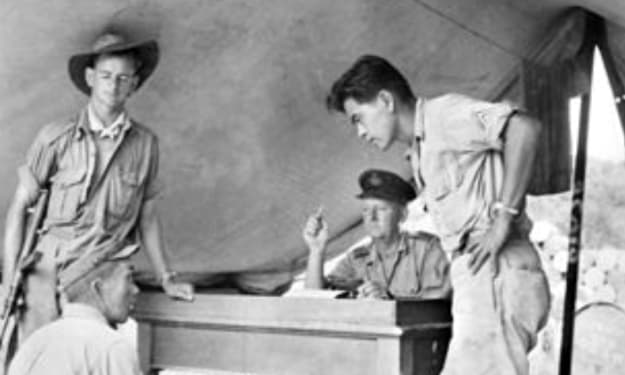
When you mention the atrocities of World War II, many of us think of The Holocaust. Still, the brutality of the Japanese rivals the Nazi party, the Sandakan Death Marches are another example of this. It is considered one of the most brutal examples of poor treatment of prisoners of war.
By Sam H Arnold2 years ago in History
Embracing the Blaze: Insights into Summer Solstice 2024's Rising Temperatures
As the sun reaches its zenith on June 21, 2024, we celebrate the summer solstice, the longest day of the year. Traditionally, this day marks the official start of summer, a time of joy, festivity, and basking in the warmth of the sun. But as we stand on the cusp of another scorching season, a pressing question looms large: is it going to get even hotter now?
By Wajeeha Faiz2 years ago in History