World History
The Myth of the Amazons
Throughout history, ancient mythologies often attributed natural phenomena like lightning, volcanoes, and rivers to divine origins. Many legends revolved around powerful characters, some of divine descent, who interacted with both gods and humans. In Greek mythology, which holds a special place in cultural history, one of the most fascinating legends is that of the Amazons, a tribe of fierce warrior women. Renowned for their mastery of horseback riding, archery, and bravery in battle, the Amazons have sparked the imagination for centuries. But were these legendary women real? What do historical records say about them? In mythology, the Amazons were said to be the daughters of Ares, the god of war. They formed an all-female society where men were welcome solely for reproduction purposes. These warrior women lived on the fringes of what the Greeks considered the "civilized" world, often depicted as residing in distant regions near the southern shores of the Black Sea. According to the playwright Aeschylus (c. 525-456 BCE), the Amazons once lived in Scythia, near the Meotis Lake, now known as the Sea of Azov, before moving to the city-state of Themiscyra by the Thermodon River. Interestingly, the Thermodon is a real river in northern Turkey, now called the Terme River.
By A História2 years ago in History
Is There a Lost Continent Beneath Japan? The Yonaguni Monument Mystery
If there’s one place on Earth that could make you question everything you thought you knew about human history, it’s the Yonaguni Monument. This underwater formation off the coast of Japan has stirred up an intense debate among archaeologists, geologists, and adventurers since its discovery in 1987. Could it be the remnants of an ancient civilization, or is it just a natural rock formation that happens to look a little too much like human handiwork?
By Marveline Merab2 years ago in History
Archaeologists Uncover One of the World's Oldest Churches: A Testament to Early Christianity
In an extraordinary archaeological find, researchers have uncovered the remains of an ancient Armenian church believed to be nearly 2,000 years old. This remarkable discovery, made in the city of Artaxata, sheds new light on the early spread of Christianity in the region and stands as one of the oldest known Christian churches in the world. Described as a "sensational testimony to early Christianity" by the University of Münster, this finding is a significant contribution to understanding both Armenia’s religious history and the broader history of early Christianity.
By Global News Update2 years ago in History
The Discovery of Prehistoric Giants: Four Glyptodon Shells Found in Argentina
In 2021, Argentine farmer Juan de Dios Sota made an astonishing discovery that instantly captured the attention of the scientific community. While working on his field near Rincón de Valle, located in central Argentina, Sota unearthed four massive Glyptodon shells, each over 10,000 years old. These prehistoric creatures, resembling giant armadillos, roamed the Earth during the Pleistocene epoch, or the last Ice Age. The chance discovery of four Glyptodon shells together has raised exciting questions about these ancient animals, the environment they lived in, and the circumstances of their sudden burial. Glyptodons: Giants of the Ice Age Glyptodons are some of the most remarkable creatures that lived during the last Ice Age. These massive, armored mammals, which were part of the Xenarthra family (along with modern-day armadillos and sloths), could grow up to 11 feet long and weigh as much as two tons—about the size of a small car. Their most distinctive feature was their enormous, rounded shells, made of hundreds of bony plates called osteoderms. These shells acted as a form of natural armor, protecting the Glyptodon from predators. Glyptodons were herbivores, grazing on grasses and plants that thrived in the open plains of South America. While their bodies were heavily armored, their heads and tails were more vulnerable, though many species of Glyptodon had club-like tails they could use to defend themselves. Despite their imposing size, these gentle giants likely spent most of their time foraging for food, living in herds much like modern-day grazers. The Remarkable Discovery Juan de Dios Sota’s discovery of four Glyptodon shells together is highly unusual. While individual fossils of these creatures have been found before, the discovery of multiple shells at a single site is incredibly rare. This has led paleontologists to believe that the location near Rincón de Valle may have been a significant gathering place for Glyptodons, either as a grazing area or possibly a watering hole where these animals congregated in large numbers. What makes this find even more extraordinary is the exceptional state of preservation of the shells. The armored exoskeletons were found almost intact, buried beneath layers of sediment that had protected them from the forces of erosion and decay for over 10,000 years. The preservation is so good that scientists can study not only the shape and size of the shells but also the intricate patterns of the bony plates, offering a wealth of information about the anatomy and biology of these creatures. A Catastrophic Event? One of the most intriguing questions surrounding the discovery is how these four Glyptodons came to be buried together. While it’s possible that they simply died in close proximity to one another over time, the fact that they were found together suggests that a sudden, catastrophic event may have been responsible for their demise and burial. There are several possible explanations for such an event. One theory is that a rapid climate shift, possibly tied to the end of the last Ice Age, may have caused severe environmental changes, including flooding or drought, which could have trapped these animals in one area. Alternatively, a mudslide or sedimentary entrapment may have quickly buried the Glyptodons, preserving their shells in the process. A flood could have swept these animals together into a low-lying area where they drowned and were subsequently buried under layers of mud and sediment. This would explain both their sudden death and the remarkable preservation of their shells. What This Discovery Tells Us The discovery of the Glyptodon shells offers a fascinating glimpse into the world of the Pleistocene epoch. These massive creatures roamed South America alongside other Ice Age giants, such as saber-toothed cats, giant ground sloths, and mastodons. They were part of a unique ecosystem that flourished in the harsh, changing climate of the time. This find also underscores the dramatic environmental changes that occurred at the end of the last Ice Age. The Pleistocene epoch was characterized by repeated glacial and interglacial periods, during which large portions of the Earth’s surface were covered by ice sheets. As the ice began to recede around 10,000 years ago, the climate warmed, leading to the extinction of many large mammals, including the Glyptodon. The rapid burial of these Glyptodons also suggests that natural disasters, such as floods or mudslides, played a role in shaping the landscape and the lives of the creatures that inhabited it. These types of events would have been common during periods of rapid climate change, contributing to the extinction of species that were unable to adapt to the new conditions. A Window into the Past The discovery of the Glyptodon shells in Argentina provides an invaluable window into the distant past. By studying these ancient creatures, scientists can gain new insights into the ecosystems of the Ice Age, the challenges faced by large herbivores in a changing environment, and the natural forces that contributed to their extinction. For the local community near Rincón de Valle, this discovery has also become a point of pride, offering a tangible connection to the deep history of the region. The find has attracted interest from both scientists and tourists, highlighting the importance of paleontological research in uncovering the secrets of our planet’s ancient past. Conclusion Juan de Dios Sota’s accidental discovery of the Glyptodon shells is a remarkable event that has opened up new avenues of exploration into the world of the Pleistocene. The exceptional preservation of the shells, the mystery surrounding their burial, and the insights they provide into the lives of these prehistoric giants make this find one of the most exciting paleontological discoveries in recent years. As scientists continue to study the Glyptodon fossils, they will undoubtedly unlock more secrets about the ancient world and the creatures that once roamed it, offering us a deeper understanding of the forces that have shaped our planet and its inhabitants.
By Deji Akomolafe2 years ago in History
The Great Emu War: Australia’s Strangest Battle . AI-Generated.
In the aftermath of World War I, Australia faced not just economic challenges but also a peculiar enemy—one that no military strategist could have anticipated. By 1932, the country was in the grip of the Great Depression, and Western Australian farmers, especially in the wheat-growing regions, were struggling. Despite government promises of financial support, the promised subsidies never materialized. To make matters worse, an unexpected adversary arrived in the form of thousands of emus.
By Rousela Funfacts2 years ago in History
The Mysterious Disappearance of the Roanoke Colony. AI-Generated.
In 1587, over a hundred men, women, and children set sail from England to the New World, filled with hope and dreams of a new life. Their destination: Roanoke Island, off the coast of what is now North Carolina. But when their leader returned three years later, they had vanished without a trace. What happened to the Lost Colony of Roanoke?
By Rousela Funfacts2 years ago in History
Dolmen de Soto: A Megalithic Masterpiece of 3000 B.C.
Nestled in the southwest of the Iberian Peninsula, Dolmen de Soto stands as a monument to the ancient civilizations that once thrived in this region. This impressive megalithic structure, dating back to around 3000 B.C., is a testament to the architectural ingenuity and cultural significance of its builders. As one of the most important megalithic monuments in the area, Dolmen de Soto offers a fascinating glimpse into prehistoric life, particularly in terms of ritualistic practices and early astronomical observation. The Dolmen: A Portal to the Past Dolmen de Soto is part of a broader tradition of megalithic tombs that can be found across Europe, built during the Neolithic period. These structures, commonly referred to as dolmens, were typically used as burial chambers for prominent individuals or groups within early societies. The Dolmen de Soto, with its intricate construction and precise orientation, reflects the complex beliefs and rituals that governed prehistoric life. Located in the province of Huelva, Spain, the dolmen is composed of large vertical stones that support an immense stone slab ceiling. The structure creates a long, tunnel-like chamber, which stretches for more than 21 meters. This burial chamber would have originally been covered by a large mound of earth, known as a tumulus, which made the monument even more imposing in its original form. Today, much of the earthen mound has eroded, revealing the stone skeleton of this ancient tomb. The Ritual Significance The construction of Dolmen de Soto indicates its crucial role in ritual practices among the prehistoric peoples of the region. Like many megalithic structures, it is believed to have functioned not only as a burial site but also as a space for ceremonies related to death, ancestry, and perhaps even fertility. The sheer scale and effort required to construct such a monument suggest that those buried within were individuals of great importance, possibly tribal leaders, priests, or other figures of authority. Moreover, the arrangement of the stones and the careful alignment of the structure also point to the use of Dolmen de Soto in ceremonies that may have included processions, offerings, or other forms of tribute to the dead. Archaeological evidence suggests that these rituals may have been communal affairs, with entire communities participating in activities around the dolmen. In addition to its funerary and ritualistic uses, Dolmen de Soto offers insight into the cosmological beliefs of its builders. The precise orientation of the dolmen toward certain celestial events, such as the rising and setting sun during the solstices, highlights the importance of astronomy in the spiritual and everyday lives of prehistoric communities. Astronomical Alignment and Observation One of the most remarkable features of Dolmen de Soto is its alignment with the sun during key astronomical events. The entrance of the dolmen is oriented so that during the winter solstice, the first rays of the rising sun penetrate the interior of the chamber, illuminating the darkened space. This alignment would have been highly symbolic, representing renewal, rebirth, or a connection between the living and the dead. The deliberate positioning of the dolmen to capture the light of the solstice sun speaks to the advanced understanding of the cosmos held by the monument’s builders. It is clear that they not only observed the movement of celestial bodies but also incorporated this knowledge into the design of their most sacred structures. This suggests that astronomy played a crucial role in their religious and spiritual practices, perhaps helping to mark important seasonal changes or to time rituals that were vital to their agricultural and social cycles. Megalithic Art and Symbolism Inside the chamber of Dolmen de Soto, several of the stones are adorned with carvings, known as megalithic art. These carvings, though not as elaborate as some of the more famous megalithic sites, hold deep symbolic meaning. The motifs depicted include abstract geometric shapes and, in some cases, representations of human figures. These carvings may have served as markers of identity, indicating the status of the individuals buried within the dolmen, or they may have held religious significance, symbolizing protection, fertility, or the transition from life to death. The art within Dolmen de Soto provides a unique glimpse into the worldview of its builders, revealing their connection to the natural world, their ancestors, and the cosmos. This artistic expression also suggests that the dolmen was not merely a tomb but a place of cultural and religious significance, where rituals were performed in the presence of these symbolic images. The Importance of Dolmen de Soto As one of the most important megalithic monuments in the southwest of the Iberian Peninsula, Dolmen de Soto stands as a vital link to our understanding of prehistoric societies. Its combination of architectural sophistication, ritual importance, and astronomical alignment makes it an invaluable site for archaeologists and historians studying the Neolithic period in Europe. In recent years, efforts have been made to preserve and protect the dolmen, allowing future generations to continue learning from this ancient structure. Visitors to the site today can explore the chamber and view the stone carvings up close, gaining a deeper appreciation for the ingenuity and spiritual depth of its creators. Conclusion Dolmen de Soto is not merely a remnant of the past; it is a window into a time when humanity was just beginning to grapple with concepts of life, death, and the cosmos. The careful construction of the dolmen, its alignment with the sun, and its role in ritualistic practices all speak to the profound significance that megalithic monuments held for the people who built them. As a result, Dolmen de Soto remains one of the most important archaeological sites in Spain, offering both researchers and visitors the chance to connect with a distant yet deeply human past.
By Deji Akomolafe2 years ago in History
Why the Curse of Tutankhamun Might Be Real
In the early 20th century, a dramatic tale unfolded in Egypt that captured the imagination of the world—a curse that was said to doom anyone who dared to disturb the tomb of the ancient Egyptian pharaoh, Tutankhamun. Fast forward nearly a century, and the Curse of Tutankhamun still intrigues and terrifies, with many wondering: could there be any truth behind this mysterious curse?
By Marveline Merab2 years ago in History
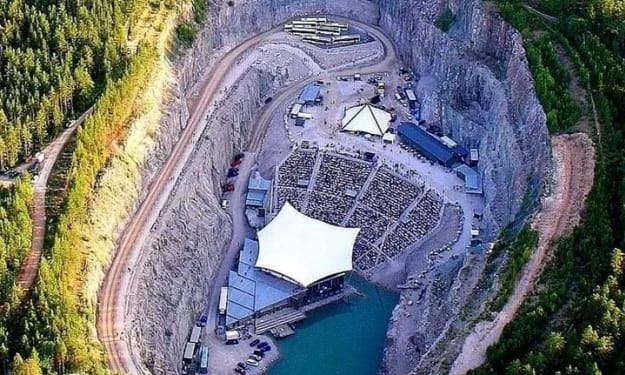
Dalhalla: Sweden's Unique Open-Air Theater in a Former Quarry
Nestled in the serene wilderness of central Sweden, just north of Lake Siljan, lies a venue unlike any other in the world: Dalhalla. What once was an industrial site used for mining limestone is now one of Europe’s most remarkable open-air theaters, celebrated for its natural beauty, stunning acoustics, and unforgettable performances. Located in the former Draggängarna quarry, Dalhalla has transformed from a place of extraction to a place of art, captivating thousands of visitors with its unique atmosphere and extraordinary programming. The History and Transformation of Dalhalla Dalhalla is located about 7 km (4.3 miles) from the town of Rättvik in Dalarna, a region in central Sweden known for its rich cultural heritage and striking landscapes. The site that Dalhalla now occupies was originally a limestone quarry. For decades, the quarry was an important industrial site, its depths exploited for the valuable stone used in construction and other industries. The quarry, measuring 60 meters (200 feet) deep, 400 meters (1,300 feet) long, and 175 meters (574 feet) wide, provided a substantial amount of limestone during its operation, but in 1990, the site was finally closed. However, the story of Dalhalla’s transformation into an open-air theater began when Swedish opera singer Margareta Dellefors visited the site shortly after its closure. Dellefors, captivated by the natural beauty and impressive size of the quarry, immediately recognized the potential for it to become a one-of-a-kind performance venue. She believed that the quarry’s steep walls and natural acoustics could provide an extraordinary environment for concerts and theatrical performances. With a vision to turn the former industrial site into a cultural landmark, Dellefors led the efforts to transform the quarry into Dalhalla. After years of planning and preparation, the theater officially opened its doors in 1995, and since then, it has grown into one of the most celebrated outdoor venues in Europe. A Natural Amphitheater with Perfect Acoustics Dalhalla’s physical characteristics make it a natural amphitheater, perfectly suited for open-air performances. The quarry’s high, steep rock walls create a natural sound barrier that enhances the acoustics of the space, making it comparable to some of the best outdoor stages in the world. Unlike many open-air theaters, where sound can easily dissipate or become distorted, Dalhalla’s acoustics are sharp and clear, providing an unparalleled auditory experience for both performers and audiences alike. The sheer size of the quarry also allows for large-scale productions, while the open sky above creates a magical setting for performances. The natural backdrop of rugged stone walls combined with the lush surrounding landscape of Dalarna adds to the immersive experience, making every performance feel intimate despite the venue’s large capacity. Dalhalla can accommodate up to 4,000 spectators, offering a variety of seating options that allow visitors to enjoy performances from different perspectives. Whether sitting close to the stage or further back, the acoustics ensure that every seat provides an excellent listening experience. A Diverse Summer Program Each summer, Dalhalla comes to life with an eclectic range of performances. From June to early September, the theater hosts between 20 and 30 events, drawing visitors from across Sweden and around the world. The program is diverse, offering something for every taste. Opera lovers can enjoy grand productions in a setting that feels both timeless and modern, while fans of jazz, classical music, choral works, and even rock and pop concerts can find events to suit their preferences. Over the years, Dalhalla has played host to a wide range of renowned performers and ensembles. In 2005, for instance, the Bolshoi Theatre from Moscow graced the Dalhalla stage, bringing a taste of Russian opera and ballet to the Swedish wilderness. That same year, famed Greek composer Mikis Theodorakis celebrated his 80th birthday at Dalhalla, marking the occasion with a special performance. One of the venue’s most memorable events took place in June 2007, when the English rock group Procol Harum performed at Dalhalla. They were accompanied by the Gävle Symphony Orchestra and the Dala Sinfonietta Choir, creating a breathtaking fusion of rock and classical music. Conducted by David Firman, the concert demonstrated the versatility of Dalhalla’s stage and the way the venue seamlessly accommodates different musical genres. The Dalhalla Experience What truly sets Dalhalla apart from other venues is not just its acoustics or programming, but the experience of attending a performance there. From the moment visitors arrive, they are immersed in the beauty of the Dalarna region. The journey to Dalhalla itself is an experience, as visitors travel through the picturesque landscapes of central Sweden, passing by lakes, forests, and traditional Swedish homes along the way. Upon arriving at Dalhalla, the former quarry immediately captivates with its dramatic depth and size. The theater’s design, which carefully integrates modern facilities with the natural environment, adds to the sense of awe. Spectators are seated on terraces that climb the quarry walls, creating a sense of intimacy between the audience and performers, despite the vastness of the space. As night falls and performances begin, the atmosphere at Dalhalla becomes truly magical. The theater’s natural acoustics come alive as music fills the air, reverberating off the stone walls and blending with the sounds of nature. The open sky overhead, often painted with the colors of the setting sun, enhances the sense of connection between the performance and the natural world. Conclusion Dalhalla is more than just a venue—it is a place where music, art, and nature come together in perfect harmony. Its transformation from an industrial quarry to one of Europe’s finest open-air theaters is a testament to the vision of those who saw its potential and the dedication of those who made it a reality. Today, Dalhalla stands as a cultural landmark, offering visitors a unique and unforgettable experience. Whether attending an opera, a rock concert, or a choral performance, a visit to Dalhalla is sure to leave a lasting impression.
By Deji Akomolafe2 years ago in History
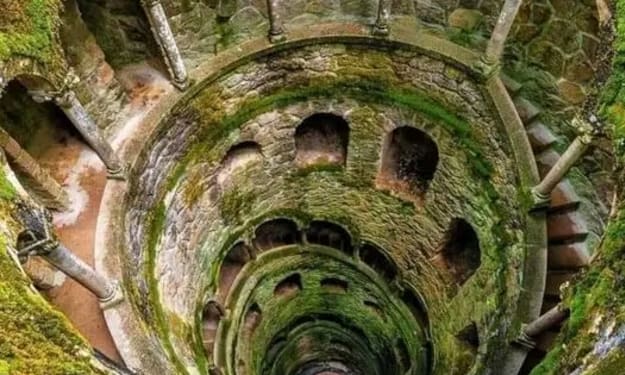
The Mysterious Initiation Well of Quinta da Regaleira: A Portal into Portugal's Secret History
Nestled in the lush landscape near Sintra, Portugal, lies one of the most enigmatic structures in Europe—the Initiation Well of Quinta da Regaleira. This 88-foot-deep well, which is located on the grounds of the extravagant Quinta da Regaleira estate, is not your ordinary well. In fact, it was never intended to serve as a water source. Instead, it was constructed with a more mysterious and esoteric purpose in mind: secret ceremonies linked to mysticism, spirituality, and initiation rites. This remarkable well, with its spiraling staircase and deep symbolism, continues to captivate visitors and scholars alike, offering a glimpse into the hidden world of secret societies and the rich cultural heritage of Portugal. Quinta da Regaleira: A Journey Through History and Mysticism Quinta da Regaleira is a UNESCO World Heritage Site, located just outside the town of Sintra, a place already renowned for its romantic landscapes and historic palaces. The estate, which includes a palace, chapel, and expansive gardens, was built in the early 20th century by António Augusto Carvalho Monteiro, a wealthy Portuguese businessman with a deep interest in mysticism, alchemy, and secret societies such as the Freemasons and the Rosicrucians. Monteiro commissioned the Italian architect Luigi Manini to design the estate, and together they created a place that blends Gothic, Renaissance, and Manueline architectural styles, all steeped in symbolism and meaning. Among the many wonders of Quinta da Regaleira, the Initiation Well stands out as one of its most mysterious and iconic features. The Initiation Well: A Symbolic Descent into the Depths The Initiation Well is a striking structure, descending 27 meters (about 88 feet) into the earth. Its spiral staircase, which winds around the inner walls of the well, consists of nine levels, a number that is often associated with Dante's "Divine Comedy" and the concept of the nine circles of Hell. The design of the well itself is heavily influenced by mysticism and esoteric symbolism, particularly the idea of a journey from darkness to light, from ignorance to enlightenment. At the bottom of the well lies a compass over a Knights Templar cross, further reinforcing the connection to secret societies and rituals. The well was likely used for initiation ceremonies, where participants would descend into the depths of the earth, symbolizing a journey into the unknown or the subconscious. Once they reached the bottom, they would ascend again, symbolizing rebirth and spiritual enlightenment. The well's design also aligns with the symbolism of the Ouroboros, the ancient symbol of a serpent eating its own tail, representing the cyclical nature of life, death, and rebirth. This profound spiritual and symbolic significance makes the well more than just a tourist attraction—it’s a portal into the deeper mysteries of human existence. A Well Without Water: Built for Ceremony, Not Utility Unlike a traditional well, the Initiation Well of Quinta da Regaleira was never intended to be a water resource. Instead, its true purpose was far more esoteric. The well was designed as a ceremonial space, used for rites of initiation and other spiritual practices. Its layout and structure suggest that it was built for secret rituals that likely involved descending into the well as a symbolic act of entering the underworld or the subconscious mind. As participants walked down the spiral staircase, they would experience a sense of isolation and darkness, which was meant to reflect the journey of the soul through the trials of life. Reaching the bottom of the well symbolized reaching the depths of one’s inner self, confronting the darkness within. The subsequent ascent represented enlightenment and spiritual awakening—a return to the light after the darkness. While it’s not clear exactly what types of ceremonies took place in the well, many speculate that they were influenced by the Freemasons, the Rosicrucians, or other secretive groups that were popular during Carvalho Monteiro’s time. These societies often used initiation rituals as a way to symbolize personal transformation and the attainment of higher knowledge. The Gardens of Quinta da Regaleira: A Path of Discovery The Initiation Well is not an isolated structure on the Quinta da Regaleira estate. It is connected to a series of tunnels and grottoes that snake through the lush gardens. These tunnels offer a sense of mystery and discovery as visitors explore the estate, often stumbling upon hidden pathways and unexpected exits. The gardens themselves are filled with symbols from mythology, alchemy, and mysticism, reinforcing the idea that Quinta da Regaleira was designed as a place of spiritual exploration and personal transformation. In fact, the entire estate can be seen as a metaphorical journey. Visitors are encouraged to lose themselves in the winding paths, hidden staircases, and subterranean passageways, reflecting the journey of the soul through life’s mysteries. Every part of Quinta da Regaleira, from the architecture of the palace to the arrangement of the gardens, seems to invite contemplation and introspection. The Legacy of the Initiation Well Today, the Initiation Well remains one of the most popular attractions at Quinta da Regaleira, drawing visitors from around the world who are intrigued by its mysterious history and symbolic meaning. While its original purpose may never be fully understood, the well continues to serve as a powerful symbol of the human quest for knowledge, self-discovery, and spiritual awakening. For those who visit, the well offers more than just a descent into the earth—it offers a journey into the mysteries of the mind and soul. As visitors spiral down the 88-foot-deep structure, they are following in the footsteps of countless others who have sought to unravel the secrets of the universe, both ancient and modern. The Initiation Well of Quinta da Regaleira remains an enduring symbol of the mystical heritage of Portugal and a reminder of the timeless human desire to explore the unknown and seek enlightenment in the darkest of places.
By Deji Akomolafe2 years ago in History
The Inchtuthil Hoard: 875,400 Roman Nails Buried to Prevent Reforging by the Enemy
In the rolling hills of Perth and Kinross, Scotland, lies one of the most fascinating and unique Roman archaeological finds ever unearthed. The discovery of a massive hoard of iron nails at the Roman fortress of Inchtuthil in 687 AD is a testament to the strategic thinking and foresight of the Roman military. After abandoning this northernmost fortification, the Romans buried 875,400 nails deep in the ground—not to store them for later use, but to keep them out of the hands of their enemies, the fierce Caledonian tribes. The decision to bury the nails was not just an act of military strategy but also a move to prevent the Caledonians from reforging the valuable iron into weapons, a resource that was both precious and scarce in the region at the time. The Inchtuthil hoard, as it is known today, provides a remarkable insight into Roman military tactics and their methods of resource management. Inchtuthil: A Roman Stronghold on the Edge of the Empire Inchtuthil, located near the River Tay, was a key Roman military fortress in Scotland, constructed during the reign of Emperor Domitian around 83-84 AD. The fort, known as a legionary fortress, was part of the Roman Empire's expansion into northern Britain, an attempt to conquer and subdue the Caledonian tribes. Measuring approximately 50 acres in size, Inchtuthil was designed to house the Legio XX Valeria Victrix, one of the most elite units of the Roman army. However, the Romans faced stiff resistance from the native Caledonian tribes, who were known for their guerrilla tactics and deep knowledge of the rugged terrain. The Romans’ attempts to control northern Scotland were ultimately unsuccessful, and by 86 AD, they decided to abandon the Inchtuthil fortress. But before leaving, they took an extraordinary measure to ensure that the resources they had brought with them would not fall into enemy hands. The Hoard: 875,400 Nails Buried to Deny the Enemy When the Romans prepared to retreat from Inchtuthil, they had a dilemma on their hands. Among the supplies left behind were nearly a million iron nails of various sizes, weighing more than 55 tons in total. These nails, essential for building wooden fortifications, shelters, and equipment, were made of high-quality iron—a resource that was difficult to come by in the region. The Caledonians, who lacked the Roman infrastructure and resources to produce iron in such large quantities, would have seen these nails as a valuable prize. If the Caledonians had managed to get their hands on the hoard, they could have melted down the iron to forge weapons, which would have been used against future Roman incursions or to defend against other enemies. Recognizing this, the Roman forces decided to take an extreme measure: they buried the nails. Rather than destroy or carry the iron back with them, which would have been logistically difficult, they opted to dig a large pit and bury the entire cache of nails. The depth and sheer volume of nails ensured that the Caledonians would not easily recover or utilize the metal. This act of foresight reveals a great deal about Roman military strategy. It shows that even in retreat, the Romans were thinking several steps ahead, planning not just for their immediate departure but also for the long-term consequences of leaving behind valuable resources. The Rediscovery of the Inchtuthil Hoard The buried hoard of nails remained hidden for more than 1,500 years, untouched by the Caledonians or any other inhabitants of the region. It wasn't until the 20th century that archaeologists uncovered the incredible stash during excavations of the Inchtuthil site. The discovery, which included an astonishing 875,400 nails, was a momentous find for historians and archaeologists alike, offering a rare glimpse into the practical side of Roman military logistics. The Inchtuthil hoard is considered one of the largest collections of Roman nails ever discovered and is an unparalleled example of the Romans’ meticulous planning and strategic thinking. These nails, buried to prevent enemy reforging, illustrate the importance the Romans placed on controlling resources, even as they retreated from a region. The Value of Iron in Roman Times Iron was a highly valuable resource in the Roman world, especially in frontier regions like northern Britain where native iron production was limited. The Romans had sophisticated ironworking techniques and used iron to forge weapons, tools, and building materials. In a military context, iron was indispensable, and a hoard as large as the one found at Inchtuthil would have represented a significant asset, both for the Romans and for any enemies who might have been able to recover it. The Caledonians, in particular, would have benefited greatly from access to such a vast supply of iron. It could have allowed them to forge weapons and tools far beyond what they were capable of producing on their own. The Roman decision to bury the nails effectively denied the Caledonians a major strategic advantage, reinforcing the Roman practice of resource denial—ensuring that even in defeat, the enemy would not benefit from Roman supplies. The Legacy of Inchtuthil The story of the Inchtuthil hoard is a reminder of the Roman Empire's far-reaching influence and its advanced approach to military strategy and resource management. Even in retreat, the Romans were masters of logistics and planning, ensuring that their enemies would not gain an advantage from what they left behind. Today, the Inchtuthil hoard stands as a testament to Roman ingenuity and foresight. The sheer volume of nails, buried deep in Scottish soil, reflects a level of strategic thinking that has left a lasting mark on history. The hoard, now a prized archaeological find, continues to fascinate historians and enthusiasts alike, shedding light on a time when the Roman Empire stretched to the very edges of the known world, and every resource had to be carefully considered—even something as mundane as a nail. Inchtuthil, once a mighty Roman stronghold, is now known for the hoard of nails that helped define its place in history—a symbol of Roman strategy and their efforts to control not just land, but the resources within it.
By Deji Akomolafe2 years ago in History