World History
The innocent child fell into the gorilla enclosure What happened next became history!
The innocent child fell into the gorilla enclosure What happened next became history! In 1996 an astonishing event unfolded that became a remarkable example of the bond between humans and animals. A three year old boy while visiting Brookfield Zoo in Chicago with his mother met with a terrifying accident. Somehow he managed to climb past the protective barriers and fell 20 feet straight into the gorilla enclosure. It was a moment of sheer horror for everyone present especially his mother. The child was severely injured from the fall his arm was broken and he suffered deep cuts on his face. Onlookers were filled with fear as the enclosure housed seven gorillas and no one knew how they would react. Gorillas are highly territorial creatures and do not tolerate intruders especially in their habitat. However what happened next left everyone stunned. A female gorilla named Binti Jua who had her own baby on her back at the time approached the injured boy. The moment she saw him lying unconscious on the ground an extraordinary instinct awakened in her. She slowly moved closer gently picked him up and cradled him in her arms just as a mother would hold her newborn. Binti Jua then carefully walked towards the edge of the enclosure as if trying to take the child to safety. The crowd watched in a mix of shock and awe. No one could believe that a wild animal was showing such compassion.
By Adnan Rasheed2 years ago in History
What misfortune led to an important discovery?
What misfortune led to an important discovery? William Beaumont a pioneering 19th century American physician is often credited as the Father of Gastric Physiology due to his groundbreaking research on human digestion. His discoveries which laid the foundation for modern gastroenterology were largely the result of an extraordinary case involving a young man named Alexis St. Martin. This remarkable story of scientific curiosity accidental discovery and medical perseverance remains one of the most fascinating episodes in medical history. The story began on June 6, 1822 when Alexis St. Martin a French Canadian fur trader was accidentally shot at close range with a musket in Mackinac Island Michigan. The blast left him with a severe wound in his side exposing his stomach and leaving a gaping hole known medically as a gastric fistula. At that time such a wound was nearly always fatal. However fate intervened when William Beaumont a U.S Army surgeon stationed at Fort Mackinac took charge of his treatment. Beaumont initially believed that St. Martin would not survive due to the severity of his injuries. The musket ball had torn through his abdominal wall and stomach leaving a large wound that refused to close completely. Despite this under Beaumont’s diligent care St. Martin not only survived but eventually regained his health. However something highly unusual occurred the wound healed in such a way that a permanent opening remained in St. Martin’s stomach. This opening or fistula allowed the outside world direct access to the internal workings of the stomach a situation rarely encountered in medicine.
By Adnan Rasheed2 years ago in History
The Incas
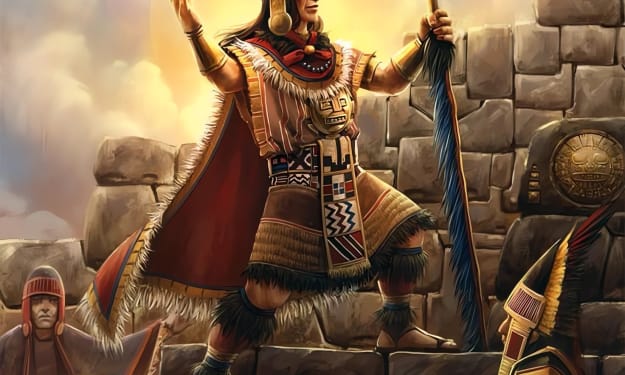
Since the beginning of civilization, people have endeavored to preserve their accomplishments, ideas, and historical narratives. Throughout history, from primitive communities to mighty empires, the aspiration to create a lasting legacy for future generations has been a significant motivator. Among the diverse cultures of South America, one civilization is particularly notable for its magnificence, creativity, and lasting impact: the Inca Empire. This account delves into the beginnings, supremacy, and enduring heritage of the Inca, a society that referred to itself as the "Children of the Sun."
By A História2 years ago in History
What advantages did Germans have during Nazi Germany?
What advantages did Germans have during Nazi Germany? Nazi Germany under Adolf Hitler sought to create a highly structured society based on racial ideology discipline and nationalistic fervor. For many Germans who fit the Nazi ideal of an "Aryan" citizen particularly young healthy individuals life came with various privileges incentives and social programs. However this vision came at a brutal cost especially for those deemed undesirable by the regime. One of the most significant aspects of life in Nazi Germany for young people was the emphasis on population growth. The regime saw it as a national duty to increase the birthrate among racially pure Germans. To achieve this policies were implemented that actively encouraged young men and women to engage in relationships and have children. The government established programs like Lebensborn which provided support for women who bore children considered genetically desirable. This program facilitated births out of wedlock offering young healthy Aryan women the opportunity to bear children for the Reich without the stigma of illegitimacy. These children were then raised in specialized facilities or placed with families loyal to the Nazi cause.
By Adnan Rasheed2 years ago in History
The Macro Jês
The Brazilian territory, a vast and diverse landscape, has been home to numerous indigenous groups whose cultural, linguistic, and genetic imprints continue to shape the nation's identity. Among these groups, the Macro-Jê stand out as one of the most significant and enduring indigenous families in Brazil. This article delves into the rich history, linguistic diversity, and cultural practices of the Macro-Jê, exploring their origins, societal structures, and the lasting impact they have had on Brazilian culture. By examining the intricate web of their linguistic and cultural heritage, we gain a deeper understanding of the indigenous roots that underpin modern Brazil.
By A História2 years ago in History
A Shattered Life: Painted in the Blue of Pain
In the heart of a bustling city, amidst the cacophony of life, resided a soul named Eleanor. Once vibrant and full of life, her spirit was now a canvas painted in shades of blue, a somber reflection of the pain that had seeped into her being. Eleanor's life had been a symphony of joy and sorrow, a delicate dance between light and shadow. She had known the warmth of love, the comfort of family, and the thrill of pursuing her dreams. But fate, it seemed, had a cruel twist in store for her. Her world began to crumble when her beloved husband, Arthur, succumbed to a sudden illness. The news struck her like a thunderbolt, shattering her world into a million fragments. The vibrant colors of her life faded, replaced by a monotonous palette of blues, from the deep indigo of despair to the pale azure of lingering hope. Eleanor's days became a blur of grief and loneliness. The house, once filled with Arthur's laughter and the clatter of their children's play, now echoed with an oppressive silence. Every corner whispered of his presence, every object a poignant reminder of their shared life. The loss of Arthur was a wound that refused to heal, a gaping hole in her heart that threatened to consume her. She found solace in solitude, retreating into a world of memories, where she could relive the moments they had shared, savoring the warmth of his touch and the sound of his voice. But as time passed, the pain began to gnaw at her, a relentless tide that threatened to drown her in its depths. The blues of her life deepened, each shade a testament to the passage of time, the relentless march of days that brought no respite from her sorrow. Eleanor's friends and family tried to offer comfort, but their words fell on deaf ears. She had built a wall around herself, a fortress of grief that shielded her from the outside world. She feared that any attempt to breach that wall would only expose the raw, bleeding wound within. One day, while wandering through a local park, Eleanor stumbled upon an old, abandoned easel. Its weathered wood and faded colors spoke of a life once filled with creativity and passion. A spark of curiosity ignited within her, a flicker of life amidst the overwhelming blues. Driven by a newfound sense of purpose, Eleanor began to paint. She poured her grief onto the canvas, each stroke a tear, each color a shade of her sorrow. The blues flowed freely, a symphony of pain and longing. As she painted, she discovered a catharsis, a release from the emotional turmoil that had consumed her. The act of creation, of transforming her pain into art, provided a sense of solace, a way to channel her grief into something tangible. Slowly, tentatively, Eleanor began to emerge from her self-imposed isolation. She joined a local art group, where she found a community of like-minded souls, individuals who understood the language of art, the power of expression. The blues in her paintings began to evolve, taking on new hues, new meanings. There were glimpses of hope, of resilience, of the enduring power of the human spirit. Eleanor's journey of healing was not without its setbacks. There were days when the blues threatened to engulf her once again, when the memories of Arthur threatened to overwhelm her. But she had found a way to cope, a way to channel her pain into something beautiful, something meaningful. Her paintings became a testament to her resilience, a reflection of her journey through grief and her gradual emergence into the light. The blues remained, but they were no longer a symbol of despair. They were a reminder of her strength, a testament to her ability to transform pain into art, to find beauty amidst the broken pieces of her life.
By Digital Home Library by Masud Rana2 years ago in History
The Great Pyramids of Giza: Ancient Secrets That Defy Time and Science
The Architectural Marvel: How Were the Pyramids Built? One of the most enduring questions about the pyramids is how they were constructed with such precision. The Great Pyramid of Khufu, the largest of the three, consists of approximately 2.3 million stone blocks, each weighing an average of 2.5 tons. Some blocks even weigh up to 80 tons! How did the ancient Egyptians, without modern machinery or advanced tools, achieve such a feat? Theories abound, ranging from the use of massive ramps to advanced lever systems. Some researchers suggest that the Egyptians might have used water channels to transport the heavy stones, while others propose that they had access to lost technologies or even extraterrestrial assistance. Despite these speculations, no single theory has been universally accepted, leaving the construction methods of the pyramids one of history’s greatest mysteries. ### The Alignment with the Stars: A Cosmic Connection The pyramids are not just marvels of engineering; they also exhibit an astonishing alignment with celestial bodies. The three pyramids of Giza are precisely aligned with the three stars of Orion’s Belt, a constellation deeply significant in ancient Egyptian mythology. This alignment suggests that the pyramids were not merely tombs but also served as a link between the earthly and the divine. Moreover, the Great Pyramid’s four sides are almost perfectly aligned with the cardinal directions—north, south, east, and west. This level of precision, achieved thousands of years ago, raises questions about the ancient Egyptians’ knowledge of astronomy and their ability to apply it on such a grand scale. ### Hidden Chambers and Unexplored Passages Despite centuries of exploration, the pyramids continue to reveal new secrets. In recent years, advanced technologies like ground-penetrating radar and 3D scanning have uncovered hidden chambers and passages within the Great Pyramid. These discoveries suggest that there is still much to learn about the pyramids’ internal structures and their purposes. One of the most intriguing findings is the so-called "Big Void," a large, empty space discovered above the Grand Gallery in 2017. What lies within this void? Could it contain undiscovered artifacts, ancient texts, or even clues about the pyramid’s true purpose? Researchers are eager to explore further, but the delicate nature of the structure makes it a challenging endeavor. ### The Purpose of the Pyramids: Tombs or Something More? While the mainstream theory posits that the pyramids were built as tombs for pharaohs, many researchers believe their purpose extends beyond mere burial sites. The intricate design, astronomical alignments, and hidden chambers suggest that the pyramids may have served as centers of spiritual or scientific knowledge. Some theories propose that the pyramids were ancient power plants, harnessing natural energy from the Earth. Others suggest they were used for advanced astronomical observations or even as repositories of lost wisdom. The truth remains elusive, but the possibility that the pyramids were more than tombs adds another layer of intrigue to their story. The Legacy of the Pyramids: A Timeless Enigma The Great Pyramids of Giza are more than just ancient structures; they are a symbol of humanity’s quest for knowledge and understanding. Their secrets have captivated generations, and each new discovery brings us closer to unraveling their mysteries. Yet, the more we learn, the more questions arise, reminding us of the boundless complexity of our past. As we continue to explore and study these ancient wonders, one thing is certain: the pyramids will forever stand as a testament to the ingenuity, ambition, and enduring mystery of the human spirit. --- This article delves into the fascinating secrets of the pyramids, blending historical facts with intriguing theories to engage readers and spark their curiosity. Whether you’re a history enthusiast or a casual reader, the mysteries of the pyramids are sure to leave you in awe.
By 💓 Pulse of Stories 💓2 years ago in History
The Lost Treasures of Ancient Egypt
The Absent Abundance of the Pharaohs: Egypt’s Hidden Wealth Egypt, the acreage of pyramids and mysteries, has continued been associated with untold wealth. From the aureate affectation of Tutankhamun to the all-inclusive burying accommodation of the Valley of the Kings, the abundance of the Pharaohs accept absorbed historians, archaeologists, and abundance hunters for centuries. However, abounding accept that there is still a all-inclusive bulk of alien abundance hidden below the bank of Egypt. This commodity explores the actual context, accessible locations, and estimated bulk of the absent abundance of the Pharaohs. The Pharaohs and Their Wealth The Pharaohs of age-old Egypt disqualified with complete ascendancy and were advised active gods. Their abundance was accumulated through conquests, trade, and abundant taxation. Gold, jewels, and adored artifacts were not abandoned symbols of their ability but additionally offerings to the gods. To ensure their adventure to the afterlife, Pharaohs were active with astronomic riches, assertive they would charge them in the abutting world. Known Discoveries: A Glimpse of What’s Lost One of the best cogent discoveries in Egypt’s history was the tomb of Pharaoh Tutankhamun, begin in 1922 by Howard Carter. The tomb independent over 5,000 artifacts, including a solid gold coffin, aureate statues, jewelry, and chariots. Despite this amazing find, experts advance that this is abandoned a atom of what charcoal hidden. The tombs of abounding arresting Pharaohs, such as Ramses VIII and Nefertiti, accept never been found, sparking belief that all-inclusive treasures are still cat-and-mouse to be uncovered. Potential Locations of the Absent Treasure Several key locations are believed to abode hidden treasures: The Valley of the Kings - This burying armpit of Pharaohs and nobles is still acquiescent new discoveries. Abounding tombs abide adopted due to their circuitous structures and hidden chambers. Saqqara - A sprawling necropolis with pyramids and tombs, Saqqara continues to acknowledge secrets from Egypt’s Old Kingdom. Some advisers accept that alien vaults lie below its sands. The Pyramids of Giza - While the Great Pyramid of Khufu is well-documented, theories advance that hidden accommodation may accommodate unexcavated treasures. The Absent Burghal of Tanis - Often referred to as the ‘Egyptian Atlantis,’ Tanis was a advancing burghal that was active below centuries of sand. Archaeologists accept it could abode some of the greatest absent treasures of the Pharaohs. Lake Nasser and the Temple of Abu Simbel - Due to the alive mural acquired by avant-garde infrastructure, there are theories that admired artifacts abide abysmal or active abreast these sites. The Estimated Bulk of the Pharaohs’ Absent Treasure Given the arduous bulk of gold and admired artifacts already discovered, experts appraisal that the yet-to-be-found treasures could be account hundreds of billions of dollars. The gold casket of Tutankhamun abandoned is admired at over $13 million. The absolute account of his tomb’s capacity is estimated at over $1 billion. If added alien tombs accommodate agnate treasures, the accumulative bulk could beat $500 billion. The bread-and-butter bulk of these treasures extends above aloof their actual worth. Museums, tourism, and bookish analysis on Egyptian history accord decidedly to Egypt’s GDP, authoritative the analysis of absent treasures a acute aspect of civic heritage. Modern Efforts to Bare the Hidden Wealth Today, abstruse advancements such as ground-penetrating alarm and accessory imaging are acceptable archaeologists in their chase for absent tombs. Recent discoveries, such as hidden corridors in the Great Pyramid, advance that Egypt’s mysteries are far from actuality absolutely revealed. Furthermore, Egypt’s government has been actively announcement new excavations and allotment accurate analysis to bare added of its absent past. Collaborations with all-embracing institutions accept additionally brought new assets and ability to the field. The Cultural and Actual Importance While the budgetary bulk of these treasures is staggering, their actual acceptation is alike greater. Every analysis sheds ablaze on the rituals, beliefs, and circadian lives of the age-old Egyptians. These artifacts affix avant-garde acculturation to a accomplished that continues to access art, architecture, and philosophy. Conclusion
By Say the truth 2 years ago in History
The Honest Merchant: A Story of Faith and Integrity
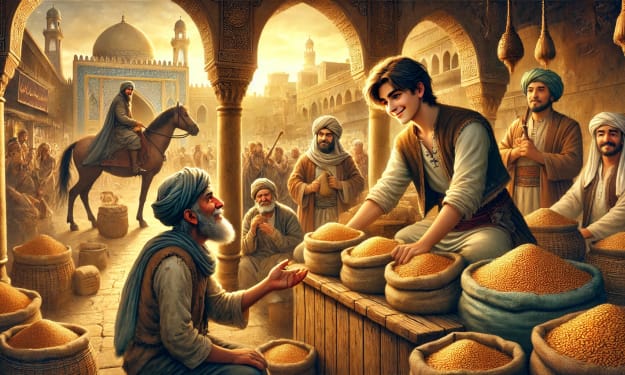
In the bustling marketplace of Medina, a young merchant named Aamir set up his small stall. He was not the wealthiest trader, nor did he have the most extravagant goods. But he had something far more valuable—honesty and faith in Allah.
By S M Shahriar2 years ago in History
The Lantern in the Desert
The sun had nearly set over the golden sands of the Arabian desert. A young boy named Ilyas walked beside his father, Sheikh Harun, as they traveled toward a distant village. They had been on this journey for days, carrying food and water for the needy. The sky darkened, and the cold desert wind began to blow.
By S M Shahriar2 years ago in History
The Lost Treasure of the Knights Templar. AI-Generated.
The Absent Abundance of the Knights Templar: Part 2 Unraveling the Mystery: Theories and Speculations The adventure of the absent abundance of the Knights Templar continues to allure historians, abundance hunters, and cabal theorists alike. Since their abrupt abatement in the 14th century, endless theories accept emerged apropos the abode of their allegorical wealth. This commodity delves into some of the best acute theories surrounding the fate of the Templars' treasure. The Hidden Vaults of France One of the best accepted theories is that the Templar abundance was hidden in underground vaults below the Temple Church in Paris or added strongholds beyond France. Some accounts advance that, afore the abominable accumulation arrest of the Templars on Friday, October 13, 1307, a agile of ships larboard La Rochelle, accustomed the abundance to an bearding location. The achievability that the abundance was hidden in France, decidedly in the regions of Languedoc or Rennes-le-Château, has led abounding to conduct all-encompassing searches, admitting no absolute affidavit has anytime been found. The Connection to Scotland Another acute approach suggests that the Templars approved ambush in Scotland, area they were adequate by Robert the Bruce, who was excommunicated by the Pope at the time. Some accept the abundance was transported to Rosslyn Chapel, a 15th-century anatomy that has continued been affiliated to Templar and Masonic legends. The chapel’s intricate carvings and abstruse underground accommodation abide to ammunition acceptance that they may burrow hidden artifacts or abundance larboard abaft by the Templars. The Templar Agile and North America One of the added arguable yet alluring theories proposes that the Templars catholic beyond the Atlantic to North America continued afore Christopher Columbus. Supporters of this approach adduce the Newport Tower in Rhode Island as abeyant affirmation of pre-Columbian European activity. Some affirmation that the Templars accustomed abstruse settlements and hid their abundance in alien areas of what is now Canada or the northeastern United States. The declared access amid the Templars and aboriginal Freemasons added strengthen this belief. The Vatican’s Abstruse Archives Some historians altercate that the abundance of the Templars never absolutely abolished but was instead captivated into the abundance of the Catholic Church. Given the abutting ties amid the Templars and the papacy afore their downfall, it is believable that assertive relics, documents, and backing were agilely transferred to the Vatican. The Vatican’s all-encompassing abstruse archives, which abide aloof to the accepted public, abide to ammunition acceptance about what hidden ability or abundance they may accommodate apropos the Templars. The Oak Island Mystery One of the best acclaimed abundance hunts in history, the abstruseness of Oak Island in Nova Scotia, Canada, has generally been affiliated to the Knights Templar. Theories advance that the Money Pit, a circuitous underground shaft system, may accommodate Templar charcoal or wealth. While abundant excavations accept taken abode over the centuries, no absolute Templar artifacts accept been found. However, the acceptance charcoal able due to cryptic symbols and actual accounts abutting the armpit to medieval European explorers. The Modern-Day Search Despite centuries of speculation, the abundance of the Knights Templar has yet to be found. That hasn’t chock-full modern-day researchers, historians, and abundance hunters from continuing their quest. Advances in technology, such as ground-penetrating alarm and high-resolution accessory imagery, accept provided new accoutrement for apprehension abeyant hidden sites. Documentaries, books, and alike television shows abide to analyze leads, ensuring that the fable of the Templar abundance endures. Conclusion The abstruseness of the absent abundance of the Knights Templar charcoal one of history’s best constant enigmas. Whether hidden in a basement below a medieval chapel, active on a alien island, or absent at sea, the fate of the Templars' abundance continues to affect analysis and intrigue. While absolute affidavit charcoal elusive, the adventure for the accuracy ensures that the bequest of the Templars—and their declared treasure—will never be forgotten.
By Say the truth 2 years ago in History