World History
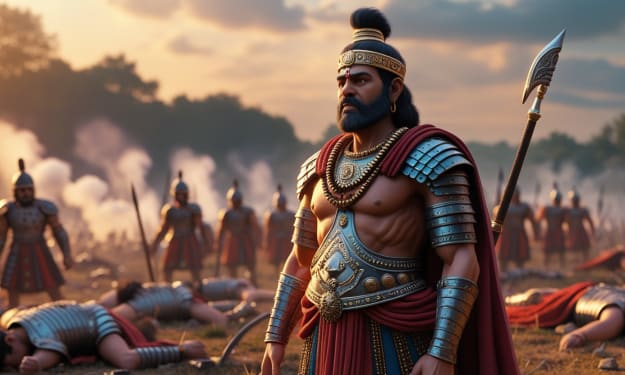
"Draped in Empire: The Legendary Dress of Alexander the Great and Its Priceless Legacy". AI-Generated.
Draped in Power: The History and Worth of Alexander the Great's Regal Dress : This article explores the historical background and significance of Alexander the Great's iconic royal attire. More than just clothing, his dress symbolized divine power, imperial ambition, and the merging of Eastern and Western traditions. Estimated today to be worth hundreds of millions of dollars if it still existed, Alexander’s royal dress remains a powerful symbol of leadership and legacy. : Throughout history, few figures have captured the world’s imagination like Alexander the Great. From his conquests that stretched from Macedonia to the Indus Valley, to his legendary charisma, Alexander’s image has endured for over two millennia. One of the most powerful visual emblems of his rule was his royal dress—not merely a piece of clothing, but a carefully crafted statement of power, unity, and divine right. The Historical Setting Born in 356 BCE to King Philip II of Macedon and Queen Olympias, Alexander was groomed for greatness from a young age. He was taught by none other than Aristotle, and by the age of 20, he inherited a powerful kingdom. His military campaigns would eventually create one of the largest empires in ancient history. But Alexander’s genius extended beyond the battlefield. He understood the value of symbolism and image, especially in foreign lands. As he began adopting Persian customs following the conquest of the Achaemenid Empire, Alexander's dress evolved into a blend of Macedonian, Greek, and Persian elements, reflecting his ambition to unite East and West. It became both a political tool and a spiritual garment, linking him with gods and emperors. Description of the Dress There are no surviving examples of Alexander’s original garments, but ancient texts and artistic depictions give us clues. His iconic dress included several elements: The White Tunic: Made from fine linen or silk, it was a symbol of purity and divinity, often dyed subtly with purples and blues to signify royalty. The Persian Robe (Kandys): A long flowing cloak, richly embroidered with gold threads and precious stones. This marked his adoption of Eastern traditions. The Diadem: A white band worn around the head, symbolizing kingship. After defeating Darius III, Alexander adopted the Persian version of the diadem. Jewelled Accessories: Gold armlets, belts, and brooches embedded with emeralds and rubies. Lion Motif Sandals or Boots: These sometimes bore motifs of strength and power, such as lions or eagles, linking him to Hercules and Zeus. Alexander used clothing as a way to communicate legitimacy to his newly conquered subjects, who were accustomed to grand displays of wealth and divine kingship. Cultural and Political Impact In Macedonia and among his Greek peers, Alexander’s adoption of Persian royal attire was controversial. Many of his generals viewed it as a betrayal of Greek traditions. However, Alexander saw himself as a universal ruler. He wore his elaborate dress to court, ceremonies, and religious rituals, and even encouraged his commanders to do the same. By dressing like a Persian king, he sent a powerful message to his subjects: Alexander was more than just a Greek conqueror—he was a world ruler. He effectively used fashion as a diplomatic tool to bridge cultures, easing tensions and gaining loyalty from the Persian nobility. The Worth of Alexander's Dress If Alexander’s original royal ensemble were somehow preserved and discovered today, its estimated worth would likely exceed $300 million. This valuation comes not only from the potential historical and archaeological value but also the craftsmanship and materials involved: Gold and gemstone embroidery: If his robe was indeed lined with real gold thread and precious gems, even the fabric itself would be worth millions. Historical provenance: Artifacts directly linked to Alexander would command astronomical prices at auctions. Symbolic value: As a symbol of one of the most famous empires in history, the dress would attract institutions, museums, and collectors from around the globe. Such an item would likely never be sold outright—it would be placed in the world’s top museums under tight security and studied extensively. The Legacy Alexander’s dress did more than symbolize power—it influenced generations of leaders. The Roman Emperors adopted similar regalia. Napoleon styled himself in Alexandrian fashion. Even modern ceremonial military attire draws from ancient traditions like those initiated by Alexander. In myth and legend, Alexander is sometimes portrayed as a semi-divine figure, and his attire contributes to this larger-than-life image. His clothing became the visual proof of his ambition: to not just rule the known world, but to shape its culture forever. Conclusion Alexander the Great’s royal dress was not just clothing—it was a masterpiece of political propaganda, cultural fusion, and divine symbolism. Blending the traditions of Greece and Persia, it reflected his unprecedented ambition and his attempt to unite the known world under one rule. Today, it stands as a historical mystery and a powerful symbol of leadership, empire, and vision. If found, its value—both material and symbolic—would be immeasurable. Would you like a Ghibli-style or traditional-style illustration of Alexander wearing this dress?
By Say the truth about a year ago in History
The first film from the deep water shows a giant squid that looks like a glass sculpture.
According to the Schmidt Ocean Institute, 100 years after the elusive giant squid was first discovered and given its name, scientists have finally taken video of the sea animal in its native habitat.
By MD NAFIUL ISLAMabout a year ago in History
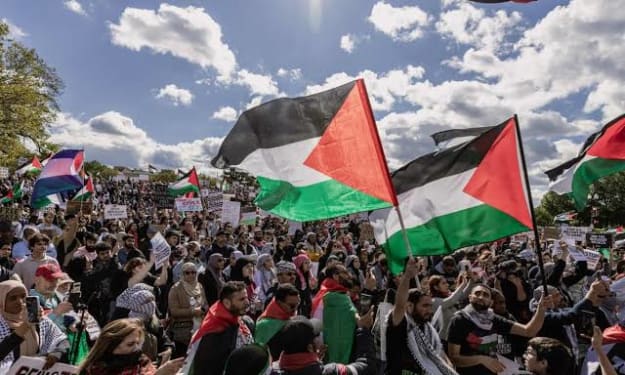
What is the value of Palestine in Present and Future?
The value of Palestine today is shaped by ongoing economic challenges and political stagnation, with significant impacts from occupation and conflict. Looking ahead, demographic trends and international recognition offer the potential for growth, but only if peace and stability are achieved. Situation Economic Right Now Exports Decline: Palestine's exports have decreased significantly, from $1.16 billion in 2018 to $189 million in 2023, indicating a serious economic impact of restrictions. The economy, particularly that of Gaza, has been severely impacted by restrictions on movement, military operations, and closures, resulting in a significant loss of income. Trends in the Population Population Growth: The Palestinian population is projected to grow at a net natural increase of 2.5 to 2.7% per annum, suggesting a rising demographic presence by 2030. Chances for the Future Potential for Growth: Palestine's economic growth and development have the potential to raise its value on the global stage if peace and stability are achieved. International Recognition: Increased international support and recognition could play a crucial role in shaping Palestine's future, impacting its political and economic landscape.
By MD.A.R Neazabout a year ago in History
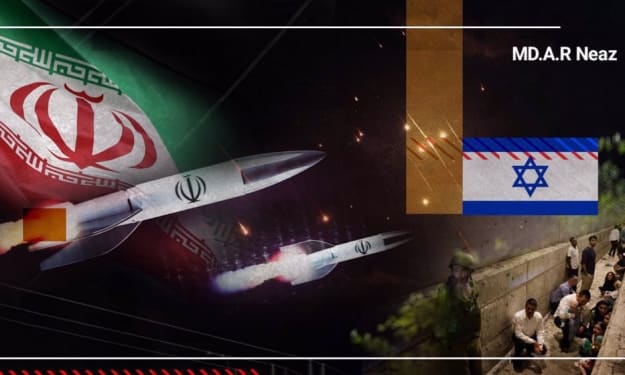
**Operation True Promise II: A New Chapter in Regional Dynamics**
**Operation True Promise II: A New Chapter in Regional Dynamics** Operation True Promise II represents a significant escalation in the ongoing conflict between Iran and Israel, occurring in the wake of the initial Operation True Promise I. Launched on June 15, 2024, this operation was characterized by a series of retaliatory strikes and countermeasures that further complicated the already volatile geopolitical landscape of the Middle East. As both nations grappled with the consequences of their actions, the operation underscored the fragility of peace in the region and the potential for broader conflict. **Background and Context** Following the events of Operation True Promise I, tensions between Iran and Israel reached unprecedented levels. The initial operation had demonstrated Iran's military capabilities and willingness to engage in direct confrontation, prompting Israel to reassess its defense strategies. In the months leading up to Operation True Promise II, both nations engaged in a series of military posturing and intelligence operations, heightening fears of an all-out war. The backdrop of this operation included ongoing skirmishes in Syria, where Iranian forces and their proxies were actively engaged against Israeli interests. Additionally, the political landscape in the region was shifting, with various countries reassessing their alliances and strategies in light of the escalating conflict. The United States and its allies were closely monitoring the situation, concerned about the potential for a wider regional war. **Execution of the Operation** Operation True Promise II was executed with precision and coordination, reflecting lessons learned from the previous operation. Iranian military planners aimed to capitalize on their earlier successes while addressing vulnerabilities exposed during Operation True Promise I. The operation involved a multi-faceted approach, combining missile strikes, drone attacks, and cyber warfare to target key Israeli military installations, infrastructure, and command centers. On the night of June 15, Iranian forces launched a coordinated assault involving hundreds of missiles and drones, targeting not only military sites but also critical civilian infrastructure. The operation aimed to disrupt Israel's ability to respond effectively and to instill fear among the civilian population. In addition to physical attacks, Iranian cyber units launched sophisticated cyber operations aimed at crippling Israeli communication networks and intelligence systems. **Immediate Consequences** The immediate aftermath of Operation True Promise II was marked by chaos and destruction. Israeli defense systems, while improved since the first operation, struggled to intercept the sheer volume of incoming attacks. Major cities experienced power outages, and critical infrastructure was severely damaged, leading to widespread panic among the civilian population. In response, the Israeli government declared a state of emergency and mobilized additional military resources. The Israeli Defense Forces (IDF) launched retaliatory strikes against Iranian military positions in Syria and Lebanon, targeting the sources of the attacks. The conflict quickly escalated, with both sides exchanging fire and engaging in a war of attrition. Internationally, the operation drew widespread condemnation and concern. The United Nations called for an immediate ceasefire, urging both parties to engage in dialogue to de-escalate tensions. The United States reiterated its support for Israel while also urging restraint, fearing that the conflict could spiral out of control and draw in other regional actors. **Long-term Implications** The long-term implications of Operation True Promise II are profound and far-reaching. The operation not only solidified Iran's position as a formidable military power in the region but also prompted Israel to reevaluate its defense strategies and alliances. The conflict highlighted the need for enhanced intelligence-sharing and collaboration among Israel's allies, particularly in the face of evolving threats. Moreover, the operation had significant ramifications for regional geopolitics. Countries in the Middle East began to reassess their relationships with both Iran and Israel, with some nations expressing a willingness to engage with Tehran in light of its demonstrated military capabilities. This shift could potentially alter the dynamics of existing alliances and lead to new geopolitical alignments. **Conclusion** Operation True Promise II stands as a critical juncture in the ongoing conflict between Iran and Israel, illustrating the complexities of modern warfare and the interplay of military power and political strategy. As both nations navigate the aftermath of this operation, the potential for further escalation remains a pressing concern. The international community continues to watch closely, as the consequences of this operation will likely shape the future of Middle Eastern geopolitics for years to come. The need for diplomatic solutions and conflict resolution has never been more urgent, as the specter of war looms large over the region.
By MD.A.R Neazabout a year ago in History
WHO countries strike landmark agreement on tackling future pandemics in 600 words
In a historic move towards enhancing global health security, member countries of the World Health Organization (WHO) have reached a landmark agreement aimed at tackling future pandemics. This unprecedented accord, finalized during a recent assembly, underscores the urgent need for a coordinated international response to health crises, particularly in light of the lessons learned from the COVID-19 pandemic. The agreement is a significant step forward in ensuring that the world is better prepared for future outbreaks, fostering collaboration, and strengthening health systems globally. The COVID-19 pandemic exposed critical vulnerabilities in global health infrastructure, highlighting the need for a more robust and unified approach to pandemic preparedness. As nations grappled with the unprecedented challenges posed by the virus, it became clear that no single country could effectively combat such threats in isolation. The new agreement aims to address these challenges by promoting international cooperation, resource sharing, and the establishment of standardized protocols for pandemic response. **Key Components of the Agreement** The landmark agreement encompasses several key components designed to enhance global health resilience: 1. **Strengthened Surveillance and Early Detection:** One of the primary focuses of the agreement is the establishment of a global surveillance system that enables early detection of potential outbreaks. By improving data sharing and communication among countries, the agreement aims to facilitate timely responses to emerging health threats. 2. **Resource Mobilization and Technology Transfer:** The accord emphasizes the importance of mobilizing resources, including financial support and medical supplies, to countries in need during health emergencies. Additionally, it promotes the transfer of technology and expertise to ensure that all nations, regardless of their economic status, have access to the tools necessary for effective pandemic response. 3. **Capacity Building for Health Systems:** Recognizing that strong health systems are crucial for managing pandemics, the agreement includes provisions for capacity building in low- and middle-income countries. This involves training healthcare workers, improving infrastructure, and ensuring that essential services remain operational during crises. 4. **Collaboration with Non-State Actors:** The agreement acknowledges the vital role of non-state actors, including non-governmental organizations (NGOs), private sector entities, and civil society, in pandemic preparedness and response. By fostering collaboration with these stakeholders, the WHO aims to create a more inclusive and comprehensive approach to global health security. 5. **Equitable Access to Vaccines and Treatments:** A significant aspect of the agreement is the commitment to ensuring equitable access to vaccines, treatments, and diagnostics for all countries. This is particularly important in preventing vaccine nationalism, which can hinder global efforts to control outbreaks. **Global Implications and Future Prospects** The implications of this landmark agreement are profound. By fostering a spirit of collaboration and solidarity among nations, the WHO aims to create a more resilient global health landscape. The agreement serves as a reminder that health security is a shared responsibility, transcending national borders. In an increasingly interconnected world, the health of one nation is inextricably linked to the health of all. As countries begin to implement the provisions of the agreement, the focus will be on building trust and ensuring transparency in data sharing. The success of this initiative will depend on the commitment of member states to uphold their obligations and work collaboratively towards common goals. Moreover, the agreement sets a precedent for future international health governance. It highlights the importance of proactive measures and preparedness, rather than reactive responses to crises. By investing in health systems and fostering collaboration, the global community can mitigate the impact of future pandemics and protect the health and well-being of populations worldwide. **Conclusion** The landmark agreement reached by WHO member countries marks a pivotal moment in the fight against pandemics. By prioritizing collaboration, resource sharing, and equitable access to healthcare, the global community is taking significant strides towards a more secure and resilient future. As we move forward, it is essential that nations remain committed to the principles outlined in this agreement, ensuring that the lessons learned from the COVID-19 pandemic lead to lasting change in global health governance. Together, we can build a healthier, safer world for generations to come.
By MD.A.R Neazabout a year ago in History
The Story of the Queen of Sheba
The Queen of Sheba, or Queen of Saba, was a powerful and wise monarch who ruled in the lands of southern Arabia or maybe Ethiopia, depending on which story you follow. She was famed far and wide for her intelligence, wealth, and beauty. Her kingdom thrived with gold, spices, and precious stones, and her people respected her deeply. But one name began to echo across the desert, catching her attention: King Solomon of Israel.
By Snigdha Ahmed about a year ago in History
Sunset in the mountains of Durmitor
Sunset in the mountains of Durmitor The afternoon was different. The sun was slowly setting on the mountainside, spreading golden colors in the sky. The sunset could be seen from the campus dormitory, like a perfectly arranged scene—as if painted by Allah with his own hands.
By Arshad Aliabout a year ago in History
The Emperor’s Mirror: How Ashoka’s Regret Changed a Civilization
The Emperor’s Mirror: How Ashoka’s Regret Changed a Civilization Introduction: Blood on the Throne The battlefield of Kalinga was soaked in blood. Corpses of soldiers and civilians lay scattered. Emperor Ashoka stood among them, not as a triumphant conqueror—but as a broken man. The war he had won came at a cost no empire could justify: over 100,000 lives lost, cities burned, and families shattered.
By MystiTech Hubabout a year ago in History
Governing the Moon A History
This original historical study on the Moon Treaty's beginnings was funded by the Office of Technology, Policy, and Strategy in order to better investigate and comprehend a new space policy concern future lunar governance. Humanity's ability to plan our lunar journey could be just as crucial as
By MD NAFIUL ISLAMabout a year ago in History