World History
Last Letter from the Lighthouse
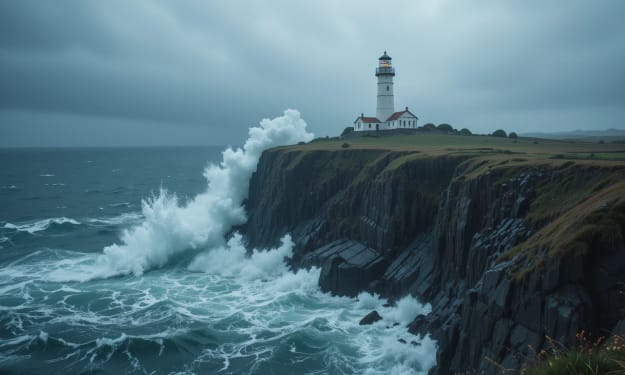
The last time I saw Thomas, he stood at the edge of the cliffs beneath the lighthouse, his coat whipping in the sea wind. He smiled at me with that quiet sadness he always carried, as though part of him belonged more to the ocean than to the land.
By Shohel Ranaabout a year ago in History
In the shadow of the Sultan
The beginning of the mystery Year 1566 On a gloomy night in Istanbul, the capital of the Ottoman Empire, a thick fog covers the city. Beneath the high walls of the palace a lonely boat floats in the black waters of the Bosphorus. Year 1566 On a gloomy night in Istanbul, the capital of the Ottoman Empire, a thick fog covers the city. Beneath the high walls of the palace a lonely boat floats in the black waters of the Bosphorus.
By MD. Tanvir Hossainabout a year ago in History
The Day the Crown Fell
The bells tolled low and mournful across the stone-clad capital of Edrion. The city, once radiant with the gold of royalty, now bathed in the red glow of rebellion. Smoke coiled from the merchant quarter. The palace stood like a wounded beast, its banners torn, its gates shattered. King Alric IV stood atop the western tower, his crown held loosely in one trembling hand. Below, his kingdom crumbled. It had begun with whispers in the taverns. Whispers of grain shortages, of taxes rising like tides, and of a king who had not walked among his people in years. The nobles, fat with favor, ignored it. But rebellion does not need armies at first—it only needs hunger and hope. Sir Marek, captain of the royal guard, entered the tower. Blood soaked his armor, and soot blackened half his face. “My king,” Marek said, dropping to one knee. “The eastern gate is breached. The rebels are within the palace walls.” Alric didn’t answer. His eyes fixed on the horizon, where the sun sank like a dying ember. “I was crowned on this tower,” he said. “My father stood here, proud. He told me to rule with strength, not softness. He said mercy weakens a crown.” “Your father ruled in a different time, sire.” “Did he?” Alric asked bitterly. “Or did I simply fail where he succeeded?” Below them, a thunderous cheer rose—another wing of the palace lost. The rebels had come not as a mob, but as an organized force, led by a former noble turned firebrand named Lysandra Vale. Once a court poet, she had seen her family stripped of lands during Alric’s early campaigns. She wrote verses then. Now she wrote history with steel. “I should have spoken with her,” Alric muttered. “Listened.” “Would words have changed her mind?” Marek asked. “Or would it have shown weakness?” Alric looked at his crown—an elegant band of gold, inset with black pearls from the Eastern Sea. “Perhaps it was weakness not to speak.” A crash echoed from below. The rebels were near. Marek rose. “There is still time, sire. We can escape through the catacombs. Regroup, rally loyal lords—” “No,” Alric said softly. “The crown doesn’t run.” “Sire—” “You will go, Marek. Lead my daughter to safety.” Marek’s jaw clenched. “And you?” “I will answer for what I’ve done… and what I failed to do.” Silence stretched between them. Finally, Marek nodded. “As you command.” When the captain had gone, Alric stood alone. He thought of Queen Elira, buried five winters past. Of Princess Kaelyn, barely sixteen, wiser than her father in too many ways. Of the people who once cheered his name. Footsteps echoed on the stairs. Alric turned as the door burst open. Lysandra Vale stood in the doorway, sword in hand, a red sash tied around her arm. Her face bore no hatred—only resolve. “It’s over,” she said. Alric nodded. “So it is.” She stepped forward, slowly. “You have the choice. Surrender, and we end it without blood. Resist, and the rebels won’t be so kind.” Alric held up the crown. “Do they still want this?” “They want what it represents to fall,” she said. “But how it falls… that is yours to choose.” He looked at her, and for a moment, saw the poet she had once been. “You wrote a poem,” he said quietly. “‘The Crown is a Mirror.’ I remember.” Lysandra blinked, caught off-guard. “You read it?” “I did. But I didn’t understand it.” “And now?” He smiled sadly. “Now I do.” He walked to the edge of the tower and held the crown high. Below, thousands of rebels looked up in silence. The gold caught the last of the dying light. Alric lowered his hand—and let the crown fall. It spun once, glinting, then vanished into the shadows below. A cheer rose. Loud. Final. A king had fallen—not by sword, but by choice. Lysandra stepped forward, but Alric had already turned, walking toward the staircase. “Take me to the people,” he said. “Let history judge me.” --- In the months that followed, Edrion changed. The monarchy was abolished, and a council of guilds, farmers, and scholars took its place. Streets once guarded by soldiers were now watched by citizen patrols. Lysandra became the first Chancellor of the Republic. Alric lived quietly in a modest house by the river. He spent his days writing—letters, regrets, lessons for a daughter who would one day read them. And on quiet mornings, as the sun rose over the new republic, he would walk through the city he once ruled, unguarded and unseen. History remembered him not as a tyrant, nor a hero, but as the king who knew when to let the crown fall.
By Usman Khanabout a year ago in History
Xiaomi 15S Pro comes with a self-made XRING O1 chipset, going up against Qualcomm and Apple
Xiaomi 15S Pro Introduces Self-Made XRING O1 Chipset, Challenging Qualcomm and Apple In a bold move set to reshape the competitive landscape of the smartphone industry, Xiaomi has unveiled its latest flagship, the Xiaomi 15S Pro, featuring the company's first self-developed mobile processor—the XRING O1 chipset. Xiaomi's intention to join the elite ranks of vertically integrated tech giants like Apple and Samsung is signalled by this significant departure from its long-standing reliance on third-party chipmakers like MediaTek and Qualcomm.
By Md Shakhawatabout a year ago in History
The Creation of the World: A Bible Story of God’s Power and Love. AI-Generated.
In the very beginning, before time as we know it began, there was nothing but God—eternal, infinite, and full of love. The story of the Creation of the World, found in the Book of Genesis (1:1-2:3), is the foundation of the Bible, revealing how God brought everything into existence with His mighty word. This sacred account, believed to have occurred thousands of years ago, tells of the origins of the heavens, the earth, and all living things, showcasing God’s power, creativity, and purpose for humanity. Shared across generations, this story continues to inspire awe and gratitude for the world we live in today.
By David Andrewsabout a year ago in History
Russia: The Unconquered Giant of the Earth
Russia: A Colossal Land of Mysteries, Power, and Resilience Russia is so vast that it can accommodate two entire United States or two Chinas within its borders. It could fit five Indias or an astonishing 21 Pakistans. In terms of sheer geographical size, Russia is like an entire planet on its own — in fact, it spans an area nearly equivalent to that of the dwarf planet Pluto. This enormous country stretches across 11 different time zones — more than any other country on Earth. That means when it's sunrise in one part of Russia, it could be night in another. It shares its borders with 14 different countries, making it one of the most geographically connected nations in the world. Russia is home to the world’s longest railway line — the famous Trans-Siberian Railway, which stretches a staggering 9,200 kilometers from Moscow to Vladivostok. If someone were to board a train and travel this entire route non-stop, it would take about 153 hours — over six days — to reach the final station. The scale and engineering of this railway are a testament to Russian ambition and endurance. Just within the capital city of Moscow, about 9 million people use the metro railway system daily, making it one of the busiest and most efficient subway systems in the world. In terms of population, Russia is home to around 150 million people. Interestingly, the female population exceeds the male population by approximately 10 million. Despite being such a large country, Russia boasts an impressive literacy rate of nearly 100%, reflecting a strong emphasis on education and intellectual development. Russia is also a global energy giant. It holds the largest reserves of natural gas in the world. In fact, about 40% of Europe’s gas supply comes from Russian exports. This energy dependency gives Russia substantial geopolitical influence, especially in the European continent. When it comes to military might, Russia is among the most powerful nations on Earth. It possesses approximately 8,400 nuclear weapons, a number that far surpasses many other nuclear powers. For comparison, Pakistan is believed to have around 165 nuclear warheads. In 2017, Russia allocated $66 billion to its defense budget, emphasizing its strategic focus on maintaining military strength. One of the key reasons Russia has never been fully conquered by any foreign power is its harsh, freezing climate and vast terrain. According to international defense analysts, to fully occupy and control Russia, an invading force would require more than 12 million soldiers — a nearly impossible logistical and military feat. The freezing winters have historically served as a natural defense. Napoleon’s army in 1812 and Hitler’s forces in 1941 both crumbled under the brutal Russian winter during their invasions. Another intriguing aspect of Russia is the presence of around 15 secret cities that have been kept out of public knowledge for decades. These hidden cities are often linked to sensitive military or scientific research, and very few people know what really happens there — or even who lives in them. The secrecy around these cities continues to spark curiosity and conspiracy theories around the world. Extra Note: To this day, no one has been able to completely conquer Russia. Even modern military strategists agree that occupying Russia entirely is nearly impossible without an extraordinarily large and well-coordinated land army. However, there is one notable exception from history — the Mongols. They are credited with having conquered a large part of Russia while riding on horseback, showcasing their unmatched mobility and fearsome tactics. In every sense, Russia is a land of extremes. From bone-chilling winters to vast stretches of wilderness, from unmatched energy resources to immense military strength, from secret cities to a proud, resilient population — Russia remains one of the most fascinating and complex countries on Earth. Whether you view it through the lens of geopolitics, history, natural resources, or cultural identity, Russia continues to stand as a titan among nations — unconquered, enigmatic, and ever-powerful.
By Ikram Ullahabout a year ago in History
Beneath the Golden Tides: Revealing the Concealed Mineral Wealth of China's Yellow River. AI-Generated.
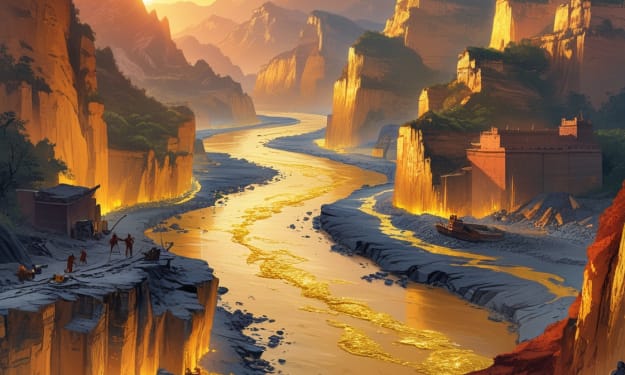
A River Shaping Through Epochs and Stone The Yellow River traverses a multitude of landscapes: towering mountains, fertile plains, loess plateaus, and desert basins. This journey has enabled it to carve into rock strata rich in minerals, revealing deposits that ancient civilizations soon learned to utilize. As early as the Shang Dynasty (c. 1600–1046 BCE), bronze metallurgy thrived along the river, with copper, tin, and lead extracted locally and crafted into weapons, ceremonial items, and tools. By the Han Dynasty (206 BCE – 220 CE), systematic mining had become prevalent in the Yellow River provinces, particularly in present-day Shaanxi, Shanxi, Henan, and Gansu. These regions evolved into hubs of iron production, mercury extraction, and gold panning. Inscriptions, historical documents, and artifacts indicate that mining was not only a skilled profession but also a foundation of regional economies. Wealth Beneath the Surface: Principal Minerals of the Yellow River The Yellow River basin is a mineralogical tapestry, showcasing a wide array of resources: Gold Gold-laden sands and rock veins are particularly abundant in Qinghai and Gansu, along the upper stretches of the river. In antiquity, gold was extracted from riverbeds; today, it is obtained through both surface and subterranean mining. Silver Silver is frequently discovered alongside gold or lead-zinc ores, particularly in the central basin. Historical accounts suggest that silver coins and artifacts were fabricated from locally sourced metal during the Tang and Song Dynasties. Coal Shanxi Province, located along the central Yellow River, stands as one of China’s most prosperous coal regions. With reserves amounting to hundreds of billions of tons, this area has been pivotal to China’s energy sector for over a century. Iron and Manganese Historically utilized for tools, weapons, and subsequently railways and factories, iron ore is significantly concentrated in Shanxi and Henan. Manganese, crucial in steel production, is also mined in adjacent regions. Copper, Lead, and Zinc These base metals have been extracted for centuries in Shaanxi and Gansu, powering early bronze industries and now underpinning contemporary electronics and manufacturing. Rare Earth Elements (REEs) While more prominent in southern China, northern Gansu and certain areas of Inner Mongolia along the river have been explored for REEs vital to electronics, magnets, and batteries. Salt and Potash The lower Yellow River delta has historically served as a source of salt, essential for food preservation, and potash, crucial for agriculture. Economic Assessment of the Yellow River’s Mineral Resources Determining the overall economic value of the Yellow River’s mineral resources is intricate, due to variable market rates, unidentified reserves, and ecological restrictions. Nonetheless, based on existing geological and industrial information: Gold: Estimated at 1,200 tons at approximately $70,000/kg = $84 billion USD Silver: Estimated at 20,000 tons at about $850/kg = $17 billion USD Coal: Over 260 billion tons in Shanxi, with recoverable coal valued at $200+ billion USD Iron Ore: Estimated reserves appraised at $100 billion USD Copper/Lead/Zinc: Cumulative estimates = $60 billion USD Rare Earths: Emerging deposits could be worth as much as $10 billion USD Total projected value: Approximately $471 billion USD These are conservative valuations and do not account for future discoveries or increasing values due to technological demand, particularly for rare earths and green energy metals.
By Say the truth about a year ago in History
The Golden Vein of China: History and Wealth of the Yellow River's Mineral Deposits
Historical Background The history of mining and mineral utilization in the Yellow River region can be traced back to ancient China, particularly during the Xia, Shang, and Zhou dynasties (2100–256 BCE). Early Chinese metallurgy predominantly relied on copper and tin for the creation of bronze tools, weapons, and ceremonial vessels. Archaeological discoveries from the Yellow River valley, especially within Henan and Shaanxi provinces, indicate that bronze mining and casting practices were highly developed as early as 1700 BCE. During the Han Dynasty (206 BCE – 220 CE), China commenced the extraction of a broader array of minerals, including iron, gold, and mercury, which found applications in everyday life as well as traditional medicine. Historical documents, such as The Records of the Grand Historian by Sima Qian, describe organized mining activities in the mountainous areas adjacent to the Yellow River. By the Tang and Song dynasties, more advanced techniques like deep shaft mining and hydraulic power facilitated enhanced utilization of mineral resources in the region. Key Mineral Deposits in the Yellow River Basin The Yellow River basin is endowed with a diverse assortment of minerals, attributable to its varied geological formations. Some of the most prominent mineral resources encompass: Gold and Silver The upper portions of the Yellow River in Qinghai and Gansu provinces are recognized for their gold-rich sands and quartz veins. Traditional panning techniques have been supplanted by contemporary large-scale open-pit and underground mining endeavors. Silver is commonly found in conjunction with gold and lead ores in the area. Iron Ore The Loess Plateau region, particularly in Shanxi, boasts plentiful iron deposits. These ores powered ancient blacksmithing industries and continue to sustain modern steel production. Coal Shanxi Province, situated in the mid-Yellow River basin, hosts some of China’s most abundant coal reserves, which generate a substantial portion of the country’s electricity and industrial output. The Datong and Taiyuan basins are particularly noteworthy. Copper and Lead-Zinc Deposits Primarily located in Gansu and Shaanxi provinces, these base metals are essential for electrical wiring, batteries, and industrial uses. Rare Earth Elements (REEs) While more concentrated in southern China, rare earth minerals have also been identified in small but valuable amounts in the Yellow River basin, especially in Gansu Province, which has been earmarked for REE exploration. Salt and Alkali The salt lakes and alkaline soils of the lower Yellow River have historically supplied significant chemical resources, utilized in both culinary applications and early chemical processes. Economic Evaluation: The Valuation of Yellow River Mineral Deposits Assessing the valuation of the Yellow River’s mineral resources is complex due to various factors: continuous extraction, undiscovered reserves, ecological costs, and variable global prices. Nevertheless, based on geological assessments, production data, and recent economic evaluations from Chinese mining organizations, we can outline a preliminary estimate. Gold reserves: Estimated to exceed 1,200 tons across Gansu and Qinghai, with a current price of approximately $70,000/kg, totaling $84 billion USD. Silver: Roughly 20,000 tons valued at $850/kg, resulting in $17 billion USD. Iron ore: Billions of tons available in Shanxi, with high-grade reserves assessed to be worth $100 billion USD. Coal reserves: Shanxi alone contains over 260 billion tons, with economically recoverable coal valued at over $200 billion USD. Copper, Lead, Zinc: Combined base metal reserves may reach a total estimated market valuation of $60 billion USD. Rare Earth Elements: Smaller yet high-value accumulations may have an estimated worth of around $10 billion USD, contingent on development and market demand. Total Valuation Estimate: $471 billion USD (conservative projection) This amount solely reflects identified and economically extractable resources. With additional exploration and technological progress, the actual worth could be considerably higher. Ecological Impact and Challenges While mineral extraction has brought economic benefits to the Yellow River region, it has also induced significant environmental harm. Coal mining and smelting have led to air and water contamination, soil degradation, and land subsidence. Over-extraction has diminished groundwater levels, adversely affecting agriculture and human health. The Chinese government has enacted more rigorous regulations in recent years to mitigate pollution and encourage sustainable mining practices. Several initiatives now aim to reconcile economic benefits with environmental preservation, particularly in ecologically sensitive regions. Conclusion The mineral wealth of the Yellow River has been a discreet yet influential factor in China’s advancement. From ancient bronze artifacts to contemporary steel and rare earth exports, the riches beneath this iconic river have substantially influenced Chinese civilization and its position in the global economy. However, as the demand for these resources continues to escalate, sustainable practices and ecological consciousness must steer future extraction efforts. In many respects, the Yellow River stands not only as the "Mother River of China" but also as one of its most significant concealed treasures.
By Say the truth about a year ago in History
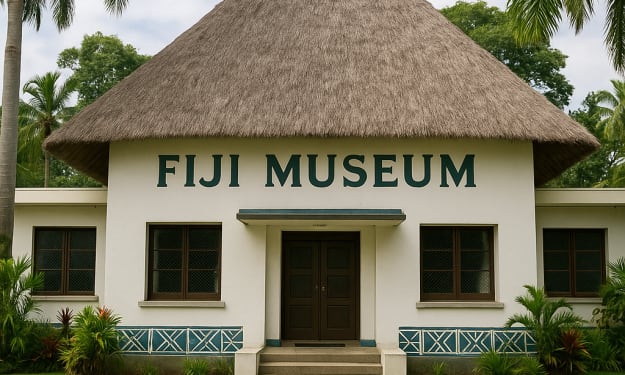
"Fiji Museum: Preserving Islands' Rich Heritage"
A Journey Through Time: The History of the Fiji Museum Nestled in the heart of Suva’s Thurston Gardens, the Fiji Museum stands as a beacon of cultural heritage and historical preservation in the South Pacific. It is not just a repository of artifacts, but a living monument to Fiji’s vibrant past—home to centuries-old stories, archaeological discoveries, and the complex fusion of indigenous, colonial, and modern influences that shape the island nation today.
By Mukhtiar Ahmadabout a year ago in History