World History
Step Inside 6 Luxury Ranches Across America: Where Opulence Meets the Wild West
Step Inside 6 Luxury Ranches Across America: Where Opulence Meets the Wild West The allure of the American West has long captivated those seeking adventure, tranquility, and a connection to nature. However, a new breed of high-end retreats has emerged for those who desire the rustic charm of ranch life without sacrificing luxury. These luxury ranches combine Western heritage with five-star amenities, ranging from sprawling estates in Wyoming to chic hideaways in Texas. Here, we take you inside five of the most exclusive ranches across the U.S., where wide-open spaces meet world-class hospitality.
By parves mosharafabout a year ago in History
Jinnah" redirects here
Wilderness years; interlude in England Jinnah's passport The alliance between Gandhi and the Khilafat faction did not last long, and the campaign of resistance proved less effective than hoped, as India's institutions continued to function. Jinnah sought alternative political ideas, and contemplated organising a new political party as a rival to the Congress. In September 1923, Jinnah was elected as Muslim member for Bombay in the new Central Legislative Assembly. He showed much skill as a parliamentarian, organising many Indian members to work with the Swaraj Party, and continued to press demands for full responsible government. In 1925, as recognition for his legislative activities, he was offered a knighthood by Lord Reading, who was retiring from the Viceroyalty. He replied: "I prefer to be plain Mr Jinnah."[66]
By FAWAD KHANabout a year ago in History
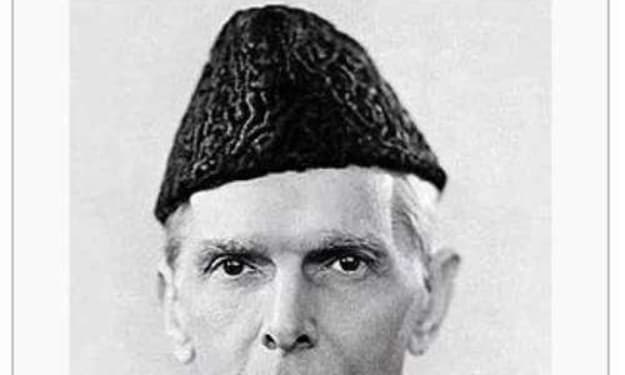
"Jinnah" redirects here. Content Warning.
Muhammad Ali Jinnah[a] (born Mahomedali Jinnahbhai;[b] 25 December 1876 – 11 September 1948) was a barrister, politician, and the founder of Pakistan. Jinnah served as the leader of the All-India Muslim League from 1913 until the inception of Pakistan on 14 August 1947 and then as Pakistan's first governor-general until his death.
By FAWAD KHANabout a year ago in History
Napoleon Bonaparte
They called him short. Corsican. Outsider. But history would call him something else—Emperor. Napoleon Bonaparte Born on August 15, 1769, in the rocky, wind-swept island of Corsica, Napoleon Bonaparte came into the world just a year after France wrestled the island from the Republic of Genoa. The Bonaparte family, of minor Italian nobility, suddenly found themselves living under a new flag, in a land divided by loyalty and resentment. For young Napoleon, the French language would never feel native, and his thick Corsican accent would never quite fade. But his mind? His ambition? They would rewrite Europe.
By Manatwal Khanabout a year ago in History
9/11 Attack
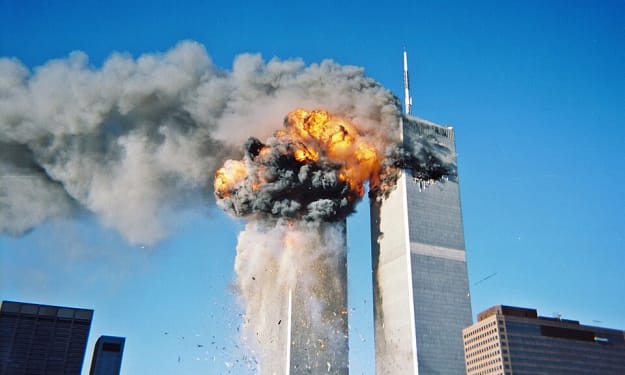
On the morning of September 11, 2001, the world stood still as one of the most devastating terrorist attacks in history unfolded in the United States. The 9/11 attack, as it is widely known, was not only a national tragedy but also a turning point in global politics, security, and international relations. The coordinated assault by the Islamist extremist group al-Qaeda led to the deaths of nearly 3,000 innocent people and left deep emotional and psychological scars that persist to this day. --- The Morning of Horror It was a clear, late summer morning in New York City. Commuters rushed to work, students headed to school, and tourists flocked to the iconic World Trade Center towers. At 8:46 a.m. Eastern Time, American Airlines Flight 11 crashed into the North Tower of the World Trade Center. Many believed it was a tragic accident—until 17 minutes later, United Airlines Flight 175 slammed into the South Tower. The nation and the world realized they were witnessing a deliberate act of terror. At 9:37 a.m., a third plane—American Airlines Flight 77—struck the Pentagon, the heart of the U.S. military establishment, in Arlington, Virginia. The fourth hijacked plane, United Airlines Flight 93, was headed for another target in Washington, D.C.—most likely the Capitol or the White House—but brave passengers fought back, forcing the plane to crash into a field in Shanksville, Pennsylvania, at 10:03 a.m. --- The Collapse and Chaos Both towers of the World Trade Center, architectural marvels standing over 1,300 feet tall, collapsed within two hours of being struck. The South Tower fell first at 9:59 a.m., followed by the North Tower at 10:28 a.m. A thick cloud of dust and debris blanketed Manhattan, trapping thousands and leading to chaos and confusion. First responders—firefighters, police officers, emergency medical workers—rushed into the buildings, risking and, in many cases, losing their lives to save others. Their heroism became a symbol of hope and resilience amidst unimaginable horror. --- Immediate Aftermath The toll was staggering: 2,977 victims, including 343 firefighters, 60 police officers, and hundreds of civilians from over 90 countries. Families were torn apart, and the United States was plunged into mourning. The nation came together in solidarity, but fear and uncertainty loomed large. The stock markets closed for several days, airline travel was grounded, and Americans feared further attacks. President George W. Bush addressed the nation, promising justice and declaring a "War on Terror." Within weeks, the U.S. launched military operations in Afghanistan, targeting al-Qaeda and its leader, Osama bin Laden, who was believed to be the mastermind behind the attacks. --- The Global Impact 9/11 changed the course of global history. Countries around the world strengthened their security measures, introduced new anti-terrorism laws, and cooperated on intelligence sharing. Airport security was overhauled globally, and new agencies like the Department of Homeland Security were established in the U.S. The attacks also fueled international military interventions. The U.S.-led invasion of Afghanistan in 2001 aimed to dismantle al-Qaeda and remove the Taliban regime that provided them refuge. Later, in 2003, the U.S. invaded Iraq, citing the threat of weapons of mass destruction and links to terrorism—claims that remain controversial and heavily debated. --- The Human Spirit and Heroism Amidst the destruction, the human spirit shone brightly. Stories of heroism emerged from Ground Zero: firefighters climbing dozens of floors to rescue people, strangers helping strangers, and passengers on Flight 93 sacrificing their lives to prevent further disaster. In the days that followed, a wave of unity swept the United States. Blood donations surged, communities held vigils, and people flew American flags in honor of the fallen. "Never Forget" became a national mantra—a promise to remember the lives lost and the lessons learned. --- Memorials and Remembrance Years later, memorials stand where the towers once rose. The National September 11 Memorial & Museum in New York City honors the victims and tells the story of the day in vivid detail. Two massive reflecting pools, set in the footprints of the original towers, list the names of those who perished. The museum serves as a place of reflection, education, and tribute to resilience. Every year, on the anniversary of the attacks, Americans observe moments of silence, memorial services, and readings of the victims' names. The pain remains, but so does the determination to honor their memory by striving for peace, compassion, and unity. --- The Long-Term Effects The aftermath of 9/11 had long-term consequences that still affect the world today. Surveillance and data collection became common practices under anti-terror legislation. Civil liberties and privacy concerns sparked debates around the balance between security and freedom. The wars that followed led to massive loss of life, displacement, and geopolitical instability. The manhunt for Osama bin Laden ended in 2011 when U.S. Navy SEALs killed him in Pakistan. Yet terrorism continues to evolve, with new threats emerging in different forms, challenging nations to remain vigilant. --- Conclusion: A Day That Lives in Memory The 9/11 attacks were a brutal reminder of how hatred and extremism can lead to senseless violence and suffering. But they were also a powerful demonstration of humanity's strength, bravery, and compassion in the face of evil. As we remember September 11, we honor not only those who died but also those who lived and chose courage over fear. The legacy of 9/11 is not just one of loss—it is also one of resilience, unity, and the enduring power of the human spirit
By Mati Henry about a year ago in History
Fall of Adolf Hitler
Adolf Hitler, once the most powerful and feared man in Europe, met a dramatic and tragic end as the Third Reich crumbled under the relentless pressure of Allied forces. The fall of Adolf Hitler is not just a story of one man's demise, but a tale of a collapsing empire, betrayal from within, and the cost of unrestrained ambition. It marked the end of one of the darkest chapters in human history, bringing closure to years of bloodshed and tyranny. --- The Turning Tide of World War II By late 1943, the tide of World War II had begun to turn against Nazi Germany. Hitler’s initial successes—swift invasions of Poland, France, and much of Europe—were now being reversed. The Soviet Red Army, having withstood the brutal siege of Stalingrad, began pushing westward. In the west, Allied forces prepared for a massive invasion of German-occupied France. D-Day, on June 6, 1944, marked a significant turning point. Allied troops stormed the beaches of Normandy and began their advance into Western Europe. Hitler had long feared a two-front war, and now he was caught in precisely that nightmare scenario. His once-mighty Wehrmacht was being squeezed from both sides. --- Decline in Leadership and Isolation As the war worsened, Hitler became increasingly erratic and paranoid. Gone was the confident leader of the early war years. He isolated himself in his underground bunker—the Führerbunker—located beneath the Reich Chancellery in Berlin. There, he spent his final months cut off from reality, issuing orders to armies that no longer existed and trusting in miracle weapons that never came. His health was also deteriorating. Many historians believe Hitler suffered from Parkinson’s disease, while others note signs of mental instability. The once-charismatic dictator now appeared a shadow of his former self—physically frail, trembling, and mentally unstable. --- Betrayal from Within: The July 20 Plot Even those within Hitler’s inner circle had grown disillusioned with his leadership. On July 20, 1944, German military officers launched a failed assassination attempt, known as the July 20 Plot or Operation Valkyrie. Colonel Claus von Stauffenberg planted a bomb at Hitler’s headquarters, the Wolf’s Lair, in East Prussia. Though the bomb detonated, Hitler survived with minor injuries. This betrayal deeply shook Hitler. He no longer trusted even his closest allies. In the weeks that followed, he ordered brutal crackdowns, executions, and purges of those suspected of disloyalty. This atmosphere of fear and distrust further isolated him and weakened the regime’s ability to function effectively. --- The Siege of Berlin By April 1945, Soviet forces had surrounded Berlin. The city was in ruins, a shell of its former glory, and its citizens suffered terribly under constant bombardment. Still, Hitler refused to surrender. He believed that loyalty and sacrifice could somehow turn the tide or that a division of troops would miraculously appear. Inside the Führerbunker, chaos reigned. Hitler continued to issue irrational commands to divisions that had already been wiped out. Food and supplies were scarce. Morale among Nazi officials was crumbling, and many fled or contemplated suicide. --- Hitler’s Final Hours On April 29, 1945, as Soviet artillery pounded Berlin, Hitler married his long-time companion, Eva Braun, in a brief and somber ceremony in the bunker. The following day, April 30, the couple committed suicide—Hitler by gunshot, Eva by ingesting cyanide. Their bodies were doused in petrol and burned, as per Hitler’s instructions, to prevent capture or humiliation. His death marked the symbolic end of the Third Reich. With their leader gone, the Nazi regime rapidly disintegrated. High-ranking officials either surrendered, fled, or took their own lives. --- Aftermath and Legacy On May 2, 1945, Berlin officially surrendered. Just days later, on May 7, Germany signed an unconditional surrender, ending the war in Europe. The world breathed a collective sigh of relief as the nightmare of Nazi rule came to an end. The aftermath of Hitler’s fall led to significant global changes. Germany was divided, the United Nations was established to prevent future global conflicts, and the Nuremberg Trials brought Nazi war criminals to justice. The Holocaust’s horrors were fully uncovered, and the world vowed, “Never again.” Yet the shadow of Adolf Hitler’s actions still looms over history. His rise and fall serve as a cautionary tale about the dangers of unchecked power, blind nationalism, and hatred disguised as patriotism. --- Conclusion The fall of Adolf Hitler was not merely the death of a dictator; it was the collapse of a monstrous ideology that brought the world to the brink of destruction. From the grandeur of military conquest to the dark depths of genocide, his story ended in an underground bunker, isolated, defeated, and consumed by the very chaos he unleashed. History remembers him not as a hero, but as a tyrant whose end was both inevitable and necessary for peace to return to a shattered world.
By Mati Henry about a year ago in History
Inside the Room Where They Tried to Erase 1619
I was in the Roosevelt Room the day they decided to declare war on history. It was a humid August afternoon in 2020, and most of us in the Comms team had just come from a COVID briefing that had, as usual, gone off-script. Jared was pacing by the fireplace, half-scrolling through Twitter, half-listening. Stephen Miller was already seated, flipping through printed pages of what looked like an op-ed marked in red Sharpie. The president hadn’t arrived yet, which meant the tension could still pass as boredom.
By Lucas Diercouffabout a year ago in History
Drones: The New Soldiers of War
The Rise of the Drone Soldier Throughout military history, few innovations have altered the face of combat quite like unmanned aerial vehicles—better known as drones. What started out as tools for reconnaissance have now taken center stage in warfare, executing surgical strikes, gathering vital intelligence, and even engaging in air combat. Their rise isn’t just a technological upgrade—it’s a reimagining of what warfare looks like, where machines increasingly shoulder roles once reserved for humans.
By Rukka Novaabout a year ago in History
A Big Bang. Runner-Up in History Would’ve Burned This Page Challenge.
One has messy white hair, a bushy moustache, suit jacket and tie, and looks off-camera. The other has dark combed hair, wears glasses, is clean-shaven, clothed in clerical attire, and looks to his counterpart.
By Joe O’Connorabout a year ago in History