Places
THE LEGACY OF MOORISH SPAIN
The Queen of Castille sits regally on a somewhat bewildered-looking white steed, crown perched prominently on her head. Her eyes are drawn to the ochre-coloured castle gleaming brightly in late November sunlight on a distant hill. Her husband, the King of Aragon, leans forward on his horse with his hand out ready to accept the hefty keys reluctantly proffered by the last Nasrid ruler of the final bastion of Moorish rule in Al Andalus, Boabdil. Though spared the humiliation of kissing the monarch’s hand, the Moor's eyes seem to be silently pleading, “Remember what you promised.”
By Kimberley Silverthorne2 years ago in History
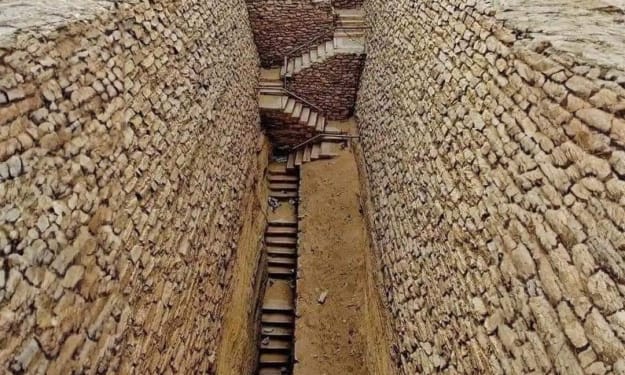
Steps Through Time: The Secrets of Pharaoh Djoser’s Tomb in Saqqara
The ancient Egyptian civilization remains one of the most mysterious and fascinating periods in history. With its monumental structures, intricate beliefs about life and the afterlife, and astounding advances in art, architecture, and science, this civilization still captivates our imaginations. Among the most impressive relics of ancient Egypt is the 4,800-year-old staircase leading to the southern tomb of Pharaoh Djoser in Saqqara, Egypt. These steps, which descend into the earth, do not merely represent a pathway; they are a window into a lost world of architectural genius, religious rituals, and beliefs that helped shape one of history's most influential cultures.
By Taimur Kazmi2 years ago in History
"Shadows and Reflections: The Myth of the Black Taj Mahal Across the Yamuna"
The Fable of the Atramentous Taj Mahal: Fact or Fiction? The Taj Mahal, an unparalleled attribute of love, stands as a marble curiosity forth the Yamuna River in Agra, India. Commissioned by the Mughal emperor Shah Jahan in anamnesis of his admired wife Mumtaz Mahal, this catacomb is accepted common for its beauty, symmetry, and intricate craftsmanship. Yet abaft its aboriginal white domes lies a arresting abstruseness that has absorbed historians, tourists, and locals for centuries—the fable of the "Black Taj Mahal."
By Say the truth 2 years ago in History
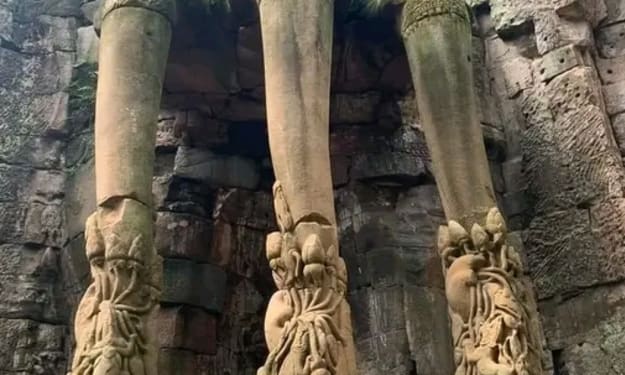
The Gate of Angkor Thom: A Portal into Cambodia's Storied Past
In the heart of Cambodia, where dense jungles conceal remnants of one of history’s greatest empires, stands the Gate of Angkor Thom. Built in the late 12th century under the visionary rule of King Jayavarman VII, this gateway is far more than a mere entrance; it’s a portal that takes visitors back to the golden age of the Khmer Empire. Adorned with elaborate carvings and imbued with an aura of timelessness, Angkor Thom’s gates tell stories of an empire defined by grandeur, artistry, and devotion. As you approach the South Gate—the most iconic of the five gates at Angkor Thom—you’re greeted by rows of stone statues lining either side of a bridge. This bridge, stretching across a moat, showcases an impressive display of mythological and architectural splendor. On the left side of the bridge, figures of gods, or “devas,” grasp the body of the seven-headed serpent, Naga. Opposing them on the right are demons, or “asuras,” gripping the same serpent in a cosmic tug of war. This scene is a recreation of the “Churning of the Ocean of Milk,” a Hindu myth representing the eternal struggle between good and evil—a theme that resonates through the ages. Architectural Grandeur: The Gates of Angkor Thom The South Gate, like each of the other gates at Angkor Thom, rises nearly 23 feet in height and is crowned by a massive tower bearing four stone faces. These faces, which have watched over the landscape for centuries, are serene yet powerful. Scholars debate the identity behind these stone visages—are they representations of King Jayavarman VII himself, or of the bodhisattva Avalokiteshvara, the compassionate figure in Mahayana Buddhism? Whichever the case, the faces symbolize the omnipresence and benevolent watch of the Khmer rulers or deities, ensuring harmony within the empire. These colossal gates served not only as entrances to the walled city but as statements of power, faith, and artistic ambition. The gates were designed to impress, humbling those who approached and reinforcing the idea of Angkor Thom as the very center of the universe for the Khmer people. Passing through these gates, one entered into the spiritual heart of the empire, a place of temples, palaces, and statues that expressed the artistic and religious beliefs of the Khmer people. A Symbolic Design Rooted in Religion Each element of Angkor Thom’s gates reflects the spiritual syncretism that defined the Khmer Empire. King Jayavarman VII, a devout Buddhist, transformed the empire’s traditional Hindu influences into a new expression of Buddhist-Hindu syncretism. While the gate’s bridge scene recalls Hindu mythology, the towering faces suggest the compassionate ideals of Buddhism. Beyond their religious connotations, these gates served a ceremonial function. The gates welcomed diplomats, traders, scholars, and possibly royalty themselves into the grand city. As they passed through, travelers were introduced to Angkor Thom’s cultural prestige and religious sanctity. For the Khmer, the act of entering the gates symbolized a journey from the profane outer world to the sacred space of the empire’s capital. The People Who Passed Through the Gates Throughout its history, Angkor Thom was more than just a royal city—it was a bustling metropolis, home to an estimated one million inhabitants during its peak. Each day, hundreds or perhaps thousands of people would have passed through the South Gate: traders from distant lands, monks on spiritual missions, artisans carrying supplies for the latest temple project, or perhaps even King Jayavarman VII himself. Imagine the diversity of individuals who crossed these thresholds. Merchants may have traveled from across Southeast Asia, carrying exotic spices, precious stones, and silks to trade within the vibrant markets of Angkor Thom. Skilled artisans and stone carvers might have traversed the gates, bringing their knowledge of construction and design that allowed for the creation of massive temples like Bayon and Ta Prohm. Monks and scholars likely passed through, bringing spiritual knowledge, philosophies, and religious practices that continued to shape the empire’s beliefs. One can also imagine the solemn processions that may have taken place, with royalty and dignitaries moving through the gates during grand ceremonies or diplomatic gatherings. Soldiers might have marched through to defend the city, as Angkor Thom was a fortified stronghold meant to safeguard against threats. The Stories Left in Stone The gate’s carvings are much more than decorations—they are snapshots of the Khmer people’s lives, beliefs, and values. The Churning of the Ocean of Milk, for example, represents more than just a myth; it’s a powerful symbol of unity and balance, a reminder of the duality of life that would have resonated with those who saw it. For the Khmer, this tug-of-war between gods and demons illustrated a fundamental aspect of their worldview: that life is an ongoing balance of opposites, one that requires both struggle and harmony. The colossal faces on the gate may also serve as a reminder of the ideals upheld by King Jayavarman VII: compassion, wisdom, and protection. This message would not have been lost on the people passing through, as it reminded them of their ruler’s duty to protect and serve. The carvings also reveal glimpses into the daily lives and cultural practices of the Khmer people. Animals, flowers, and celestial figures all make appearances in the stone, suggesting the Khmer’s appreciation of nature and their belief in a world infused with divine presence. These intricate details tell us about the skill and dedication of the artisans who spent years shaping Angkor Thom’s gates, embedding their labor into the fabric of the empire’s story. Today’s Journey Through the Gate of Angkor Thom Visiting the Gate of Angkor Thom today is like stepping back in time. While the city it once protected is now a collection of ruins, the gate remains a powerful symbol of Cambodia’s past. Tourists from around the world flock to Angkor Thom to experience the awe-inspiring art and architecture of the Khmer Empire, but also to ponder the lives of those who built, walked through, and revered these structures. Walking across the bridge, under the watchful eyes of the four-faced towers, it’s easy to feel the weight of history. Each carving seems to whisper a story, each face seems to carry a message across centuries, and each stone feels like a testament to the Khmer Empire’s brilliance. The gate stands as both a monument to the past and an invitation to understand the legacy of a civilization that, though faded, remains unforgettable. The Gate of Angkor Thom is more than an entrance; it is a passageway into history itself. By exploring its carvings and contemplating the lives of those who passed through it, we gain a deeper understanding of the Khmer Empire’s artistic genius, spiritual complexity, and enduring legacy. It is a reminder that history is not only told in books but etched in stone, waiting for us to listen.
By Deji Akomolafe2 years ago in History
Exploring Puebla’s Rediscovered Tunnels: A Glimpse into Mexico’s Buried Past
In 2015, construction workers in Puebla, Mexico, made an extraordinary discovery that brought centuries-old myths to life: a network of tunnels dating back as far as 500 years. These tunnels, stretching approximately 10 kilometers, weave through the heart of Puebla, connecting key historical sites like the city’s historic center and Loreto Castle, a location remembered for the iconic Battle of Cinco de Mayo. Long regarded as mere folklore, these tunnels were once believed to be imaginary, dismissed by locals and historians alike. But today, the tunnels have become one of Puebla’s most fascinating historical attractions, offering a window into the city’s past and the struggles that shaped it. A Legendary Find Brought to Light The tunnels were uncovered in an unexpected way. While doing routine construction in Puebla, workers stumbled upon a buried archway. With further excavation, an entire subterranean network was revealed, its passageways hidden and preserved beneath centuries of mud and debris. Though the tunnels had long been whispered about, many locals considered them no more than myth—a tale passed down from one generation to the next. Their rediscovery has transformed Puebla’s historical landscape, confirming that this underground labyrinth wasn’t just a fable but a tangible piece of the city’s rich heritage. Historians believe the tunnels may have been built in the 16th century, during the early colonial period, when the Spanish were establishing their influence in Mexico. The size and scope of the tunnels suggest they were designed for utility rather than secrecy; the pathways are tall and wide enough to accommodate riders on horseback, indicating they may have been used for strategic transport or communication. A Hidden Role in History’s Great Battles Puebla’s rediscovered tunnels likely served a range of purposes, particularly during times of war and conflict. Throughout its history, Puebla has been a focal point in several major battles, especially during the Mexican War of Independence (1810-1821) and the subsequent war with France. In both conflicts, these tunnels might have provided soldiers with crucial, concealed routes for moving supplies, coordinating with one another, or launching surprise attacks. Perhaps the tunnels’ most famous association is with the Battle of Cinco de Mayo in 1862, when outnumbered Mexican forces held their ground against the French at Loreto Castle. Given the proximity of the tunnels to Loreto, historians believe the underground network may have played a role in transporting soldiers or delivering supplies to Mexican forces during the battle. The tunnels may have also been used as a refuge, a way to avoid detection, or a means to safeguard strategic information. Though no written records explicitly detail the tunnels’ use during these conflicts, their rediscovery opens up new avenues of exploration for historians seeking to understand Puebla’s role in Mexico’s fight for independence and sovereignty. Artifacts Preserved by Time and Mud One of the most fascinating aspects of Puebla’s tunnels is the wealth of artifacts uncovered within them. Over the centuries, layers of mud filled the passageways, effectively preserving objects that had been left behind. During the excavation, archaeologists found items like clay kitchenware, children’s toys, and weapons, each offering a glimpse into daily life during the 1800s. The discovery of children’s toys, for example, suggests that families may have once moved through or sheltered in the tunnels, possibly using them as a safe haven during tumultuous periods. The presence of kitchenware could indicate that supplies were stored and transported through the tunnels as well. Additionally, weapons found in the network point to the tunnels’ probable use in wartime, supporting the theory that they played a significant role during the Mexican War of Independence and the conflict with France. These artifacts have been carefully preserved and cataloged, providing valuable insight into the daily lives of Puebla’s past residents. The finds are now part of a museum exhibit, allowing visitors to connect with Puebla’s history on a personal level by seeing objects once touched by those who lived, fought, and perhaps hid in these very tunnels. Opening to the Public: Exploring Puebla’s Underground Legacy In 2017, the tunnels were opened to the public, inviting visitors to embark on guided tours that delve into the city’s hidden past. Today, guests can walk through sections of the tunnel network, accompanied by knowledgeable guides who provide historical context and share stories of the battles, heroes, and legends tied to Puebla’s underground. The tour includes access to a museum, where the artifacts discovered in the tunnels are displayed, further enriching the experience. Walking through the tunnels, visitors get a palpable sense of history, as if stepping back into a world that witnessed the transformation of Puebla from a colonial city to a stronghold of Mexican resilience. The atmosphere is quiet, with dim lighting accentuating the stone arches and narrow passageways that wind beneath the city. The architecture is rustic yet functional, reflecting the practical needs of those who built these tunnels hundreds of years ago. This unique experience has captured the interest of history enthusiasts, students, and travelers alike, who come to Puebla to immerse themselves in the city’s legacy. The tunnels serve as a physical link to Puebla’s past, offering insights into the lives of people who lived through Mexico’s defining moments and fought for the country’s freedom. Rediscovering Puebla’s Roots Through the Tunnels The rediscovered tunnels beneath Puebla are more than just an archaeological find; they are a testament to Mexico’s resilience, ingenuity, and enduring spirit. Their existence reminds us of a time when survival depended on creativity, courage, and the ability to adapt in the face of adversity. As historians continue to study the tunnels, new details may emerge, shedding further light on their role in Puebla’s history. For those who visit, Puebla’s tunnels offer an extraordinary journey into the past. By following the footsteps of those who once walked these underground paths, visitors gain a new appreciation for the sacrifices and struggles that helped shape Mexico’s story. Each brick and archway holds a piece of that history, waiting to be uncovered and shared with future generations. In opening these tunnels to the public, Puebla has given the world a chance to connect with its heritage in a deeply personal and unforgettable way. The tunnels beneath Puebla stand as silent witnesses to centuries of history, a hidden legacy finally brought to light for all to see.
By Deji Akomolafe2 years ago in History
Tinkinswood Burial Chamber: A Window into Neolithic Wales
Nestled a few miles west of Cardiff, Wales, lies the ancient and mysterious site of Tinkinswood. This Neolithic marvel, dating back over 6,000 years, is one of the oldest and most remarkable burial sites in the region. Known for its massive stone structure, Tinkinswood has fascinated historians, archaeologists, and locals alike. At the heart of this site lies a chambered cairn covered by an extraordinary capstone, weighing around 40 tons, which ranks among the largest in Europe. Tinkinswood offers an intriguing look into the lives, beliefs, and skills of the people who lived here thousands of years ago, serving as both a burial site and a possible ceremonial center. Local folklore and archaeology together add layers of intrigue to this Welsh landmark, making Tinkinswood a place of historical significance and quiet mystery. A Monumental Achievement in Neolithic Engineering One of Tinkinswood’s most astounding features is its massive capstone, which spans approximately 24 feet in length and 15 feet in width. This impressive stone, estimated to weigh around 40 tons, was placed atop the burial chamber by Neolithic builders without the use of metal tools. The sheer size of the stone and the engineering required to raise it is a testament to the sophistication of Neolithic construction techniques. Historians and archaeologists continue to debate how the builders managed such a feat. It is believed that they used simple tools like antler picks and stone hammers, along with wooden sledges and ropes made from plant fibers. By working collaboratively and employing techniques that have been lost to history, the Neolithic builders raised this immense capstone over the burial chamber. The stone would have required not only incredible physical effort but also precise planning and knowledge of balance, weight, and leverage—skills that highlight the ingenuity of Wales’s early inhabitants. A Burial Site and Place of Rituals Tinkinswood’s primary purpose appears to have been as a burial chamber, but it was likely much more than just a tomb. During excavations at the site in 1914, archaeologists uncovered the remains of more than 50 individuals, along with pottery fragments, flint tools, and bone relics. These discoveries suggest that Tinkinswood was used as a communal burial site, possibly for an extended family or clan, and that it served as a sacred gathering place for significant rituals and ceremonies. The human bones found within the chamber bear signs of various ages, indicating that Tinkinswood was used as a burial site over an extended period. It’s believed that the bodies may have been laid out in the chamber and later subjected to secondary burial practices, where the bones were carefully arranged or reburied after the flesh had decomposed. The presence of pottery and flint tools suggests that ceremonies involving offerings or sacrifices may have taken place here. These items may have been left to accompany the deceased in the afterlife or to honor them in rituals, hinting at beliefs in an existence beyond death and the importance of ancestral connections in Neolithic society. Legends and Folklore: The Curse of Tinkinswood Tinkinswood is not only a place of historical significance but also a site rich in local folklore and legend. Perhaps the most intriguing tale associated with Tinkinswood is the “curse” tied to certain ancient Celtic holidays. According to legend, anyone who spends a night here on the eve of May Day, August 1 (Lammas), Halloween, or midwinter’s eve risks either going mad or becoming a poet. The origin of this folklore is uncertain, but it’s possible that it stems from the mystical aura surrounding the site. For ancient communities, places associated with the dead were often considered powerful and potentially dangerous. Spending a night in close proximity to ancestral spirits was believed to carry risks—whether of madness or, intriguingly, of poetic inspiration. This dual aspect of the curse reflects the duality often found in Celtic folklore, where spirits were both feared and revered. Visitors today find that Tinkinswood still carries an air of quiet mystery. It’s easy to imagine ancient rituals and gatherings taking place here, the surrounding landscape bathed in moonlight as those brave enough to keep vigil overnight awaited either madness or inspiration. Whether the legend is taken seriously or not, it adds an enchanting layer of meaning to the site, reminding us that Tinkinswood was more than just a burial ground—it was a place where the spiritual and the physical worlds intertwined. The Architecture of Belief and Community What truly sets Tinkinswood apart from other Neolithic burial sites is the glimpse it offers into the belief system and communal life of ancient Welsh people. Constructed without metal tools, the stone structure reflects a high degree of organization and communal effort. The community who built and maintained Tinkinswood likely shared a common set of beliefs that shaped their approach to life and death. For the Neolithic people, sites like Tinkinswood were likely places where family, community, and spiritual beliefs came together. The structure itself suggests that the people valued permanence and connection to the land, as the stone chamber would have stood as a lasting monument to their ancestors. The tomb may have served not only as a resting place for the dead but also as a place where the living could connect with their lineage, perform rituals, and pay homage to those who came before them. Tinkinswood Today: A Place of Reflection and Curiosity Today, Tinkinswood remains a well-preserved site, offering visitors a glimpse into Wales’s distant past. Managed by Cadw, the Welsh Government’s historic environment service, Tinkinswood is accessible to the public and is often visited by history enthusiasts, archaeologists, and those simply drawn by its enigmatic presence. For those who visit, it’s an opportunity to step back into a time when life was both challenging and deeply connected to nature and community. Walking around the site, visitors can view the enormous capstone up close, marveling at the engineering skills of a people who worked with the earth and stone to create something that has endured for thousands of years. The legends surrounding Tinkinswood add an element of intrigue, inviting visitors to imagine the rituals and beliefs that once permeated this place. The site offers a sense of connection with our ancestors and prompts reflection on the common human experiences that bridge our modern world with the ancient past. Conclusion: Tinkinswood’s Enduring Legacy Tinkinswood is far more than a historical curiosity; it is a symbol of Wales’s deep-rooted history and cultural heritage. From its imposing capstone to the folklore that surrounds it, Tinkinswood captures the imagination and offers a profound sense of continuity between past and present. This Neolithic marvel reminds us of the sophistication of ancient peoples and their deep spiritual connection to the land. For visitors today, Tinkinswood stands as a quiet, enduring testament to human ingenuity, communal effort, and the mysteries that have always accompanied our attempts to understand life and death.
By Deji Akomolafe2 years ago in History
Papua New Guinea’s Central Province: A Rich Tapestry of Culture and Customs
Papua New Guinea’s Central Province, located along the southeastern coast, is known for its breathtaking landscapes, from rugged mountains to pristine beaches. This province is equally fascinating for its people, who are steeped in traditional customs and a vibrant cultural heritage. The diversity within Central Province, with its many different communities and languages, has fostered unique traditions that continue to thrive despite modernization. This article explores some of the notable customs and cultural practices that define the people of Central Province. Language and Identity Papua New Guinea is home to over 800 languages, and Central Province contributes significantly to this linguistic diversity. The Motu language, widely spoken in Central Province, is one of the region’s most prominent languages, and the unique Hiri Motu dialect serves as a lingua franca across several coastal communities. Language is central to identity in Central Province, with each community cherishing its linguistic heritage. Rituals, oral histories, and myths are passed down through generations in these local languages, preserving the people’s identity and deep connection to their land and ancestors. The Hiri Trade Tradition One of the most celebrated cultural practices in Central Province is the Hiri trade tradition. This historical trade network connected the people of the coast with inland and island communities, particularly the Gulf Province. The Hiri voyages were undertaken in large, wooden sailing canoes called “lakatois,” which were crafted from special trees and decorated with unique symbols. These voyages were significant both economically and socially, as they facilitated the exchange of goods, such as clay pots, sago, and shells, and strengthened inter-community relationships. The Hiri trade tradition is commemorated in an annual Hiri Moale Festival, where the history and heritage of this ancient practice are celebrated through canoe races, dances, and the crowning of the Hiri Queen. This festival is a vibrant showcase of Central Province’s pride in its maritime history and serves as an opportunity for younger generations to learn about and connect with their ancestors’ way of life. The Significance of Dance and Music Dance and music are integral to the cultural expression of Central Province. Traditional dances, known as “meke,” are performed at special events, from weddings and celebrations to rituals that honor ancestors. These dances are highly symbolic, often representing stories of creation, warrior legends, or the province’s natural elements. Dancers wear costumes made from materials like feathers, shells, and plant fibers, each costume design unique to the specific community and purpose of the dance. Music accompanies these dances, with drums (known locally as kundu drums) playing a central role. Drums are carved from hardwood and painted with traditional designs, representing a family’s or clan’s history. In Central Province, music is also a storytelling medium, with songs sung in local dialects and handed down across generations. These musical traditions help preserve the people’s connection to their ancestral lands and natural environment. Marriage and Family Life Marriage customs in Central Province reflect the community-oriented nature of local society. Marriages are often arranged with the aim of strengthening ties between families and communities. While the details of marriage ceremonies vary among communities, the process generally involves negotiations between families, with bride price (gifts or money given to the bride’s family) playing a significant role. This exchange is not merely transactional; it represents a commitment from both families to support the union and its future offspring. Family life in Central Province is communal, with extended family units living together and sharing responsibilities. Elders are highly respected and play a vital role in decision-making, with younger members expected to listen to their guidance. This respect for family and community bonds is deeply embedded in the culture, emphasizing the importance of mutual support and harmony within the clan. The Role of Spirituality and Taboos Central Province’s culture is deeply spiritual, with beliefs rooted in respect for nature and the spirits of ancestors. Many communities observe specific taboos that govern their daily lives, often based on ancestral teachings. These taboos might dictate how certain plants or animals should be treated or prohibit actions that could disrupt the spiritual harmony of a place. Respect for nature and the environment is woven into these customs, underscoring a collective responsibility to preserve the land and sea that sustain them. Traditional healers, or “sorcerers,” also hold an esteemed position within Central Province communities. These individuals are believed to have a unique connection with the spirit world and are called upon for healing, guidance, or protection. In addition, rituals that honor ancestral spirits are regularly practiced, especially in times of crisis or during important milestones like births and deaths. Conclusion Central Province in Papua New Guinea is a region rich in cultural heritage, where ancient customs and modern life blend to create a unique identity. Through the Hiri trade tradition, dance and music, communal family life, and deeply rooted spiritual beliefs, the people of Central Province maintain a strong connection to their ancestral traditions. As they navigate the challenges of modernity, these cultural practices provide a source of identity, resilience, and unity, ensuring that the customs and stories of Central Province continue to thrive for generations to come.
By Grace Guise2 years ago in History
The 2024 Melbourne Cup
The 2024 Melbourne Cup, taking place on November 5 at Flemington Racecourse, is set to showcase an exciting blend of international and Australian talent, with top horses competing in Australia’s most prestigious race. Known as "the race that stops a nation," this year’s event brings together a unique lineup of highly skilled runners, each with distinct strengths and impressive backgrounds, promising an unforgettable day for racing enthusiasts worldwide.
By arun singhwal2 years ago in History
Insane moment woman jumps into zoo enclosure 'to swim' with polar bears. Content Warning.
The cheerful atmosphere at Berlin Zoo was suddenly shattered when cries of alarm and a loud splash pierced the air or something had fallen into the moat surrounding the polar bear exhibit. To the disbelief of bystanders, the source of this commotion was a 32-year-old woman who had climbed into the enclosure and was now swimming towards the polar bears. It was a Friday in the spring of 2009, with Easter just around the corner, and the zoo was filled with locals and tourists alike. Many had gathered to witness Berlin Zoo's famous polar bear family during their feeding time, a popular attraction that typically drew large, excited crowds. Given the danger posed by these powerful predators, zookeepers always remained outside the enclosure while the bears were fed.
By Lynn Myers2 years ago in History