Places
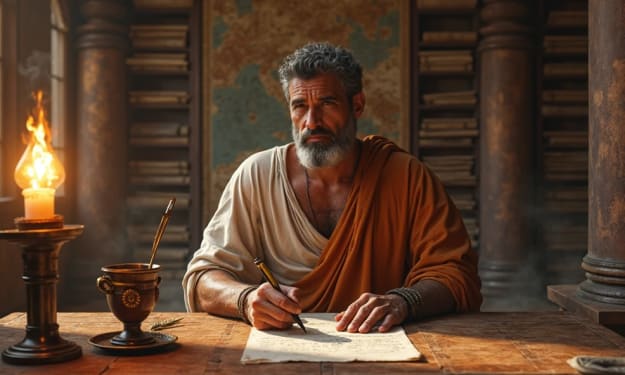
Polybius
The ancient era saw the emergence of numerous distinguished historians, yet few matched the meticulousness, analytical prowess, and impact of Polybius. Born in Arcadia, Greece, circa 200 BCE, Polybius experienced a period marked by significant political turmoil, observing the fall of Greek autonomy and the ascent of Rome as a dominant force in the Mediterranean. His seminal work, The Histories, is regarded as one of the most crucial historical narratives of the Hellenistic age, providing essential perspectives on the dynamics of power, the characteristics of political structures, and the pivotal events that influenced the ancient world.
By A Históriaabout a year ago in History
"Cosmic Crisis: Did a Solar Storm Nearly Wipe Out Ancient Humans 41,000 Years Ago?"
Predators, hostile environments, or a lack of food are among the first things that come to mind when we consider the threats that early humans faced. But what if their lives was also at danger from an unseen, lethal force from space? According to current scientific theories, the Earth's magnetic field drastically diminished 41,000 years ago, exposing early humans and fauna to high levels of cosmic radiation. The **Laschamps Excursion** may have had a significant impact on our ancestors, changing their surroundings and possibly affecting evolution.
By Md. Nuruzzaman khanabout a year ago in History
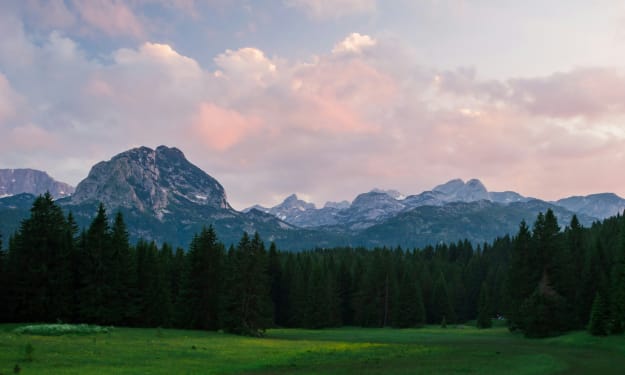
Sunset in the mountains of Durmitor
Sunset in the mountains of Durmitor The afternoon was different. The sun was slowly setting on the mountainside, spreading golden colors in the sky. The sunset could be seen from the campus dormitory, like a perfectly arranged scene—as if painted by Allah with his own hands.
By Arshad Aliabout a year ago in History
Thucydides of Athens
Thucydides of Athens (circa 460 – circa 400 BCE) is celebrated as one of history's foremost historians, recognized for his meticulous method of documenting historical events. In contrast to earlier historians who frequently intertwined myth with reality, Thucydides aimed to deliver a precise and analytical narrative grounded in evidence and firsthand accounts. His seminal work, The History of the Peloponnesian War, continues to be a cornerstone in the fields of historiography, political science, and military strategy.
By A Históriaabout a year ago in History
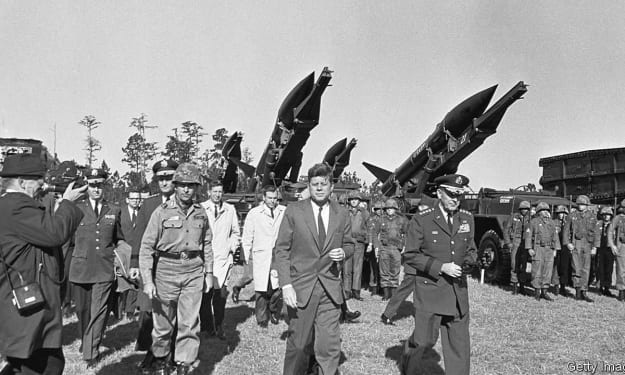
The Day the World Almost Ended, And How We Dodged Disaster
Have you ever lie awake at night wondering how close we’ve come to total annihilation? I’m not talking about asteroids or supervolcanoes—I’m talking about human decisions, split-second choices, and sheer dumb luck that kept us from blowing ourselves to smithereens. Spoiler alert: we're still around. But believe me, the story of how we survived is more bizarre than any Hollywood blockbuster. Let's dive into one of the most horrific times in history—the Cuban Missile Crisis—and see how humanity nearly dodged a nuclear catastrophe.
By ChronoCuratorabout a year ago in History
Tutankhamun: The Boy King and the Forgotten Truth of the Sphinx
Tutankhamun: The Boy King and the Forgotten Truth of the Sphinx When Tutankhamun, the boy pharaoh, was discovered in 1922 by Howard Carter, his tomb stunned the world. Sealed for over 3,000 years, it was a time capsule from a forgotten era. Gold, art, and strange symbols filled the chambers. But what the world saw was just the surface.
By The Secret History Of The Worldabout a year ago in History
Akhenaten: The Heretic Pharaoh and the God from the Sun
Akhenaten: The Heretic Pharaoh and the God from the Sun In the golden sands of ancient Egypt, a pharaoh rose who defied the gods, rewrote the spiritual order, and may have unlocked secrets far beyond our world. His name was Akhenaten, and his reign marked one of the most mysterious and radical chapters in Egyptian history. But was his "one god" merely a religious experiment… or something more?
By The Secret History Of The Worldabout a year ago in History
A Genocide Ignored: The World Must Act to Stop Israel’s Assault on Gaza
A Cry for Justice: Humanity Must End the Violence in Gaza On March 18, a new wave of destruction struck Gaza as continuous airstrikes resumed, resulting in the deaths of over 730 Palestinians and injuries to more than 1,300 others within just one week. For countless individuals in Gaza, this latest round of violence is not a standalone event—it is part of a prolonged history of turmoil under an 18-year blockade that has gradually diminished hope, infrastructure, and the very essence of a society striving to endure under siege.
By Mubarak Hossain Akashabout a year ago in History
🎉 Pohela Boishakh: A New Year of Color, Culture, and Community.
Every spring, as cherry blossoms bloom in other regions, Bengal hosts a unique event. Streets become a riot of red and white, the perfume of traditional foods wafts through homes, and drummers echo ancient beats. Pohela Boishakh, or Bengali New Year, is a dynamic cultural reset that draws millions together in joyful harmony.
By Md. Siyam Bishwasabout a year ago in History
Israel intensifies land, air attacks on Gaza amid humanitarian crisis
Gaza Strip – As the besieged enclave faces a catastrophic humanitarian crisis, Israel has escalated its military campaign in Gaza, launching intense airstrikes and expanding ground operations. The latest surge in violence comes amid international calls for a ceasefire, with civilian casualties mounting and aid agencies warning of a collapsing healthcare system and severe shortages of food, water, and fuel.
By Rupan Biswasabout a year ago in History
Bengali Pahela Boishakh
Introduction The first day of the Bengali calendar, Pahela Boishakh, is more than just the beginning of a new year. It is a colorful, cultural, and spiritual celebration that brings together communities and brings together millions of Bengali people in Bangladesh and West Bengal in India. Pahela Boishakh is a festival of renewal, hope, and unity that is rooted in history and tradition and embodies the spirit of Bengali identity and heritage.________________________________________
By Ahmed Bin Belalabout a year ago in History