Narratives
The Hidden Gems of Africa
In the annals of history, countless tales surround the discovery of lands and civilizations. Each continent holds its own narratives, and Africa, the cradle of humanity, is no exception. While the traditional narrative often revolves around European explorers "discovering" Africa, a closer look reveals a rich tapestry of discovery and interconnectedness that challenges the conventional understanding. This is the untold story of Africa's discovery—a journey that transcends time, culture, and borders.
By Ngozi Abonyi3 years ago in History
The Book of Exodus Chapter 5
Exodus 5: Moses and Aaron before Pharaoh: In the opulent heart of Egypt, within the resplendent walls of Pharaoh's palace, the stage was set for an encounter that would echo through the annals of history. Exodus 5 presents a moment of profound significance—the moment when Moses and Aaron, bearing the divine message of liberation, stood before the mighty Pharaoh, the ruler of Egypt. As Moses and Aaron entered the grandeur of Pharaoh's court, they were met with the austere splendor of Egyptian power. The throne room, adorned with gilded pillars and intricate hieroglyphs, exuded an air of majesty and dominance. Pharaoh, seated upon his throne, was a figure of imposing authority, his regal attire a testament to his exalted status. Yet, Moses and Aaron, though unadorned by the trappings of wealth and nobility, carried with them a power that transcended worldly opulence. They bore the divine message of the God of Israel—a message that demanded the release of the Israelite slaves and the recognition of their inherent dignity and worth. With unwavering resolve, Moses and Aaron approached Pharaoh and delivered the message that would set in motion one of the most iconic narratives of liberation in history: "Thus says the Lord, the God of Israel, 'Let my people go, so that they may celebrate a festival to me in the wilderness.'" Pharaoh, his countenance a mask of indifference, responded with a question that carried the weight of defiance: "Who is the Lord, that I should heed him and let Israel go? I do not know the Lord, and I will not let Israel go." It was a moment of reckoning—a clash of wills and authority. Pharaoh, who regarded himself as a god on earth, could not fathom submitting to the God of Israel, a deity he did not recognize. His heart remained hardened, and he perceived the Israelites as valuable labor for the construction of his grand monuments. Pharaoh's response to Moses and Aaron's request was swift and harsh. He intensified the oppression of the Israelite slaves, demanding that they produce the same quota of bricks without being supplied with the necessary straw. The Israelites, already laboring under the weight of bondage, now faced increased suffering and cruelty. Moses and Aaron's mission had not yielded the immediate results they had hoped for. Instead, it had unleashed a furious backlash from Pharaoh, who saw their demands as a challenge to his authority. The Israelites, in turn, were disheartened and embittered by the worsening conditions of their enslavement. Moses, burdened by the weight of his mission and the suffering of his people, turned to the Lord in anguish. He questioned God, asking why He had sent him to confront Pharaoh if the outcome had only been greater suffering for the Israelites. In his despair, Moses wondered if his mission had been in vain. God, in response, reassured Moses of His unwavering commitment to the liberation of the Israelites. He reminded Moses that He had heard the cries of His people and had witnessed their affliction. He affirmed His covenant with the Israelites, a covenant that would bring them out of Egypt and into the Promised Land. Exodus 5 captures the initial clash between the divine mandate for liberation and the obstinacy of earthly power. It foreshadows the epic struggle that would unfold—the struggle between the will of God and the pride of Pharaoh. The stage was set for a series of ten devastating plagues that would serve as a demonstration of God's authority and His determination to secure the release of His people. Moses and Aaron, as humble emissaries of the divine, stood as a testament to the transformative power of faith and obedience. Their mission, though fraught with challenges and setbacks, would ultimately lead to the Exodus of the Israelites from Egypt—a journey of liberation, faith, and the enduring belief that, even in the face of tyranny, the cry for freedom and justice would prevail. As they left the opulent palace of Pharaoh, Moses and Aaron carried with them the knowledge that their mission was far from over. The struggle for liberation had only just begun, and the road ahead would be marked by miracles, trials, and the unwavering faith of a people determined to reclaim their freedom.
By Raymark Marcos3 years ago in History
The Book of Exodus Chapter 4
Exodus 4: Moses' Signs and Return to Egypt: In the heart of the wilderness, far from the bustling cities of Egypt, Moses stood alone, grappling with the weight of his divine mission. Exodus 4 brings us to a pivotal moment in the story of Moses, where he receives a set of signs from the Almighty to confirm his role as a deliverer of the Israelites and his reluctant return to the land of his past. As Moses had stood before the burning bush on the sacred mountain of Horeb, God had unveiled His plan—a plan that involved Moses' return to Egypt, the land from which he had fled as a fugitive. It was a mission to confront Pharaoh, the ruler of Egypt, and demand the release of the Israelite slaves, setting them on a path to the Promised Land. Yet, Moses, once a prince of Egypt, now a humble shepherd, was filled with trepidation and doubt. He questioned his own worthiness and the ability to convince the Israelites and Pharaoh of the legitimacy of his mission. God, in His infinite wisdom, responded with a series of miraculous signs to confirm His divine authority and presence. The first sign involved the transformation of Moses' shepherd's staff into a serpent. As Moses reached down to grasp the staff, it morphed into a writhing serpent, a symbol of power and authority. Fear gripped Moses as he recoiled from the sight, but God reassured him, instructing him to reach out and seize the serpent by the tail. As Moses did so, the serpent transformed once more into a staff, a sign of God's control over the natural world. The second sign was equally astounding. God commanded Moses to place his hand inside his cloak and then withdraw it. When Moses obeyed, he found his hand leprous, white as snow. In shock, he returned his hand to his cloak, and upon withdrawing it again, the leprosy vanished, leaving his flesh as healthy as it had been before. This miraculous healing was a sign of God's power to afflict and to restore. Finally, God provided a third sign for Moses to demonstrate before the Israelite elders—the transformation of water from the Nile River into blood. This sign held great symbolic significance, as the Nile River was not only a life-giving source of water but also a symbol of Egyptian fertility and power. By changing the river's waters into blood, God underscored His authority over Egypt's mightiest natural resource. Armed with these miraculous signs, Moses was ready to fulfill his divine mission. He set forth on a journey, accompanied by his brother Aaron, to the land of Egypt. His heart was heavy with the knowledge that he was part of something far greater than himself—an instrument of liberation for a people in bondage. Upon their arrival in Egypt, Moses and Aaron gathered the Israelite elders and performed the miraculous signs before them. The transformation of the staff into a serpent, the healing of leprosy, and the changing of water into blood left the elders in awe and belief that God had indeed visited His people and heard their cries. Yet, the path to liberation would not be without its challenges. Moses and Aaron stood before Pharaoh, the powerful ruler of Egypt, and delivered God's message: "Let my people go." But Pharaoh, hardened of heart, refused to heed their plea. Instead, he intensified the Israelites' labor and subjected them to even harsher conditions. The stage was set for a dramatic confrontation between the will of God and the obstinacy of Pharaoh. What followed was a series of ten devastating plagues, each more catastrophic than the last, as God demonstrated His supreme authority and determination to secure the release of His people. Exodus 4 captures the transformative journey of Moses—from a reluctant shepherd in the wilderness to the leader chosen by God to deliver the Israelites from bondage. It is a narrative of faith, obedience, and the confirmation of divine presence through miraculous signs. The signs granted to Moses not only affirmed his mission but also served as a testimony to the Israelites and Pharaoh of God's power. They would become a foundational part of the epic story of liberation and the eventual Exodus of the Israelites from Egypt, setting the stage for one of the most iconic narratives in human history. As Moses stood before Pharaoh, he bore the weight of his divine calling, the weight of a people's hopes and dreams. The signs he carried with him were not only evidence of God's authority but also a reminder that, in the face of tyranny and oppression, faith and determination can lead to miraculous transformations and the promise of freedom.
By Raymark Marcos3 years ago in History
The Book of Exodus Chapter 3
Exodus 3: The Burning Bush and God's Call to Moses: In the land of Midian, where the endless sands of the desert stretched to the horizon, a humble shepherd named Moses tended to his flock under the relentless sun. It was a world far removed from the grandeur of Egypt, where Moses had once been a prince of the royal court, but it was in this quiet solitude that a momentous encounter would unfold—an encounter that would forever change the course of his life and the destiny of a nation. Exodus 3 opens with Moses leading his sheep to the far side of the desert, where the mountains met the sky. As he wandered through the wilderness, he reached a place called Horeb, often referred to as the "Mountain of God." It was here, in this desolate and sacred place, that the divine call would find him. As Moses ascended the mountain, he suddenly beheld a sight that defied explanation—a bush ablaze with fire, yet not consumed by the flames. It was a phenomenon that transcended the laws of nature and ignited a spark of wonder and curiosity in Moses' heart. He drew nearer, drawn by an unseen force, and the voice that would change his life forever called out from within the fiery bush. "Moses, Moses," the voice called, and Moses responded with reverence, "Here I am." It was a moment of profound connection, as if the very earth and heavens were attuned to the presence of the divine. In the midst of this extraordinary encounter, God revealed Himself to Moses as the God of his ancestors, the God of Abraham, Isaac, and Jacob. The God who had heard the cries of His people in Egypt and had come down to deliver them from their suffering. Moses stood in awe, for he had heard the tales of this God from the stories of his forefathers, but now, in this sacred moment, he was in the presence of the divine. The voice spoke with a solemn charge, instructing Moses to remove his sandals, for the ground on which he stood was holy. God revealed His plan to Moses—a plan that involved his return to Egypt, the land from which he had fled as a fugitive. He was to confront Pharaoh and demand the release of the Israelite slaves, leading them on a journey to the land promised to their ancestors. It was an extraordinary and daunting mission, one that filled Moses with uncertainty and doubt. Moses questioned his own worthiness and the ability to carry out such a monumental task. He asked God for His name, a name that would be a symbol of divine authority and presence. God responded with a profound declaration: "I AM WHO I AM." It was a name that transcended time and space, an affirmation of God's eternal and unchanging nature. God assured Moses that He would be with him every step of the way, providing guidance and signs to confirm His presence. Yet, Moses remained hesitant, burdened by his own insecurities. He asked for a sign to convince the Israelites and Pharaoh of the legitimacy of his mission. In response, God revealed a miraculous sign—the transformation of Moses' shepherd's staff into a serpent and back again, a sign of divine power and authority. Still, Moses was not convinced, and he voiced his concerns about his ability to speak eloquently and persuasively. God, in His infinite wisdom and patience, appointed Moses' brother, Aaron, as his spokesperson, offering the reassurance that He would be with both of them. Exodus 3 is a pivotal chapter in the story of Moses and the Israelites. It marks the moment when Moses was called by the divine, a moment that propelled him from the solitude of the wilderness to the heart of one of the most significant missions in history. It is a narrative of divine encounter, doubt, and the transformative power of faith. The burning bush, with its flames that did not consume, serves as a powerful symbol of God's presence and His call to a reluctant shepherd. It reminds us that sometimes the most profound encounters with the divine occur in the most unexpected places and moments. It teaches us that even when doubt and insecurity cloud our judgment, faith and obedience can lead to extraordinary journeys of purpose and destiny. As Moses descended from the sacred mountain, his heart heavy with the weight of his calling, he carried with him the knowledge that he was part of something far greater than himself. He was the chosen instrument of liberation for a people in bondage, and the flames of the burning bush had ignited a fire of purpose within him that would guide him on the path to freedom and redemption.
By Raymark Marcos3 years ago in History
The Book of Exodus Chapter 2
Exodus 2: The Birth and Early Life of Moses: In the land of Egypt, where the Nile River flowed like a lifeline through the arid desert, a boy named Moses was born under the watchful eyes of destiny. Exodus 2 unfolds the remarkable tale of his birth and early life, a story that would change the course of history and become a symbol of hope and liberation for generations to come. The chapter opens with the Israelites, descendants of Jacob, who had settled in Egypt generations earlier. They had grown numerous and had become a source of concern for the reigning Pharaoh, who saw their increasing numbers as a potential threat to his rule. Pharaoh's response had been harsh and oppressive, subjecting the Israelites to forced labor and cruelty. Amid this time of hardship and suffering, a Levite couple, Amram and Jochebed, brought a child into the world—a son whom they would name Moses. His birth was a momentous event, for Moses would go on to play a pivotal role in the liberation of the Israelites. Jochebed's love for her newborn son was profound, and she sought to protect him from the cruel decree of Pharaoh. In an act of extraordinary courage, she made a waterproof basket from bulrushes and placed her precious child within it. With tears in her eyes and a heart heavy with both love and fear, she set the basket adrift on the waters of the Nile. As fate would have it, the basket floated down the river and was discovered by none other than Pharaoh's daughter, a woman of compassion. Moved by the cries of the child and recognizing him as a Hebrew, she decided to adopt him as her own. This seemingly miraculous turn of events spared Moses from the decree of death that had been imposed upon the Israelite male infants. The young Moses grew up in the luxurious surroundings of Pharaoh's palace, his true heritage concealed from the Egyptian court. He received the finest education and lived a life of privilege, but his heart remained connected to his people, the Israelites. It was a connection that would shape his destiny in profound ways. One day, as Moses ventured beyond the palace walls, he witnessed an Egyptian taskmaster beating an Israelite slave. His heart burned with indignation and empathy for his oppressed kin. In a moment of fierce righteousness, he intervened and struck down the Egyptian, defending the Israelite's honor and life. The consequences of his actions were swift and unforgiving. Moses became a fugitive, forced to flee Egypt to escape Pharaoh's wrath. He found refuge in the land of Midian, where he encountered a new way of life as a shepherd. It was a stark departure from the opulence of the palace, but it was here, in the quietude of the wilderness, that Moses would undergo a profound transformation. In Midian, Moses encountered the priest Jethro and his daughters, who would become his family in this foreign land. He married one of Jethro's daughters, Zipporah, and together they had children. Moses embraced a simpler life, tending to Jethro's flock and finding solace in the vast expanse of the desert. Yet, his time in the wilderness was not merely a period of exile; it was a time of preparation. Moses was being shaped for a destiny that would see him lead the Israelites out of bondage and into freedom. His early experiences as a shepherd taught him valuable lessons in leadership, patience, and humility. Exodus 2 serves as the foundation of Moses' remarkable journey—a journey that would see him return to Egypt, confront Pharaoh, and lead his people through the wilderness to the Promised Land. It is a story of destiny, resilience, and the enduring power of compassion and justice. As we reflect on the birth and early life of Moses, we are reminded that sometimes the most unexpected circumstances can lead to the most extraordinary destinies. Moses' life is a testament to the belief that one individual, driven by compassion and a sense of justice, can make a profound impact on the course of history. His story inspires us to confront injustice, stand up for what is right, and embrace the transformative power of empathy and courage.
By Raymark Marcos3 years ago in History
The Greek Mythology; Icarus and Daedalus - The mythical inventor.
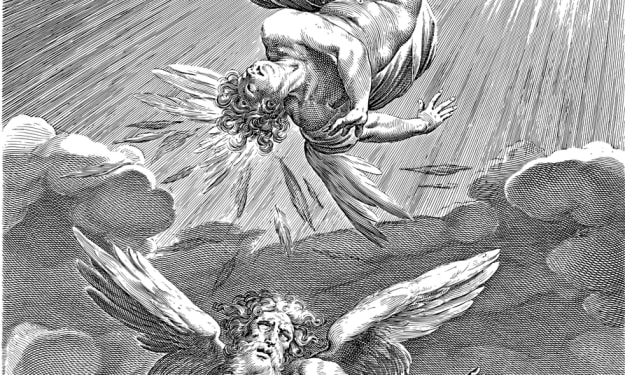
"Wings of Ambition: The Tragic Flight of Icarus and Daedalus" In the age of myth, ensconced within the labyrinthine heart of Crete, there dwelled Daedalus—a peerless craftsman, an alchemist of artistry, whose gifts knew no equal. But with genius came a beguiling curse, as the keen eye of King Minos fell upon him. In the convoluted embrace of the very maze he had conjured, Daedalus languished, his soul yearning for liberation. And in this tale of destiny intertwined, his son, Icarus, shared that fervent longing.
By The Must-Read 3 years ago in History
The Book of Exodus Chapter 1
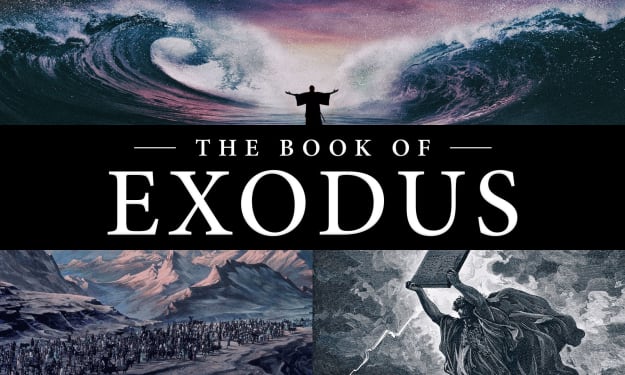
The Book of Exodus 1: The Israelites in Egypt: In the ancient land of Egypt, where the Nile's fertile banks brought life to the arid desert, a tale of oppression and resilience unfolded. This was the time when the Israelites, descendants of Jacob, known as Israel, found themselves in the embrace of a foreign land. Exodus 1 marks the beginning of their story in Egypt, a story that would ultimately lead to their liberation. As the chapter opens, we are introduced to a land of plenty, where the descendants of Jacob and his sons have settled. It is a land where Joseph, Jacob's favored son, once rose to great prominence, second only to Pharaoh himself. But the passage of time had a way of changing the fortunes of nations and individuals alike. Generations after Joseph's time, a new Pharaoh ascended to the throne. This Pharaoh, perhaps ignorant of the debt of gratitude Egypt owed to Joseph, saw the growing number of Israelites as a potential threat. The Israelites had multiplied greatly, and their numbers had become a source of concern for the Egyptian ruler. In a world defined by power and control, fear often led to oppressive actions. Pharaoh's response to this perceived threat was harsh and inhumane. He ordered the Israelite men and women into forced labor, imposing upon them the backbreaking task of building cities, including the grand city of Pithom and Ramses. The Israelites were subjected to cruel treatment, with taskmasters overseeing their toil and making their lives bitter with hard labor. Yet, even in the face of such adversity, the Israelites did not lose hope. They continued to multiply and flourish, defying the oppressive measures imposed upon them. The chapter highlights the resilience of the Israelite women, who played a pivotal role in preserving their people. They were skilled midwives who, in an act of civil disobedience, defied Pharaoh's order to kill newborn Israelite boys. Two of these midwives, Shiphrah and Puah, recognized the innate worth of every life and could not carry out Pharaoh's decree. When questioned by Pharaoh about their disobedience, they cleverly explained that Israelite women were strong and gave birth before they could arrive, thus sparing the newborns. The courage of Shiphrah and Puah in the face of tyranny stands as a testament to the power of compassion and resistance in the darkest of times. Exodus 1 portrays the escalating tension between the Israelites and the Egyptians. Pharaoh's oppressive measures intensified as he ordered all Israelite male infants to be cast into the Nile River. It was a horrific edict, a desperate attempt to stifle the growth of the Israelite population. Amid this backdrop of suffering and injustice, a remarkable story of hope began to take shape. A baby was born to an Israelite family, a child destined to play a pivotal role in the future of his people. His mother, in an act of desperation and love, placed him in a basket made of bulrushes and set it afloat on the Nile. This baby, as fate would have it, was discovered by none other than Pharaoh's daughter, who was drawn to the child's cries. She recognized the child as one of the Hebrews but was moved by compassion. She adopted him and named him Moses, a name that would become synonymous with liberation and leadership. Exodus 1 concludes with a poignant verse that foreshadows the challenges and triumphs yet to come: "But the more they were oppressed, the more they multiplied and spread; so the Egyptians came to dread the Israelites." This verse encapsulates the indomitable spirit of the Israelites, a people who, in the face of adversity, continued to grow, thrive, and cling to the hope of a better future. The story of Exodus 1 lays the foundation for the epic narrative of the Israelites' journey to freedom, their liberation from bondage, and their eventual covenant with the Divine. It is a story that resonates with themes of oppression, resistance, compassion, and the enduring human spirit. As we reflect on this chapter, we are reminded that even in the darkest of times, there is hope. The Israelites' story is one of perseverance, courage, and the belief in a better tomorrow. It is a timeless tale that speaks to the resilience of the human spirit and the transformative power of faith and determination. In the chapters that follow, we will witness the unfolding of one of the most iconic narratives in human history—the story of the Exodus.
By Raymark Marcos3 years ago in History
The Quest for Wisdom: Exploring the World of Philosophy
Introduction Welcome to a captivating intellectual journey into the world of philosophy, often described as the "love of wisdom." This timeless pursuit has captivated scholars, thinkers, and curious minds for centuries, leading us to question the very essence of our existence, knowledge, ethics, and the human condition. In this blog, we embark on a voyage through the vast landscape of philosophy, where we'll uncover its origins, delve into its key branches, and join the ongoing quest for wisdom.
By Antonia okojie 3 years ago in History
From Dusty Streets to Football's Summit
Chapter 1: A Village Called Bambali In the heart of Senegal, nestled amidst the lush greenery of the Casamance region, lies the small village of Bambali. With its red earth roads and simple thatched huts, Bambali is a place where time seems to stand still. It was here, in this picturesque but impoverished village, that a young boy named Sadio Mané began his incredible journey.
By Abdullahi Abubakar3 years ago in History
The deep-sea discoveries in the Mariana Trench
The deep-sea discoveries in the Mariana Trench: eneath the tranquil surface of the Pacific Ocean, in the remote expanse of the Mariana Trench, lies a realm of mystery and wonder that has long captured the imagination of scientists and explorers. The Mariana Trench, the deepest part of the world's oceans, has proven to be a treasure trove of scientific discovery, unveiling a world teeming with bizarre and otherworldly life forms. The journey to explore the Mariana Trench is not for the faint of heart. The trench reaches staggering depths of over 36,000 feet (10,994 meters) in the Challenger Deep, its deepest point. This is a place where the crushing pressure exceeds 1,000 times that of the surface, and the total darkness seems impenetrable. Yet, the allure of what lies beneath has driven researchers to design submersibles and technology capable of withstanding these extreme conditions. One of the most remarkable discoveries in the Mariana Trench is the existence of life forms that defy our understanding of biology. In the inky darkness, where sunlight never penetrates, scientists have found creatures adapted to extreme pressures and temperatures. Some of the most intriguing organisms are the amphipods, small shrimp-like crustaceans that scuttle about on the trench's muddy floor. These tiny creatures have evolved to thrive in a world where the water temperature hovers just above freezing. Another astonishing discovery is the existence of giant amphipods, massive versions of their shallower-water relatives. These creatures, up to 10 times larger than typical amphipods, were found swarming in the trench's depths, feasting on the detritus that sinks from the surface. Their existence challenges our understanding of the limits of life on Earth and raises questions about the potential for life on other planets with harsh conditions. The Mariana Trench also harbors some of the world's most enigmatic and otherworldly fish species. Among them is the "snailfish," a translucent creature with a soft, gelatinous body that seems almost ghostly in appearance. These fish defy conventional wisdom, surviving in an environment where the extreme pressure should prevent them from having swim bladders. Instead, they have developed adaptations such as flexible bodies and large mouths to thrive in this unforgiving habitat. One of the most striking and photogenic inhabitants of the Mariana Trench is the "Dumbo octopus." Named after its ear-like fins, this deep-sea cephalopod gracefully hovers above the trench floor, using its large, wing-like appendages to propel itself through the water. Its appearance and behavior are a testament to the incredible diversity and adaptability of life in the deep sea. Beyond the biological wonders, the Mariana Trench has also revealed geological marvels. Scientists have discovered hydrothermal vent systems, where superheated water rich in minerals spews from the Earth's crust, creating a unique and extreme ecosystem. These vents support communities of life that rely on chemosynthesis rather than photosynthesis, illustrating the ingenuity of nature in adapting to even the harshest conditions. One of the most profound insights gained from the Mariana Trench is the impact of human activity on the deepest parts of the ocean. Even in these remote depths, evidence of human pollution has been found. Microplastics, small fragments of plastic waste, have been discovered in the trench, highlighting the interconnectedness of the world's oceans and the urgent need for responsible environmental stewardship. The exploration of the Mariana Trench has been a testament to human curiosity, innovation, and resilience. It has required the development of specialized submersibles and deep-sea technology, as well as the courage of the scientists and explorers who venture into the abyss. Each dive into the trench reveals new wonders and raises new questions about the mysteries of the deep sea. In recent years, international efforts have been made to protect and preserve the Mariana Trench and its unique ecosystems. Designating it as a Marine National Monument has been a crucial step in conserving this pristine environment and its invaluable biodiversity. The discoveries in the Mariana Trench serve as a reminder of the boundless wonders that our planet still holds, even in the most extreme and inhospitable environments. They inspire us to continue exploring, to push the boundaries of our knowledge, and to protect the fragile ecosystems that thrive in these hidden realms. As we peer into the depths of the Mariana Trench, we are humbled by the resilience of life, the mysteries of the deep sea, and the importance of preserving these pristine environments for future generations. The Mariana Trench is a testament to the enduring spirit of exploration and discovery, a place where science and wonder converge in the darkest depths of our planet's oceans.
By Raymark Marcos3 years ago in History
Thee ancient city of Teotihuacan in Mexico
Thee ancient city of Teotihuacan in Mexico: Nestled in the highlands of central Mexico lies the ancient city of Teotihuacan, a place where gods once walked among mortals and where pyramids touched the heavens. Often referred to as the "City of the Gods," Teotihuacan is one of the most remarkable archaeological sites in the world, a testament to the power and grandeur of an ancient civilization that flourished over a thousand years ago. Teotihuacan's origins are shrouded in mystery, and its true creators remain unknown. It is believed to have been established around 200 BCE, but the people who built it, known as the Teotihuacanos, left behind no written records to tell their story. The city's name itself is of Nahuatl origin, the language of the Aztecs who later inhabited the region, and means "The Place Where the Gods Were Created." This name reflects the profound sense of reverence and awe that Teotihuacan has evoked for centuries. At the heart of Teotihuacan's urban layout are two massive pyramids—the Pyramid of the Sun and the Pyramid of the Moon. The Pyramid of the Sun, the largest of the two, rises nearly 216 feet (66 meters) above the surrounding landscape. Ascending its steep steps, one is met with breathtaking panoramic views of the city's sprawling layout, and it's impossible not to be captivated by the sense of awe that must have gripped the ancient pilgrims who climbed these very steps. The Pyramid of the Moon, although smaller in scale, holds equal importance in the city's cosmology. It stands at the northern end of the Avenue of the Dead, a broad boulevard that runs through the heart of Teotihuacan. This avenue, flanked by smaller pyramids and impressive ceremonial structures, is thought to have served as a processional route for rituals and celebrations, a testament to the city's vibrant religious life. While the pyramids are the most iconic features of Teotihuacan, the city is a vast archaeological treasure trove that encompasses residential areas, marketplaces, workshops, and temples. The remains of multistory apartment complexes, known as "apartment compounds," hint at a highly organized and densely populated city. Archaeological evidence suggests that Teotihuacan was home to a diverse population, with people from various cultural backgrounds living and working together. One of the city's most intriguing aspects is the layout and alignment of its buildings. Teotihuacan's urban plan reflects a deep understanding of astronomy and a close relationship with the natural world. The city's layout is thought to be aligned with the movements of celestial bodies, with the pyramids and other major structures oriented to important astronomical events, such as the equinoxes and solstices. This cosmic connection reinforces the belief that Teotihuacan was not just a city but a sacred space where earthly and celestial forces converged. The artistry of the Teotihuacanos is on full display in their intricate murals and carvings. These artworks provide glimpses into the daily life, rituals, and beliefs of the city's inhabitants. One of the most famous examples is the mural found in the Tepantitla compound, which depicts a richly detailed and vibrant tableau of religious ceremonies and mythological figures. The intricate feathered serpent, often identified as the deity Quetzalcoatl, graces many of these murals, further emphasizing the city's spiritual significance. The Teotihuacanos were skilled artisans, known for their production of obsidian blades, pottery, and intricate jewelry. Their influence extended far beyond their city's walls, as Teotihuacan served as a central hub for trade networks that stretched throughout Mesoamerica. The city's prosperity was fueled by the production and exchange of valuable goods, such as obsidian tools and textiles, which were traded with distant regions. Despite its grandeur and influence, the decline of Teotihuacan remains a subject of debate among scholars. Around the 7th or 8th century CE, the city began to experience a gradual decline, marked by the abandonment of some residential areas and the erosion of its once-powerful influence. The reasons behind this decline are still unclear, with theories ranging from internal unrest and social upheaval to environmental factors such as droughts. Today, Teotihuacan stands as a UNESCO World Heritage Site and a symbol of Mexico's rich cultural heritage. It continues to inspire wonder and admiration, drawing visitors from around the world who come to explore its ancient streets and climb the pyramids that reach for the sky. The spirit of the Teotihuacanos lives on in the breathtaking architecture, vibrant artistry, and profound cosmic connections that define this extraordinary city. As we stand beneath the towering pyramids and walk the ancient streets of Teotihuacan, we are transported to a time when gods and mortals coexisted in harmony, when a civilization flourished in awe-inspiring splendor. Teotihuacan reminds us of the enduring power of human creativity, the quest to understand the cosmos, and the enduring legacy of those who built a city of gods in the heart of Mexico.
By Raymark Marcos3 years ago in History
The e cave paintings of Chauvet-Pont-d'Arc, France
The e cave paintings of Chauvet-Pont-d'Arc, France Nestled within the limestone cliffs of the Ardèche region in southern France, the Chauvet-Pont-d'Arc Cave houses an ancient masterpiece that defies the constraints of time. Its walls, adorned with magnificent cave paintings, transport us back in time to an era when early humans sought to capture the essence of their world through art. The story of Chauvet-Pont-d'Arc began in 1994 when three spelunkers—Jean-Marie Chauvet, Eliette Brunel, and Christian Hillaire—stumbled upon the cave's entrance. What they discovered within was nothing short of extraordinary: a pristine time capsule of prehistoric art dating back approximately 36,000 years. These incredible artworks predate even the famous Lascaux cave paintings by several millennia. The cave paintings of Chauvet-Pont-d'Arc are a testament to the creative spirit of our distant ancestors. The artists used the contours of the cave walls and natural rock formations to breathe life into their subjects. What they left behind is a gallery of animals, rendered with astonishing skill and accuracy. Lions, rhinoceroses, bears, mammoths, and horses, among other creatures, leap from the walls with an energy and dynamism that belies their age. The precision and technique displayed in these artworks are awe-inspiring. The artists utilized a combination of charcoal and various ochre pigments to create their masterpieces. They employed a variety of methods to apply the pigments, from finger painting to the use of rudimentary brushes made from twigs or animal hair. The attention to detail in the fur, musculature, and expression of the depicted animals reveal a profound understanding of the natural world. One of the most striking features of the Chauvet-Pont-d'Arc paintings is the use of movement and perspective. These prehistoric artists understood how to capture the essence of a creature in motion, whether it's the galloping horses or the stalking predators. The use of the cave's contours and relief added an extra dimension to the paintings, making them appear almost three-dimensional when illuminated by torchlight. The artists didn't limit themselves to animals. They also depicted human figures in the form of handprints and stencil outlines, as well as a few enigmatic partial figures. These human representations offer tantalizing glimpses into the spiritual and cultural life of our ancient ancestors. Were these depictions symbolic, shamanistic, or simply artistic expressions of their surroundings and experiences? The significance of the Chauvet-Pont-d'Arc Cave goes beyond its artistic value. It provides a rare window into the lives of Paleolithic humans, offering clues about their hunting practices, beliefs, and daily existence. The presence of so many predators in the cave paintings hints at a close relationship between early humans and the natural world, perhaps even a form of reverence or spiritual connection. The conservation and preservation of the Chauvet-Pont-d'Arc Cave have been paramount since its discovery. In order to protect the fragile environment and the priceless artworks, access to the original cave is highly restricted. Researchers and scientists can only enter under strict conditions to minimize human impact. However, efforts have been made to share this remarkable treasure with the world. In 2015, a replica of the Chauvet-Pont-d'Arc Cave, known as the Chauvet 2 Cave, was opened to the public near the original site. This replica painstakingly recreates the cave's interior, allowing visitors to experience the awe and wonder of the prehistoric paintings while preserving the fragile original. It's a testament to the importance of both conservation and education. The Chauvet-Pont-d'Arc Cave paintings are a testament to the enduring power of art and its ability to transcend time and space. These ancient artworks, created in the depths of a dark and hidden cave, have emerged into the light of modern understanding, offering a glimpse into the minds and hearts of our ancestors. They remind us that the impulse to create, to express, and to connect with the world around us is a fundamental and timeless part of the human experience. As we stand in the presence of these ancient masterpieces, we are humbled by the shared creative spirit that has persisted throughout human history. The Chauvet-Pont-d'Arc Cave paintings are not just a glimpse into the past; they are a testament to the enduring power of human imagination and our deep-seated need to leave our mark on the world, even if that mark is hidden away in the depths of time.
By Raymark Marcos3 years ago in History